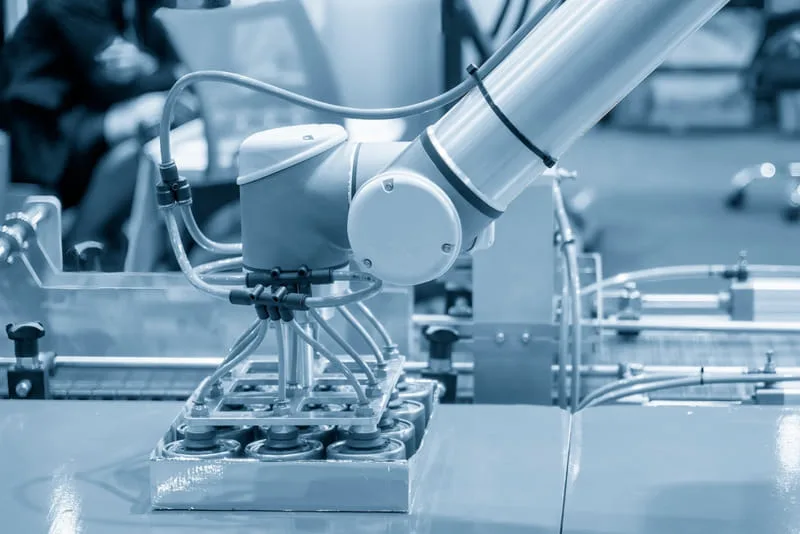
Explore how collaborative robots (cobots) are revolutionizing modern textile factories. From fabric handling to quality control, cobots enhance efficiency, safety, and flexibility across production lines.
Preventive versus predictive maintenance in textile mills marks a critical decision point for optimizing production efficiency, reducing downtime, and enhancing worker safety. This comprehensive article examines the evolution of maintenance strategies in textile production, detailing historical practices, technological advancements, innovative solutions, and real-world applications. Through engaging narratives, technical insights, diagrams, tables, and actionable examples, textile professionals, safety managers, and industry enthusiasts will gain an in-depth understanding of how these maintenance approaches drive operational excellence and sustainability in textile mills.
Digital innovation in textiles uses software, sensors and connected machines to design, make, inspect and trace fabric, from yarn clearers to the EU passport.
ERP software revolutionizes textile manufacturing by integrating digital tools with traditional processes. This comprehensive guide examines the best ERP solutions for textile production, covering key modules, implementation strategies, and future trends like AI-driven supply chains and blockchain traceability. It provides actionable insights and real-world examples that help manufacturers optimize operations, reduce costs, and drive sustainable growth in a rapidly evolving global market.
Smart textiles and sustainable innovations are redefining the textile industry. This comprehensive guide explores the future of textiles by examining advanced digital integration, AI-driven supply chains, blockchain traceability, and biomaterial investments. It highlights how these technologies are transforming production processes, boosting efficiency, and reducing environmental impact, ultimately paving the way for a new era of customized, high-performance textiles.
The Hazards and risk involved in the textile industry are high compared to other industries and in this article a series of respiratory effects and other disease patterns among textile workers in the textile industry are detailed.
Effluents Treatment Plants or ET Plants (ETP) are the most widely accepted approaches towards achieving environmental safety. But, no single treatment methodology is suitable or universally adaptable for any kind of effluent treatment.
Manufacturing excellence in the garment industry is the ultimate process whereby all variable parameters of the company are monitored to achieve the highest possible standards in order to maximise profit, production, quality levels, customer satisfaction, and employee contentment and to be fit for competition and make continuous progress.