Textile mills have long been at the heart of industrial production, weaving together not only fabrics but also the livelihoods of millions of workers. As the textile industry has evolved, so too have the occupational safety standards designed to protect workers from hazards that arise in high-speed, high-volume production environments. Today, global occupational safety standards form an essential framework that ensures the health, well-being, and productivity of workers across textile mills worldwide. This article delves into the multifaceted world of textile mill safety, tracing its history, technological evolution, and future trends. We discuss sources, innovations, production processes, challenges, real-world applications, and the market dynamics that influence safety standards in the textile industry.
1. Introduction: The Imperative of Safety in Textile Mills
Occupational safety in textile mills is not just a regulatory mandate; it is a moral imperative and a vital component of operational excellence. Textile production environments are complex and can pose significant risks. Workers face hazards from high-speed machinery, chemical exposures during dyeing and finishing, and ergonomic challenges due to repetitive motions. Global safety standards, such as those developed by the International Labour Organization (ILO) and national agencies like OSHA, have been established to protect workers and ensure that textile mills operate under safe and humane conditions.
The importance of occupational safety extends beyond immediate physical protection. Ensuring a safe work environment enhances productivity, reduces absenteeism, and minimizes financial losses associated with workplace accidents. Textile mills that adopt robust safety standards not only comply with regulations but also build a reputation for corporate responsibility. This reputation, in turn, can open up new markets and foster consumer trust in textile products.
Imagine a bustling textile mill where advanced safety systems, ergonomic workstations, and well-trained personnel work in harmony. In such a setting, safety becomes the foundation for innovation and productivity. Educational platforms like TextileSchool.com emphasize that a safe workplace is the bedrock of sustainable growth in the textile industry.

This article will explore how global occupational safety standards have evolved, the technological innovations driving modern safety practices, and the challenges and opportunities that lie ahead for the textile industry. By combining narrative elements with technical analysis, we aim to provide a comprehensive resource for all stakeholders invested in the future of textile safety.
2. Historical Perspectives: The Evolution of Safety in Textile Mills
The evolution of occupational safety standards in textile mills reflects a long and challenging journey from unregulated, hazardous workplaces to modern, highly controlled environments. In the early days of textile production, safety was not a primary concern. Factories were characterized by long hours, minimal safeguards, and a high incidence of accidents.
2.1 Early Industrial Conditions
During the early stages of the Industrial Revolution, textile mills were notorious for dangerous working conditions. In countries like Britain and the United States, mills operated with little regard for worker safety. Machinery was rudimentary, often unguarded, and maintenance was infrequent. Workers, including children, were exposed to hazards such as moving parts, sharp edges, and toxic dust from cotton processing. Historical records recount tragic accidents that led to severe injuries and fatalities. The lack of safety protocols reflected the nascent state of industrial regulation and the prioritization of production speed over worker welfare.
Early safety measures were ad hoc and largely based on common sense rather than scientific principles. However, as the human cost of industrialization became impossible to ignore, calls for reform grew louder. Labor unions and reformers began to demand better working conditions, setting the stage for future regulatory frameworks.
2.2 Emergence of Occupational Safety Legislation
The turning point came in the late 19th and early 20th centuries, when governments began to implement laws aimed at protecting workers. In Europe and North America, occupational safety legislation gradually emerged, mandating safety features on machinery, setting limits on working hours, and requiring basic protective measures in factories.
For example, the establishment of the Factory Acts in Britain laid the groundwork for modern labor laws, while early regulations in the United States eventually led to the creation of agencies responsible for workplace safety. These legislative efforts were bolstered by public awareness campaigns and the tireless advocacy of labor organizations. Over time, these measures reduced the incidence of catastrophic accidents and improved the overall working conditions in textile mills.
2.3 The Globalization of Safety Standards
As the textile industry expanded globally, the need for standardized safety regulations became evident. International bodies such as the International Labour Organization (ILO) began to develop guidelines that transcended national boundaries. These guidelines provided a framework for improving occupational safety in industries worldwide, including textiles.
Global safety standards have evolved over the decades to incorporate advances in technology and industrial practices. They now encompass a broad range of issues—from machine guarding and chemical safety to ergonomic design and emergency response protocols. Historical progress in occupational safety not only reflects changes in industrial practices but also the growing recognition that worker safety is integral to sustainable economic development.

The historical evolution of safety standards in textile mills serves as a powerful reminder of the challenges overcome and the progress made. Understanding this evolution provides context for the modern safety practices that underpin the industry today.
3. Technological Evolution: Advancements in Safety Systems
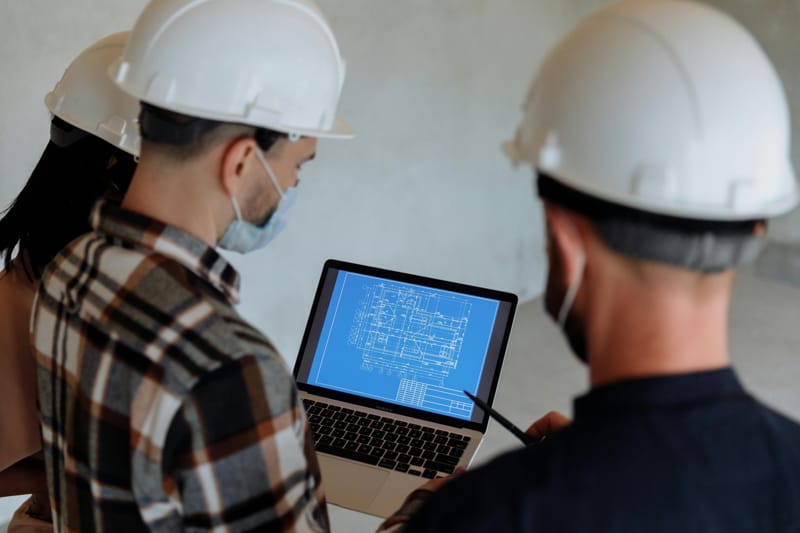
Modern textile mills leverage state-of-the-art technologies to ensure that safety is maintained at every level of production. From advanced machine guarding systems to digital monitoring and data analytics, technology has transformed occupational safety into a proactive, dynamic process.
3.1 Machine Safety and Guarding Systems
One of the most significant technological advances in textile mill safety is the development of comprehensive machine guarding systems. Modern machinery is equipped with physical barriers, interlocks, and emergency stop mechanisms designed to protect workers from moving parts. These systems automatically shut down machines when a safety breach is detected, preventing accidents before they occur.
For instance, many modern looms and spinning machines come with built-in sensors that detect abnormal vibrations or unauthorized access to hazardous areas. When triggered, these sensors initiate an automatic shutdown, alerting operators and reducing the risk of injury. Such innovations have been critical in reducing the number of accidents in high-speed, automated textile production environments.
3.2 Digital Monitoring and Real-Time Analytics
Digital transformation has also played a pivotal role in enhancing occupational safety. Textile mills now use IoT sensors and wearable devices to monitor environmental conditions and worker health in real time. Sensors measure factors such as noise levels, air quality, and machine temperature, providing continuous data that can be used to prevent hazardous conditions.
Real-time analytics platforms integrate data from multiple sources, enabling managers to detect safety issues before they escalate. For example, predictive maintenance systems use data analytics to forecast equipment failures, allowing for timely repairs that prevent accidents. Digital dashboards provide a centralized view of safety metrics, facilitating quick decision-making and ensuring that safety standards are consistently met.
3.3 Automation and Robotics
Robotics and automation further enhance safety by taking over tasks that involve high-risk manual labor. Automated material handling systems, robotic arms for repetitive tasks, and unmanned vehicles reduce the need for human intervention in hazardous areas. These systems not only improve safety but also increase efficiency and precision in production processes.
For example, automated guided vehicles (AGVs) transport heavy loads of raw materials and finished products throughout the mill, reducing the risk of injury from manual lifting. Robotic systems can handle dangerous tasks such as chemical mixing and high-temperature operations, ensuring that workers remain in safe environments. These advances have significantly transformed the safety landscape in modern textile production.
3.4 Ergonomics and Wearable Safety Technology
Ergonomics has emerged as a critical component of occupational safety. Modern textile mills invest in ergonomic workstations, adjustable seating, and anti-fatigue mats to minimize the risk of musculoskeletal disorders. Additionally, wearable safety technology, such as smart helmets and vests equipped with sensors, monitors workers’ physiological conditions and environmental hazards. This wearable technology alerts workers to potential dangers and provides real-time data to safety managers.
The integration of these technological innovations has transformed occupational safety from a reactive process to a proactive, data-driven strategy. By leveraging advanced machinery, digital monitoring, automation, and ergonomic design, textile mills can create safer work environments that protect employees and drive operational efficiency.
4. Source and Availability: Regulatory Frameworks and Global Standards
Global occupational safety in textile mills is governed by a complex network of regulations and standards. These frameworks are developed by international bodies, national agencies, and industry associations, ensuring that safety practices remain consistent and effective across borders.
4.1 International Safety Standards
International organizations such as the International Labour Organization (ILO) and the World Health Organization (WHO) establish guidelines that form the basis of global occupational safety standards. These guidelines address various aspects of workplace safety, including machinery operation, chemical handling, and emergency procedures. The ILO’s conventions and recommendations provide a foundation for national legislation and are instrumental in shaping policies worldwide.
Standards such as ISO 45001, which specifies requirements for an occupational health and safety (OH&S) management system, have been widely adopted by textile manufacturers. These standards ensure that companies implement systematic processes to identify, manage, and reduce risks in the workplace.
4.2 National Regulations and Regional Frameworks
In addition to international standards, many countries have their own regulations tailored to their industrial environments. For example, the Occupational Safety and Health Administration (OSHA) in the United States enforces rigorous safety standards in textile mills. In Europe, directives from the European Agency for Safety and Health at Work (EU-OSHA) set specific requirements for machine safety, chemical exposure, and worker ergonomics.
These regulations are often complemented by industry-specific guidelines developed by trade associations and certification bodies. They cover aspects such as machine guarding, fire safety, chemical storage, and emergency preparedness. Manufacturers must navigate these multi-layered regulatory environments to ensure compliance and avoid penalties.
4.3 Availability of Safety Resources and Training
Access to up-to-date regulatory information is critical for maintaining compliance in textile mills. Government websites, industry publications, and technical manuals provide comprehensive resources on occupational safety standards. Training programs and certification courses are available through organizations like the National Safety Council and various textile industry associations, ensuring that workers and managers are well-versed in safety protocols.
Digital platforms and e-learning portals, such as those offered by TextileSchool.com, provide interactive training modules, webinars, and case studies on occupational safety. These resources help organizations implement best practices and keep pace with evolving standards.
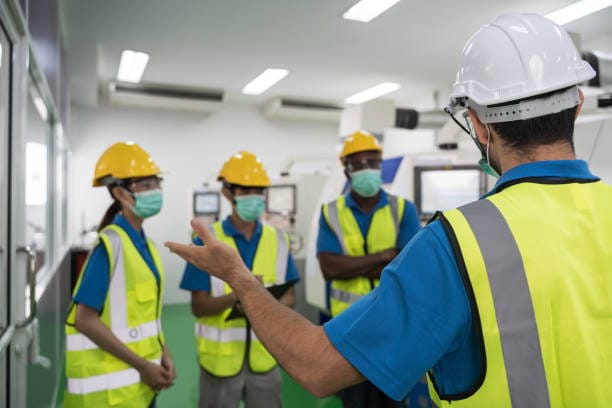
The regulatory framework governing occupational safety in textile mills is robust and continuously evolving. Global standards, national regulations, and industry-specific guidelines work in tandem to create a safer working environment, protecting workers and ensuring sustainable production practices.
5. Innovations in Occupational Safety for Textile Mills
Innovation in occupational safety has transformed how textile mills protect their workers. Recent advances in technology, management practices, and process automation have led to significant improvements in safety standards and practices.
5.1 Digital Safety Management Systems
Digital safety management systems have revolutionized workplace safety by providing real-time monitoring and data analytics. These systems integrate information from IoT sensors, wearable devices, and machine control systems to create a comprehensive safety overview. Digital dashboards display key safety metrics such as air quality, noise levels, and machine performance, enabling managers to identify potential hazards quickly.
Advanced software solutions also facilitate incident reporting and analysis. Data-driven insights help identify trends, predict potential risks, and inform preventive measures. Such systems have proven essential in reducing accidents and improving overall safety performance in textile mills.
5.2 Automation and Robotics in Hazard Mitigation
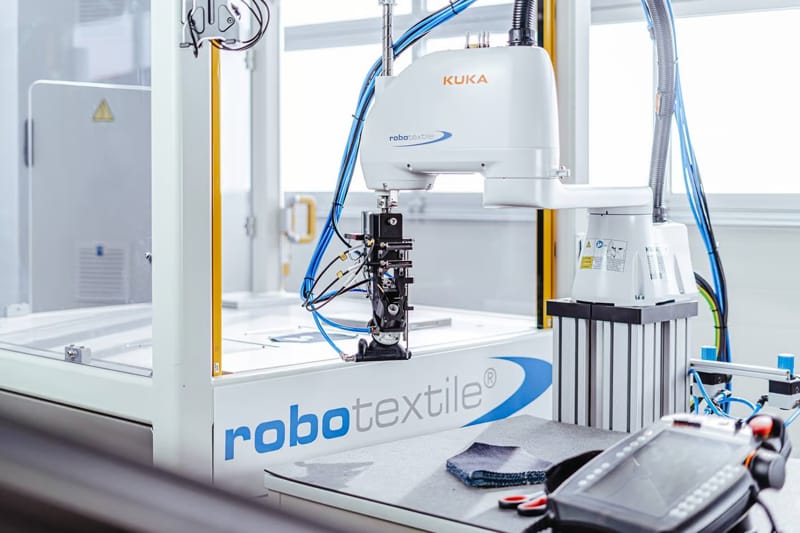
The integration of robotics and automation in textile mills has significantly enhanced occupational safety. Automated material handling systems, robotic arms, and unmanned vehicles reduce the need for workers to perform dangerous tasks. These systems minimize human exposure to hazardous environments, such as areas with high-speed machinery or toxic chemicals.
For example, automated guided vehicles (AGVs) transport heavy loads and raw materials, reducing the risk of injuries from manual lifting. Robotic systems can also handle the mixing of chemicals used in textile processing, ensuring that workers remain at a safe distance from potentially harmful substances.
5.3 Ergonomics and Wearable Technologies
Ergonomics has become a major focus in modern textile mills. Innovations in workstation design, adjustable seating, and anti-fatigue flooring contribute to reducing musculoskeletal disorders and enhancing overall worker comfort. Additionally, wearable technologies—such as smart helmets, vests, and wristbands equipped with sensors—monitor workers’ health and environmental conditions. These devices provide immediate alerts if unsafe conditions are detected, empowering workers to take preventive action.
Wearable safety technologies also facilitate data collection for continuous improvement. By analyzing ergonomic data, companies can redesign work processes and tools to minimize physical strain. This proactive approach not only enhances safety but also boosts productivity and worker satisfaction.
5.4 Virtual Reality (VR) and Simulation Training
Training plays a crucial role in occupational safety. Virtual reality (VR) and simulation technologies offer immersive training experiences that allow workers to practice safety procedures in a risk-free environment. These simulations help employees understand emergency protocols, machine operation, and hazard response without exposing them to actual danger.
Case studies have shown that VR training improves retention and engagement compared to traditional classroom methods. As textile mills adopt these technologies, safety training becomes more interactive and effective, contributing to a safer workplace.
Innovations in occupational safety are reshaping the textile industry by making workplaces safer, more efficient, and more responsive to emerging challenges. These technological advances not only protect workers but also contribute to the overall productivity and sustainability of textile mills.
6. Production Process and Safety Integration in Textile Mills
Ensuring occupational safety is an integral part of the textile production process. From raw material handling to finishing operations, every stage in a textile mill is subject to stringent safety protocols. The integration of safety measures into the production process not only protects workers but also ensures consistent product quality and operational efficiency.
6.1 Safe Material Handling
Textile mills process large volumes of raw materials, which can pose significant safety risks if not handled properly. Safety protocols for material handling include the use of mechanical aids, such as forklifts and conveyor systems, and the implementation of ergonomic practices to minimize manual lifting. Proper storage of chemicals and raw materials is also critical, requiring well-ventilated areas and secure containment to prevent spills and accidental exposure.
6.2 Machinery Safety and Maintenance
Modern textile machinery is designed with safety features that protect operators from moving parts, high temperatures, and electrical hazards. Regular maintenance and inspection are essential to ensure that these safety features function correctly. Preventive maintenance programs, supported by digital monitoring systems, help identify potential issues before they escalate into accidents.
Machine guarding, emergency stop mechanisms, and interlock systems are standard in contemporary textile mills. These features automatically shut down equipment when unsafe conditions are detected, reducing the risk of injury. Routine safety audits and staff training reinforce these practices and ensure that all equipment complies with global safety standards.
6.3 Chemical Safety and Environmental Controls
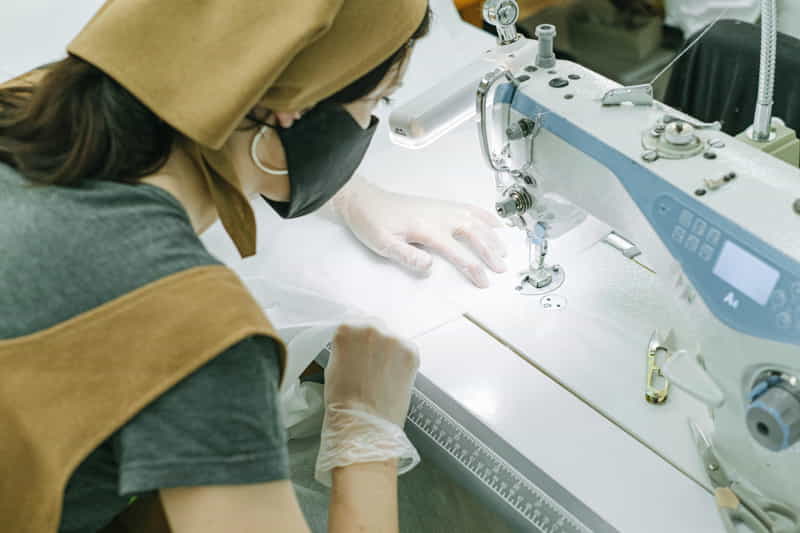
Textile processing often involves hazardous chemicals used in dyeing, printing, and finishing. Implementing strict chemical safety protocols is crucial. These include proper labeling, safe storage practices, and the use of personal protective equipment (PPE) such as gloves, masks, and eye protection. Ventilation systems and chemical fume hoods reduce the concentration of harmful substances in the work environment, safeguarding workers’ health.
Digital systems now monitor environmental parameters, such as air quality and chemical exposure levels, ensuring that they remain within safe limits. Integration of these systems into the overall production process creates a controlled environment that minimizes risks and supports regulatory compliance.
Table: Key Safety Measures in Textile Production
| Production Stage | Safety Measure | Objective |
|---|---|---|
| Material Handling | Mechanical aids, proper storage, PPE | Prevent injuries, chemical exposure, and material damage |
| Machinery Operation | Machine guarding, emergency stops, regular maintenance | Protect operators from moving parts and electrical hazards |
| Chemical Processing | Ventilation, fume hoods, proper labeling | Ensure safe handling of hazardous chemicals and reduce exposure |
| Quality & Environment Monitoring | Digital sensors and environmental control systems | Monitor and maintain safe work conditions |
Integrating safety into the production process is essential for the smooth operation of textile mills. It fosters a culture of safety, reduces downtime due to accidents, and ultimately enhances productivity and quality. A proactive approach to safety ensures that textile production is not only efficient but also sustainable and worker-friendly.
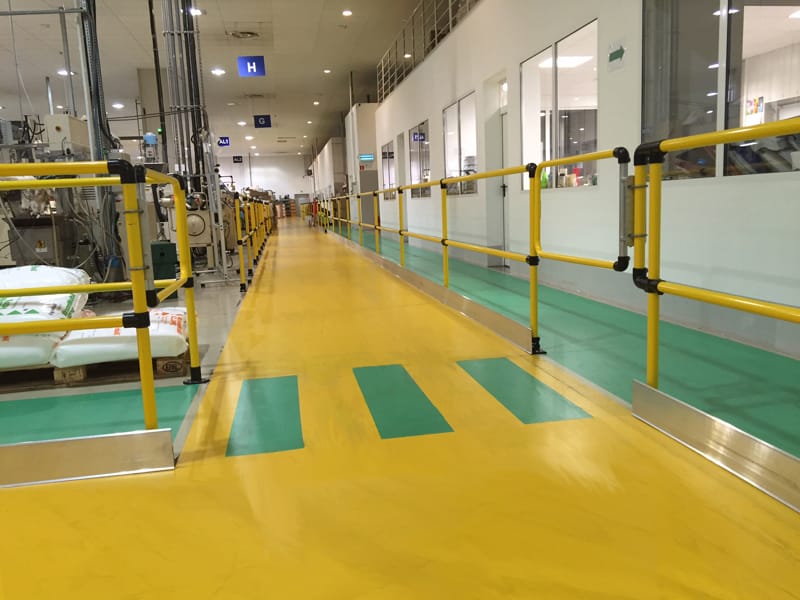
7. Challenges in Implementing Global Occupational Safety Standards
Despite significant progress, textile mills face numerous challenges in implementing and maintaining global occupational safety standards. These challenges span technological, economic, regulatory, and human factors.
7.1 Technological Challenges
The rapid pace of technological change means that safety systems must continuously evolve. Upgrading legacy equipment with modern safety features can be costly and complex. Integrating digital monitoring systems with older machinery often requires custom solutions and significant investment. Moreover, ensuring that automated systems perform reliably under variable conditions remains a persistent challenge.
7.2 Regulatory and Compliance Issues
Global textile mills operate in diverse regulatory environments. Compliance with international, national, and local safety standards can be complicated, especially for companies operating in multiple regions. Inconsistent standards and frequent regulatory updates create additional administrative burdens. Companies must invest in continuous training and robust compliance programs to ensure that all safety measures remain up-to-date.
7.3 Economic Constraints
Implementing state-of-the-art safety systems often requires substantial financial resources. Small and medium-sized enterprises (SMEs) may struggle to allocate the necessary funds, which can lead to disparities in safety levels across the industry. Balancing the need for investment in safety with the pressures of competitive pricing and production efficiency is a critical challenge for many textile mills.
7.4 Human Factors and Cultural Resistance
Even with advanced technology and stringent regulations, human factors remain a significant challenge. Resistance to change, lack of proper training, and inadequate safety culture can undermine even the best safety systems. Engaging workers, fostering a culture of safety, and providing continuous education are essential for overcoming these obstacles. Effective communication and participatory approaches can help mitigate resistance and encourage proactive safety behavior.
Table: Challenges in Occupational Safety and Mitigation Strategies
| Challenge | Impact | Mitigation Strategy |
|---|---|---|
| Technological Upgrades | High costs, integration issues | Phased upgrades, government grants, and R&D collaboration |
| Regulatory Compliance | Administrative burden, inconsistency in standards | Continuous training, dedicated compliance teams, global partnerships |
| Economic Constraints | Unequal safety implementation, financial strain | Subsidies for SMEs, collective bargaining, industry-wide initiatives |
| Human Factors & Cultural Resistance | Low adoption of safety practices, higher risk | Worker engagement, comprehensive training programs, safety incentives |
Addressing these challenges requires a multifaceted approach that combines technological innovation, regulatory support, and a strong safety culture. Overcoming these hurdles is critical for ensuring that textile mills worldwide provide safe and healthy working environments.
8. Real-World Applications and Case Studies
Real-world examples provide valuable insights into how global occupational safety standards are implemented in textile mills. These case studies illustrate successful strategies and highlight the tangible benefits of robust safety systems.
8.1 Case Study: Digital Safety Transformation in a Textile Mill
A textile mill in South Asia undertook a comprehensive digital safety transformation to upgrade its outdated safety protocols. The mill installed IoT sensors across production lines to monitor machine performance, air quality, and noise levels. A centralized digital safety management system was implemented, allowing real-time monitoring and predictive maintenance. As a result, the mill reported a 40% reduction in workplace accidents and a significant improvement in overall production efficiency. Workers received regular training on the new systems, fostering a culture of safety and accountability. This case study demonstrates how digital integration can revolutionize occupational safety, reducing risk while enhancing productivity.
8.2 Case Study: Sustainable Safety Practices in European Textile Mills
A European textile manufacturer embraced sustainable safety practices by integrating eco-friendly materials and modern safety systems. The company upgraded its machinery with advanced guarding systems and implemented stringent chemical safety protocols in its dyeing and finishing units. In addition, the manufacturer invested in ergonomic improvements and digital safety training for its workforce. The result was a dramatic reduction in chemical spills and ergonomic injuries, leading to improved worker morale and lower healthcare costs. This case underscores the importance of combining sustainable practices with modern safety technologies to create a safe and environmentally responsible workplace.
8.3 Case Study: Global Compliance and Cross-Border Trade
An international textile conglomerate operating mills in multiple countries faced challenges related to diverse regulatory standards. The company established a centralized compliance system that harmonized safety practices across all locations. By standardizing safety protocols and investing in global training programs, the conglomerate ensured that every mill met or exceeded international occupational safety standards. This approach not only improved worker safety but also facilitated smoother international trade by ensuring consistent product quality and regulatory compliance. The company’s success in achieving global harmonization illustrates the benefits of coordinated safety management in a multinational operation.

These real-world applications demonstrate that effective implementation of global occupational safety standards can yield significant benefits, including reduced accidents, increased productivity, improved worker satisfaction, and enhanced market competitiveness.
9. End-Users and Stakeholders: Who Benefits from Textile Mill Safety
Occupational safety in textile mills impacts a diverse array of stakeholders, each of whom plays a crucial role in fostering a safe working environment.
9.1 Manufacturers and Plant Managers
Manufacturers and plant managers are at the forefront of implementing safety standards. They invest in safety equipment, training, and digital monitoring systems to protect their workforce. Improved safety leads to higher productivity, reduced downtime, and lower costs associated with workplace injuries. For managers, robust safety protocols also contribute to better regulatory compliance and a stronger corporate reputation.
9.2 Workers and Labor Unions
Textile workers, the backbone of the industry, directly benefit from improved safety standards. Enhanced protective measures reduce the risk of accidents, exposure to hazardous chemicals, and long-term health issues. Labor unions play a critical role in advocating for safer working conditions and ensuring that safety standards are upheld. Workers who feel safe are more likely to be productive and engaged, which in turn supports overall mill performance.
9.3 Industry Regulators and Certifying Bodies
Regulatory agencies and certifying bodies use safety standards to enforce compliance and protect public health. They conduct inspections, certify mills, and provide guidance on best practices. These organizations help maintain a level playing field in the industry and ensure that textile mills adhere to international safety norms. Their work underpins consumer confidence and supports global trade by ensuring consistent safety standards.
9.4 End Consumers and Global Markets
Consumers ultimately benefit from improved occupational safety as it contributes to the overall quality and reliability of textile products. Products made in safe, regulated environments often meet higher quality standards and are produced ethically. Global markets and international trade are bolstered by the assurance that textile mills operate under stringent safety protocols, which helps in building trust and facilitating commerce across borders.
Table: Key Stakeholders in Textile Mill Safety and Their Benefits
| Stakeholder | Role/Impact | Benefits |
|---|---|---|
| Manufacturers/Plant Managers | Implement safety systems, manage compliance | Increased productivity, reduced downtime, cost savings |
| Workers/Labor Unions | Advocate for and benefit from safe working conditions | Improved health, higher morale, reduced injury rates |
| Regulators/Certifiers | Enforce safety standards, conduct inspections | Consumer protection, fair competition, market integrity |
| End Consumers/Global Markets | Purchase high-quality, ethically produced textiles | Better product quality, ethical assurance, trust in brand |
The collaborative efforts of these stakeholders create a safer, more productive environment that benefits the entire textile industry. A robust safety culture leads to improved operational performance, economic stability, and enhanced global trade.
10. Market Trends, Economic Impact, and Global Trade Dynamics
Global occupational safety standards in textile mills significantly influence market trends and the overall economic performance of the textile industry. As safety becomes a key differentiator, companies that invest in advanced safety practices gain a competitive edge in international markets.
10.1 Market Trends
Modern consumers and business partners increasingly demand transparency and accountability in production practices. Textile mills that adhere to high safety standards are better positioned to meet these expectations. The trend toward sustainability and ethical manufacturing has spurred investments in advanced safety technologies and training programs. Digital safety management and IoT-driven monitoring systems are becoming standard across leading textile mills. This shift is driving market growth as companies with robust safety practices often command premium prices and enjoy enhanced brand loyalty.
10.2 Economic Impact
Investing in occupational safety yields significant economic benefits. Reduced accident rates translate to lower insurance premiums, fewer legal liabilities, and decreased downtime. In turn, these improvements lead to higher production efficiency and cost savings. A safe working environment also boosts worker morale and productivity, contributing to overall economic performance. Studies show that companies that prioritize safety tend to outperform their peers in profitability and market share, demonstrating the economic value of investing in safety infrastructure.
10.3 Global Trade Dynamics
Global trade in textiles is deeply influenced by occupational safety standards. International buyers and regulatory bodies demand that textile mills meet stringent safety criteria. Compliance with global standards not only facilitates smoother customs clearance but also opens up new markets. International trade agreements and harmonized safety standards help streamline cross-border transactions, ensuring that textile products are produced in safe, regulated environments. This global alignment supports fair competition and builds consumer trust in textile products.

The convergence of market trends, economic impact, and global trade dynamics underscores the strategic importance of occupational safety in textile mills. Companies that embrace advanced safety practices benefit from enhanced operational efficiency, reduced costs, and improved market access, all of which contribute to long-term industry growth.
11. Future Trends and Emerging Opportunities
The future of occupational safety in textile mills promises further innovation and improvement, driven by advances in technology, sustainability, and global collaboration.
11.1 Digital Transformation and Smart Safety Systems
The integration of digital technology into occupational safety systems will continue to evolve. Future safety systems will feature more sophisticated IoT sensors, AI-driven predictive analytics, and real-time monitoring platforms. Digital twin technology may enable virtual simulations of safety scenarios, allowing managers to preemptively address potential hazards. The seamless integration of these technologies will enhance responsiveness and reduce the risk of accidents, paving the way for a new era of smart safety management.
11.2 Sustainable Safety Practices
Sustainability remains a key focus in modern manufacturing. Future occupational safety initiatives will align with broader sustainability goals, incorporating energy-efficient machinery, eco-friendly materials, and waste reduction practices. The development of green safety technologies—such as biodegradable personal protective equipment (PPE) and low-emission ventilation systems—will support both environmental and occupational health objectives. As regulatory pressures mount, sustainable safety practices will become integral to global textile operations.
11.3 Customization and Modular Safety Solutions
The future will see an increased demand for customizable safety solutions tailored to specific operational needs. Modular safety systems that can be easily adapted or upgraded will allow textile mills to address unique challenges while maintaining compliance with international standards. This flexibility will be particularly beneficial for SMEs and diverse production environments. Customized training programs and digital tools that adapt to real-time conditions will further enhance the effectiveness of safety protocols.
11.4 Global Collaboration and Standard Harmonization
Global collaboration will continue to drive the evolution of occupational safety standards. International organizations, industry associations, and regulatory bodies are working to harmonize safety protocols across borders. This standardization will simplify compliance for multinational textile companies and facilitate smoother international trade. Emerging global safety certifications will become more rigorous, ensuring that textile mills worldwide adhere to the highest safety standards.
The future of global occupational safety in textile mills is bright, with innovations poised to enhance protection, efficiency, and sustainability. As technological advances and global collaboration accelerate, textile mills will benefit from safer, more efficient working environments that support long-term industry growth.
12. Summary and Conclusion
Global occupational safety standards in textile mills are essential for protecting workers, enhancing productivity, and ensuring sustainable industrial practices. This comprehensive article has explored the evolution of safety standards—from early industrial challenges and the emergence of regulatory frameworks to modern technological innovations and future trends. We examined the historical context that spurred the development of safety measures, the technological advancements that have transformed textile mills, and the real-world applications that demonstrate the tangible benefits of robust safety protocols.
Key points include:
- Introduction: Occupational safety in textile mills is vital for protecting workers, ensuring compliance, and enhancing productivity.
- History: The evolution of safety standards reflects the industry’s journey from hazardous early factories to modern, regulated environments.
- Technological Evolution: Digital tools, automation, and smart safety systems have revolutionized textile mill safety.
- Source and Availability: Global regulatory frameworks, international standards, and extensive training programs ensure that safety practices remain effective.
- Innovations: Breakthroughs in digital monitoring, robotics, and sustainable safety practices drive continuous improvements.
- Production Process: Safety measures integrated into every stage of production—from raw material handling to finishing—ensure a secure and efficient work environment.
- Challenges: Technological, regulatory, economic, and human factors pose ongoing challenges that require proactive strategies.
- Real-World Applications: Case studies from diverse regions demonstrate how advanced safety systems improve worker protection and production outcomes.
- End-Users and Market: Manufacturers, workers, regulators, and consumers all benefit from robust safety standards, which foster trust and support global trade.
- Future Trends: Digital transformation, sustainable practices, customizable safety solutions, and global standardization will shape the future of textile mill safety.
In conclusion, global occupational safety standards are the cornerstone of a responsible, efficient, and sustainable textile industry. By embracing technological innovations and fostering a culture of safety, textile mills can protect their most valuable asset—their workforce—while driving operational excellence and market competitiveness. The continuous evolution of safety standards promises a future where every textile mill operates in a secure, healthy, and environmentally responsible manner.