

Types of Machine Embroidery
Special effects with embroidery can be obtained with yarn combinations, colour changes, special attachments and settings of tension to accomplish different stitching effects
Article
Pretreatment, dyeing auxiliaries interface, mechanical and chemical finishes for handle, shrinkage, and fastness. Energy, water, and effluent optimization are emphasized. This section explains practical decision criteria, typical test methods, and failure modes that matter in real production. Readers get checklists, calculation steps, and case examples connecting specifications to cost, reliability, and compliance. Links map core concepts to upstream inputs and downstream processes so choices remain consistent across sourcing, manufacturing, and end-use performance. Each article includes definitions, diagrams where helpful, and plain-language notes to help newcomers ramp quickly while giving experienced professionals the depth needed to troubleshoot and optimize. Standards references are cited with context, and whenever trade-offs exist, we make them explicit so you can defend decisions.
Special effects with embroidery can be obtained with yarn combinations, colour changes, special attachments and settings of tension to accomplish different stitching effects
Article
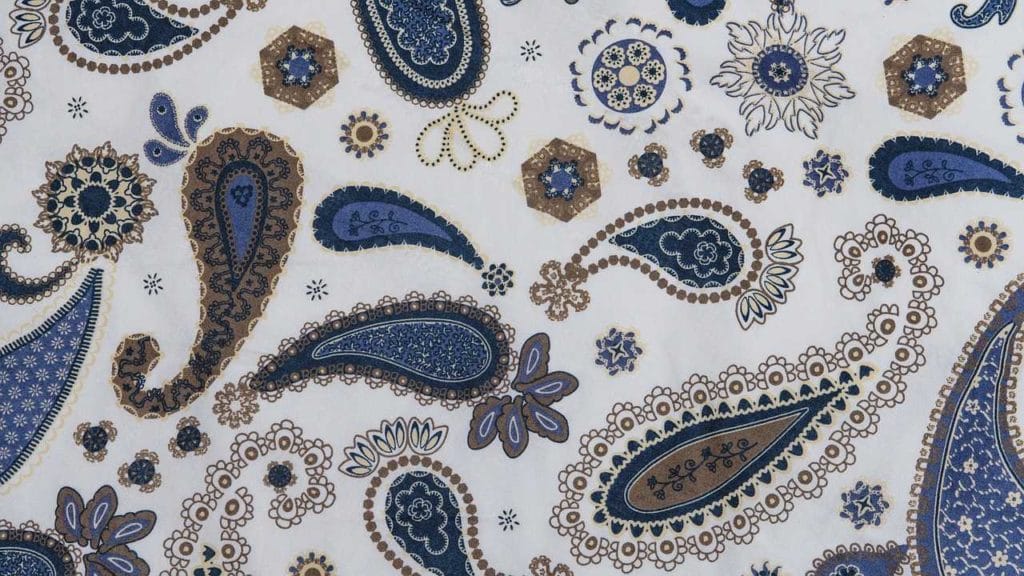
Many kind fabrics and its combinations can be used as the base cloth for machine embroidery such as Cambric, Calico, Chiffon, Damask, Jersey, Linen, Net, Non-woven, Organza, Satin, Silk, Tulle, Voile.
Article
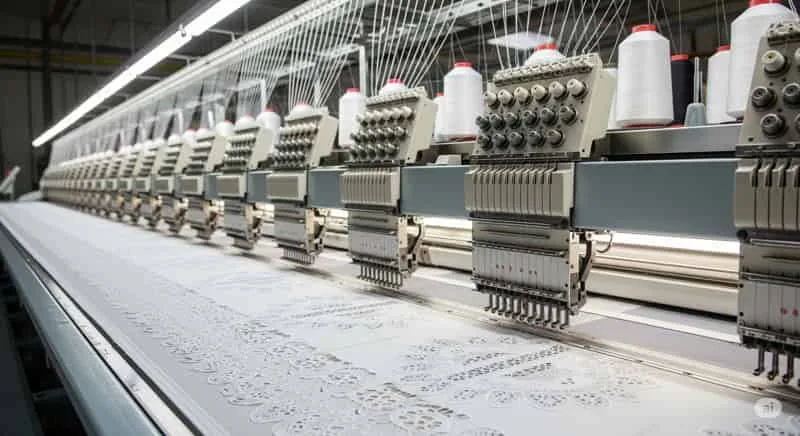
Designing and pattern making in Machine Embroidery manufacturing are the processes of making the blueprint of the actual embroidery product.
Article
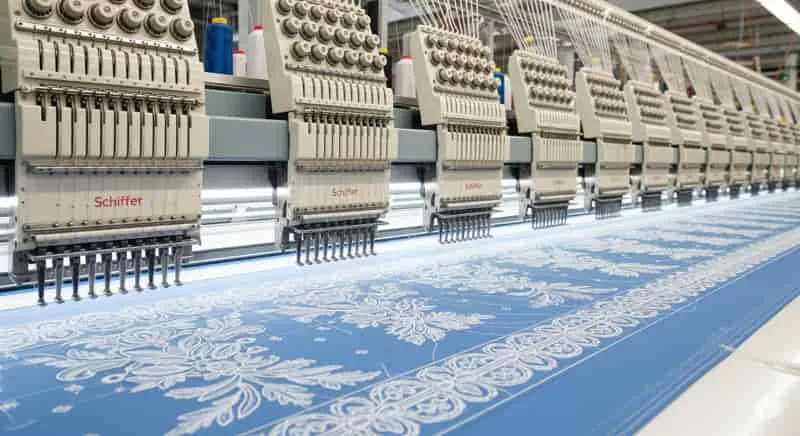
Schiffli Machine embroiders with a front thread and bobbin thread which form together a lock stitch, similar to that of a sewing machine.
Article

This extensive article delves into the machine embroidery production process, covering every stage from design and digitizing to machine setup, production, quality control, and finishing. It highlights digital innovations, sustainable practices, and real-world case studies, providing industry professionals and enthusiasts with actionable insights to enhance efficiency and quality.
Our detailed analysis of machine embroidery production outlines the entire process, emphasizing digital integration, precision setup, and sustainable techniques. From design preparation and digitizing to real-time quality control and finishing, the article demonstrates how advanced technology and eco-friendly practices drive innovation in the textile industry. Embracing these trends will lead to improved production efficiency, reduced waste, and a brighter future for machine embroidery.
Article

Textile Finishing is any operation (other than preparation and colouring) that improves the appearance and/or usefulness of fabric after it leaves the loom or knitting machine. Finishing is the final series of operations that produces finished textile fabric from grey goods. Textile finishing usually includes treatments such as scouring, bleaching, dyeing and/or printing, the final mechanical or chemical finishing operations etc.
Article

One method of decorating fabric is screen printing, in this, a pattern is painted onto a fine silk screen with resist emulsion. The core of the screen print process involves a fine mesh, or screen, which is stretched very tightly around an unyielding frame. Any area that is not to be printed, will be masked out on this screen or mesh. To create the print, the framed screen is positioned over the item to be printed along with a splodge of thick ink. The ink is pressed through the screen.
Article
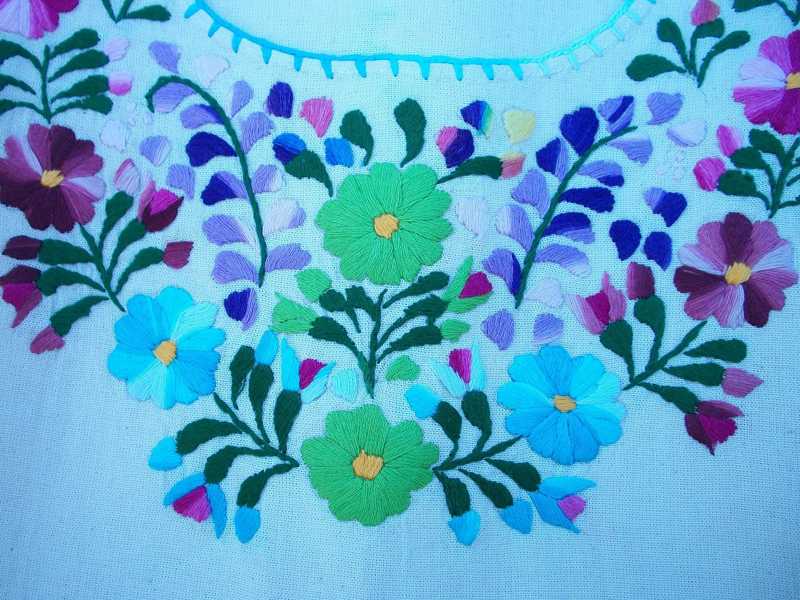
Embroidery is a Thread Art of a sewn decorative work of fabric in which artwork, designs, emblems, logo, letters etc are created. A well-digitized design made up of a solid framework of stitches forming its outer edge, fill, satin stitches, and underlay stitches. The design should have a well-planned sewing sequence, with few jump stitches, from one area to another, so there is less thread-trimming to do. And it should be paired with a suitable fabric that displays it to its best advantage.
Article
Evaluates a continuous washing range as the counter-current cascade it is: computes the wash ratio, the impurity left on the cloth after a given number of boxes at a stated stage efficiency, the same water spent as independent baths for comparison, the boxes a target actually needs and the least water the boxes already built could run on.
Calculator
Estimates cradle-to-gate carbon for one finished garment across five stages – fibre, spinning, fabric formation, wet processing and garment make – and returns a range rather than a single figure, widened by the evidence grade you hold for each stage.
Calculator
Every record in these registers was sent in by somebody. Submissions are reviewed before they are published.
1,484 machines in the register.Tell us about a missing one 306 event series in the register.Submit a trade fair or conference 3,038 standards tracked in the register.Get the changes by email each week