Embroidery Finishing Methods
Almost every embroidered goods have to undergo at least one or more finishing processes before being ready for sale because stitching errors or other errors have to be eliminated.
Article
Pretreatment, dyeing auxiliaries interface, mechanical and chemical finishes for handle, shrinkage, and fastness. Energy, water, and effluent optimization are emphasized. This section explains practical decision criteria, typical test methods, and failure modes that matter in real production. Readers get checklists, calculation steps, and case examples connecting specifications to cost, reliability, and compliance. Links map core concepts to upstream inputs and downstream processes so choices remain consistent across sourcing, manufacturing, and end-use performance. Each article includes definitions, diagrams where helpful, and plain-language notes to help newcomers ramp quickly while giving experienced professionals the depth needed to troubleshoot and optimize. Standards references are cited with context, and whenever trade-offs exist, we make them explicit so you can defend decisions.
Almost every embroidered goods have to undergo at least one or more finishing processes before being ready for sale because stitching errors or other errors have to be eliminated.
Article
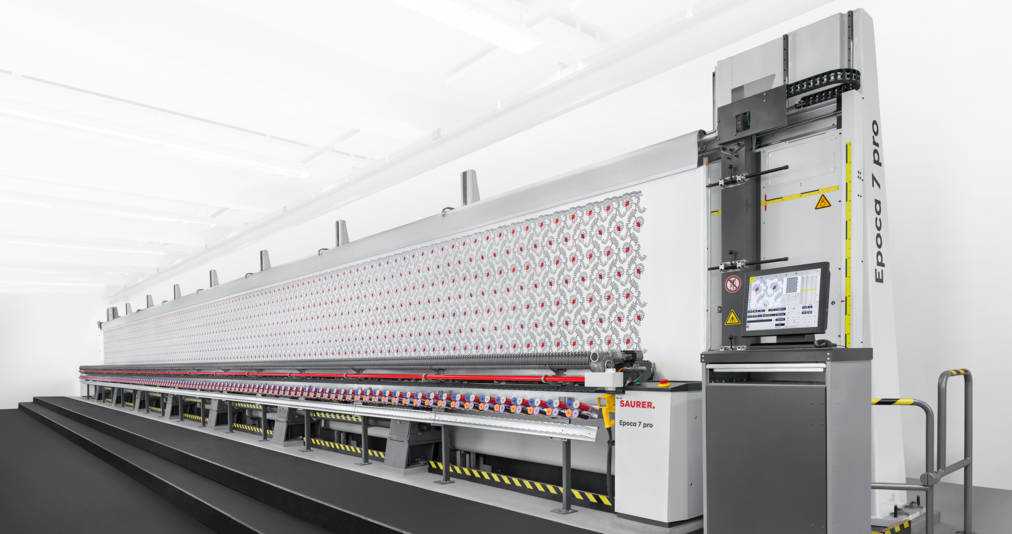
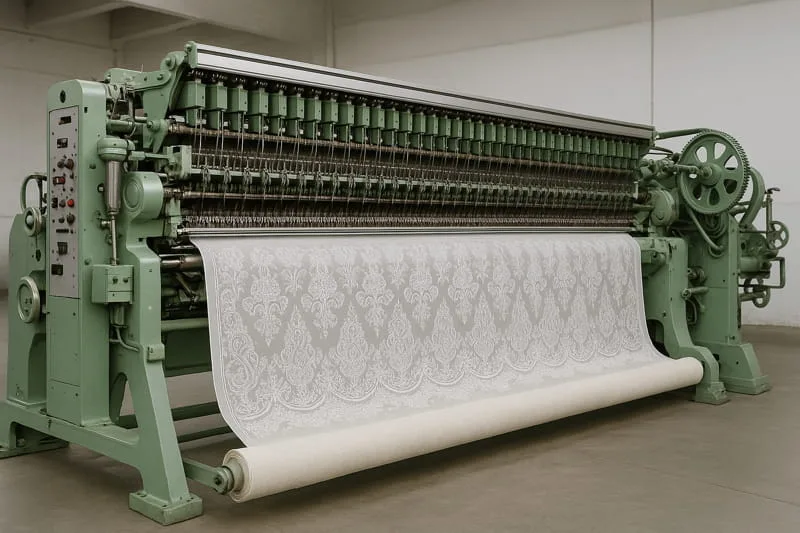
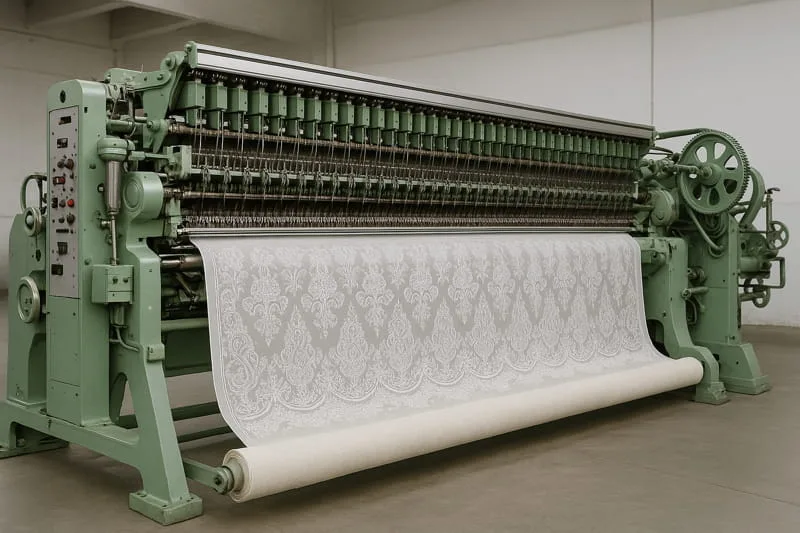
The Schiffli embroidery machine, renowned for its intricate patterns, requires careful handling when removing fabric to avoid damaging the design or equipment. This guide outlines a systematic process, beginning with powering down the machine and inspecting the embroidery, followed by releasing tension and carefully removing the fabric from the frame. Additional steps include removing stabilizers, trimming loose threads, and cleaning the machine to ensure its longevity. By adhering to these steps and precautions, such as handling delicate fabrics gently and consulting machine-specific guidelines, users can maintain the quality of their embroidery and the machine’s performance.
Article
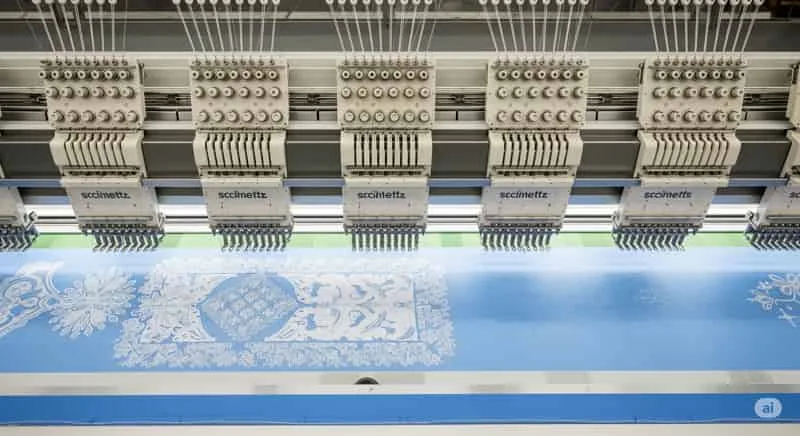
The process of passing the fabric through the embroidery machine and fixing it on the length and side tension bars is called putting the fabric
Article
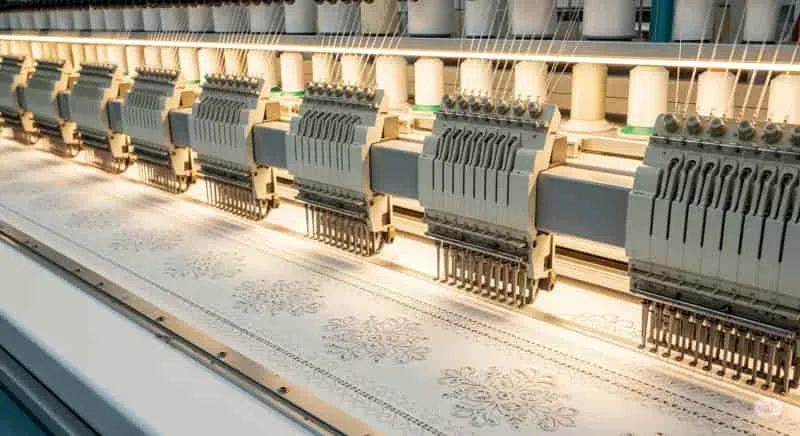
High speed embroidery machines and ATC machines require maximum accuracy when threading up and putting the spools
Article

Container which holds bobbins are called shuttles or Schiffli by the embroidery industry. Shuttles are available in steel or plastics.
Article
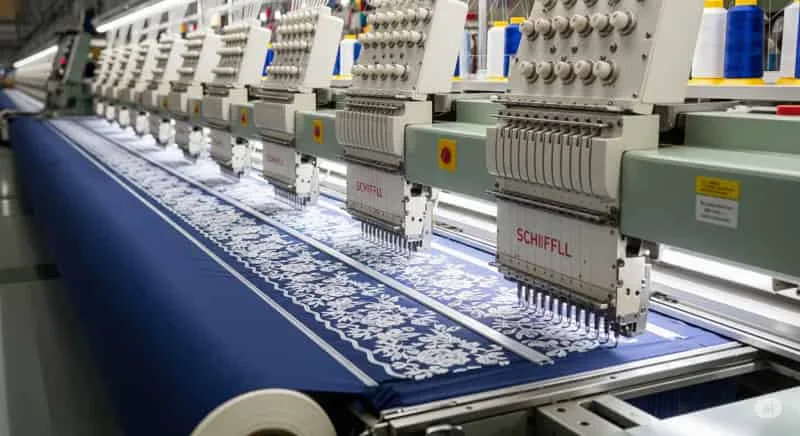
The bobbin is the back thread in embroidery used in the shuttle to form the lock stitch.
Article
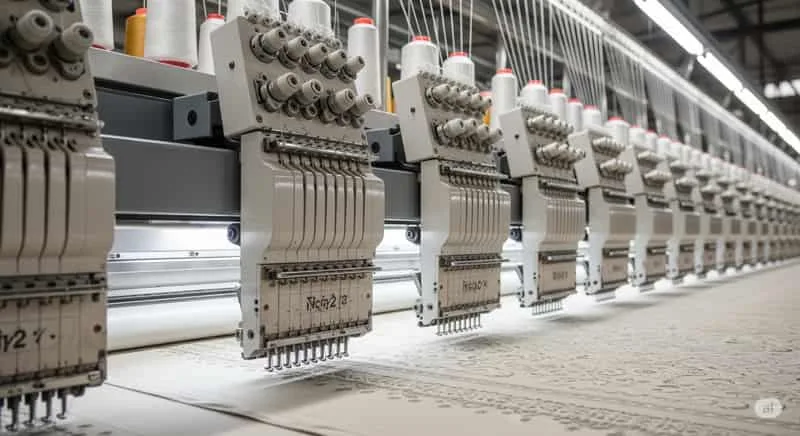
Boring effects are made by a special device (borers) on the Schiffli machine which is used to puncture the spanned fabric as required, to form holes in the fabric
Article
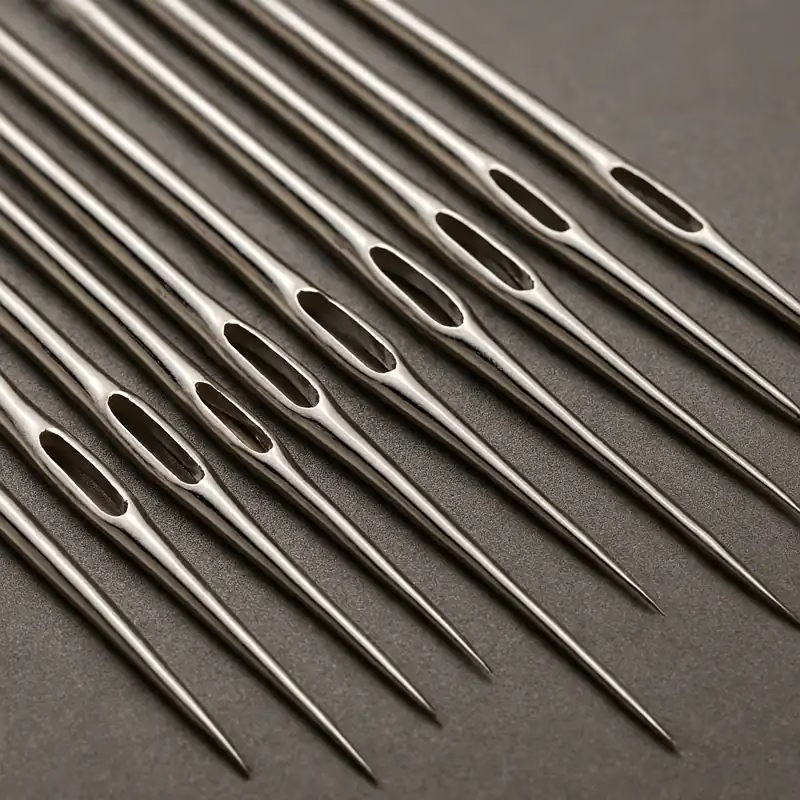
The selection of needles by class, variety and size for a certain material is necessary to eliminate thread breakage, needle breakage, skipped stitches and fraying of the thread.
Article
Every record in these registers was sent in by somebody. Submissions are reviewed before they are published.
1,496 machines in the register.Tell us about a missing one 306 event series in the register.Submit a trade fair or conference 3,038 standards tracked in the register.Get the changes by email each week