Finishing

Pretreatment, dyeing auxiliaries interface, mechanical and chemical finishes for handle, shrinkage, and fastness. Energy, water, and effluent optimization are emphasized. This section explains practical decision criteria, typical test methods, and failure modes that matter in real production. Readers get checklists, calculation steps, and case examples connecting specifications to cost, reliability, and compliance. Links map core concepts to upstream inputs and downstream processes so choices remain consistent across sourcing, manufacturing, and end-use performance. Each article includes definitions, diagrams where helpful, and plain-language notes to help newcomers ramp quickly while giving experienced professionals the depth needed to troubleshoot and optimize. Standards references are cited with context, and whenever trade-offs exist, we make them explicit so you can defend decisions.


Best Practices for Washing Hand-Embroidered Textiles

Best Practices for Washing Hand-Embroidered Textiles

This article provides a comprehensive guide to washing hand-embroidered textiles, focusing on eco-friendly methods to preserve intricate designs and delicate fibers. It offers step-by-step instructions for assessing textiles, choosing pH-neutral detergents, pre-treating stains, hand-washing, air-drying, and storing, supported by practical examples and product recommendations. Designed for homemakers, textile enthusiasts, and eco-conscious individuals, this resource ensures long-lasting embroidered textiles while aligning with sustainable care standards.

Read more »

Article

embroidery chemical lace1

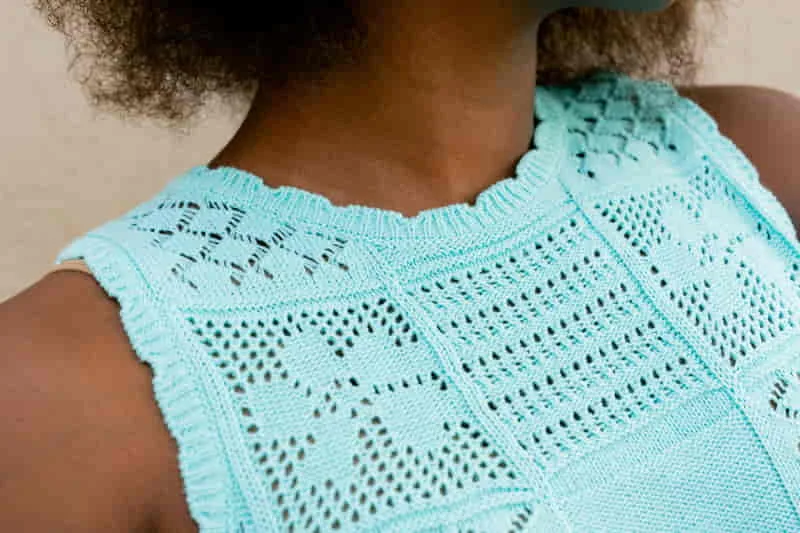
Comprehensive Guide to the Chemical Embroidery Fabric Manufacturing Process

Chemical embroidery fabric, or chemical lace, is a versatile textile renowned for its delicate, three-dimensional patterns, created by embroidering designs onto a water-soluble nonwoven base that is later dissolved. This intricate process, blending traditional artistry with modern technology, involves design digitization, material selection, computerized embroidery, base dissolution, and finishing. Used extensively in fashion, accessories, and home decor, chemical embroidery fabric offers unmatched aesthetic appeal. However, environmental concerns, such as wastewater management, highlight the need for sustainable practices to ensure the process’s long-term viability.

Read more »

Article

dyeing and finishing calculations

Dyeing and Finishing Calculations for Textile Manufacturing

This article provides a comprehensive guide to dyeing and finishing calculations, crucial for achieving consistent color, texture, and performance in textile manufacturing. It includes formulas for dye uptake, liquor ratio, chemical consumption, finishing agent application, and color difference, supported by derivations and practical examples. Designed for textile engineers, dye house managers, and quality control professionals, this resource aids in optimizing dyeing and finishing processes for quality and efficiency.

Read more »

Article

3d printing

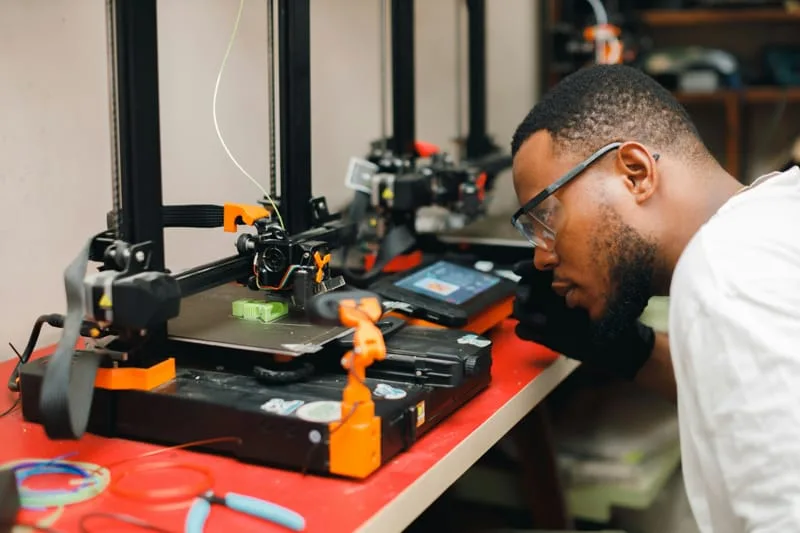
The Rise of 3D-Printed Fabrics: Future of Textile Design in 2025

3D and 4D printing technologies are poised to transform the textile industry, offering innovative solutions for sustainable and customized fabric production. These advancements enable the creation of complex, waste-efficient textiles, with applications spanning fashion, sportswear, and healthcare. Innovations like Mitsubishi’s Diaplex® shape-changing membranes and ChroMorphous color-shifting fabrics highlight the potential for dynamic, functional designs. Despite challenges in scalability and material comfort, the integration of Industry 5.0 principles, emphasizing AI and human-centric design, suggests a future where 3D-printed fabrics redefine textile manufacturing with enhanced sustainability and creativity.

Read more »

Article

Scroll to Top