
Sustainable Textile
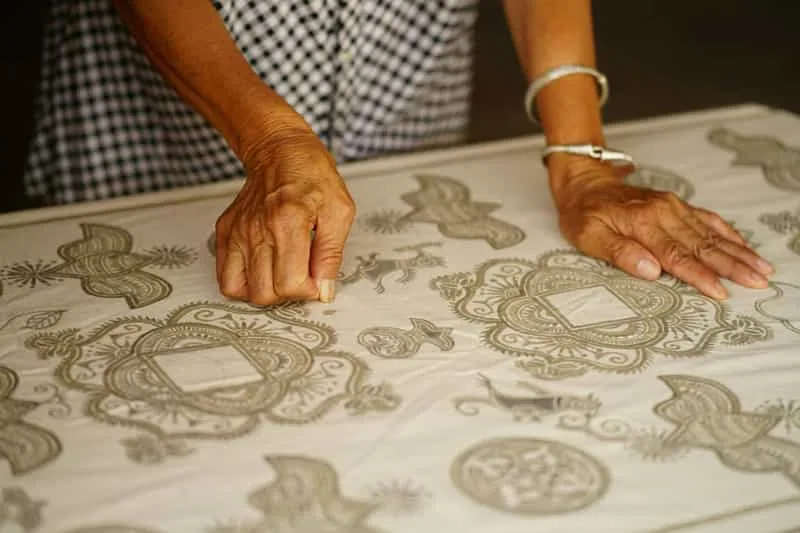
Eco-Friendly Textile Finishing Techniques: Advancing Sustainable Fashion
Explore eco-friendly textile finishing techniques that reduce environmental impact, enhance sustainability, and align with zero-waste fashion goals.
Article
Functional, luxury, and niche textiles such as conductive, flame-retardant, antimicrobial, and high- fashion surfaces. This section explains practical decision criteria, typical test methods, and failure modes that matter in real production. Readers get checklists, calculation steps, and case examples connecting specifications to cost, reliability, and compliance. Links map core concepts to upstream inputs and downstream processes so choices remain consistent across sourcing, manufacturing, and end-use performance. Each article includes definitions, diagrams where helpful, and plain-language notes to help newcomers ramp quickly while giving experienced professionals the depth needed to troubleshoot and optimize. Standards references are cited with context, and whenever trade-offs exist, we make them explicit so you can defend decisions.
Sustainable Textile
Explore eco-friendly textile finishing techniques that reduce environmental impact, enhance sustainability, and align with zero-waste fashion goals.
Article

Sustainable Textile
Discover how IoT revolutionizes textile manufacturing with automation, real-time monitoring, and sustainable practices, reducing waste and enhancing efficiency.
Article

Sustainable Textile
Explore how AI-driven textile design revolutionizes fashion with sustainable, innovative solutions, reducing waste and enhancing creativity
Article

Smart Textiles
Discover how blockchain ensures transparent textile traceability, promoting sustainability and trust in fashion supply chains.
Article

Sustainable Textile
Explore zero-waste textile design, a sustainable approach to fashion that eliminates textile waste, promotes eco-friendly materials, and redefines style.
Article
Sustainable Textile
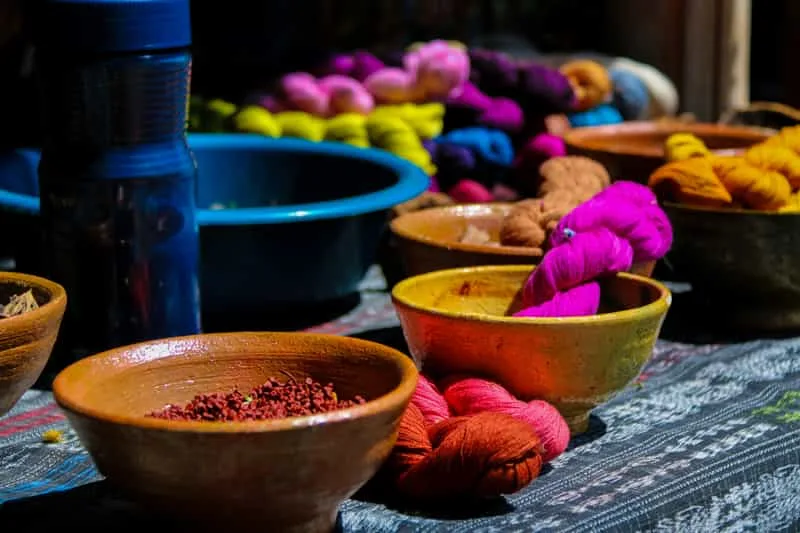
The natural dye revival is transforming textile manufacturing by reintroducing plant-based colorants as sustainable alternatives to synthetic dyes, which account for 17–20% of global industrial water pollution. Derived from sources like indigo, madder, and turmeric, these dyes offer biodegradable, non-toxic hues with cultural and ecological value. Innovations in extraction and application, coupled with consumer demand for eco-conscious products, are driving this resurgence, though challenges like scalability and color consistency remain.
Article

Sustainable Textile
Waterless dyeing technologies are revolutionizing textile manufacturing by eliminating the need for water, a critical resource traditionally used in vast quantities for dyeing fabrics. Techniques such as supercritical carbon dioxide dyeing, air dyeing, and foam dyeing not only conserve water but also reduce chemical and energy use, significantly lowering the industry’s environmental footprint. With 15–20% of global industrial water pollution attributed to textile dyeing, these innovations offer a sustainable path forward, though high costs and material limitations pose challenges to widespread adoption.
Article
Sustainable Textile
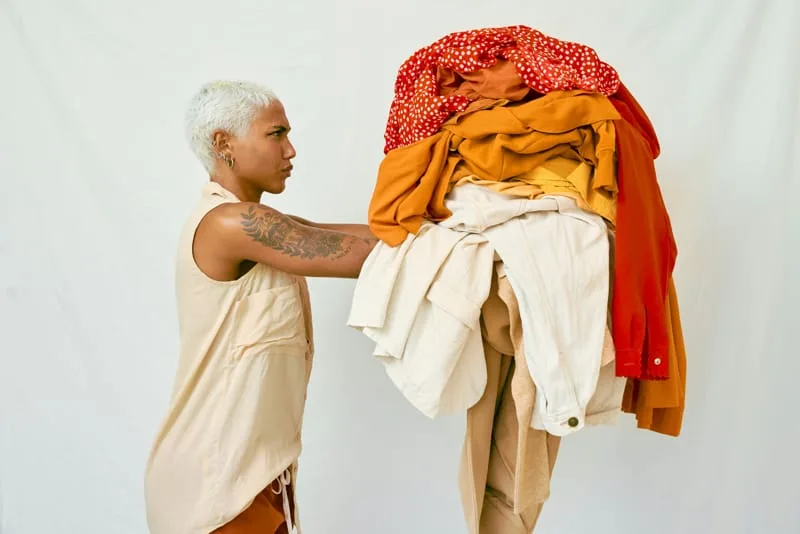
Indigenous textile traditions are rich tapestries of culture, memory, and identity. This article explores how traditional weaving, dyeing, and crafting methods are being preserved, adapted, and celebrated in today’s textile landscape.
Article

Mobiltech
Mobiltech is a specialized segment of technical textiles used in transportation, covering automobiles, aircraft, trains, ships, and space vehicles. These high-performance materials enhance safety, comfort, aesthetics, and durability while meeting strict technical and regulatory requirements.
Article
Geotech
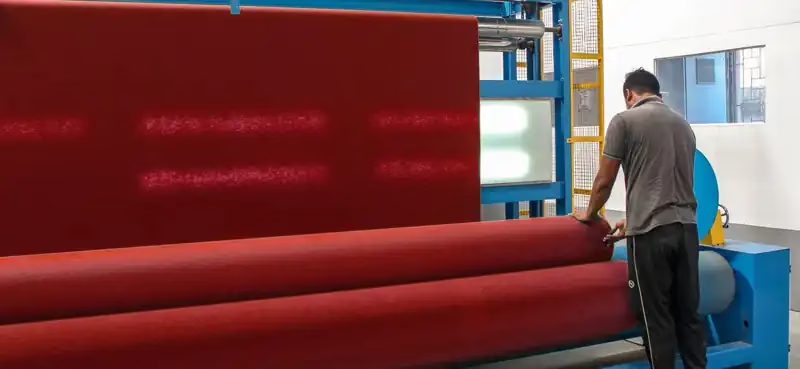
Geotech, a critical segment of technical textiles, focuses on engineered fabrics and structures used in geotechnical, civil engineering, and environmental applications. From soil stabilization to erosion control, Geotech products are essential for modern infrastructure, offering durability, cost-effectiveness, and sustainability.
Article
Every record in these registers was sent in by somebody. Submissions are reviewed before they are published.
1,496 machines in the register.Tell us about a missing one 306 event series in the register.Submit a trade fair or conference 3,038 standards tracked in the register.Get the changes by email each week