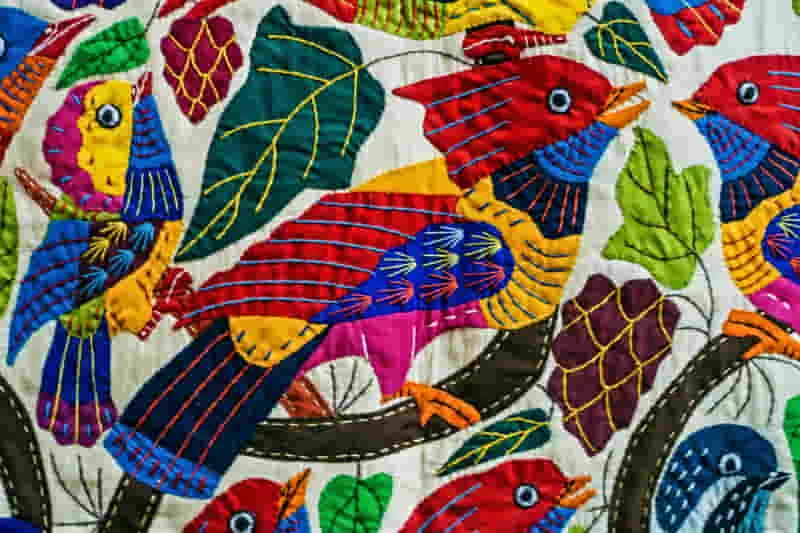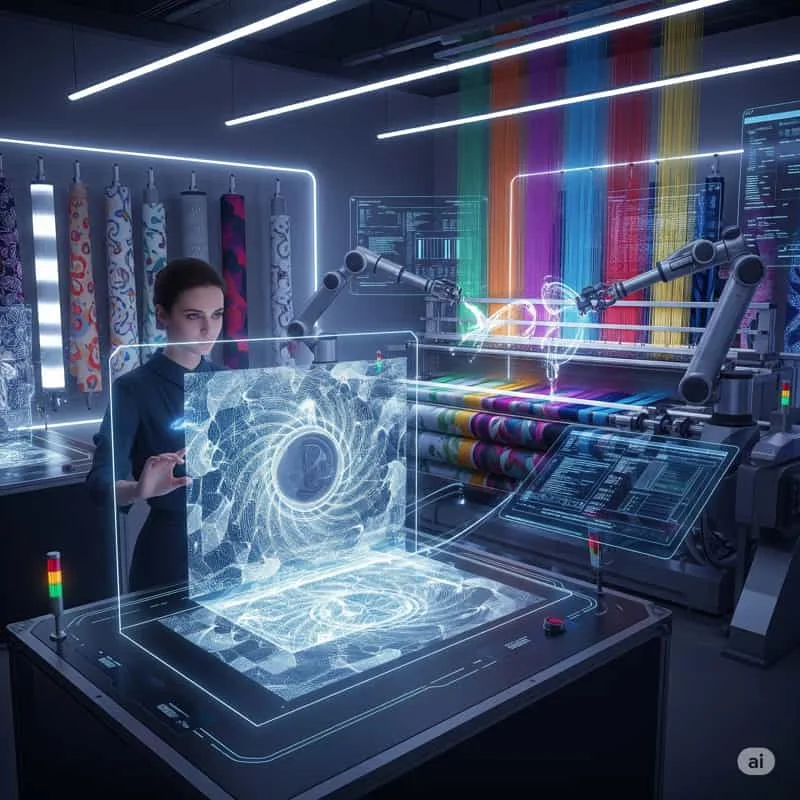
AI-driven textile design uses machine learning, generative algorithms and computer vision to create fabric patterns, predict trends and reduce waste. Generative models such as GANs produce new pattern variations from existing designs, layout software arranges pattern pieces to minimize fabric lost in cutting, and computer vision detects fabric defects for quality control. The result is faster design work with less prototyping and less material waste.
Introduction to AI-Driven Textile Design
Artificial Intelligence (AI) is reshaping the textile industry by introducing unprecedented levels of creativity, efficiency, and sustainability. AI-driven textile design leverages machine learning, generative algorithms, and data analytics to optimize fabric patterns, predict trends, and minimize waste, addressing the industry’s environmental footprint, which includes 92 million tons of textile waste annually. By enabling zero-waste pattern cutting, sustainable material selection, and smart textile development, AI aligns with the growing demand for ethical and eco-friendly fashion. This article explores how AI is revolutionizing textile design, its synergy with sustainable practices, and its potential to drive a circular economy, making it a highly monetizable trend in sustainable manufacturing.
Understanding AI in Textile Design
AI in textile design encompasses technologies like machine learning (ML), generative adversarial networks (GANs), and computer vision to enhance design processes. Machine learning analyzes vast datasets, such as consumer preferences or historical patterns, to predict trends and optimize production. Generative AI creates novel designs by learning from existing patterns, while computer vision ensures quality control by detecting defects in fabrics. These tools streamline workflows, reduce resource consumption, and enable designers to focus on creativity, making AI a cornerstone of sustainable fashion innovation.
The Need for AI in Textile Design
The textile industry faces significant challenges, including high waste levels, resource-intensive production, and pressure to meet consumer demand for sustainability. Traditional design processes often result in 15% fabric waste during cutting, while fast fashion contributes to environmental degradation, accounting for 10% of global carbon emissions. AI addresses these issues by enabling precise pattern optimization, sustainable material sourcing, and data-driven decision-making. Consumers increasingly seek transparency and eco-friendly products, and AI-driven design offers a solution by creating innovative, waste-free textiles that meet ethical and environmental standards.
How AI Enhances Textile Design
Generative Design for Creativity
Generative AI, powered by GANs, creates unique textile patterns by analyzing existing designs and generating new ones. Tools like Adobe’s Project Pattern Play allow designers to input parameters, such as color or texture, and receive thousands of pattern variations, fostering creativity while reducing design time. This approach supports sustainable fashion by enabling bespoke designs without excessive prototyping.
Zero-Waste Pattern Optimization
AI optimizes pattern layouts to minimize fabric waste, aligning with zero-waste textile design principles. Software like Lectra’s DesignConcept uses AI to arrange pattern pieces like a jigsaw puzzle, ensuring 100% fabric utilization. This reduces the 15% waste typical in traditional cutting, conserving resources and supporting circular economy goals.
Sustainable Material Prediction
AI analyzes material properties and supply chain data to recommend eco-friendly options, such as organic cotton, hemp, or recycled polyester (rPET). Platforms like Material Exchange use AI to match designers with sustainable fabrics, including deadstock, reducing the environmental impact of new production.
Trend Forecasting and Personalization
AI-driven tools like WGSN and Heuritech analyze social media, runway shows, and consumer behavior to predict trends, enabling brands to produce relevant designs. AI also supports personalization by tailoring patterns to individual preferences, reducing overproduction and unsold inventory, a key contributor to textile waste.
Quality Control and Defect Detection
Computer vision systems, such as those by Smartex, use AI to inspect fabrics for defects like tears or color inconsistencies in real-time. This ensures high-quality output, reduces waste from faulty products, and enhances efficiency in sustainable manufacturing.
Applications of AI in Textile Design
Fashion and Apparel
AI streamlines garment design by creating zero-waste patterns and predicting consumer preferences. Brands like Tommy Hilfiger use IBM’s AI tools to analyze trends, while startups like Unspun leverage AI for custom-fit jeans, minimizing waste through on-demand production.
Home Textiles and Interiors
AI designs sustainable fabrics for upholstery, curtains, and bedding, optimizing patterns to reduce waste. Companies like Spoonflower use AI to create print-on-demand textiles, ensuring minimal overproduction and resource use.
Smart Textiles and Wearables
AI enables the development of smart textiles with embedded sensors for health monitoring or temperature regulation. Projects like Google’s Jacquard use AI to design conductive fabrics, integrating technology with sustainable design principles.
Automotive and Industrial Textiles
AI optimizes textiles for car interiors or industrial applications, ensuring durability and sustainability. For example, AI-driven design reduces waste in automotive upholstery, aligning with eco-friendly manufacturing goals.
Case Studies: AI in Textile Design
Unspun’s 3D Weaving Technology
Unspun, a San Francisco-based startup, uses AI to design custom-fit jeans through 3D weaving, eliminating traditional cutting waste. Their Vega platform scans customer measurements and generates patterns with minimal fabric use, reducing waste by up to 90% and supporting zero-waste principles.
Tommy Hilfiger and IBM
Tommy Hilfiger partnered with IBM to integrate AI into its design process, using Watson to analyze consumer trends and historical data. The collaboration resulted in faster design cycles and more sustainable collections, reducing overproduction and aligning with ethical fashion goals.
H&M’s AI-Driven Sustainability
H&M employs AI to optimize supply chains and design processes, using tools like Material Exchange to source sustainable fabrics. Their Conscious Collection leverages AI for zero-waste pattern cutting, reducing environmental impact and enhancing transparency.
Smartex’s Quality Control
Smartex’s AI-powered inspection systems detect fabric defects during production, reducing waste by up to 30%. Used by manufacturers like Inditex, this technology ensures high-quality, sustainable textiles, supporting circular economy principles.
Benefits of AI-Driven Textile Design
Environmental Sustainability
AI reduces textile waste by optimizing patterns and predicting demand, minimizing overproduction. Using eco-friendly materials like Tencel or rPET, AI supports sustainable manufacturing, conserving water and energy while reducing landfill waste.
Economic Efficiency
AI streamlines design and production, lowering costs through waste reduction and automation. Brands save on material costs by maximizing fabric use, while predictive analytics reduces unsold inventory, enhancing profitability.
Enhanced Creativity
Generative AI expands design possibilities, allowing creators to experiment with novel patterns and textures. This fosters innovation in sustainable fashion, meeting consumer demand for unique, eco-friendly products.
Consumer Trust and Transparency
AI provides data-driven insights into material sourcing and production, enabling brands to share transparent sustainability claims. QR codes linked to AI-generated supply chain data, as seen in H&M’s initiatives, build consumer trust.
Challenges of AI in Textile Design
High Initial Costs
Implementing AI requires investment in software, hardware, and training, which can be prohibitive for SMEs. However, platforms like Material Exchange offer affordable solutions to democratize access.
Skill Gaps and Training Needs
Designers and manufacturers need training to use AI tools effectively. Upskilling programs, like those by Fashion Institute of Technology, are addressing this gap but require time and resources.
Data Privacy and Security
AI relies on vast datasets, raising concerns about consumer data privacy and supply chain security. Robust cybersecurity measures are essential to protect sensitive information.
Consumer Acceptance
Unique AI-generated designs, especially zero-waste patterns, may not align with mainstream aesthetics. Educating consumers about sustainability benefits is critical to drive adoption.
Future Trends in AI-Driven Textile Design
Integration with Blockchain
Blockchain enhances AI-driven design by ensuring material traceability, as seen in platforms like TextileGenesis. Combining AI’s pattern optimization with blockchain’s transparency supports zero-waste and circular economy goals.
Digital Product Passports (DPPs)
DPPs, powered by AI and blockchain, provide digital records of a textile’s lifecycle, from material sourcing to recycling. This trend, adopted by brands like New Look, enhances transparency and sustainability.
Advanced Smart Textiles
AI will drive innovation in smart textiles, integrating sensors for health, fitness, or environmental monitoring. Projects like MIT’s 3D-printed textiles showcase AI’s potential in this field.
AI and Renewable Energy
Pairing AI-driven design with renewable energy sources, like solar-powered production, reduces carbon footprints. Initiatives like 350.org advocate for this synergy to achieve zero-waste goals.
Synergy with Zero-Waste Textile Design
AI enhances zero-waste textile design by optimizing patterns to eliminate cutting waste, as demonstrated by Unspun’s 3D weaving. AI also predicts material needs, ensuring efficient use of sustainable fabrics like deadstock or recycled fibers. By integrating with blockchain, AI verifies the sustainability of these materials, supporting circular economy principles and reducing the industry’s 92 million tons of annual waste.
Connection to Salt Spray Testing
AI-driven textile design intersects with durability testing, such as the salt spray test, to ensure sustainable textiles withstand harsh environments. AI can optimize coatings for outdoor textiles, like those used in marine applications, which are then tested for corrosion resistance. This ensures longevity, reducing replacement frequency and aligning with zero-waste goals.
Best Practices for Implementing AI-Driven Textile Design
- Adopt AI Tools: Use platforms like Lectra or Adobe for pattern optimization and generative design.
- Source Sustainable Materials: Leverage AI to select eco-friendly fabrics like organic cotton or rPET.
- Integrate with Blockchain: Combine AI with blockchain for transparent supply chain tracking.
- Train Teams: Invest in upskilling programs to ensure effective AI adoption.
- Educate Consumers: Promote the benefits of AI-driven, zero-waste designs through marketing campaigns.
Conclusion
AI-driven textile design is a transformative force in sustainable fashion, enabling innovative, waste-free, and eco-friendly solutions. By optimizing patterns, predicting trends, and developing smart textiles, AI addresses the industry’s environmental challenges while fostering creativity and efficiency. Despite hurdles like costs and skill gaps, advancements in blockchain integration, DPPs, and smart textiles signal a bright future. Case studies from Unspun, Tommy Hilfiger, and H&M highlight AI’s impact, while its synergy with zero-waste design and durability testing, like salt spray tests, underscores its role in a circular economy. As consumer demand for ethical fashion grows, AI-driven textile design offers a profitable, sustainable path forward, redefining the industry’s future.
Citations
- Fashion Institute of Technology. “AI in Fashion Design: Opportunities and Challenges.” FIT, 2024, www.fitnyc.edu.
- Material Exchange. “AI-Powered Sustainable Material Sourcing.” Material Exchange, 2023, www.materialexchange.com.
- WGSN. “Trend Forecasting with AI in Fashion.” WGSN, 2025, www.wgsn.com.
- Heuritech. “AI-Driven Fashion Trend Analysis.” Heuritech, 2024, www.heuritech.com.
- Smartex. “AI for Textile Quality Control.” Smartex, 2023, www.smartex.ai.
- Unspun. “3D Weaving for Zero-Waste Fashion.” Unspun, 2024, www.unspun.io.
- IBM. “AI in Fashion: Tommy Hilfiger Case Study.” IBM, 2023, www.ibm.com.
- H&M Group. “AI and Sustainability in Fashion.” H&M, 2024, hmgroup.com.
- Spoonflower. “Print-on-Demand Textiles with AI.” Spoonflower, 2025, www.spoonflower.com.
- Google. “Project Jacquard: AI-Driven Smart Textiles.” Google, 2023, atap.google.com.
- TextileGenesis. “Blockchain and AI for Textile Traceability.” TextileGenesis, 2024, textilegenesis.com.
- 350.org. “Renewable Energy in Sustainable Fashion.” 350, 2025, 350.org.
- MIT Media Lab. “3D-Printed Smart Textiles with AI.” MIT, 2024, www.media.mit.edu.
- Lectra. “AI-Powered Pattern Optimization.” Lectra, 2023, www.lectra.com.
- Adobe. “Project Pattern Play: Generative AI for Textiles.” Adobe, 2024, www.adobe.com.
- Circle Economy Foundation. “AI and Circular Economy in Textiles.” Knowledge Hub, 2023, knowledge-hub.circle-economy.com.
- New Look. “Digital Product Passports for Sustainable Fashion.” Ledger Insights, 2024, www.ledgerinsights.com.
- Fibre2Fashion. “AI in Textile Design: The Future of Fashion.” Fibre2Fashion, 2024, www.fibre2fashion.com.
- The Interline. “AI and the Future of Fashion Design.” The Interline, 2023, www.theinterline.com.
- Redress Design Award. “AI for Zero-Waste Fashion Design.” Redress, 2024, www.redressdesignaward.com.