1. Introduction
Transportation is one of the most demanding application areas for technical textiles. Whether in cars, buses, trains, airplanes, ships, or spacecraft, textiles are essential for:
- Passenger safety
- Comfort and aesthetics
- Noise and vibration control
- Weight reduction for fuel efficiency
Mobiltech—short for Mobility Technical Textiles—covers all textile materials used in the transport and mobility sectors.
From airbags and seat belts in cars to composite reinforcements in aircraft and marine upholstery in yachts, Mobiltech products are vital to performance, safety, and compliance in modern transportation.
2. What is Mobiltech?
Mobiltech is one of the 12 major segments of technical textiles. It includes fabrics, composites, nonwovens, and coated materials used in:
- Road vehicles (cars, trucks, buses, motorcycles)
- Rail transportation
- Aviation and aerospace
- Marine vessels
Mobiltech products must:
- Meet strict safety standards
- Resist UV, heat, moisture, and abrasion
- Reduce weight without compromising strength
- Contribute to energy efficiency and passenger comfort
3. Functions of Mobiltech Textiles
Mobiltech products serve various critical functions:
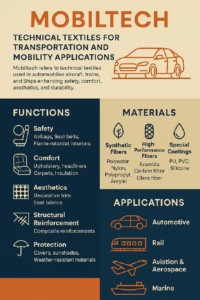
- Safety: Airbags, seat belts, flame-retardant interiors.
- Comfort: Upholstery, headliners, carpeting, sound insulation.
- Aesthetics: Decorative trims, seat fabrics, cabin linings.
- Structural Reinforcement: Composite reinforcements for lightweight vehicle bodies.
- Protection: Covers, sunshades, and weather-resistant materials.
- Noise/Vibration Control: Acoustic insulation layers.
4. Key Mobiltech Products
4.1 Automotive Textiles
- Airbags: High-strength nylon or polyester fabrics coated for airtightness.
- Seat Belts: High-tenacity polyester webbing.
- Upholstery: Woven or knitted fabrics, leather, artificial leather.
- Headliners: Nonwoven composites for ceilings.
- Carpets & Floor Mats: Nonwoven or tufted, stain-resistant fabrics.
- Convertible Roof Fabrics: Weatherproof coated materials.
4.2 Rail Transportation Textiles
- Flame-retardant seating and wall panels.
- Acoustic insulation panels.
- Window shades and curtains.
4.3 Aviation and Aerospace Textiles
- Lightweight composite reinforcements.
- Cabin seat fabrics meeting FAR fire regulations.
- Insulation blankets for temperature and noise control.
4.4 Marine Textiles
- UV-resistant marine upholstery.
- Sailcloth for yachts.
- Anti-fouling boat covers.
5. Materials Used in Mobiltech
Synthetic Fibers:
- Polyester (PET) – High strength, UV resistance.
- Nylon (PA) – Excellent impact resistance (airbags, seat belts).
- Polypropylene (PP) – Lightweight, moisture-resistant.
- Acrylic – Fade-resistant for marine and convertible tops.
High-Performance Fibers:
- Aramids (Kevlar®, Twaron®) – High tensile strength for reinforcement.
- Carbon Fiber – Aerospace composites.
- Glass Fiber – Reinforced plastics and insulation.
6. Manufacturing Techniques
- Weaving: Strong fabrics for airbags, seat belts.
- Knitting: Stretch fabrics for upholstery.
- Nonwoven Technology: Carpets, headliners, insulation.
- Coating and Laminating: Weatherproof and fire-retardant layers.
- Braiding: For hoses, cables, and reinforcement structures.
7. Functional Properties
Mobiltech fabrics are engineered for:
- Flame Retardancy: Meeting transportation fire safety standards.
- UV Resistance: Withstanding sunlight exposure.
- Abrasion Resistance: Prolonging product life.
- Tensile Strength: Handling high-impact forces.
- Lightweight Construction: Improving fuel efficiency.
- Noise Reduction: Acoustic control for passenger comfort.
8. Applications by Sector
| Sector | Applications |
|---|---|
| Automotive | Airbags, seat belts, upholstery, carpets, headliners, convertible tops |
| Rail | Flame-retardant seating, wall panels, curtains, insulation |
| Aviation | Composite reinforcements, cabin seat fabrics, insulation blankets |
| Marine | Upholstery, sailcloth, boat covers, safety gear |
9. Advantages of Mobiltech
- Improves passenger safety.
- Enhances comfort and aesthetics.
- Reduces vehicle weight and fuel consumption.
- Complies with international safety regulations.
- Offers long service life in demanding conditions.
10. Global Market Overview
- Market size (2024): USD 35–40 billion.
- CAGR: 4–5% growth projected.
- Key drivers: Rising vehicle production, demand for lightweight materials, stricter safety and environmental regulations.
- Top markets: Europe, North America, China, Japan, India.
11. Innovations in Mobiltech
- Smart Airbags: Integrated with sensors for deployment control.
- Eco-Friendly Upholstery: Recycled polyester fabrics.
- Self-Cleaning Car Interiors: Nanotechnology coatings.
- Lightweight Composites: Hybrid fiber-reinforced plastics.
12. Sustainability in Mobiltech
- Recycling seat fabrics and carpets.
- Using bio-based polymers for interiors.
- Lightweighting for reduced CO₂ emissions.
- Long-life materials to cut waste.
13. Challenges
- Balancing lightweight design with safety.
- Compliance with varying global regulations.
- Cost of high-performance fibers.
- Recycling composite materials.
14. Future of Mobiltech
- Increased use of smart textiles for real-time monitoring.
- Fully recyclable vehicle interiors.
- AI-driven comfort fabrics adapting to climate and passenger needs.
- Wider adoption of composite materials in electric vehicles.
15. Conclusion
Mobiltech textiles are essential to the safety, performance, and comfort of modern transportation. Their ability to combine technical performance with passenger experience makes them critical to the future of mobility. As vehicles become smarter, lighter, and greener, Mobiltech will remain at the forefront of innovation in transportation engineering.
Frequently Asked Questions (FAQ) – Mobiltech Technical Textiles
Mobiltech refers to technical textiles used in transportation and mobility sectors such as automotive, rail, aviation, aerospace, and marine industries. These fabrics and composites enhance safety, comfort, durability, and efficiency in vehicles.
Examples include:
Airbags and seat belts
Upholstery fabrics and headliners
Carpets and floor mats
Convertible roof fabrics
Marine sailcloth and upholstery
Aerospace composite reinforcements
Acoustic and thermal insulation materials
Synthetic fibers: Polyester, nylon, polypropylene, acrylic
High-performance fibers: Aramids (Kevlar®, Twaron®), carbon fiber, glass fiber
Special coatings: PU, PVC, or silicone for weather resistance
They improve passenger safety (airbags, seat belts), enhance comfort (upholstery, insulation), reduce weight for fuel efficiency, comply with fire and safety regulations, and provide durability in harsh operating conditions.
Yes, many Mobiltech products use recycled polyester, bio-based polymers, and long-life materials that reduce waste. Lightweight designs also lower vehicle fuel consumption and CO₂ emissions.
They are used in:
Cars, trucks, and buses
Trains and metros
Airplanes and spacecraft
Boats, yachts, and ships
Emerging trends include smart airbags, AI-adaptive comfort fabrics, fully recyclable interiors, and ultra-light composites for electric and autonomous vehicles.