Introduction
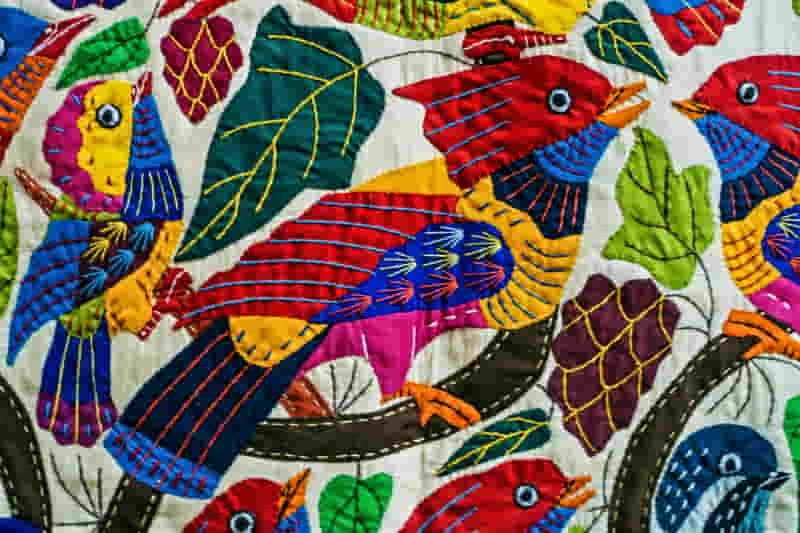
Across every corner of the globe, textiles have served as more than just functional items—they embody stories, identities, and centuries of craftsmanship. Indigenous textile techniques are rich with symbolism, passed down through generations to reflect the values, history, and environments of native communities. In a rapidly industrializing world, preserving these age-old traditions has become both a cultural imperative and an opportunity for sustainable innovation.
The textile industry now finds itself at a crossroads. While modern technologies offer speed and efficiency, there’s growing recognition of the wisdom embedded in indigenous textile heritage. Understanding these techniques isn’t just about aesthetics—it’s about honoring cultural roots, empowering local artisans, and promoting sustainable, handmade alternatives to mass production.
Historical Roots of Indigenous Textile Traditions
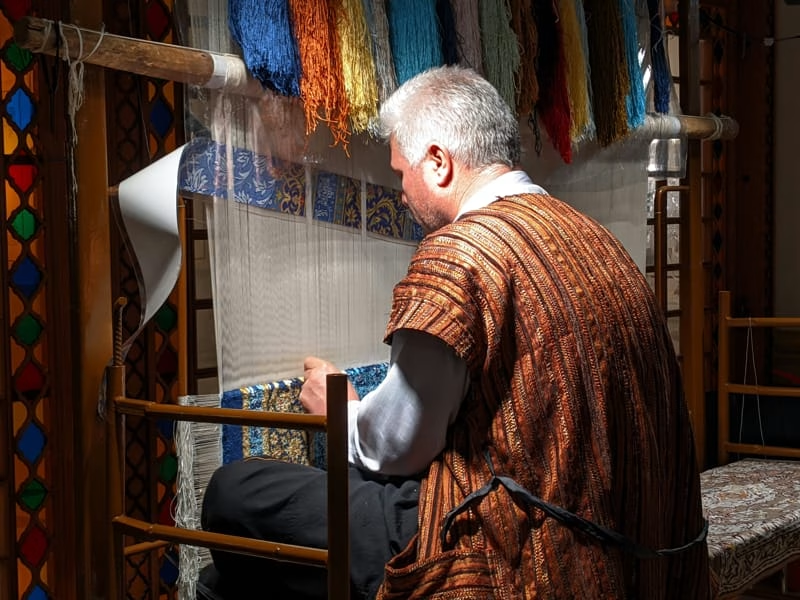
Indigenous textile traditions date back thousands of years and are intricately linked to the lifestyles and beliefs of their communities. In ancient Peru, the Paracas and Nazca cultures developed advanced weaving systems as early as 600 BCE. In India, Kalamkari and Kanchipuram silk weaving have flourished for centuries, steeped in religious and royal patronage.
Similarly, African tribes like the Ashanti of Ghana wove Kente cloth with geometric symbols representing proverbs and status. Meanwhile, Native American communities used Navajo weaving to craft rugs rich in spiritual motifs. These techniques represent more than craftsmanship—they are a living language of culture.
Evolution and Influence Over Time
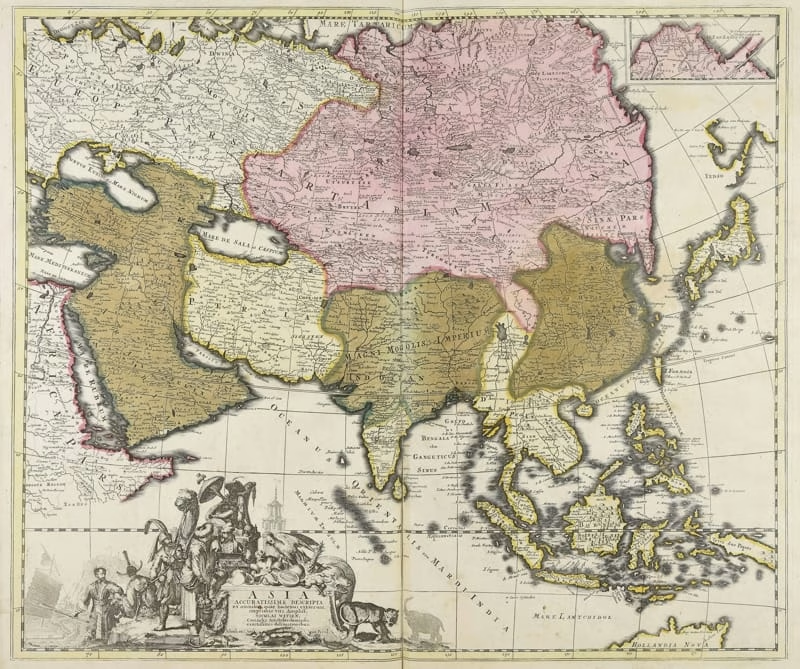
Over centuries, indigenous textiles have evolved alongside trade routes, colonial influences, and local innovations. The Silk Road, for instance, facilitated a blend of motifs and weaving techniques between Asia and the Middle East. European colonization introduced new dyes and tools but also disrupted many native textile traditions.
However, indigenous artisans continually adapted. They integrated foreign materials into traditional techniques without compromising cultural identity. For instance, natural dyes gave way to synthetic ones in many communities, while traditional looms were retrofitted with modern mechanisms. Despite these changes, the soul of the craft remained intact.
Diverse Production Techniques Around the World
Indigenous textile practices vary by geography, material availability, and cultural narratives. Some key techniques include:
| Region | Technique | Description |
|---|---|---|
| India | Block Printing | Hand-carving wooden blocks to print intricate patterns |
| Peru | Backstrap Weaving | Portable loom technique using body tension to weave |
| Japan | Shibori Dyeing | Resist-dye method using folding, twisting, and binding fabrics |
| Ghana | Kente Weaving | Weft-based weaving with symbolic color codes |
| Guatemala | Ikat | Tie-dye yarns before weaving to create blurred patterns |
| Indonesia | Batik | Wax-resist dyeing on cotton or silk fabrics |
Each process is deeply rooted in local ecosystems and cultural stories, making every textile a narrative artifact.
Innovation Through Tradition
While traditional, many indigenous communities are blending age-old techniques with modern innovation. Artisans are:
- Using natural and eco-friendly dyes derived from plants, insects, and minerals
- Integrating digital pattern mapping to replicate and archive rare designs
- Launching e-commerce platforms to connect with global markets
- Collaborating with fashion designers to reinterpret heritage textiles for modern audiences
These innovations ensure that while the core values of indigenous textiles remain unchanged, the methods continue to evolve with the times.
Challenges Facing Indigenous Textile Traditions
Preserving indigenous textile heritage is not without its challenges:
- Mass Production Pressures: Factory-made imitations flood the market at cheaper prices
- Cultural Appropriation: Designs are copied without crediting or compensating communities
- Lack of Recognition: Younger generations often migrate to cities, leaving traditions behind
- Environmental Threats: Loss of biodiversity impacts dye sources and raw materials
Addressing these issues requires a combined effort from governments, NGOs, and consumers to recognize and protect the intangible cultural heritage of textile artisans.
Real-World Applications and Collaborations
Many indigenous textiles are finding new life through global collaborations:
- Indigenous fashion weeks in Canada and Australia showcase tribal weaves on international runways
- Luxury brands like Dior and Stella McCartney have co-designed collections with indigenous communities
- UNESCO-recognized crafts such as Indian Kutch embroidery or Laotian silk weaving are gaining prominence
These efforts not only provide economic opportunities but also amplify indigenous voices in global fashion narratives.

Types and Varieties of Indigenous Textiles
Diversity is the hallmark of indigenous textiles. Some prominent varieties include:
- Kuna Mola (Panama): Reverse appliqué patterns in layered cotton fabrics
- Hmong Embroidery (Laos/Thailand): Intricate geometric motifs in vibrant colors
- Pua Kumbu (Malaysia): Sacred Iban ceremonial cloth woven with ikat techniques
- Bogolanfini (Mali): Mud cloth dyed using fermented river mud and plant extracts
Each textile carries a distinct visual and cultural identity, often tied to ceremonies, rites of passage, or spiritual beliefs.
End-Users and Global Market Influence
While originally produced for community use, indigenous textiles are now reaching:
- Boutique Designers: Seeking handcrafted, ethical fabrics for couture collections
- Interior Designers: Using tribal weaves in home décor and upholstery
- Cultural Institutions: Museums and galleries showcasing traditional textiles
- Conscious Consumers: Supporting ethical fashion and slow production
The global handmade textile market is projected to grow, with consumers prioritizing provenance, storytelling, and sustainable practices.
Economic and Cultural Sustainability
Supporting indigenous textiles has profound economic and social impact:
- Job Creation: Especially for women in rural communities
- Cultural Empowerment: Revitalizing language and traditions tied to craft
- Eco-Friendly Production: Using local, biodegradable materials and low-energy methods
- Tourism and Education: Cultural tourism focused on workshops and artisan trails
These benefits showcase how heritage preservation and economic development can go hand in hand.
The Role of Documentation and Digitization
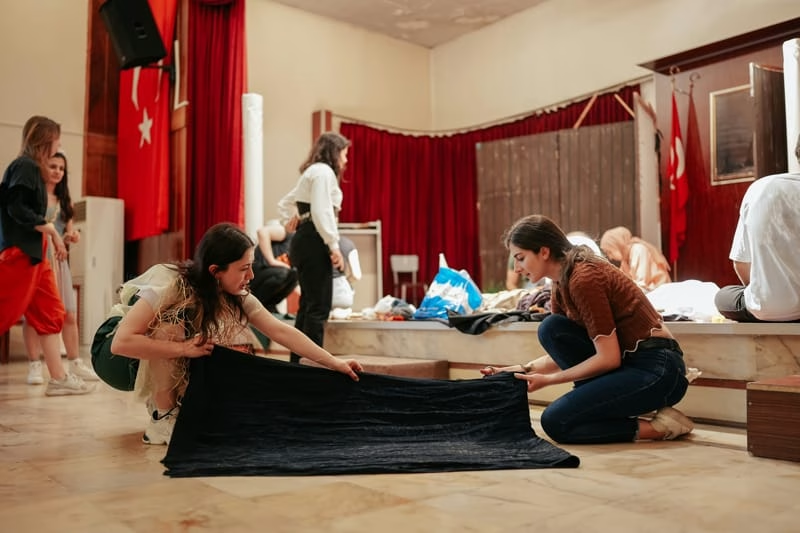
Digital tools are playing a vital role in safeguarding indigenous textile knowledge:
- 3D pattern scanning to preserve aging fabrics
- Online databases of techniques and terminology
- Virtual museums displaying global textile heritage
- Apps and AR platforms teaching weaving and dyeing methods interactively
These initiatives ensure that even if physical traditions wane, their knowledge is never lost.
Future Trends and the Path Ahead
The future of indigenous textile preservation lies in collaborative innovation:
- Co-branding with major fashion houses for inclusive design
- Blockchain authentication for provenance tracking
- Biotextiles integration merging native fibers with biotech fabrics
- Policy support for GI (Geographical Indication) protection of regional techniques
Young designers are increasingly turning to indigenous textiles not just for inspiration but for lessons in resilience, harmony with nature, and storytelling.
Summary
Indigenous textile techniques are more than fabric—they are cultural manuscripts woven in threads. As global fashion looks to sustainability and meaning, these traditions provide invaluable lessons. Preserving them is not just about saving art—it’s about safeguarding identity, environment, and legacy.
Through respectful collaboration, innovation, and education, the world can ensure that these ancient crafts thrive in a modern context, weaving the past into the future.
The preservation of indigenous textile techniques is a crucial endeavor in today’s rapidly globalizing world. These age-old crafts carry the wisdom of generations and promote sustainable, ethical design practices. By supporting artisans, documenting traditions, and fostering respectful innovation, the textile industry can honor and sustain global cultural heritage.
Citations
- UNESCO: Intangible Cultural Heritage Textiles: https://ich.unesco.org/en/intangible-heritage-domains
- World Crafts Council: Indigenous Crafts Preservation: https://www.wccinternational.org/
- Smithsonian Institution: Global Textiles Collection: https://naturalhistory.si.edu/education/teaching-resources/culture/global-textiles