

Introduction
Jackets have evolved from simple protective garments to essential fashion pieces. They provide warmth, protection, and style. With countless designs available, choosing the right jacket can be overwhelming. This guide breaks down the most popular jacket types, helping you understand their unique characteristics and ideal uses. Whether you’re looking for a durable work jacket, a stylish bomber, or a weatherproof parka, this comprehensive overview will guide you to the perfect choice.
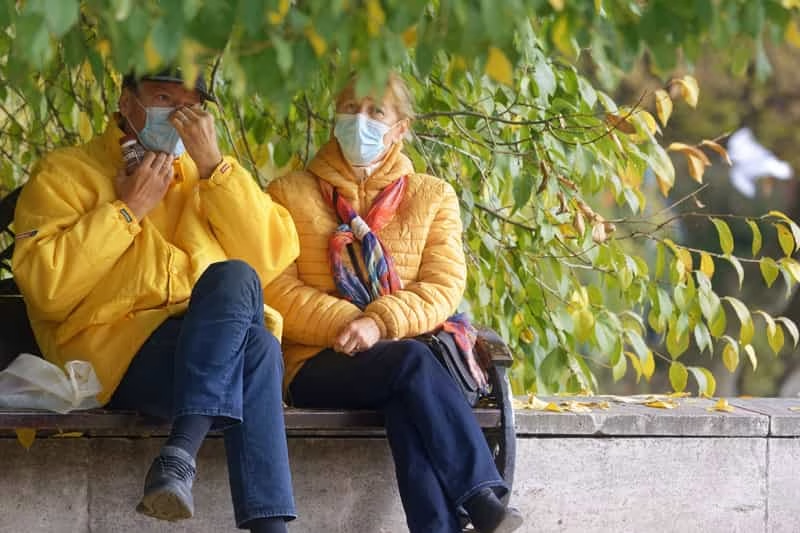
History of Jackets
The history of jackets is as diverse as the styles available today. Early jackets were primarily functional, designed to protect against the elements. Over time, jackets evolved to reflect social status, military rank, and personal style.
- Early History: The earliest known jackets date back to ancient civilizations. These were simple, functional garments made from animal hides or woven fabrics.
- Medieval Period: During the medieval period, jackets became more tailored. They often featured intricate designs and were worn as a symbol of status.
- 19th Century: The 19th century saw the rise of specialized jackets for various activities. Examples include the frock coat for formal occasions and the work jacket for laborers.
- 20th Century: The 20th century brought iconic styles like the bomber jacket, denim jacket, and leather jacket. These became symbols of rebellion, adventure, and individuality.
Technological Evolution
The evolution of jacket technology has significantly enhanced their functionality and comfort. Modern jackets incorporate advanced materials and construction techniques to provide superior protection and performance.

- Materials: Early jackets were made from natural materials like wool, cotton, and leather. Today, synthetic fabrics such as polyester, nylon, and Gore-Tex offer enhanced durability, water resistance, and breathability.
- Insulation: Traditional insulation materials like down and wool have been supplemented by synthetic alternatives such as Thinsulate and PrimaLoft. These materials provide excellent warmth-to-weight ratios and maintain their insulating properties even when wet.
- Construction: Modern jacket construction techniques include seamless designs, taped seams, and articulated patterns. These innovations improve comfort, mobility, and weather protection.
- Smart Technology: Some jackets now incorporate smart technology, such as integrated heating systems, GPS tracking, and smartphone connectivity.
Types of Jackets
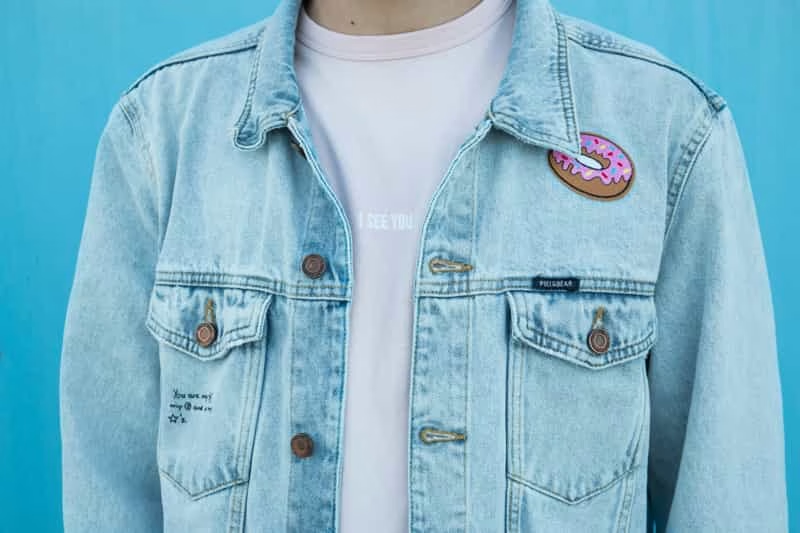
1. Bomber Jacket
The bomber jacket, also known as a flight jacket, originated during World War I. It was designed for pilots to provide warmth and protection in open cockpits.
- Key Features: Short length, ribbed cuffs and hem, front zipper closure, and often a rounded collar.
- Materials: Traditionally made from leather, modern versions come in nylon, cotton, and polyester.
- Style Tips: Versatile and stylish, bomber jackets pair well with jeans, chinos, and casual dresses.
2. Denim Jacket
A timeless classic, the denim jacket has been a wardrobe staple for decades. It originated in the late 19th century as workwear for laborers.
- Key Features: Made from denim fabric, button-front closure, chest pockets, and a classic collar.
- Materials: Primarily denim, but variations include different washes and weights.
- Style Tips: Versatile and casual, denim jackets pair well with almost anything. Try it with jeans, dresses, skirts, or even over a hoodie.
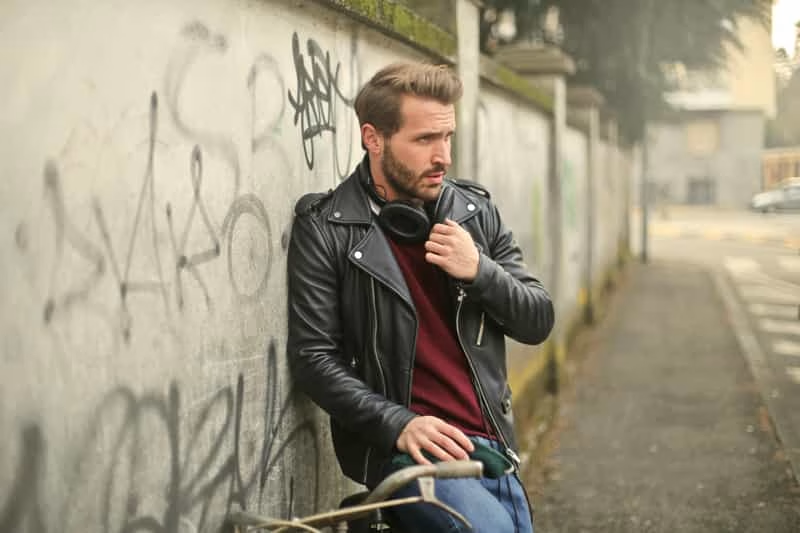
3. Leather Jacket
The leather jacket is an iconic symbol of rebellion and style. It gained popularity in the early 20th century among aviators and motorcyclists.
- Key Features: Made from leather, typically featuring a front zipper closure, various pockets, and a fitted silhouette.
- Materials: Cowhide, lambskin, and other types of leather.
- Style Tips: Edgy and versatile, leather jackets can be dressed up or down. Pair it with jeans and a t-shirt for a casual look or wear it over a dress for a night out.
4. Trench Coat
The trench coat is a classic outerwear piece with military origins. It was designed for British officers during World War I.
- Key Features: Double-breasted, long length, wide lapels, a belt, and often epaulettes.
- Materials: Traditionally made from water-resistant cotton gabardine.
- Style Tips: Sophisticated and timeless, trench coats are perfect for rainy days and formal occasions. Wear it over a suit, dress, or casual outfit.
5. Parka
The parka is a warm and functional jacket designed for cold weather. It originated with the Inuit people of the Arctic.
- Key Features: Long length, insulated, often with a fur-lined hood, and a water-resistant outer shell.
- Materials: Nylon, polyester, and other synthetic fabrics with down or synthetic insulation.
- Style Tips: Practical and warm, parkas are ideal for cold climates. Pair it with jeans, boots, and a warm hat and gloves.
6. Puffer Jacket
The puffer jacket, also known as a quilted jacket, is a lightweight and insulated jacket. It is characterized by its puffy appearance.
- Key Features: Quilted design, insulated with down or synthetic fill, and a lightweight outer shell.
- Materials: Nylon, polyester, and other synthetic fabrics.
- Style Tips: Casual and warm, puffer jackets are perfect for everyday wear in cold weather. Wear it with jeans, leggings, or even over a sweater dress.
7. Pea Coat
The pea coat is a classic double-breasted jacket with naval origins. It has been a staple in men’s and women’s fashion for decades.
- Key Features: Double-breasted, short length, wide lapels, and large buttons.
- Materials: Traditionally made from heavy wool.
- Style Tips: Stylish and versatile, pea coats can be dressed up or down. Wear it with jeans, dress pants, or a skirt.
8. Anorak
The anorak is a lightweight, water-resistant jacket designed for outdoor activities. It often features a hood and a pullover style.
- Key Features: Pullover style, hood, water-resistant fabric, and often a large front pocket.
- Materials: Nylon, polyester, and other synthetic fabrics.
- Style Tips: Practical and functional, anoraks are perfect for hiking, camping, and other outdoor adventures.
9. Rain Jacket
A rain jacket is designed to keep you dry in wet weather. It is typically made from waterproof or water-resistant materials.
- Key Features: Waterproof or water-resistant fabric, hood, sealed seams, and often a lightweight design.
- Materials: Nylon, polyester, and other synthetic fabrics with waterproof coatings.
- Style Tips: Essential for rainy days, rain jackets can be worn over any outfit. Choose a bright color for added visibility.
10. Trucker Jacket
Similar to a denim jacket, the trucker jacket is a classic American style. It typically features a shorter length and a more fitted silhouette.
- Key Features: Button-front closure, chest pockets with button flaps, and a classic collar.
- Materials: Denim, corduroy, and other sturdy fabrics.
- Style Tips: Casual and versatile, trucker jackets pair well with jeans, chinos, and t-shirts.
11. Field Jacket
The field jacket, also known as an M-65 jacket, is a military-inspired jacket designed for durability and functionality.
- Key Features: Multiple pockets, a hidden hood, and a durable outer shell.
- Materials: Cotton, nylon, and other durable fabrics.
- Style Tips: Rugged and practical, field jackets are perfect for outdoor activities and casual wear.
12. Overcoat
An overcoat is a long, warm coat designed to be worn over other clothing. It is typically made from heavy wool or other warm materials.
- Key Features: Long length, typically reaching the knees or lower, made from heavy wool or other warm materials.
- Materials: Wool, cashmere, and other warm fabrics.
- Style Tips: Formal and sophisticated, overcoats are perfect for cold weather and formal occasions.
13. Blazer
A blazer is a versatile jacket that can be dressed up or down. It is typically more structured than a sport coat.
- Key Features: Structured silhouette, notched lapels, and a variety of fabrics and colors.
- Materials: Wool, cotton, linen, and other fabrics.
- Style Tips: Versatile and stylish, blazers can be worn with dress pants, jeans, or even a skirt.
14. Motorcycle Jacket
The motorcycle jacket is a protective and stylish jacket designed for motorcycle riders. It typically features a heavy-duty construction and a fitted silhouette.
- Key Features: Heavy-duty construction, fitted silhouette, and often reinforced padding.
- Materials: Leather, nylon, and other durable materials.
- Style Tips: Edgy and functional, motorcycle jackets are perfect for riders and fashion enthusiasts alike.
15. Chore Jacket
The chore jacket is a durable and practical jacket originally designed for laborers. It typically features a simple design and multiple pockets.
- Key Features: Simple design, multiple pockets, and a durable outer shell.
- Materials: Cotton, denim, and other sturdy fabrics.
- Style Tips: Casual and functional, chore jackets are perfect for workwear and everyday wear.
16. Varsity Jacket
The varsity jacket, also known as a letterman jacket, is a classic American style associated with high school and college sports.
- Key Features: Ribbed collar, cuffs, and hem, snap-front closure, and often adorned with letters and patches.
- Materials: Wool, leather, and other fabrics.
- Style Tips: Casual and sporty, varsity jackets are perfect for adding a touch of nostalgia to your wardrobe.
17. Safari Jacket
The safari jacket is a lightweight jacket designed for warm climates. It typically features multiple pockets and a belted waist.
- Key Features: Multiple pockets, a belted waist, and a lightweight fabric.
- Materials: Cotton, linen, and other breathable fabrics.
- Style Tips: Practical and stylish, safari jackets are perfect for travel and outdoor adventures in warm weather.
18. Track Jacket
The track jacket is a lightweight jacket designed for athletic activities. It typically features a zipper-front closure and a sporty design.
- Key Features: Zipper-front closure, sporty design, and a lightweight fabric.
- Materials: Polyester, nylon, and other synthetic fabrics.
- Style Tips: Casual and athletic, track jackets are perfect for workouts and everyday wear.
19. Coach Jacket
The coach jacket is a lightweight jacket often worn by coaches and athletes. It typically features a snap-front closure and a simple design.
- Key Features: Snap-front closure, simple design, and a lightweight fabric.
- Materials: Nylon, polyester, and other synthetic fabrics.
- Style Tips: Casual and functional, coach jackets are perfect for everyday wear and outdoor activities.
20. Windbreaker
A windbreaker is a lightweight jacket designed to protect against wind and light rain. It is typically made from wind-resistant materials.
- Key Features: Wind-resistant fabric, lightweight design, and often a hood.
- Materials: Nylon, polyester, and other synthetic fabrics.
- Style Tips: Practical and versatile, windbreakers are perfect for outdoor activities and travel.
Innovations in Jacket Design
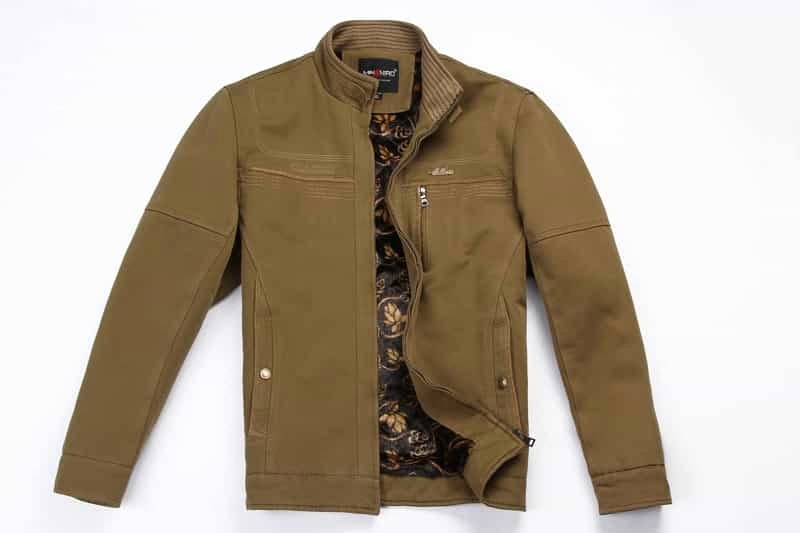
Jacket design continues to evolve with new innovations in materials, construction, and technology. These advancements enhance the performance, comfort, and style of modern jackets.
- Sustainable Materials: Many brands are now using sustainable materials such as recycled polyester, organic cotton, and plant-based fabrics.
- Advanced Insulation: New insulation technologies like aerogel and graphene provide superior warmth and breathability.
- Smart Features: Integrated sensors, heating systems, and connectivity features are becoming increasingly common in high-end jackets.
- Customization: 3D printing and modular designs allow for greater customization and personalization.
Production Process
The production of jackets involves several key steps, from design and material selection to manufacturing and quality control.
- Design: The design process begins with creating a sketch or digital rendering of the jacket. This includes selecting the style, features, and materials.
- Pattern Making: Once the design is finalized, a pattern is created. This involves drafting the individual pieces of the jacket and ensuring they fit together correctly.
- Material Selection: The appropriate materials are selected based on the jacket’s intended use and design. This includes the outer shell fabric, lining, insulation, and hardware.
- Cutting: The fabric is cut according to the pattern pieces. This can be done manually or using automated cutting machines.
- Sewing: The individual pieces are sewn together to create the jacket. This involves various sewing techniques, such as flatlock stitching, serging, and topstitching.
- Adding Hardware: Zippers, buttons, snaps, and other hardware are added to the jacket.
- Finishing: The jacket is finished with details such as trimming loose threads, adding labels, and pressing.
- Quality Control: The finished jacket is inspected for any defects or imperfections. This ensures that it meets the required quality standards.
Challenges in Jacket Production
The jacket production industry faces several challenges, including:
- Sustainability: Reducing the environmental impact of jacket production is a major concern. This includes using sustainable materials, minimizing waste, and reducing energy consumption.
- Ethical Labor Practices: Ensuring fair wages and safe working conditions for garment workers is essential.
- Supply Chain Management: Managing complex global supply chains can be challenging. This includes sourcing materials, coordinating production, and managing logistics.
- Changing Consumer Preferences: Adapting to changing consumer preferences and fashion trends requires flexibility and innovation.
Real-World Applications
Jackets serve a wide range of real-world applications, from everyday wear to specialized uses in various industries.
- Fashion: Jackets are a key component of personal style and fashion trends.
- Outdoor Activities: Jackets provide protection and comfort for hiking, camping, skiing, and other outdoor activities.
- Workwear: Jackets are essential for workers in industries such as construction, manufacturing, and transportation.
- Military and Law Enforcement: Jackets provide protection and functionality for military personnel and law enforcement officers.
- Sports: Jackets are worn by athletes for training, competition, and warm-up.
End-Users
The end-users of jackets are diverse and include:
- Consumers: Individuals who purchase jackets for personal use.
- Retailers: Stores that sell jackets to consumers.
- Manufacturers: Companies that produce jackets.
- Distributors: Companies that distribute jackets to retailers.
- Organizations: Businesses, government agencies, and other organizations that purchase jackets for their employees or members.
Market
The global jacket market is large and growing, driven by factors such as increasing consumer spending, changing fashion trends, and the growing popularity of outdoor activities.
- Market Size: The global jacket market is estimated to be worth billions of dollars annually.
- Key Players: Major players in the jacket market include brands such as The North Face, Patagonia, Columbia, and Nike.
- Trends: Key trends in the jacket market include the growing demand for sustainable and eco-friendly jackets, the increasing popularity of athleisure styles, and the rise of online shopping.
Future of Jackets
The future of jackets is likely to be shaped by several key trends, including:
- Sustainability: Increased focus on sustainable materials and production processes.
- Technology: Integration of smart features and advanced technologies.
- Customization: Greater opportunities for customization and personalization.
- Performance: Enhanced performance through advanced materials and construction techniques.
- Versatility: Designs that can adapt to different environments and activities.
Summary
Jackets are an essential part of any wardrobe, offering protection, style, and functionality. From the classic bomber jacket to the high-tech smart jacket, understanding the different types of jackets and their features can help you make informed choices. As technology and fashion continue to evolve, jackets will undoubtedly remain a versatile and indispensable garment for years to come.





I was inspired by this post
Explore every jacket style you should know, from leather and denim to puffers, parkas, and blazers. This practical guide breaks down design, warmth, versatility, and fit so you can confidently build outfits that elevate comfort, function, and everyday fashion choices.
Excellent post. I actually got inspired to upgrade my outerwear collection after reading this.