

Introduction
Handbags serve as essential accessories. They blend fashion with function. These versatile carriers have evolved significantly. They meet the changing needs of people. Today, a bag is an expression of personal style. It is also a reflection of practicality.
A Brief History of Handbags

The story of handbags is long. It reflects social and cultural shifts. Early bags were simple pouches. People used them to carry valuables. These pouches date back to ancient civilizations.
- Medieval Times: Bags were tied to belts. Both men and women used them.
- 16th Century: Purses became more decorative. Embroidery and embellishments were common.
- 18th and 19th Centuries: Reticules, or small handbags, emerged. They reflected the neoclassical style.
- 20th Century: Handbags evolved with fashion. New materials and designs appeared. Designers like Coco Chanel revolutionized the industry.
The Technological Evolution of Handbags
Handbag design has advanced. Technology and materials science play a big role.
- Materials: Leather was a primary material. Now, many options exist. These include nylon, polyester, and microfiber. These materials offer durability and diverse aesthetics.
- Manufacturing: Automation has increased efficiency. 3D printing allows for custom designs.
- Smart Bags: Some modern bags include technology. Features like USB charging ports and RFID protection are available.
- Sustainability: Eco-friendly materials are gaining popularity. Recycled fabrics and vegan leather are now common.
Sources and Availability
Handbags are available everywhere.
- Retail Stores: Department stores and boutiques offer a wide selection.
- Online Marketplaces: E-commerce platforms provide vast choices.
- Luxury Brands: High-end designers sell exclusive handbags.
- Consignment Shops: Secondhand stores offer vintage and pre-owned options.
- Direct to Consumer: Many brands sell directly to consumers online. This cuts out the middleman.
Innovations in Handbag Design
Innovation drives the handbag industry.
- Modular Bags: Customizable bags allow users to change components.
- Convertible Bags: Bags can transform into backpacks or shoulder bags.
- Anti-Theft Features: Secure zippers, hidden pockets, and RFID blocking enhance security.
- Ergonomic Designs: Comfort is key. Padded straps and balanced weight distribution improve usability.
The Handbag Production Process
Producing a handbag involves many steps.
- Design: Designers sketch and create prototypes.
- Material Selection: Choosing the right materials is important.
- Cutting: Pieces are cut from the chosen materials.
- Sewing: The pieces are sewn together.
- Hardware: Zippers, buckles, and other hardware are added.
- Finishing: Edges are treated, and final touches are applied.
- Quality Control: Each bag is inspected for defects.
Challenges in Handbag Production
The industry faces several challenges.
- Sustainability: Reducing waste and using eco-friendly materials is critical.
- Ethical Labor: Ensuring fair wages and safe working conditions is essential.
- Counterfeiting: Combating fake products is an ongoing battle.
- Changing Trends: Keeping up with evolving fashion trends is necessary.
Real-World Applications of Handbags
Handbags have many practical uses.
- Everyday Use: Carrying essentials like wallets, phones, and keys.
- Travel: Organizing documents, toiletries, and other travel necessities.
- Professional: Carrying laptops, documents, and business essentials.
- Special Occasions: Complementing outfits for events.
Types of Handbags
The world of handbags is vast. Numerous styles cater to different needs and occasions. Here’s a detailed look at various types of handbags:
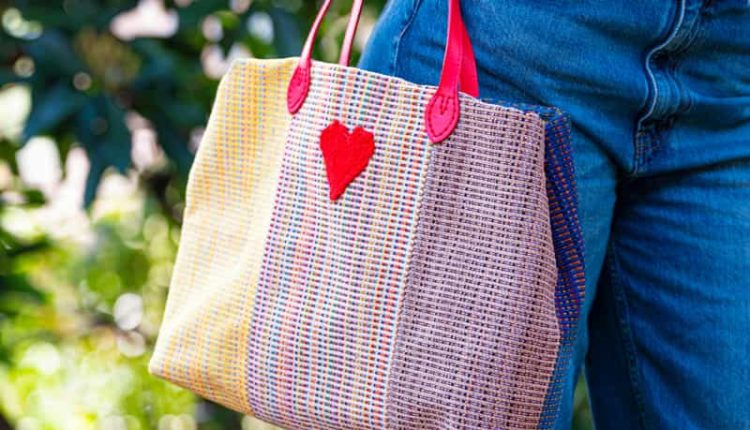
Tote Bags
Tote bags are large, open-top bags. They feature two parallel handles. They are known for their spaciousness and durability.
- Features:
- Large and roomy.
- Open-top design.
- Two parallel handles.
- Often made of sturdy materials.
- Ideal For:
- Shopping trips.
- Carrying books.
- Beach outings.
- Everyday errands.
- Materials: Canvas, nylon, leather, and cotton.
- Variations: Beach totes, shopping totes, and book totes.
Shoulder Bags
Shoulder bags have a strap. It is designed to be worn over the shoulder. They come in various shapes and sizes.
- Features:
- A single strap.
- Various sizes and shapes.
- Can be structured or slouchy.
- Easy to carry.
- Ideal For:
- Daily use.
- Work or school.
- Casual outings.
- Materials: Leather, nylon, fabric, and synthetic materials.
- Variations: Hobo bags, satchels, and sling bags.
- Hobo Bags: Characterized by a crescent shape and slouchy posture. They offer a casual, relaxed style, perfect for everyday use.
- Satchels: Structured with a flat bottom and often a top handle, providing a professional look suitable for work or school.
- Sling Bags: Designed to be worn across the body, offering a hands-free option ideal for travel or casual outings.
Crossbody Bags
Crossbody bags feature a long strap. It is worn across the body. This distributes weight evenly.
- Features:
- Long, adjustable strap.
- Worn across the body.
- Hands-free design.
- Secure and convenient.
- Ideal For:
- Travel.
- Shopping.
- Outdoor activities.
- Keeping belongings safe.
- Materials: Leather, nylon, canvas, and synthetic materials.
- Variations: Messenger bags and camera bags.
- Messenger Bags: Larger and often used for carrying laptops and documents. They are popular among students and professionals.
- Camera Bags: Designed with padded compartments to protect camera equipment. They are ideal for photographers on the go.
Clutch Bags
Clutches are small, handheld bags. They don’t have straps or handles.
- Features:
- Small and compact.
- Handheld.
- No straps or handles.
- Elegant and stylish.
- Ideal For:
- Formal events.
- Parties.
- Weddings.
- Evenings out.
- Materials: Leather, satin, velvet, and embellished fabrics.
- Variations: Envelope clutches and box clutches.
- Envelope Clutches: Shaped like an envelope, offering a sleek and minimalist design. They are perfect for carrying essential items.
- Box Clutches: Structured and rigid, often adorned with embellishments. They add a touch of glamour to any formal outfit.
Evening Bags
Evening bags are similar to clutches. They are designed for formal occasions. They often feature embellishments.
- Features:
- Small and decorative.
- Often embellished with beads or sequins.
- May have a delicate chain strap.
- Elegant and refined.
- Ideal For:
- Galas.
- Formal dinners.
- Theaters.
- Materials: Satin, silk, velvet, and metallic fabrics.
- Variations: Minaudières and wristlets.
- Minaudières: Small, ornamental cases often encrusted with jewels. They serve as a statement piece for high-end events.
- Wristlets: Small bags with a loop that can be worn around the wrist. They offer convenience and security for a night out.
Backpacks
Backpacks are worn on the back. They have two shoulder straps. They are designed for carrying heavier loads.
- Features:
- Two shoulder straps.
- Distributes weight evenly.
- Multiple compartments.
- Durable and practical.
- Ideal For:
- School.
- Hiking.
- Travel.
- Everyday use.
- Materials: Nylon, canvas, leather, and polyester.
- Variations: Daypacks, hiking backpacks, and laptop backpacks.
- Daypacks: Smaller and lightweight, ideal for everyday use and short trips.
- Hiking Backpacks: Designed with extra support and compartments for outdoor activities.
- Laptop Backpacks: Feature padded sleeves to protect laptops, catering to students and professionals.
Messenger Bags
Messenger bags are similar to crossbody bags. They are larger and more structured.
- Features:
- A long strap worn across the body.
- Flap closure.
- Multiple compartments.
- Durable and functional.
- Ideal For:
- Carrying laptops and documents.
- Students.
- Professionals.
- Cycling.
- Materials: Canvas, leather, nylon, and water-resistant fabrics.
- Variations: Courier bags and laptop messenger bags.
- Courier Bags: Designed for delivering documents and packages, offering durability and weather resistance.
- Laptop Messenger Bags: Feature padded compartments to protect laptops, making them ideal for commuting.
Duffel Bags
Duffel bags are large, cylindrical bags. They are used for carrying sports gear or travel items.
- Features:
- Cylindrical shape.
- Top zipper closure.
- Two handles and a shoulder strap.
- Spacious and durable.
- Ideal For:
- Gym.
- Sports.
- Weekend trips.
- Materials: Canvas, nylon, and leather.
- Variations: Gym duffel bags and travel duffel bags.
- Gym Duffel Bags: Include compartments for shoes and wet clothes. They are designed for workout essentials.
- Travel Duffel Bags: Larger and more durable, suitable for longer trips and heavier loads.
Wallet Bags
Wallet bags combine a wallet and a bag. They include card slots and compartments for cash.
- Features:
- Small and compact.
- Includes card slots and compartments.
- May have a wrist strap or chain strap.
- Convenient and organized.
- Ideal For:
- Shopping.
- Travel.
- Everyday use.
- Materials: Leather, synthetic materials, and fabric.
- Variations: Wristlet wallets and chain wallets.
- Wristlet Wallets: Designed with a wrist strap for easy carrying. They are ideal for quick errands.
- Chain Wallets: Feature a chain strap for added security. They are popular among those who want to keep their belongings safe.
Beach Bags
Beach bags are large and made of water-resistant materials. They are perfect for carrying beach essentials.
- Features:
- Large and spacious.
- Water-resistant materials.
- Durable and easy to clean.
- Comfortable straps.
- Ideal For:
- Beach trips.
- Pool days.
- Carrying towels, sunscreen, and snacks.
- Materials: Canvas, nylon, mesh, and plastic.
- Variations: Mesh beach bags and insulated beach bags.
- Mesh Beach Bags: Allow sand to filter through, keeping your belongings clean.
- Insulated Beach Bags: Keep food and drinks cool, perfect for long days at the beach.
Belt Bags (or Fanny Packs)
Belt bags are worn around the waist. They offer hands-free convenience.
- Features:
- Worn around the waist.
- Adjustable belt.
- Compact and secure.
- Hands-free design.
- Ideal For:
- Travel.
- Hiking.
- Festivals.
- Keeping essentials close.
- Materials: Nylon, leather, and polyester.
- Variations: Classic fanny packs and fashion belt bags.
- Classic Fanny Packs: Practical and durable, designed for utility.
- Fashion Belt Bags: Stylish and trendy, often made with high-end materials and embellishments.
Bucket Bags
Bucket bags feature a distinctive bucket shape. They usually have a drawstring closure.
- Features:
- Bucket shape.
- Drawstring closure.
- A shoulder strap.
- Roomy interior.
- Ideal For:
- Casual outings.
- Shopping.
- Everyday use.
- Materials: Leather, canvas, and suede.
- Variations: Drawstring bucket bags and open-top bucket bags.
- Drawstring Bucket Bags: Secure belongings with a cinch closure.
- Open-Top Bucket Bags: Offer easy access to items.
Saddle Bags
Saddle bags are inspired by equestrian gear. They feature a rounded shape and a flap closure.
- Features:
- Rounded shape.
- Flap closure.
- A shoulder strap.
- Vintage-inspired design.
- Ideal For:
- Everyday use.
- Adding a touch of vintage style.
- Materials: Leather and suede.
Doctor Bags
Doctor bags are inspired by those used by doctors. They feature a wide opening and a structured shape.
- Features:
- Wide opening.
- Structured shape.
- Top handles.
- Vintage-inspired design.
- Ideal For:
- Professional use.
- Adding a classic touch to an outfit.
- Materials: Leather.
Camera Bags
Camera bags are designed to protect camera equipment. They feature padded compartments and adjustable dividers.
- Features:
- Padded compartments.
- Adjustable dividers.
- A shoulder strap.
- Durable and protective.
- Ideal For:
- Photographers.
- Protecting camera gear.
- Materials: Nylon and canvas.
Cosmetic Bags
Cosmetic bags are small bags designed to hold makeup and toiletries.
- Features:
- Compact size.
- Zipper closure.
- Water-resistant lining.
- Multiple compartments.
- Ideal For:
- Travel.
- Organizing makeup.
- Everyday use.
- Materials: Nylon, plastic, and fabric.
End-Users of Handbags
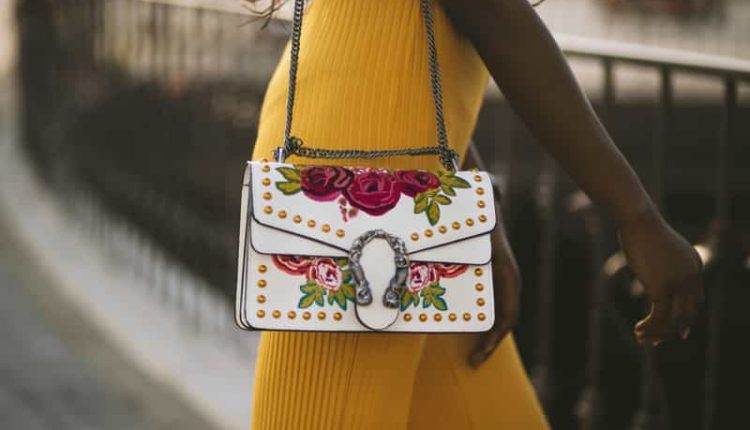
Handbags appeal to a broad audience.
- Women: The primary consumers of handbags.
- Men: An increasing number of men use bags.
- Professionals: They need bags for work.
- Students: They use bags for school.
- Travelers: They require bags for travel.
The Handbag Market
The global handbag market is huge. It is driven by fashion trends and consumer demand.
- Market Size: Billions of dollars annually.
- Key Players: Major fashion brands and retailers dominate the market.
- Growth Factors: Rising disposable incomes and changing fashion trends.
The Future of Handbags
The future of handbags looks promising.
- Sustainability: Eco-friendly materials will gain importance.
- Technology: Smart bags with integrated technology will emerge.
- Customization: Personalized bags will become more popular.
Summary
Handbags have evolved from simple pouches to essential fashion accessories. The market is driven by innovation, sustainability, and consumer demand. With numerous types and styles available, there’s a perfect handbag for everyone. As technology advances and sustainability becomes more critical, the future of handbags promises even more exciting developments.


