Introduction
In modern office design, the balance between collaboration and privacy is crucial. Open-plan layouts foster teamwork. However, they can also lead to distractions and a lack of personal space. Privacy curtains offer a versatile solution, providing visual and acoustic separation when needed. They help create quiet zones, meeting areas, or personal workspaces within a larger office environment. These curtains are not merely decorative elements. Instead, they are functional tools that enhance productivity, reduce stress, and improve employee well-being. As businesses evolve, the demand for flexible and adaptable office spaces increases, making privacy curtains an essential component of contemporary office furnishing.
History and Evolution
The concept of using curtains for privacy dates back centuries. Initially, curtains served primarily as window coverings. They provided insulation and blocked out light. Over time, their role expanded to include room dividers and decorative elements in homes. The application of curtains in office settings is a more recent development, emerging alongside the rise of open-plan offices in the mid-20th century.
Early office curtains were simple, often made of heavy, opaque fabrics. They aimed to block visual distractions. As office designs became more sophisticated, so did privacy curtains. Innovations in materials and technology led to a wider range of options. These include sound-absorbing fabrics, motorized systems, and customizable designs. Today, privacy curtains are an integral part of modern office interiors, offering a blend of functionality and aesthetic appeal.
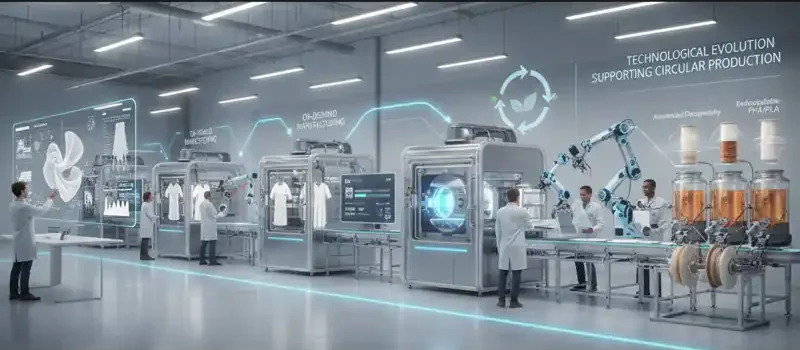
Technological Evolution
The evolution of privacy curtains reflects advancements in material science, engineering, and design. Initially, basic fabrics like cotton and linen were common. However, these materials offered limited soundproofing or light control. Modern privacy curtains utilize advanced textiles such as:
- Acoustic Fabrics: Engineered to absorb sound, reducing noise levels in the office.
- Blackout Fabrics: Designed to block out light completely, ideal for conference rooms and presentation areas.
- Antimicrobial Fabrics: Treated to resist bacteria and mold, ensuring a hygienic environment.
- Smart Fabrics: Integrated with sensors and controls for automated operation and energy efficiency.
Moreover, innovations in curtain hardware and operating systems have enhanced their functionality. Motorized curtains can be controlled remotely, offering convenience and flexibility. Track systems have become more sophisticated. This allows for smooth and quiet operation. These technological advancements have transformed privacy curtains from simple drapes into high-performance office solutions.
Source and Availability
Privacy curtains are available from a variety of sources. These include:
- Specialty Textile Manufacturers: Companies that specialize in producing technical fabrics for commercial applications.
- Office Furniture Suppliers: Vendors that offer a range of office furnishings, including privacy curtains.
- Interior Design Firms: Professionals who incorporate privacy curtains into their overall office design plans.
- Online Retailers: E-commerce platforms that provide a wide selection of privacy curtains from various brands.
- Custom Fabricators: Local businesses that create bespoke curtains tailored to specific office requirements.
The availability of privacy curtains has increased significantly. This reflects the growing demand for flexible office solutions. Businesses can choose from a wide range of options. This allows them to find the perfect curtains to meet their unique needs and budget.
Innovations in Privacy Curtains
Recent years have seen significant innovations in privacy curtain design and functionality. Some notable examples include:
- Modular Curtain Systems: These systems allow for easy reconfiguration of office spaces. This provides flexibility for changing team sizes or project needs.
- Printed and Patterned Curtains: Advanced printing technologies enable custom designs and branding on privacy curtains.
- Integrated Lighting: Some curtains feature built-in LED lighting. This enhances ambiance and provides task lighting.
- Biophilic Designs: Curtains incorporating natural elements like wood or plants. They bring a sense of nature indoors, improving employee well-being.
Production Process
The production of privacy curtains involves several key steps:
- Material Selection: Choosing the appropriate fabric based on desired properties like sound absorption, light control, and aesthetics.
- Design and Patterning: Creating the curtain design and determining the cutting patterns to minimize waste.
- Cutting: Cutting the fabric according to the patterns, often using automated cutting machines for precision.
- Sewing: Stitching the fabric pieces together. This creates the finished curtain panel. Reinforced seams and hems enhance durability.
- Hardware Installation: Attaching curtain hooks, grommets, or other hardware for hanging the curtains.
- Quality Control: Inspecting the finished curtains. They ensure they meet quality standards for dimensions, stitching, and appearance.
Challenges in the Privacy Curtain Industry
Despite the growth and innovation in the privacy curtain industry, several challenges remain:
- Cost: High-performance fabrics and advanced features can make privacy curtains expensive. This is a barrier for some businesses.
- Installation: Proper installation is crucial for optimal performance. Improper installation can compromise the curtains’ functionality and appearance.
- Maintenance: Some fabrics require special cleaning or maintenance to preserve their properties. This can add to the overall cost of ownership.
- Sustainability: The environmental impact of textile production is a growing concern. This drives the need for more sustainable materials and manufacturing processes.
Real-World Applications
Privacy curtains are used in a wide range of office settings:
- Open-Plan Offices: Creating private workstations or meeting areas within a larger open space.
- Conference Rooms: Providing visual and acoustic privacy for meetings and presentations.
- Healthcare Facilities: Ensuring patient privacy in medical offices and clinics.
- Educational Institutions: Dividing classrooms or creating quiet study areas in libraries.
- Call Centers: Reducing noise distractions and improving agent focus.
Types of Privacy Curtains
Privacy curtains come in various styles and configurations. Each is designed to meet specific needs and preferences. Here are some common types:
- Acoustic CurtainsAcoustic curtains are designed to reduce noise levels. This makes them ideal for busy offices or call centers. These curtains are made from dense, sound-absorbing materials. They minimize sound reverberation and block external noise.Features:
- High sound absorption coefficient (SAC)
- Multi-layered construction
- Heavyweight fabrics
Benefits:
- Improved speech privacy
- Reduced noise distractions
- Enhanced productivity
Materials:
- Polyester blends
- Wool
- Mass-loaded vinyl (MLV)
Applications:
- Call centers
- Conference rooms
- Open-plan offices
- Blackout CurtainsBlackout curtains block out light. This makes them perfect for conference rooms, presentation areas, or any space where light control is essential. These curtains are made from tightly woven fabrics with a special coating. They prevent light from passing through.Features:
- 100% light blockage
- Thermal insulation
- Energy efficiency
Benefits:
- Improved sleep quality
- Enhanced presentation visibility
- Reduced glare on screens
Materials:
- Polyester
- Microfiber
- Acrylic coating
Applications:
- Conference rooms
- Presentation areas
- Media rooms
- https://images.unsplash.com/photo-1531746020798-e6953c6e8e04
- Room Divider CurtainsRoom divider curtains offer a flexible way to partition office spaces. This creates temporary walls or separate work areas. These curtains are typically suspended from a track system. This allows them to be easily opened or closed as needed.Features:
- Adjustable configurations
- Easy installation
- Versatile applications
Benefits:
- Flexible space management
- Cost-effective alternative to permanent walls
- Improved privacy and focus
Materials:
- Polyester
- Cotton
- Canvas
Applications:
- Open-plan offices
- Team workspaces
- Training rooms
Here’s a table comparing the properties of the different materials mentioned:
Material Acoustic Properties Light Blocking Durability Maintenance Polyester Moderate Good High Easy Wool Excellent Moderate Moderate Moderate Mass-Loaded Vinyl Excellent Excellent High Easy Microfiber Good Excellent Moderate Easy Acrylic Coating N/A Excellent High Easy Cotton Poor Moderate Moderate Moderate Canvas Moderate Moderate High Moderate - Cubicle CurtainsCubicle curtains are designed to provide privacy and separation in cubicle workstations. These curtains are typically smaller than room divider curtains. They attach to the cubicle frame.Features:
- Easy to install
- Customizable sizes
- Variety of colors and patterns
Benefits:
- Enhanced privacy
- Reduced distractions
- Improved focus
Materials:
- Polyester
- Vinyl
- Mesh
Applications:
- Call centers
- Open-plan offices
- Government offices
https://images.unsplash.com/photo-1588075592117-f9798a883a33
- Motorized CurtainsMotorized curtains offer convenience and automation. These curtains can be opened and closed with a remote control or a smartphone app. They are ideal for conference rooms or executive offices.Features:
- Remote control operation
- Programmable settings
- Integration with smart home systems
Benefits:
- Convenient operation
- Energy efficiency
- Enhanced security
Materials:
- Various fabrics
- Motorized track system
- Electronic controls
Applications:
- Conference rooms
- Executive offices
- Home theaters
- Sheer CurtainsSheer curtains provide a degree of privacy. They allow natural light to filter through. These curtains are made from lightweight, translucent fabrics. They offer a soft and airy feel.Features:
- Light filtering
- Soft aesthetic
- Enhanced ambiance
Benefits:
- Natural light
- Subtle privacy
- Decorative appeal
Materials:
- Polyester
- Nylon
- Lace
Applications:
- Reception areas
- Waiting rooms
- Break rooms
- Antimicrobial CurtainsAntimicrobial curtains are treated with special coatings. These coatings inhibit the growth of bacteria and mold. They are essential for healthcare facilities and other environments.Features:
- Antimicrobial properties
- Hygienic
- Durable
Benefits:
- Reduced risk of infection
- Improved air quality
- Long-lasting protection
Materials:
- Polyester
- Nylon
- Antimicrobial coating
Applications:
- Healthcare facilities
- Laboratories
- Clean rooms
End-Users
The primary end-users of privacy curtains include:
- Businesses: Companies of all sizes that need to create flexible and private workspaces.
- Healthcare Facilities: Hospitals, clinics, and medical offices that require patient privacy.
- Educational Institutions: Schools, colleges, and universities that use curtains to divide classrooms or create study areas.
- Government Agencies: Government offices that need to secure sensitive information and create private meeting spaces.
- Interior Designers: Professionals who incorporate privacy curtains into their office design projects.
Market Analysis
The market for privacy curtains is growing. This growth is driven by the increasing adoption of open-plan offices and the demand for flexible workspace solutions. Key trends in the market include:
- Demand for Acoustic Curtains: Noise reduction is a top priority in busy offices.
- Growing Popularity of Motorized Systems: Automation and convenience are driving the adoption of motorized curtains.
- Increasing Focus on Sustainability: Eco-friendly materials and manufacturing processes are gaining traction.
- Customization: Businesses are seeking custom-designed curtains that reflect their brand and culture.
The market is competitive, with numerous players offering a range of privacy curtain solutions. Companies are differentiating themselves through product innovation, quality, and customer service.
The Future of Privacy Curtains
The future of privacy curtains is likely to be shaped by several emerging trends:
- Smart Curtains: Integration with IoT devices and building management systems for automated control and energy efficiency.
- Advanced Materials: Development of new fabrics with enhanced acoustic, light control, and antimicrobial properties.
- Sustainable Designs: Increased use of recycled and biodegradable materials to reduce environmental impact.
- Personalization: Greater emphasis on custom designs and personalized features to meet individual user needs.
Summary
Privacy curtains are an essential element of modern office design. They provide a flexible and cost-effective way to create private workspaces, reduce noise, and improve employee well-being. The market offers a wide range of options, from acoustic and blackout curtains to motorized and antimicrobial systems. As technology advances and sustainability becomes more important, privacy curtains will continue to evolve. This provides even greater functionality and environmental benefits. By understanding the different types of privacy curtains and their applications, businesses can create more productive and comfortable office environments.