This comprehensive article dives into the world of lab-grown leather—a biotechnology breakthrough transforming fashion. From production techniques to environmental benefits and market trends, discover how bioleather is setting a new standard in textile innovation.
Introduction
In a world increasingly driven by ethical choices and sustainability, the fashion and textile industries are undergoing a seismic transformation. One of the most talked-about innovations is lab-grown leather, also known as biofabricated or cultured leather. This futuristic material is grown from animal cells or plant-based collagen, offering the look, feel, and durability of traditional leather—without the environmental toll or ethical concerns associated with animal agriculture.
As consumers demand transparency and planet-friendly alternatives, lab-grown leather has stepped into the spotlight. It’s not just a substitute; it’s a symbol of the next generation of materials—where biotechnology, sustainability, and fashion converge.
A Historical Glance: From Animal Hides to Biofabricated Materials
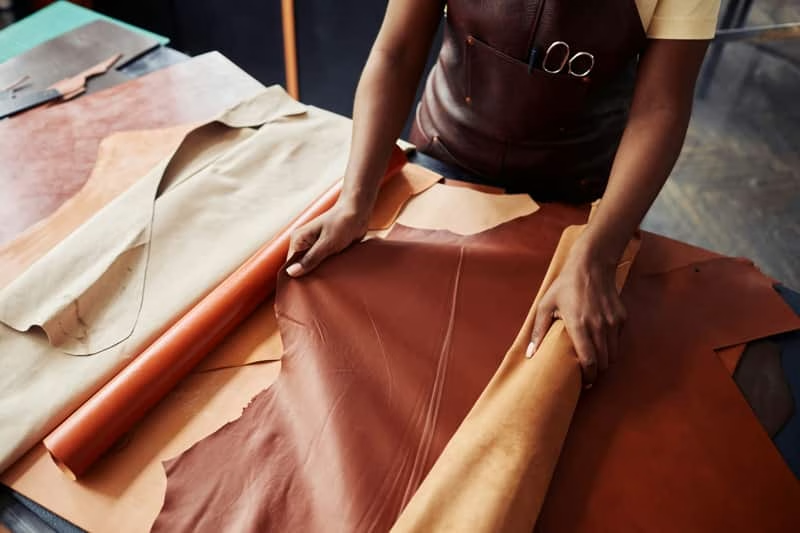
Leather has a deep-rooted history dating back to prehistoric times. Early civilizations used animal hides for protection and status, with tanning methods evolving over centuries. From vegetable tanning in ancient Egypt to chromium tanning in the modern era, leather production has always relied heavily on livestock and resource-intensive processes.
The turning point came in the early 2010s when scientists began experimenting with cell culture and tissue engineering to grow leather in labs. With advancements in biotechnology and materials science, the idea of cruelty-free leather became increasingly viable. The emergence of companies focused on bioleather, including Modern Meadow and VitroLabs, marked the beginning of this material revolution.
The Science Behind Lab-Grown Leather
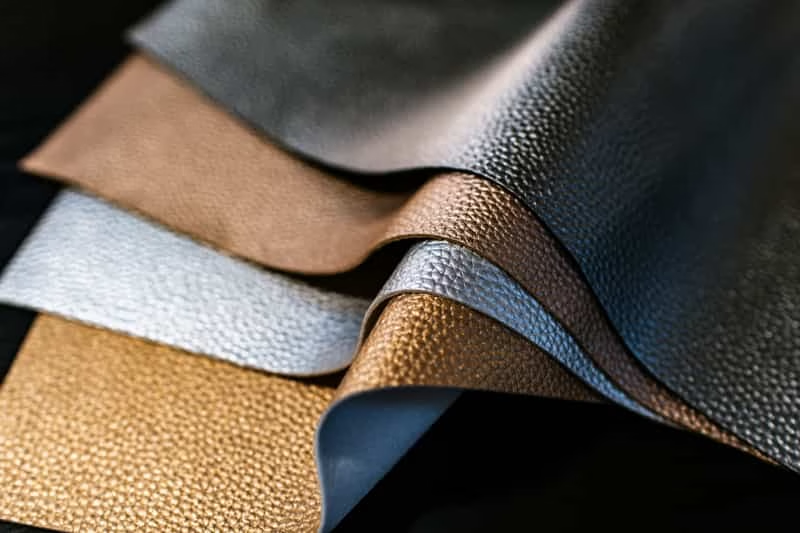
Lab-grown leather is created using two main methods:
- Cell-Cultured Leather: Derived from real animal cells grown in bioreactors, mimicking the biological structure of animal hide.
- Plant-Based Bioleather: Uses genetically engineered yeast, bacteria, or fungi to produce collagen or similar proteins, which are then assembled into leather-like materials.
The Cell-Cultured Process:
| Step | Description |
|---|---|
| 1 | Animal skin biopsy collected (no harm involved) |
| 2 | Fibroblasts and keratinocytes isolated and cultured |
| 3 | Cells proliferate in bioreactors under controlled conditions |
| 4 | Collagen fibers self-assemble into sheets |
| 5 | Material is tanned and finished like traditional leather |
Plant-Based Bioleather Process:
| Step | Description |
|---|---|
| 1 | Microorganisms engineered to produce collagen or polymers |
| 2 | Fermentation in bio-vats creates biomass |
| 3 | Material harvested and processed into flexible sheets |
| 4 | Coating and texturing applied for desired finish |
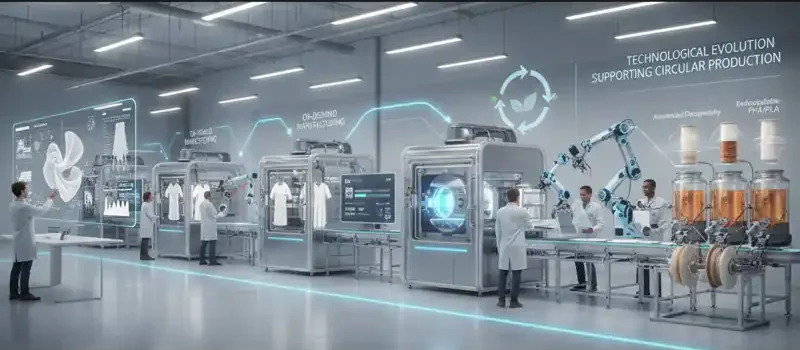
Technological Advancements Fueling Adoption
Several innovations are making lab-grown leather more viable and scalable:
- Scaffold Engineering: Helps structure the growing collagen fibers for uniform thickness and texture.
- AI-Optimized Bioreactors: Adjusts nutrient and oxygen flow for faster cell proliferation.
- Enzymatic Tanning: Uses natural enzymes instead of toxic chromium salts.
- Programmable Texture Design: Engineers grain patterns and stretch properties digitally.
These advances reduce production times and improve material consistency, bringing lab-grown leather closer to industrial-scale manufacturing.
Types and Varieties of Lab-Grown Leather
Lab-grown leather comes in different compositions and use cases:
- Cell-Based Leather: Closest in structure to animal hide; high-end applications
- Microbial Bioleather: Derived from yeast or mycelium (fungi); biodegradable and vegan
- Hybrid Materials: Combines plant and synthetic components for cost-effective production
- Custom-Fabricated Sheets: Tailored thickness and finishes for fashion, upholstery, or footwear
Each type offers unique advantages, from ethical appeal to environmental performance.
Real-World Applications
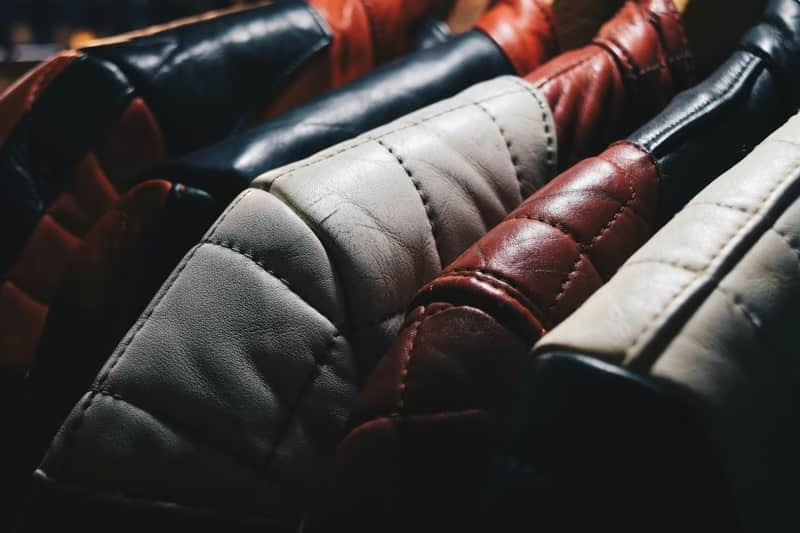
Lab-grown leather is finding traction across various sectors:
- Luxury Fashion: Brands like Hermès and Stella McCartney have explored bioleather prototypes
- Automotive Interiors: Electric vehicle makers are using it for sustainable cabin design
- Footwear: Sneakers and boots made with bioleather for cruelty-free branding
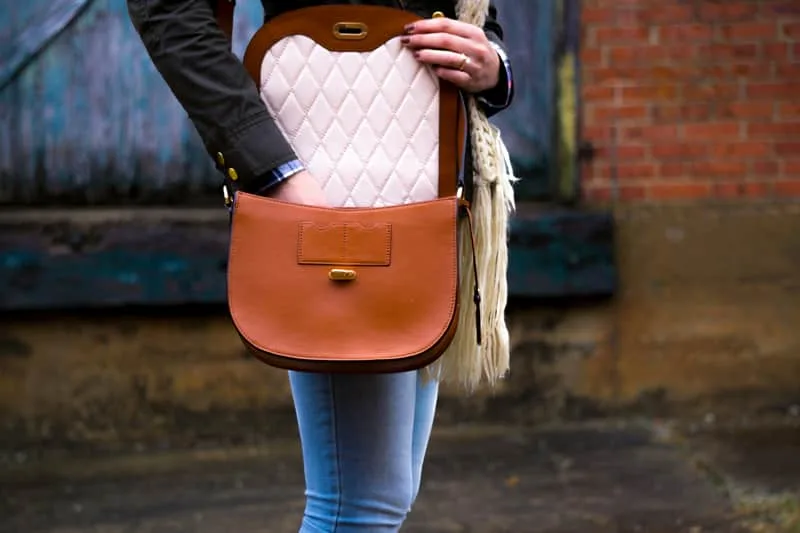
- Furniture and Accessories: Bags, wallets, and sofas featuring durable lab-grown alternatives
Sustainability Impact
Lab-grown leather offers compelling environmental benefits:
| Factor | Traditional Leather | Lab-Grown Leather |
|---|---|---|
| Water Use | ~17,000 liters/kg | <1,000 liters/kg |
| Carbon Emissions | High (methane + processing) | Up to 90% lower |
| Land Use | Requires grazing + tanning space | Vertical lab facilities |
| Toxic Chemicals | Chromium, formaldehyde | Enzyme or water-based finishes |
It also eliminates the ethical dilemmas of animal farming, aligning with vegan values and reducing biodiversity loss.
Market Dynamics and End-User Segmentation
Lab-grown leather appeals to:
- Ethical Consumers: Prioritizing cruelty-free, animal-free products
- Sustainability Advocates: Looking to reduce fashion’s carbon footprint
- Luxury Market: Seeking innovation and exclusivity
- Tech-Driven Brands: Merging biotechnology with design
The bioleather market is projected to surpass $3 billion by 2030, driven by investment in biotech and conscious consumerism.
Challenges in Commercialization

Despite its promise, lab-grown leather faces several hurdles:
- High Production Costs: Bioreactors and R&D remain expensive
- Scale Limitations: Current facilities can’t yet meet mass-market demands
- Material Standards: Needs to meet abrasion, elasticity, and tensile benchmarks
- Regulatory Gray Areas: No unified standards for labeling and classification
Addressing these challenges requires ongoing research, public-private partnerships, and consumer education.
Certifications and Compliance
Certifying lab-grown leather ensures transparency and trust:
- PETA-Approved Vegan: Confirms no animal derivatives used
- ISO Biotech Compliance: Ensures lab standards for safety and quality
- Cradle to Cradle: Measures lifecycle impact
- Global Recycled Standard (GRS): For hybrid blends with recycled content
These standards are essential for legitimacy in both ethical and luxury markets.
Consumer Perception and Branding

Marketing lab-grown leather is as much about values as it is about material:
- Transparency: Show the production process and ingredient sourcing
- Storytelling: Emphasize cruelty-free innovation and environmental benefits
- Design Appeal: Highlight aesthetic and functional parity with real leather
- Limited Editions: Create exclusivity through collaborations and pre-orders
As awareness grows, bioleather is becoming a lifestyle statement—especially for Gen Z and millennial shoppers.
Future Trends in Biofabricated Leather
The road ahead includes exciting developments:
- 3D Printed Leather: Customized textures and structures layer-by-layer
- Programmable Leather: Smart materials with temperature or pressure responsiveness
- Open-Source Leather Platforms: Democratizing R&D for small brands
- Global Biofabrication Hubs: Decentralized, localized production
These trends point toward a decentralized, inclusive, and eco-conscious leather industry.
Summary
Lab-grown leather is more than a technological marvel—it’s a disruption redefining what leather can be. By merging ethics with innovation, this material has set the stage for a cleaner, smarter, and more inclusive fashion and textile future.
As scale increases and costs decline, biofabricated leather could soon become the norm rather than the novelty. The revolution is growing—one cultured cell at a time.
Citations:
- Modern Meadow: https://www.modernmeadow.com
- VitroLabs: https://www.vitolabs.com
- Journal of Cleaner Production – Biotechnological Approaches to Leather: https://www.sciencedirect.com/science/article/pii/S0959652620309269