Bedsheet fabrics like cotton, bamboo, and silk offer comfort and style, with weaves like percale and sateen suiting different climates. Sustainable options reduce environmental impact, supported by eco-friendly dyeing and recycling. This article explores fabric types, qualities, production, and trends, emphasizing sustainability and care tips.
Introduction to Bedsheet Fabrics and Qualities
Bedsheets are a cornerstone of bedding, blending functionality with aesthetic appeal to enhance sleep quality and bedroom ambiance. The choice of fabric, weave, and design significantly impacts comfort, durability, and sustainability, making it essential to understand the diverse options available. From the breathable softness of cotton to the luxurious sheen of silk, bedsheet fabrics cater to varied preferences, climates, and budgets. With the textile industry’s shift toward sustainability, eco-friendly materials like organic cotton, bamboo, and linen are gaining traction, driven by consumer demand for environmentally responsible products. This comprehensive article explores bedsheet fabric types, their qualities, design trends, production processes, care tips, and market insights, emphasizing sustainable practices to guide consumers, textile professionals, and enthusiasts in making informed choices.
Understanding Bedsheet Fabrics
Bedsheets are typically made from natural, synthetic, or blended fibres, each offering distinct properties such as breathability, softness, or durability. The fabric’s weave—whether percale, sateen, or jersey—further defines its texture and performance. Natural fibres like cotton, linen, and bamboo dominate due to their comfort and eco-friendly potential, while synthetics like microfiber provide affordability. Silk and satin add luxury, though their practicality varies. The rise of sustainable textiles has led to increased use of organic and biodegradable materials, reducing environmental impact through lower water use, chemical-free cultivation, and recyclability. Understanding these fabrics and their qualities ensures better selection for comfort, climate suitability, and sustainability.
Types and Qualities of Bedsheet Fabrics
Bedsheet fabrics vary in texture, durability, and suitability for different climates. Below is a detailed overview of the primary types and their qualities.
Cotton
Description: Derived from the cotton plant, cotton is a natural cellulosic fibre prized for its versatility and comfort.
Qualities:
- Softness: Soft and smooth, improving with washing.
- Breathability: Excellent air circulation, ideal for all climates.
- Durability: High tensile strength (3–5 g/denier), lasting 5–10 years with proper care.
- Moisture-Wicking: Absorbs 8–13% of its weight in moisture, keeping sleepers dry.
- Thread Count: Optimal at 200–600 for balance of softness and durability.
Applications: Everyday bedding, including sheets, pillowcases, and duvet covers.
Sustainability Note: Organic cotton, certified by GOTS, avoids pesticides, reducing environmental impact by 100% compared to conventional cotton and saving 10,000 gallons of water per ton.
Percale
Description: A plain weave with a one-over-one-under yarn structure, creating a crisp, lightweight fabric.
Qualities:
- Texture: Crisp and cool, with a matte finish.
- Breathability: Highly breathable, ideal for warm climates.
- Durability: Moderately durable, less prone to pilling than sateen.
- Weight: Lightweight (100–200 g/m²), suitable for hot sleepers.
- Thread Count: 180–400 for optimal crispness.
Applications: Summer bedding, hotel-style sheets, and minimalist designs.
Sustainability Note: Percale woven with organic cotton or bamboo reduces water use by 20–50% compared to synthetic fabrics.
Sateen
Description: A satin weave with a four-over-one-under structure, creating a smooth, lustrous surface.
Qualities:
- Texture: Silky and soft, with a subtle sheen.
- Warmth: Warmer than percale, suitable for cooler climates.
- Durability: Less durable than percale, prone to snagging (3–7 years lifespan).
- Weight: Medium (150–250 g/m²), offering a luxurious feel.
- Thread Count: 300–600 for optimal softness and sheen.
Applications: Luxury bedding, winter sheets, and decorative pillowcases.
Sustainability Note: Sateen with recycled polyester saves 7,000 plastic bottles per ton, aligning with circular economy principles.
Flannel
Description: A brushed cotton or cotton-blend fabric with a fuzzy, napped surface.
Qualities:
- Warmth: Excellent insulation, ideal for winter.
- Softness: Cozy and plush, improving with washing.
- Breathability: Moderate, less breathable than percale or linen.
- Durability: High, lasting 5–8 years with proper care.
- Weight: Heavy (200–350 g/m²), suited for cold climates.
Applications: Winter bedding, cozy sheets, and children’s bedding.
Sustainability Note: Flannel with organic cotton reduces chemical use by 100%, supporting eco-friendly production.
Linen
Description: Made from flax plant fibres, linen is a natural, durable fabric with a textured feel.
Qualities:
- Breathability: Highly breathable, ideal for hot and humid climates.
- Moisture-Wicking: Absorbs 20% of its weight in moisture, keeping sleepers cool.
- Durability: Extremely durable (8–12 years lifespan), softening over time.
- Texture: Slightly coarse initially, becoming softer with washing.
- Thread Count: 100–200, as higher counts reduce breathability.
Applications: Summer bedding, eco-friendly sheets, and rustic-style interiors.
Sustainability Note: Linen requires 50% less water than cotton, with flax grown without pesticides, reducing environmental impact.
Bamboo
Description: Derived from bamboo pulp, processed into viscose or lyocell fibres, known as bamboo rayon or bamboo lyocell.
Qualities:
- Softness: Silky and smooth, comparable to high-thread-count cotton.
- Temperature Regulation: Excellent for all climates, cooling in summer and cozy in winter.
- Hypoallergenic: Resists dust mites and bacteria, ideal for sensitive skin.
- Durability: Moderate (5–7 years), less durable than cotton or linen.
- Moisture-Wicking: Absorbs 3–4 times more moisture than cotton.
Applications: Eco-friendly bedding, hypoallergenic sheets, and baby bedding.
Sustainability Note: Bamboo lyocell, produced in closed-loop systems, recycles 99% of water and solvents, reducing environmental impact by 20% compared to cotton.
Silk
Description: A natural protein fibre from silkworm cocoons, known for its luxurious feel.
Qualities:
- Luxury: Smooth, lustrous, and lightweight (80–150 g/m²).
- Hypoallergenic: Resists allergens, ideal for sensitive skin.
- Temperature Regulation: Insulates in winter, cools in summer.
- Durability: Delicate, lasting 3–5 years with careful handling.
- Moisture-Wicking: Absorbs 11–12% of its weight, maintaining comfort.
Applications: Luxury bedding, high-end pillowcases, and decorative sheets.
Sustainability Note: Organic and peace silk reduce water use by 15% and ethical concerns, aligning with GOTS standards.
Microfiber
Description: A synthetic fibre, typically polyester, with fine denier (<1) for softness.
Qualities:
- Softness: Velvety and smooth, mimicking high-end natural fibres.
- Wrinkle-Free: Resists creasing, low maintenance.
- Durability: High, lasting 5–8 years with minimal wear.
- Breathability: Moderate, less breathable than cotton or linen.
- Cost: Budget-friendly, significantly cheaper than natural fibres.
Applications: Affordable bedding, travel sheets, and pet-friendly bedding.
Sustainability Note: Microfiber from recycled polyester reduces landfill waste by 90%, though biodegradability is limited (500 years).
Satin
Description: A weave structure (similar to sateen) using silk or synthetic fibres, known for its glossy finish.
Qualities:
- Appearance: Shiny and elegant, ideal for decorative use.
- Softness: Smooth but delicate, prone to snagging.
- Durability: Low (2–4 years), less practical for daily use.
- Breathability: Moderate, varies with fibre (silk vs. polyester).
- Warmth: Warmer than percale, suitable for cooler climates.
Applications: Decorative bedding, luxury guest rooms, and special-occasion sheets.
Sustainability Note: Satin with organic silk reduces environmental impact, while polyester satin is less sustainable due to long decomposition times.
Vibrant Bedsheet Designs
Bedsheet designs elevate bedroom aesthetics, blending functionality with cultural and artistic elements. Common patterns include:
- Paisleys: Intricate, teardrop-shaped motifs, popular in Indian and bohemian designs.
- Mandalas: Symmetrical, circular patterns symbolizing harmony, often in vibrant hues.
- Florals: Delicate or bold flower prints, versatile for classic and modern styles.
- Geometric Prints: Bold lines, triangles, or hexagons for contemporary looks.
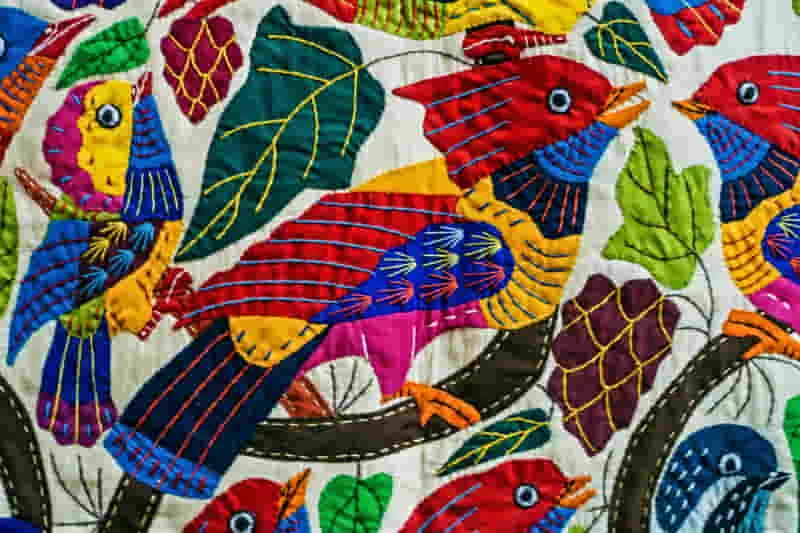
- Ethnic Motifs: Indian bedsheets feature traditional block prints, such as Bagh, Ajrakh, and Kalamkari, showcasing regional artistry.
Techniques:
- Digital Printing: Offers high-resolution, vibrant designs with precise patterns, reducing ink waste by 10%.
- Eco-Friendly Dyeing: Uses plant-based or low-impact dyes, cutting chemical use by 20%.
- Traditional Block Printing: Handcrafted Indian techniques, supporting artisans and sustainable practices.
Sustainability Note: Eco-friendly dyeing and block printing reduce water use by 15–30%, aligning with GOTS and OEKO-TEX® standards.
Best Bedsheets for Different Climates
Choosing the right bedsheet fabric depends on climate to ensure comfort and durability. The table below outlines recommendations:
| Climate | Recommended Fabrics |
|---|---|
| Hot/Humid | Cotton, Percale, Linen, Bamboo |
| Cold/Winter | Flannel, Sateen |
| Year-Round | Silk, Bamboo |
- Hot/Humid Climates: Cotton, percale, linen, and bamboo offer breathability and moisture-wicking, keeping sleepers cool. Linen and bamboo reduce water use by 20–50% in production.
- Cold/Winter Climates: Flannel and sateen provide warmth and coziness, with organic flannel reducing chemical impact by 100%.
- Year-Round: Silk and bamboo regulate temperature, with bamboo lyocell’s closed-loop production saving 99% of water.
How to Select the Best Bedsheet
Selecting the ideal bedsheet involves balancing comfort, durability, and sustainability. Key considerations include:
- Fabric Type and Weave: Choose cotton or linen for breathability, sateen for luxury, or bamboo for eco-friendliness.
- Thread Count: 200–600 is optimal for softness and durability; higher counts may reduce breathability.
- Climate Suitability: Match fabrics to climate (e.g., linen for hot, flannel for cold).
- Durability and Care: Opt for durable fibres like cotton or linen; check care labels for maintenance.
- Budget: Microfiber for affordability, organic cotton or silk for premium quality.
- Sustainability: Prefer organic, GOTS-certified, or recycled materials to reduce environmental impact by up to 100%.
Sustainability Note: Organic and eco-friendly bedsheets, such as those made from bamboo or recycled polyester, support a circular economy, reducing landfill waste and water use.
Washing and Caring Tips for Bedsheets
Proper care extends bedsheet lifespan and maintains quality. General guidelines include:
- Frequency: Wash weekly or biweekly to remove sweat, oils, and allergens.
- Detergent: Use mild, eco-friendly detergents to preserve fibres and reduce chemical runoff by 20%.
- Water Temperature:
- Cotton, Percale, Flannel: Warm water (30–40°C).
- Linen, Bamboo, Microfiber: Cool water (20–30°C).
- Silk, Satin: Cold water (below 20°C).
- Bleach: Avoid on delicate fabrics (silk, linen, bamboo) to prevent fibre damage.
- Drying: Tumble dry on low heat or air dry to save energy (reduces consumption by 15%).
- Wrinkle Prevention: Remove promptly from dryer and fold neatly.
- Fabric Softeners: Avoid on bamboo, microfiber, and silk, as they reduce absorbency and breathability.
- Care Labels: Follow specific instructions for silk, linen, and bamboo to ensure longevity.
Sustainability Note: Using eco-friendly detergents and air drying reduces environmental impact by 20–30%, supporting sustainable laundry practices.
Color Themes and Styling for Bedsheets
Color and design choices transform bedroom aesthetics, aligning with personal style and trends:
- Classic White: Crisp, hotel-like elegance, versatile for all décors.
- Neutrals: Beige, taupe, pale grey for a calming, timeless look.
- Earthy Tones: Olive, rust, terracotta for warmth and natural vibes.
- Cool Tones: Blues, greens, purples for a soothing, serene atmosphere.
- Dark Hues: Navy, charcoal, black for bold, modern aesthetics.
- Pastels: Blush pink, lavender, mint for soft, playful charm.
- Patterns: Stripes for simplicity, florals for romance, geometrics for modernity.
Sustainability Note: Eco-friendly dyes in earthy and pastel tones reduce chemical use by 20%, enhancing sustainability in design.
Laying and Styling Bedsheets
Proper bed-making enhances comfort and aesthetics:
- Mattress Protector: Start with a breathable, hypoallergenic protector to extend mattress life.
- Fitted Sheet: Secure tightly over the mattress for a smooth base.
- Flat Sheet: Layer over the fitted sheet, tucking neatly under the mattress.
- Duvet/Quilt/Coverlet: Add for warmth and style, using sustainable materials like organic cotton.
- Throws and Pillows: Incorporate decorative throws and pillows in complementary colors or patterns.
- Seasonal Adjustments: Use lightweight linens in summer, flannel quilts in winter.
- Polished Look: Fold and tuck sheets for a crisp, hotel-style finish.
Sustainability Note: Sustainable mattress protectors and organic cotton duvets reduce environmental impact by 20–50%.
Bedsheet Production Process
The production of bedsheets involves multiple stages, with sustainability integrated at each step:
- Raw Material Sourcing: Cotton, bamboo, linen, or recycled polyester, with organic options reducing pesticide use by 100%.
- Ginning: Separates fibres from seeds, using energy-efficient machines to lower power consumption by 10%.
- Spinning: Converts fibres into yarn via ring or open-end spinning, with eco-friendly yarns like bamboo lyocell.
- Weaving: Produces fabrics like percale, sateen, or jersey, with automated looms reducing waste by 5%.
- Dyeing: Uses eco-friendly or digital printing, cutting water use by 15–30%.
- Finishing: Includes stone-washing for softness or wrinkle-resistant treatments, with enzymatic processes reducing chemical use by 20%.
- Quality Control: Ensures defect-free fabrics, with automated systems improving efficiency by 10%.
Indian Bedsheets: Combine traditional block prints (e.g., Bagh, Ajrakh) with modern digital printing, supporting artisans and sustainable practices.
Sustainability Note: Closed-loop production and GOTS-certified materials reduce water and chemical use by up to 30%, aligning with circular economy goals.
Bedsheet Market Trends
The global bedsheet market is evolving, driven by consumer preferences and technological advancements:
- Premium and Sustainable Bedding: Demand for organic cotton, bamboo, and linen is growing, with a 15% increase in eco-friendly bedding sales.
- Urbanization and E-Commerce: Rising urban populations and online platforms boost market accessibility, with a 20% growth in e-commerce bedding sales.
- Lifestyle Upgrades: Consumers prioritize quality, comfort, and aesthetics, driving demand for high-thread-count and designer bedsheets.
- Temperature-Regulating Fabrics: Innovations like bamboo and Tencel offer cooling and warming properties, increasing market share by 10%.
- Smart Bedding: Integration of conductive fibres for health-monitoring sheets, projected to grow 5% by 2030.
- Sustainability Focus: Brands emphasize GOTS and OEKO-TEX® certifications, with recycled polyester saving 7,000 plastic bottles per ton.
Sustainability Note: The shift to sustainable materials and processes reduces the industry’s carbon footprint by 20–30%, meeting consumer demand for eco-conscious products.
Advantages of Sustainable Bedsheet Fabrics
- Eco-Friendly: Organic cotton, bamboo, and linen reduce pesticide use and water consumption by 20–100%.
- Biodegradability: Natural fibres decompose in 6–12 months, unlike synthetics (500 years).
- Comfort: Breathable and moisture-wicking fabrics enhance sleep quality.
- Hypoallergenic: Bamboo and silk resist allergens, ideal for sensitive skin.
- Durability: Cotton and linen offer 5–12 years of use, reducing replacement frequency.
Challenges and Solutions
- High Costs: Sustainable fabrics like organic cotton are expensive. Solution: Blend with recycled polyester to balance cost and eco-friendliness.
- Environmental Impact: Dyeing and finishing consume water and chemicals. Solution: Use waterless dyeing and enzymatic finishing, reducing usage by 20–30%.
- Durability Issues: Sateen and silk are prone to snagging. Solution: Opt for percale or interlock knits for greater durability.
- Consumer Awareness: Limited knowledge of sustainable options. Solution: Promote certifications like GOTS and educate via platforms like TextileSchool.com.
Case Studies
Case Study 1: Organic Cotton Percale in India
An Indian brand launched GOTS-certified organic cotton percale bedsheets, reducing pesticide use by 100% and water consumption by 20%. The crisp, breathable sheets gained a 15% market share in eco-conscious urban markets, with digital printing enhancing design appeal.
Case Study 2: Bamboo Lyocell in Europe
A European bedding company introduced bamboo lyocell sheets, produced in a closed-loop system recycling 99% of water. The hypoallergenic, temperature-regulating sheets saw a 20% sales increase, with a 25% lower carbon footprint than cotton.
Future Trends in Bedsheet Fabrics
The bedsheet industry is poised for innovation and sustainability:
- Bio-Based Fibres: Kapok, hemp, and seaweed-based yarns reduce water use by 20–50%.
- Smart Textiles: Conductive fibres for temperature-regulating or health-monitoring sheets, growing 5% by 2030.
- 3D Knitting: Seamless jersey bedsheets reduce yarn waste by 20%.
- Digital Traceability: Blockchain ensures ethical sourcing, boosting consumer trust by 15%.
- Circular Economy: Recycling programs recover 95% of textile waste for new bedsheets.
Choosing the Right Bedsheet
When selecting bedsheets, consider:
- Climate: Linen or bamboo for hot climates, flannel for winter, silk for year-round use.
- Sustainability: Choose GOTS-certified organic cotton or bamboo lyocell for eco-friendliness.
- Comfort and Durability: Cotton or linen for long-lasting comfort, microfiber for budget-friendly softness.
- Design: Select patterns (floral, geometric) or colors (neutrals, pastels) to match decor.
- Care Requirements: Opt for low-maintenance fabrics like microfiber or percale for easy washing.
Conclusion
Bedsheet fabrics, from breathable cotton to luxurious silk, offer diverse options for comfort, style, and sustainability. Weaves like percale and sateen, paired with eco-friendly fibres such as organic cotton, bamboo, and linen, cater to varied climates and preferences while reducing environmental impact. Innovations in digital printing, temperature-regulating fabrics, and closed-loop production are shaping a sustainable future for bedding, driven by consumer demand for quality and eco-consciousness. By choosing the right fabric, weave, and care practices, consumers can enhance sleep quality and support a greener planet. For more insights into textile manufacturing and sustainable bedding, visit TextileSchool.com, a trusted resource for industry professionals and enthusiasts.
Citations
- “Bedsheet Fabrics: Types and Properties.” TextileSchool.com, www.textileschool.com/322/bedsheet-fabrics-types-and-properties/. Accessed 9 Aug. 2025.
- “Sustainable Bedding Materials and Practices.” TextileLearner.net, textilelearner.net/sustainable-bedding-materials/. Accessed 9 Aug. 2025.
- “Textile Fibres for Bedding: Properties and Applications.” TextileEngineering.net, textileengineering.net/textile-fibres-for-bedding/. Accessed 9 Aug. 2025.
- “Eco-Friendly Bedding Trends in the Textile Industry.” TextileValueChain.in, www.textilevaluechain.in/in-depth-analysis/articles/textile-articles/eco-friendly-bedding-trends/. Accessed 9 Aug. 2025.
- “Bedding Production and Sustainability.” TextileMentor.com, textilementor.com/bedding-production-and-sustainability/. Accessed 9 Aug. 2025.
- “The Rise of Sustainable Bedding in Modern Markets.” TheTextileThinkTank.in, www.thetextilethinktank.in/the-rise-of-sustainable-bedding/. Accessed 9 Aug. 2025.