

Loom technology has transformed the textile industry from ancient hand-operated devices to modern, computer-controlled machines. Looms have powered the growth of textile manufacturing, influenced social and economic changes, and continue to evolve with cutting-edge digital innovations. This article explores the historical journey, technical evolution, and future prospects of looms, offering a detailed view into how they have shaped the world of textiles.
Early Beginnings and Primitive Looms
The Dawn of Textile Production
Long before the industrial revolution, early humans developed primitive methods to weave fibers into fabric. Archeological evidence suggests that as early as 5000 BCE, communities in the Near East and South Asia wove simple textiles using basic looms constructed from wood and bone. These early devices provided the foundation for subsequent technological advancements.
In these ancient times, looms were simple frames where hand-spun fibers were interlaced. The primary focus was on functionality, and early weavers used natural resources readily available to them. Tools and techniques improved gradually as humans refined their methods of fiber processing and weaving.
Key Features of Primitive Looms:
- Basic Frame Construction: Early looms were simple, using a rectangular wooden frame with warp threads fixed at each end.
- Handheld Weft Insertion: The weft, or filling yarn, was manually inserted using a shuttle.
- Limited Complexity: Early looms allowed for only basic plain weaving, limiting the variety of textile patterns.
For more insights into early textile methods, explore our Ancient Textiles section.

Technological Innovations in the Ancient World
Civilizations such as Egypt, Mesopotamia, China, and the Indus Valley introduced innovations that significantly improved loom efficiency. The invention of the vertical loom around 3000 BCE and the development of the treadle loom during the early Iron Age allowed for increased productivity and pattern complexity.
These advancements introduced:
- Vertical Looms: Enabled weavers to work in an upright position, improving efficiency and ergonomics.
- Treadle Mechanisms: Allowed for automated raising and lowering of warp threads, creating intricate patterns and enabling faster production cycles.
- Improved Shuttle Designs: Facilitated smoother and quicker insertion of the weft, reducing manual labor and increasing production speed.
A breakthrough came with the introduction of the Jacquard loom in the early 19th century. Although much later than these early innovations, its conceptual roots trace back to these ancient developments.
Table: Milestones in Early Loom Evolution
| Era | Invention/Innovation | Description |
|---|---|---|
| 5000 BCE | Primitive Loom | Basic wooden frames with fixed warp threads |
| 3000 BCE | Vertical Loom | Allowed upright working position and improved efficiency |
| Early Iron Age | Treadle Loom | Introduced foot-operated mechanisms for warp control |
| 1400–1500 CE | Improved Shuttle Designs | Enabled faster and more efficient weft insertion |
These early innovations set the stage for later developments that revolutionized textile production.
The Middle Ages: Weaving Traditions and Technological Refinements
Medieval Looms and the Rise of Weaving Guilds
During the Middle Ages, weaving became a prominent craft across Europe, Asia, and the Middle East. Looms evolved from simple hand-operated devices to more complex machines as weaving became both an art and a commercial enterprise.
Medieval looms were typically larger, fixed devices that required multiple weavers. The emergence of weaving guilds standardized techniques and protected trade secrets. These guilds promoted training, ensured quality control, and spurred technological innovation.
Key Developments:
- Warp-Weighted Looms: Common in Europe, these looms used weights to maintain tension in the warp threads, resulting in more consistent fabrics.
- Horizontal Looms: These looms allowed for more efficient weaving compared to their vertical counterparts, as the horizontal alignment improved the handling of longer warp threads.
- Pattern Weaving: Weavers began to experiment with decorative patterns, leading to the production of brocades and damasks.
For more details on medieval textile techniques, check out our resources on Medieval Weaving.
Technological Refinements and Social Impact
The evolution of looms during the Middle Ages not only improved textile quality but also had significant social implications. Weaving became a major industry that provided employment for thousands. It influenced trade, contributed to urban growth, and even played a role in the development of early banking systems through guild cooperatives.
The introduction of the drawloom in the late medieval period allowed for the creation of complex patterns by controlling individual warp threads. This innovation marked a turning point in decorative textile production, paving the way for the intricate fabrics that would later be prized during the Renaissance.
Diagram: Evolution of Medieval Looms
          [ Primitive Loom ]
                  │
         ────────────────
                  │
          [ Vertical Loom ]
                  │
         ────────────────
                  │
         [ Warp-Weighted Loom ]
                  │
         ────────────────
                  │
          [ Drawloom ]
This diagram outlines the progression from simple weaving devices to more sophisticated medieval looms. Each step represents a significant leap in both technology and craftsmanship.
The Renaissance and Early Modern Era: From Handlooms to Powerlooms
The Impact of the Renaissance on Textile Production
The Renaissance brought an explosion of creativity and technological advancement. Looms improved significantly during this period, influenced by scientific discoveries and the patronage of art and innovation. Weavers began to adopt more systematic approaches to production, integrating design and engineering principles into their craft.
Key innovations during this era included:
- Refined Treadle Looms: Improved foot-operated looms increased efficiency and enabled more detailed patterns.
- Increased Use of Machinery: Early mechanical aids and refined handlooms allowed for faster production rates.
- Enhanced Dyeing Techniques: Improved dyeing methods led to richer, more vibrant fabrics that elevated the aesthetic quality of textiles.
The textile industry flourished during the Renaissance. Wealthy patrons and growing trade networks spurred demand for high-quality, intricately woven fabrics. The looms of this era combined art with engineering, setting new standards for textile production.
Early Modern Innovations: Laying the Groundwork for Industrialization
As Europe moved into the 17th and 18th centuries, the textile industry began to adopt early mechanization. While handlooms remained prevalent, innovative machines started to emerge.
Key Developments:
- Improved Handlooms: Designers refined the handloom, making it more efficient and easier to operate. Adjustments in tension control and weaving speed improved fabric quality.
- The Introduction of the Flying Shuttle: Invented by John Kay in 1733, the flying shuttle dramatically increased the speed of weaving. It allowed a single weaver to operate a loom that previously required two people.
- Early Prototype Powerlooms: Experimental powerlooms emerged, foreshadowing the major technological leap that would follow during the Industrial Revolution.
These developments played a crucial role in bridging the gap between artisanal handloom weaving and mechanized textile production. They increased productivity and set the stage for the transformative changes of the Industrial Revolution.

The Industrial Revolution: Mechanization and the Birth of the Powerloom
The Advent of the Powerloom
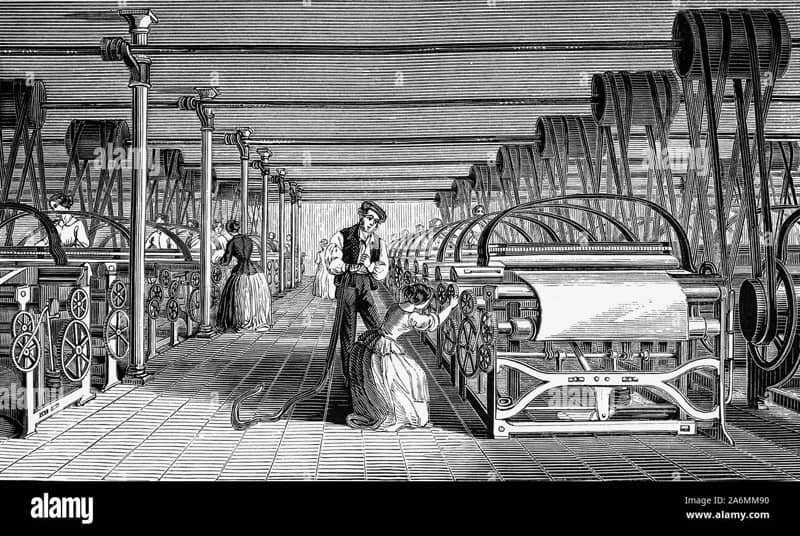
The Industrial Revolution transformed every aspect of production, and textiles led the way. The invention of the powerloom in the late 18th century marked a major turning point in the textile industry. Mechanized looms replaced manual handlooms, triggering dramatic increases in productivity and consistency.
Key characteristics of the powerloom include:
- Mechanized Operation: Powered by steam or water, these looms automate the process of raising and lowering warp threads.
- Increased Production Speed: Powerlooms can weave fabric at speeds unattainable by handlooms, drastically reducing production time.
- Uniform Fabric Quality: The mechanization ensures consistent tension and spacing, resulting in higher quality textiles.
The powerloom quickly became the backbone of textile manufacturing. Its introduction led to the rapid expansion of textile mills, particularly in Britain, which emerged as a global leader in textile production.
Technological Advancements in Powerloom Design
Over the course of the 19th century, powerlooms underwent significant improvements. Innovations included:
- Automatic Shuttles: Automatic mechanisms reduced the need for manual intervention, streamlining the weaving process.
- Jacquard Loom: The Jacquard loom, invented in 1804, introduced a system of punched cards that controlled individual warp threads. This breakthrough allowed for the creation of intricate patterns and complex designs. The principles of the Jacquard loom later influenced the development of computer programming.
- Synchronization Mechanisms: Enhanced synchronization between different parts of the loom improved efficiency and reduced waste.
These advancements not only increased production capacity but also diversified the types of fabrics that could be produced. Designers could now experiment with patterns and textures that were previously impossible to achieve on a handloom.
Table: Key Milestones of the Industrial Revolution in Loom Technology
| Year | Invention/Innovation | Impact on Textile Production |
|---|---|---|
| 1733 | Flying Shuttle | Doubled weaving speed; reduced labor requirements |
| 1785 | Invention of the Powerloom | Automated weaving; increased productivity |
| 1804 | Jacquard Loom | Enabled complex patterns; influenced computer design |
| 1820–1850 | Synchronization Mechanisms | Enhanced efficiency; improved fabric uniformity |
This table summarizes the major milestones that revolutionized loom technology during the Industrial Revolution.

The Evolution of Modern Looms
Transition to Electrification and Computerization
After the Industrial Revolution, the 20th century brought further innovations in loom technology. The transition from steam power to electricity revolutionized the design and operation of looms. Electrically powered looms offered greater control, precision, and safety.
Key features of modern looms include:
- Electronic Controls: Microprocessors regulate loom functions, ensuring consistent performance and reducing downtime.
- Computer-Aided Design (CAD): Designers use CAD software to create intricate patterns that the looms execute with high precision. This integration has opened new avenues in fashion and technical textiles.
- Automated Quality Control: Sensors and machine vision systems monitor fabric quality in real time, detecting defects and adjusting parameters as needed.
These advancements have not only improved efficiency but also expanded the range of fabrics that can be produced. Modern looms cater to high-end fashion, technical textiles, and industrial applications alike.
Digital and Smart Looms
The advent of digital technology in the late 20th century led to the development of smart looms. These looms feature fully integrated computer systems that manage every aspect of the weaving process.
Advantages of Smart Looms:
- Real-Time Data Monitoring: Operators receive live feedback on loom performance, enabling immediate adjustments.
- Predictive Maintenance: Digital twins and AI-driven analytics predict maintenance needs, reducing machine downtime.
- Customizable Production: Smart looms allow for rapid switching between designs, facilitating short-run production and mass customization.
A simplified digital control model for modern looms is represented by:
This equation emphasizes the importance of digital control and maintenance in achieving high production efficiency.
Impact of Loom Technology on Society and Economy
Social Transformations Driven by Textile Innovation
The evolution of looms has had a profound impact on society. The transition from handlooms to mechanized looms transformed textile production from a cottage industry to a major industrial sector. This transformation spurred urbanization and changed labor markets worldwide.
Social Impacts Include:
- Employment Shifts: While mechanization reduced the need for manual labor in some regions, it also created new jobs in manufacturing, engineering, and maintenance.
- Urban Growth: Textile mills became centers of urban growth, driving the development of cities and infrastructure.
- Cultural Influences: The fabrics produced by advanced looms influenced fashion trends and cultural identity. Richly patterned textiles became symbols of wealth and status.
The changes brought by loom technology also spurred debates on labor rights and industrial regulation. Historical accounts highlight both the benefits and the challenges of this technological shift.
Economic Growth and Global Trade
Loom technology has been a key driver of economic growth in many countries. The mechanization of weaving led to exponential increases in productivity, reducing production costs and making textiles widely available.
Economic Impacts Include:
- Increased Productivity: Mechanized looms boosted textile production rates, lowering per-unit costs.
- Global Trade Expansion: Countries with advanced textile industries became major exporters, shaping global trade networks.
- Innovation Ecosystems: The textile sector spurred innovation in machinery, materials, and manufacturing processes. This ecosystem continues to drive technological progress.
Economic models developed during the Industrial Revolution laid the foundation for modern cost analyses in textile manufacturing. For example, the following simplified cost model is often used:
This model guides manufacturers in optimizing production and reducing overhead costs.
Comparative Analysis of Loom Technologies
Handlooms vs. Powerlooms vs. Modern Digital Looms
A comparative analysis of different loom types highlights the evolution of technology and its impact on textile production. Each technology offers unique benefits and challenges.
Handlooms:
- Advantages: Flexibility in design, high craftsmanship, cultural heritage.
- Limitations: Lower productivity, inconsistent quality, labor-intensive.
Powerlooms:
- Advantages: Significantly higher production speeds, uniform fabric quality, reduced manual labor.
- Limitations: Initial high investment, less flexibility in design, higher energy consumption.
Modern Digital Looms:
- Advantages: Advanced automation, real-time monitoring, high customization, integrated quality control.
- Limitations: High capital expenditure, complex maintenance, dependency on digital infrastructure.
Table: Comparative Overview of Loom Technologies
| Loom Type | Production Speed | Quality Consistency | Flexibility in Design | Capital Investment |
|---|---|---|---|---|
| Handlooms | Low | Variable | High | Minimal |
| Powerlooms | High | Uniform | Moderate | High |
| Digital Looms | Very High | Consistent | Very High | Very High |
This table provides a clear comparison between handlooms, powerlooms, and modern digital looms. It underscores the trade-offs between production speed, quality, design flexibility, and investment requirements.
Innovations in Loom Design: From Jacquard to Computer-Controlled Looms
The Jacquard Loom and Its Revolutionary Impact
The Jacquard loom, invented by Joseph Marie Jacquard in 1804, represents one of the most significant breakthroughs in textile technology. Its use of punched cards to control the weaving process marked the beginning of programmable machines and laid the groundwork for modern computing.
Key Innovations of the Jacquard Loom:
- Punched Card System: Allowed for complex pattern designs by controlling individual warp threads.
- Automation: Reduced the need for skilled labor and improved production speed.
- Design Versatility: Enabled the creation of intricate textiles such as brocades and damasks.
The Jacquard loom transformed the textile industry by making patterned fabrics more accessible. Its principles are still evident in modern computerized looms, which use digital inputs to control every aspect of the weaving process.
Modern Computer-Controlled Looms
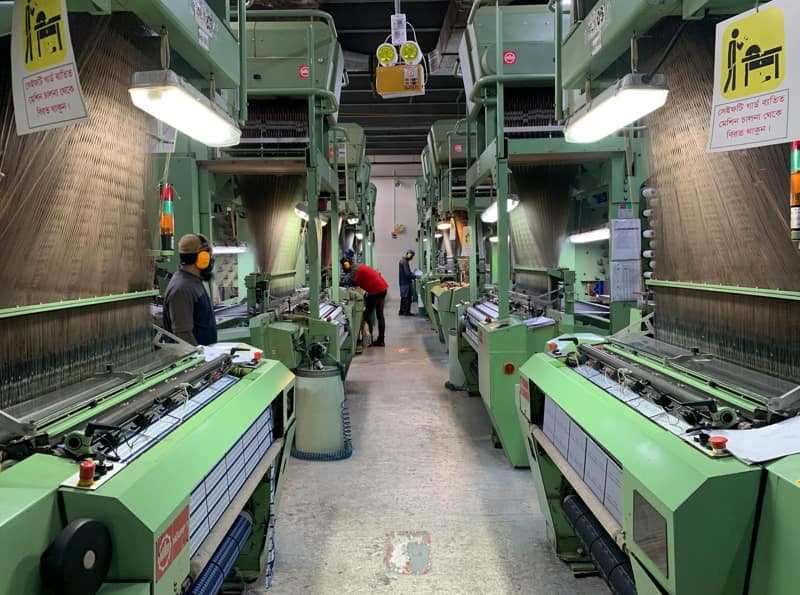
Computer-controlled looms take the principles of the Jacquard loom further by integrating digital technology and automation. These looms offer unparalleled precision and flexibility in textile production.
Features of Modern Computer-Controlled Looms:
- Digital Pattern Storage: Designers can store and edit intricate designs digitally.
- Automated Adjustments: Real-time adjustments improve consistency and reduce errors.
- Enhanced Productivity: High-speed operations and minimal downtime drive efficiency.
A diagram of a modern computerized loom might include components such as a digital control unit, sensor arrays, and automated tension mechanisms:
[ Digital Control Unit ]
          │
[ Sensors & Feedback Systems ]
          │
[ Automated Tension & Twist Mechanisms ]
          │
[ Weaving Process ]
This diagram highlights the integration of digital controls with mechanical systems to produce high-quality textiles.
Case Studies in Loom Technology Evolution
Case Study: From Handloom to Mechanized Powerloom in India
In India, the evolution from traditional handlooms to mechanized powerlooms revolutionized the textile industry. Handloom weaving has a rich heritage, but mechanization increased productivity and created new market opportunities.
Key Outcomes:
- Increased Production Volume: Mechanized looms dramatically increased fabric output.
- Improved Consistency: Uniform tension and pattern replication enhanced fabric quality.
- Economic Growth: The shift to powerlooms contributed to urban industrialization and increased exports.
A study comparing production metrics before and after the adoption of powerlooms revealed significant improvements in efficiency and product quality. This transformation played a key role in India’s emergence as a major textile exporter.
Case Study: The Global Impact of Digital Loom Technology
A European textile company transitioned from conventional powerlooms to fully digitalized looms. The change resulted in:
- Enhanced Design Flexibility: Digital controls allowed for rapid design changes and customization.
- Higher Quality Standards: Automated quality control systems reduced fabric defects.
- Market Expansion: The company entered new markets by offering innovative, high-quality fabrics.
This case study highlights the global trend toward digitalization in textile manufacturing. The improvements in design and quality have positioned the company as a leader in textile innovation.
Looms in Contemporary Textile Production
Integration with Modern Manufacturing Systems
Today, looms integrate seamlessly into highly automated, digitalized textile production lines. The synergy between modern looms and other production systems has transformed textile manufacturing into a highly efficient, data-driven process.
Key Elements of Modern Integration:
- IoT and Real-Time Monitoring: Looms equipped with sensors transmit real-time data to centralized control systems.
- Predictive Maintenance: AI algorithms forecast maintenance needs, reducing downtime and increasing reliability.
- Data-Driven Optimization: Continuous data analysis helps refine production parameters, ensuring consistent quality.
These integrations have elevated production standards and enabled manufacturers to meet the demands of fast-changing fashion markets. The following formula is used to quantify production efficiency:
This equation emphasizes that higher output quality and uptime, coupled with lower defect rates, lead to better overall efficiency.
Challenges in Modern Loom Integration
Despite these advancements, manufacturers face challenges:
- High Capital Investment: Upgrading to digital looms requires significant investment.
- Complex Training Requirements: Operators must learn new skills to manage digital systems.
- Data Security and Management: The reliance on digital data necessitates robust cybersecurity measures.
These challenges are addressed through continuous research, government incentives, and partnerships with technology providers.
Table: Modern Loom Integration Challenges and Solutions
| Challenge | Description | Solutions |
|---|---|---|
| High Capital Investment | Upfront cost for advanced digital looms | Leasing options; government subsidies |
| Complex Training Requirements | Need for skilled operators in digital systems | Training programs; partnerships with tech institutes |
| Data Security and Management | Ensuring secure handling of production data | Robust cybersecurity protocols; regular audits |
This table outlines common challenges and strategies to overcome them in the modern digital textile manufacturing landscape.
Global Perspectives on Loom Evolution
Regional Variations in Loom Development
Different regions have contributed uniquely to the evolution of loom technology. Asia, Europe, and the Americas each have distinct histories and innovations in weaving.
- Asia: Home to some of the earliest handlooms, Asia maintains a vibrant tradition of handloom weaving alongside modern mechanization. Countries such as India and China balance heritage techniques with industrial production.
- Europe: European advancements in mechanized and computerized looms revolutionized textile manufacturing. Innovations like the Jacquard loom and modern digital systems emerged here.
- Americas: The Americas integrated European technologies and adapted them to local needs. The focus has been on mass production and high-efficiency textile manufacturing.
These regional differences highlight the diverse technological and cultural influences on loom development. International collaboration and technology transfer continue to shape the global textile industry.
Comparative Analysis of Regional Loom Innovations
A comparative table shows the distinctive contributions of various regions:
| Region | Key Innovations | Impact on Textile Industry |
|---|---|---|
| Asia | Handlooms, Treadle looms, digital handlooms | Preservation of heritage; integration with modern tech |
| Europe | Jacquard loom, power looms, computer-controlled looms | Revolutionized production and design complexity |
| Americas | Mass production technologies, automated systems | High production efficiency; global market influence |
This table summarizes how regional innovations have influenced the evolution of looms globally.
Looms and Their Role in Shaping Textile Art and Design
Influence on Fabric Patterns and Designs
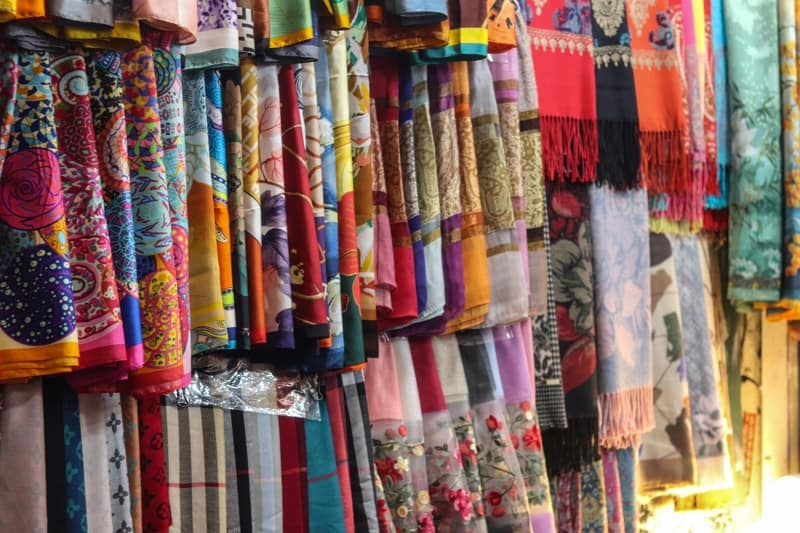
Loom technology has played a central role in the evolution of textile art and design. The capabilities of different loom types determine the range of patterns and textures that can be produced. From simple plain weaves to intricate jacquard designs, looms have enabled endless creativity in textiles.
Key Influences:
- Pattern Complexity: Mechanized looms like the Jacquard loom introduced the ability to weave complex patterns, greatly expanding design possibilities.
- Texture and Depth: Advanced looms allow for variations in weave density, creating fabric textures that add depth and character.
- Customization: Modern digital looms offer unparalleled customization, enabling designers to produce bespoke fabrics tailored to specific trends.
For example, luxury fashion brands leverage advanced loom technology to create fabrics that combine bold patterns with subtle textures. The interplay of color, pattern, and texture results in textiles that are both aesthetically pleasing and functionally superior.
Case Example: High-Fashion and Artistic Textiles
A renowned fashion designer collaborated with a textile manufacturer to produce a limited-edition fabric collection. They used digital Jacquard looms to create complex patterns that combined traditional motifs with modern design elements. The resulting fabrics featured intricate detailing, vibrant colors, and a luxurious hand feel. This project highlighted how advanced loom technology can merge art and engineering.
Diagram: Evolution of Textile Patterns Through Loom Technology
[ Basic Handlooms ]
       │
       ↓
[ Treadle Looms ]
       │
       ↓
[ Power Looms ]
       │
       ↓
[ Jacquard Looms ]
       │
       ↓
[ Digital Computer-Controlled Looms ]
This diagram shows the progression of loom technology and its impact on the evolution of textile patterns. Each stage represents a significant leap in the ability to produce more complex and varied designs.
Impact of Loom Evolution on Global Textile Markets
Economic Contributions and Market Expansion
The evolution of looms has significantly influenced global textile markets. Mechanization and digitalization of loom technology have reduced production costs, increased output, and improved fabric quality. These changes have contributed to the global textile industry’s economic growth.
Key economic contributions include:
- Increased Production Efficiency: Mechanized looms produce large volumes of fabric, reducing labor costs and time.
- Global Market Penetration: High-quality, consistent textiles meet international standards, expanding export opportunities.
- Innovation-Driven Premiums: Advanced loom technology enables manufacturers to produce specialty fabrics that command higher market prices.
The global textile market has seen continuous growth, driven by the demand for innovative and sustainable textiles. Loom evolution remains a cornerstone of this progress, and manufacturers invest heavily in technology to maintain a competitive edge.
Table: Global Textile Market Impact
| Factor | Pre-Mechanization Impact | Post-Mechanization Impact | Future Projections |
|---|---|---|---|
| Production Volume | Limited, labor-intensive | Mass production capabilities | Steady growth with digital automation |
| Cost Efficiency | High labor costs, lower output | Reduced costs, higher efficiency | Further cost reductions via AI |
| Market Reach | Regional, localized | Global market integration | Expanded international trade |
| Fabric Quality and Consistency | Inconsistent, artisanal quality | Uniform, high-quality textiles | Premium pricing for specialized textiles |
This table illustrates the transformative economic impact of loom evolution on global textile markets.
Technological and Digital Transformations in Looms
Integration of Artificial Intelligence and IoT
The latest innovations in loom technology involve the integration of artificial intelligence (AI) and the Internet of Things (IoT). These technologies enable real-time monitoring, predictive maintenance, and optimized production processes.
Key Benefits:
- Enhanced Quality Control: Sensors monitor parameters such as tension, twist, and speed, ensuring consistent quality.
- Predictive Maintenance: AI algorithms predict machine failures before they occur, minimizing downtime.
- Data-Driven Decision Making: Real-time data analytics help operators adjust production parameters instantly.
The following formula illustrates the concept of efficiency improvement through digital monitoring:
This equation shows that as downtime decreases and quality increases, overall production efficiency improves significantly.
Digital Twins and Simulation Models
Digital twins represent a breakthrough in modern loom technology. A digital twin is a virtual model of a physical production system that simulates its performance in real time. Manufacturers use digital twins to test changes, optimize operations, and forecast maintenance needs without interrupting production.
Advantages of Digital Twins:
- Simulation of Process Changes: Operators can experiment with different settings virtually before applying them on the production floor.
- Cost Savings: Predictive simulations help avoid costly machine downtime and reduce scrap rates.
- Continuous Improvement: Digital twins provide ongoing data, which feeds into continuous process optimization.
Environmental Sustainability and Loom Innovations
Sustainable Materials and Energy Efficiency
Modern loom technology emphasizes environmental sustainability. Manufacturers focus on reducing energy consumption, minimizing waste, and using sustainable materials. Core innovations include:
- Energy-Efficient Machinery: Modern looms are designed to consume less energy while maintaining high productivity.
- Recycling Initiatives: Textile mills increasingly use recycled fibers and water-recycling systems to reduce environmental impact.
- Eco-Friendly Finishes: Sustainable chemical treatments and finishes reduce harmful emissions and improve biodegradability.
A lifecycle assessment (LCA) model is used to measure environmental impact:
Lower values indicate more sustainable production processes.
Innovations in Green Manufacturing
Manufacturers adopt green technologies and lean production methods. For instance, digital controls and automated sensors reduce overproduction and waste. Green certifications from organizations like OEKO-TEX and Global Organic Textile Standard (GOTS) verify sustainable practices.
Table: Sustainability Metrics in Modern Loom Production
| Metric | Traditional Loom Production | Modern Digital Loom Production |
|---|---|---|
| Energy Consumption (kWh/unit) | High | 15–25% lower |
| Water Usage (L/unit) | High | Reduced through closed-loop systems |
| Waste Generation (kg/unit) | Moderate | Lower due to process optimization |
| Carbon Footprint (CO₂ eq.) | Elevated | Reduced via renewable energy integration |
This table highlights the sustainability improvements realized through modern loom technology.
Innovations in Training, Education, and Workforce Development
The Role of Educational Initiatives
A skilled workforce underpins successful technological adoption in the textile industry. Educational initiatives and training programs are essential to prepare workers for modern, digitalized loom operations. Universities, technical institutes, and industry associations offer specialized courses in textile engineering, covering the history, evolution, and operation of looms.
Workforce Development Programs
Modern training programs emphasize:
- Hands-On Experience: Practical training in modern loom operations using digital interfaces.
- Certification Courses: Accredited programs that ensure workers meet industry standards.
- Online Learning Platforms: Accessible resources, webinars, and interactive modules on loom technology and textile production.
These educational initiatives help build a knowledgeable workforce ready to embrace new technologies and drive continuous innovation.
Diagram: Workforce Development Cycle
[ University Courses ]
            ↓
[ Hands-On Training ]
            ↓
[ Certification Programs ]
            ↓
[ On-Site Workshops & Continuous Learning ]
            ↓
[ Skilled Workforce ]
This diagram illustrates the cyclical nature of workforce development in the textile industry. Continuous training and skill enhancement ensure that operators remain up-to-date with the latest loom technologies.

Looms and the Future: Trends and Opportunities
Emerging Trends in Loom Technology
The future of loom technology promises further integration of digital, sustainable, and smart features. Emerging trends include:
- Smart Looms: Integration of IoT, AI, and digital twins will further enhance production efficiency and quality control.
- Sustainable Materials: Research into biodegradable and recycled materials will drive eco-friendly production.
- Customization and Flexibility: Advances in computer-controlled looms will allow manufacturers to rapidly switch between designs and produce bespoke fabrics.
- Hybrid Technologies: Combining traditional craftsmanship with modern automation can create unique, high-quality textiles that appeal to niche markets.
Future Market Opportunities
The demand for innovative, sustainable textiles continues to grow. Manufacturers who invest in advanced loom technology can:
- Capture Premium Markets: Superior fabric quality and design flexibility allow for higher market prices.
- Expand Globally: Compliance with international standards and certifications facilitates entry into global markets.
- Drive Innovation: Continued research and development will unlock new applications, from smart textiles to technical fabrics for industrial uses.
A simplified model for future market growth can be represented as:
This formula emphasizes the interplay between innovation, sustainability, and market demand in driving growth.
Comparative Studies: Global Loom Evolution
International Perspectives on Loom Innovation
Different regions around the world have contributed uniquely to the evolution of loom technology. Comparing developments across Asia, Europe, and the Americas provides valuable insights into how cultural, economic, and technological factors shape innovation.
- Asia: Home to ancient handloom traditions and modern mechanization, Asia balances heritage techniques with cutting-edge technology. Countries such as India and China exhibit a dual legacy of artisanal craftsmanship and industrial production.
- Europe: European innovations, including the Jacquard and power looms, revolutionized textile manufacturing. European manufacturers continue to lead in digital loom technology and design flexibility.
- Americas: The Americas have integrated European technologies while adapting them to local market needs. The focus in this region has been on high-efficiency production and mass-market appeal.
Table: Global Contributions to Loom Technology
| Region | Historical Contribution | Modern Innovation |
|---|---|---|
| Asia | Handloom traditions; early vertical looms | Advanced mechanization; digital handlooms |
| Europe | Jacquard loom; power looms | Computer-controlled looms; smart manufacturing |
| Americas | Adoption of European technologies | High-efficiency production; automation |
This table provides a snapshot of the distinctive contributions made by different regions to loom evolution.
For further details on global trends, refer to our Global Textile History resource.
Innovations in Maintenance and Operational Efficiency
Preventive Maintenance and Digital Monitoring
Modern loom technology emphasizes preventive maintenance and digital monitoring to ensure optimal performance and longevity. Operators use sophisticated sensors and software to track key parameters such as machine temperature, vibration, and tension. This data helps predict maintenance needs and prevent unexpected breakdowns.
Key Benefits:
- Reduced Downtime: Real-time alerts allow for timely intervention.
- Enhanced Longevity: Regular maintenance extends the life of machinery.
- Cost Savings: Fewer breakdowns reduce repair costs and production losses.
A typical maintenance efficiency equation is:
Higher efficiency indicates better maintenance practices and more reliable production.
Training and Best Practices for Maintenance
Best practices for loom maintenance include:
- Regular Inspections: Daily checks of critical components ensure early detection of issues.
- Scheduled Servicing: Adhering to a strict maintenance schedule prevents long-term wear.
- Operator Training: Continuous training on digital monitoring systems improves response times.
Future Research and Technological Advancements in Looms
Research Initiatives and Collaborative Projects
The textile industry continues to invest in research aimed at improving loom technology. Collaborative projects between universities, research institutes, and industry leaders focus on:
- Developing New Materials: Research into advanced fibers such as graphene and nanofibers for enhanced performance.
- Digital Integration: Further integration of AI and IoT for smarter, more efficient loom operations.
- Sustainable Technologies: Innovations in eco-friendly dyes, water recycling, and energy-efficient machinery.
Funding from government agencies and international grants supports these initiatives. Such collaborative efforts drive breakthroughs that propel the textile industry into the future.
Emerging Areas of Innovation
Several emerging areas hold promise for further advancements:
- Smart Looms: Integration of machine learning for real-time optimization.
- Hybrid Systems: Combining traditional weaving techniques with modern digital controls.
- Enhanced Ergonomics: Designs that improve operator comfort and safety.
- Customizable Production: Systems that enable rapid changeovers to produce customized fabrics.
A diagram illustrating future research directions can be represented as:
[ New Materials ] --> [ Enhanced Fiber Properties ]
           ↓
[ Digital Integration ] --> [ Smart Looms & IoT ]
           ↓
[ Sustainable Practices ] --> [ Eco-Friendly Production ]
           ↓
[ Customization Technologies ] --> [ Market Adaptability ]
This diagram highlights the interconnected nature of future research areas, showing how innovations in one area support advancements in others.
Educational Resources and Industry Training Programs
University Partnerships and Certification Programs
Academic institutions play a critical role in advancing loom technology through research and education. Many universities now offer specialized courses in textile engineering, covering the evolution of looms from ancient handlooms to modern digital systems. Certification programs ensure that industry professionals gain the necessary skills to operate advanced machinery.
Key initiatives include:
- Hands-On Training: Practical labs and workshops that simulate real-world production environments.
- Internship Programs: Collaborations with textile manufacturers to provide on-site training.
- Research Collaborations: Joint projects between universities and industry that push the boundaries of loom technology.
These educational programs help build a skilled workforce ready to meet the challenges of modern textile manufacturing.
Online Learning and Knowledge Sharing
Digital platforms provide access to online courses, webinars, and interactive tutorials. These resources allow professionals to stay updated with the latest developments in loom technology regardless of their geographic location.
The Role of Looms in Shaping Cultural Heritage
Preservation of Traditional Weaving
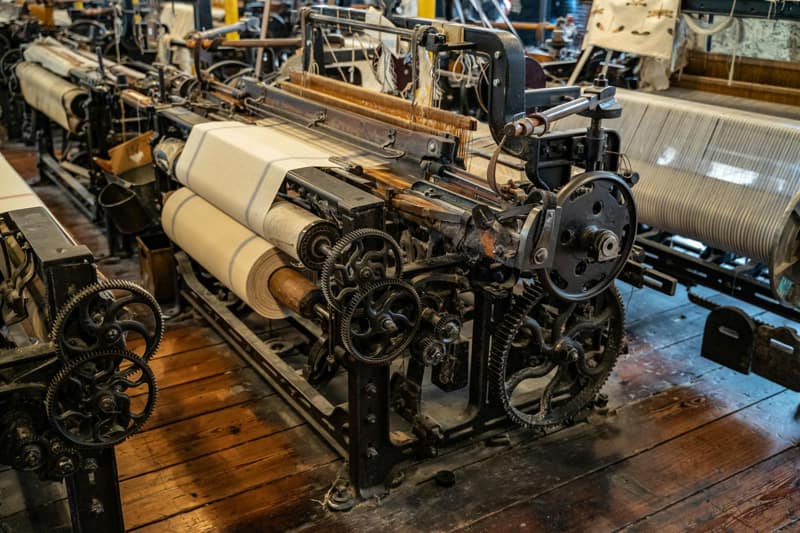
Looms have played a pivotal role in preserving cultural heritage across the world. Traditional weaving techniques and artisanal looms are celebrated in many cultures as symbols of heritage and craftsmanship. Efforts to preserve these traditions include:
- Handloom Revival Programs: Initiatives aimed at reviving traditional weaving in rural communities.
- Cultural Festivals: Celebrations that showcase traditional textiles and weaving techniques.
- Documentation and Archiving: Projects that record the history of traditional looms and weaving methods for future generations.
These efforts not only preserve historical knowledge but also promote sustainable livelihoods for artisans.
Modern Adaptations of Traditional Techniques
Modern textile designers are increasingly incorporating traditional weaving techniques into contemporary fashion. By combining heritage methods with modern loom technology, designers create fabrics that honor the past while embracing the future. This fusion results in textiles that are both culturally rich and technologically advanced.
Regulatory and Standardization Aspects in Loom Technology
International Standards for Looms
Adhering to international standards is crucial in textile manufacturing. Organizations such as ASTM, ISO, and AATCC set the benchmarks for loom performance, safety, and product quality. These standards ensure that textiles meet rigorous quality criteria and are consistent across different markets.
Key standards include:
- ASTM D1234: A standard that specifies testing methods for loom performance.
- ISO 9001: Guidelines for quality management systems in textile manufacturing.
- AATCC Test Methods: Protocols for testing textile durability, color fastness, and other properties.
These standards facilitate global trade and ensure that products manufactured on modern looms are accepted worldwide.
Regulatory Compliance and Certification
Manufacturers must comply with a range of regulations related to textile production. Compliance with environmental regulations, labor laws, and safety standards is essential. Certification bodies audit production facilities and issue certificates that attest to the quality and sustainability of the textile products.
Challenges and Future Directions in Loom Technology
Current Challenges in Loom Innovation
Despite significant progress, the evolution of looms faces challenges that require ongoing research and development. Major challenges include:
- High Capital Costs: Advanced digital looms require significant investment, posing barriers for small manufacturers.
- Technical Complexity: Integrating multiple digital systems requires skilled personnel and robust maintenance.
- Environmental Impact: While modern looms are more energy-efficient, there is still room for improvement in sustainability.
- Global Standardization: Achieving uniformity in international standards remains a challenge in a rapidly evolving technological landscape.
Future Directions and Opportunities
Future research aims to address these challenges and push the boundaries of loom technology. Areas of focus include:
- Advanced Digital Integration: Further development of AI-driven control systems and digital twins for predictive maintenance.
- Sustainable Manufacturing: Research on eco-friendly materials, renewable energy integration, and waste reduction techniques.
- Hybrid Loom Systems: Combining traditional craftsmanship with modern automation to create versatile, high-quality fabrics.
- Customization and Flexibility: Enhancing the ability of looms to switch between different patterns and fabric types rapidly.
A research roadmap for future innovation may be summarized as:
This model underscores the multifaceted approach needed to drive the next wave of loom technology innovations.
Global Collaborations and Conferences in Loom Technology
International Conferences and Workshops
Global textile conferences provide a platform for sharing knowledge and innovations. Conferences, workshops, and symposiums bring together experts from around the world. These events foster collaboration, enable networking, and drive research in loom technology.
Examples of influential events include:
- International Textile Manufacturers Federation (ITMF) Conferences: These forums discuss technological innovations and market trends.
- Regional Textile Symposiums: Focused on local innovations, these events highlight unique approaches to loom development.
- Technical Workshops: Hands-on sessions that train participants in advanced loom operation and digital integration.
Participation in these events drives innovation and supports the continuous improvement of loom technology.
Collaborative Research Projects
Collaborative projects between academia and industry have led to breakthroughs in loom technology. Joint ventures and research initiatives focus on:
- Developing next-generation digital looms.
- Improving sustainability through innovative materials and processes.
- Enhancing operational efficiency with advanced data analytics.
Funding from government agencies and international bodies supports these collaborations, ensuring that the textile industry remains at the forefront of technological advancement.
Impact on Fashion and Textile Design
Loom Technology and the Evolution of Fashion
The evolution of looms has had a profound influence on fashion. As loom technology advanced, designers gained access to new materials, patterns, and textures. This evolution enabled the creation of fabrics that were not only functional but also artistically expressive.
Key Impacts on Fashion:
- Increased Pattern Complexity: Innovations like the Jacquard loom allowed designers to create intricate patterns that were previously impossible.
- Enhanced Fabric Quality: Improved uniformity and consistency in textiles led to higher quality fabrics with better hand and drape.
- Customization Opportunities: Modern digital looms enable designers to produce limited-edition collections and bespoke textiles, catering to niche markets.
These technological advancements have shaped fashion trends and allowed for greater creative expression.
Case Example: Influential Fashion Designers and Loom Innovations
A well-known fashion designer collaborated with a textile manufacturer to incorporate advanced loom technology into their collections. The designer used computer-controlled looms to produce fabrics with unique, customizable patterns. The resulting textiles featured dynamic designs that evolved with light and movement, capturing the essence of modern fashion innovation.
This collaboration highlighted how technological advancements in looms can enhance design flexibility and open new creative avenues.
Technological Developments in Loom Engineering
Advances in Mechanical Engineering
Mechanical engineering has driven many improvements in loom design. Innovations include:
- Precision Mechanics: Improved gears, cams, and rollers have increased the accuracy of loom operations.
- Energy Efficiency: Modern looms are designed to use less energy while maintaining high production speeds.
- Ergonomic Improvements: Newer designs focus on operator safety and comfort, reducing physical strain and enhancing productivity.
Engineering breakthroughs have not only increased the speed and consistency of textile production but have also reduced the environmental footprint of loom operations.
Integration of Electronics and Microprocessors
The introduction of electronics into loom technology revolutionized production processes. Microprocessors now control critical loom functions, enabling precise adjustments and automated error correction. These systems ensure that every thread is woven to perfection, minimizing human error.
Key Electronic Innovations:
- Digital Control Units: Provide real-time monitoring and control of loom parameters.
- Sensor Integration: Sensors track variables such as tension, speed, and temperature, ensuring consistent quality.
- Automated Feedback Loops: These systems adjust machine settings on the fly, maintaining optimal production conditions.
Formulas and Mathematical Models in Loom Engineering
Yarn Production and Efficiency Models
Engineers use mathematical models to optimize loom performance. These models help predict the behavior of fibers during the weaving process and guide adjustments in machine parameters.
Example: Yarn Strength Model
is a material-specific constant.
is the cohesion factor of the sheath fibers.
is the twist per unit length.
This model suggests that increasing the twist improves cohesion to a point, but excessive twist may reduce yarn softness.
Thermal and Moisture Management Equations
The thermal properties of fabrics woven on modern looms are also modeled mathematically. The basic heat transfer equation is:
is the heat transfer rate.
represents thermal conductivity.
is the surface area.
is the temperature difference.
is the thickness of the material.
Such equations help engineers design textiles that manage moisture and temperature effectively.
Table: Key Equations in Loom and Textile Engineering
| Equation | Purpose | Variables Defined |
|---|---|---|
|
|
Model the impact of twist on yarn strength |
: constant; : cohesion factor; : twist |
|
|
Calculate heat transfer through fabric |
: heat transfer; : thermal conductivity; : area; : temperature difference; : thickness |
These mathematical models provide the foundation for optimizing loom and textile production processes.
Industry Best Practices and Recommendations
Best Practices for Modern Loom Operation
Adopting best practices is critical to ensure efficiency and quality in loom operations. Key recommendations include:
- Regular Machine Calibration: Maintain precise machine settings through routine calibration.
- Advanced Quality Control: Use digital sensors and SPC (Statistical Process Control) to monitor production quality.
- Operator Training: Continuous training programs ensure that workers are proficient in operating modern digital looms.
- Lean Manufacturing Techniques: Adopt lean principles to minimize waste and optimize resource usage.
Recommendations for Sustainable Production
Sustainability plays a crucial role in modern textile production. Best practices include:
- Utilizing Recycled Fibers: Incorporate recycled materials in both core and sheath components to reduce environmental impact.
- Energy-Efficient Technologies: Invest in machinery that minimizes energy consumption.
- Water Recycling Systems: Implement closed-loop systems to reduce water usage during dyeing and finishing.
- Eco-Friendly Finishing Processes: Use sustainable chemicals and finishes to minimize hazardous waste.
Diagram: Best Practices Cycle for Modern Loom Operation
[ Machine Calibration ]
            ↓
[ Digital Quality Control ]
            ↓
[ Operator Training ]
            ↓
[ Lean Manufacturing ]
            ↓
[ Sustainable Production ]
This cycle illustrates a holistic approach to optimizing loom operations for both efficiency and sustainability.
Challenges and Future Directions in Loom Evolution
Current Challenges in Loom Technology
Modern loom technology faces several challenges:
- High Initial Investment: Advanced digital looms require substantial capital.
- Technical Complexity: Operating and maintaining high-tech machinery demands specialized skills.
- Environmental Considerations: Balancing high productivity with sustainable practices remains an ongoing challenge.
- Global Standardization: Aligning international standards and regulations across regions is complex.
Future Directions for Innovation
The future of loom technology looks promising. Research and development are focusing on:
- Enhanced Digital Integration: Further incorporation of AI and IoT for smarter, more efficient operations.
- Sustainable Innovations: Development of eco-friendly materials and energy-efficient machinery.
- Customizable Production Systems: Enabling rapid design changes and bespoke production to meet evolving market demands.
- Hybrid Loom Systems: Combining the best features of traditional and modern looms to create versatile, high-quality textiles.
A simplified future innovation model is:
This model emphasizes the multifaceted approach required to drive further advancements in loom technology.
The Cultural Legacy of Looms
Preservation of Traditional Weaving Techniques
Looms have not only driven industrial progress but have also preserved cultural heritage. Traditional weaving methods hold a special place in many societies. Artisans continue to produce handwoven textiles using age-old techniques that have been passed down through generations.
These traditions embody:
- Artistic Expression: Unique patterns and designs that reflect local culture and history.
- Heritage Preservation: The continuation of traditional craftsmanship despite modern industrialization.
- Sustainable Practices: Many traditional techniques use natural fibers and environmentally friendly methods.
Efforts to preserve these techniques include government initiatives, cultural festivals, and academic research. These initiatives help maintain the link between modern textile production and its historical roots.

Modern Revival of Traditional Looms
Modern designers often incorporate traditional weaving techniques into contemporary textile production. By integrating historical methods with modern technology, designers create fabrics that honor the past while embracing the future. This fusion results in textiles that are both artistically rich and functionally advanced.
Case studies from regions with deep weaving traditions illustrate how the revival of traditional looms can coexist with modern manufacturing methods. These initiatives help preserve cultural heritage while also providing economic opportunities for artisan communities.
Case Studies: The Evolution of Looms in Practice
Case Study 1: The Handloom Renaissance in South Asia
In South Asia, the handloom industry has seen a resurgence. Government programs and private initiatives have worked together to revitalize traditional handloom weaving. These efforts have resulted in:
- Economic Empowerment: Increased income for artisan communities.
- Cultural Preservation: Revitalization of traditional designs and techniques.
- Market Expansion: High-end fashion brands incorporating handwoven textiles into contemporary designs.
A detailed case study from India shows how the introduction of digital design tools has enhanced the creative potential of traditional weavers while preserving their cultural heritage. The integration of modern techniques with age-old practices has led to unique textiles that command premium prices in global markets.
Case Study 2: Technological Transformation in European Loom Manufacturing
European manufacturers have been at the forefront of technological innovation in loom production. A leading textile mill in France adopted fully computerized looms, which resulted in:
- Increased Production Efficiency: Digital systems reduced production time by 30%.
- Superior Quality Control: Automated quality checks reduced defect rates by 50%.
- Expanded Product Range: The ability to produce intricate patterns opened new market segments in luxury textiles.
This transformation illustrates the benefits of investing in digital loom technology and demonstrates how advanced systems can meet the evolving demands of the global textile market.
Table: Comparative Case Study Outcomes
| Case Study | Key Outcome | Measured Improvement |
|---|---|---|
| Handloom Revival (South Asia) | Increased artisan income; cultural preservation | +25% income; revitalized traditional designs |
| European Digital Transformation | Enhanced efficiency and quality control | +30% production speed; -50% defect rate |
These case studies demonstrate the transformative impact of loom evolution on different regions and market segments.
Innovations in Loom Maintenance and Process Optimization
Strategies for Optimizing Loom Performance
Modern loom technology has reached high levels of sophistication. Continuous process optimization ensures that machines operate at peak efficiency. Strategies include:
- Real-Time Monitoring: Digital sensors provide live data on machine performance.
- Predictive Maintenance: AI-driven algorithms predict maintenance needs, reducing unexpected downtime.
- Lean Manufacturing Techniques: Streamlining operations to reduce waste and improve quality.
Implementing these strategies can significantly enhance production efficiency. Manufacturers who adopt predictive maintenance and lean techniques see improvements in machine uptime and product consistency.
Process Optimization Models
Mathematical models help optimize production parameters. For example, the relationship between machine speed, defect rate, and production efficiency can be modeled as:
Optimizing this equation involves reducing defect rates and minimizing downtime while maximizing output. Digital monitoring systems play a critical role in achieving these goals.
Diagram: Process Optimization Cycle
[ Real-Time Monitoring ]
            ↓
[ Data Collection & Analysis ]
            ↓
[ Predictive Maintenance ]
            ↓
[ Process Adjustments ]
            ↓
[ Enhanced Production Efficiency ]
This diagram shows the continuous cycle of process optimization in modern loom operation.
Global Market Trends and the Economic Impact of Loom Evolution
Shaping Global Textile Markets
The evolution of loom technology has had a profound impact on global textile markets. Innovations in loom technology drive production efficiency, reduce costs, and improve product quality. These advancements contribute to the overall competitiveness of textile manufacturers on the global stage.
Key Economic Impacts:
- Increased Output: Modern looms enable mass production of high-quality fabrics.
- Cost Reduction: Automation and digital monitoring lower production costs.
- Market Expansion: High-quality textiles meet international standards, boosting exports.
- Innovation Premium: Advanced fabrics produced on modern looms command premium prices in luxury markets.
Economic models help quantify these benefits. A simplified production cost model is:
As production volume increases, unit costs decrease, enhancing profitability.
Table: Global Market Growth Projections for Textiles
| Year | Global Textile Production (Billion m²) | Growth Rate (%) |
|---|---|---|
| 2023 | 2.5 | – |
| 2025 | 2.8 | 12% |
| 2027 | 3.1 | 10% |
| 2030 | 3.5 | 8% |
This table demonstrates projected growth in textile production driven by advancements in loom technology. Increased production capacity and efficiency contribute to robust market growth.
Innovations in Digitalization and Future Prospects
The Digital Revolution in Loom Technology
Digital transformation has ushered in a new era for loom technology. The integration of AI, IoT, and digital twins revolutionizes the production process. Digital looms provide unprecedented control, enabling manufacturers to produce customized textiles quickly and efficiently.
Key Features of Digital Looms:
- Automated Pattern Control: Computerized systems manage intricate designs with high precision.
- Real-Time Adjustments: Sensors monitor performance continuously, allowing for immediate adjustments.
- Enhanced Data Analytics: Advanced analytics optimize production parameters and reduce waste.
A digital twin system simulates the entire production process. This virtual model enables manufacturers to test process modifications before implementation, reducing risk and optimizing performance.
Future Prospects and Market Opportunities
The future of loom technology is promising. Expected trends include:
- Increased Customization: Digital systems will enable on-demand production of bespoke textiles.
- Sustainability Advances: Integration of eco-friendly materials and energy-efficient processes will reduce environmental impact.
- Smart Textiles: Looms will produce fabrics with integrated sensors and adaptive properties, opening new markets in wearable technology.
- Global Expansion: Enhanced productivity and quality will drive increased global trade and market share.
A conceptual model for future growth is:
This equation reflects the multifactorial drivers of future market success.
Conclusion and Summary
The history and evolution of looms is a testament to human ingenuity and technological progress. From primitive hand-operated devices to advanced digital looms, the journey of loom technology has transformed textile production and shaped global markets. Early innovations laid the foundation for mechanized powerlooms during the Industrial Revolution, which then evolved into computer-controlled systems that offer unmatched precision and efficiency.
Modern looms integrate digital controls, predictive maintenance, and sustainability practices to meet the ever-growing demands of the textile industry. Innovations in loom technology have not only boosted productivity and quality but have also contributed significantly to global economic growth and cultural preservation.
As we look to the future, the continued evolution of loom technology promises even greater advancements. The integration of smart systems, digital twins, and eco-friendly materials will drive the next wave of innovation. These developments will enable manufacturers to produce customized, high-performance textiles that cater to diverse market needs while promoting sustainable practices.
In summary, the evolution of looms—from ancient handlooms to modern digital systems—has revolutionized the textile industry. This journey has enhanced production efficiency, improved fabric quality, and driven significant economic and cultural impacts worldwide. Loom technology remains a cornerstone of textile innovation, continuously pushing the boundaries of what is possible in fabric production.


