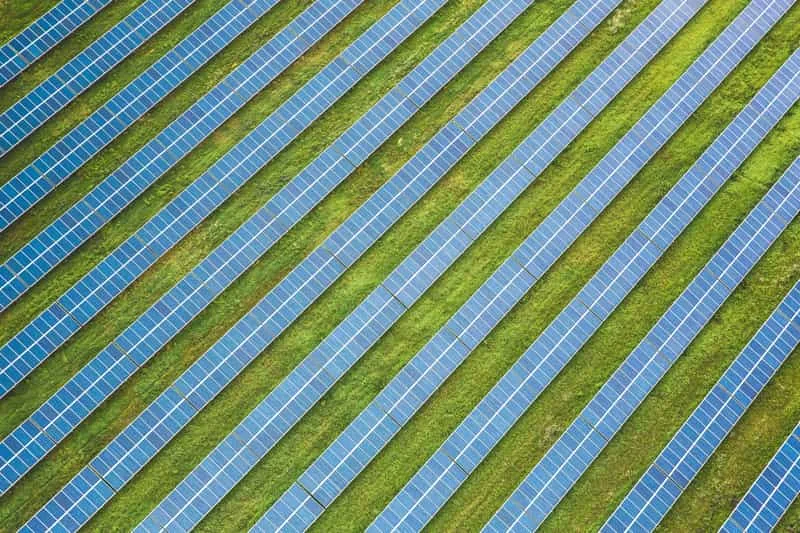
Solar energy is transforming textile manufacturing by powering energy-intensive processes with clean, renewable energy, reducing the industry’s 10% share of global carbon emissions and 20% of industrial wastewater. This article explores solar energy’s applications, benefits, and challenges, its synergy with sustainable materials like bamboo textiles, and its role in advancing zero-waste and circular economy goals. Supported by case studies of brands like H&M and Patagonia, it examines technologies like solar thermal and photovoltaic systems, connections to durability testing such as salt spray tests, and future trends, highlighting solar energy’s potential to revolutionize sustainable fashion.
Introduction to Solar Energy in Textile Manufacturing
Textile manufacturing is one of the most energy-intensive industries, contributing 10% of global carbon emissions and 20% of industrial wastewater, with processes like dyeing consuming 100–150 liters of water per kilogram of fabric. Solar energy, encompassing photovoltaic (PV) and solar thermal systems, offers a sustainable solution by replacing fossil fuels with clean, renewable energy. With the cost of solar PV systems dropping by over 80% since 2010, adoption in textile hubs like Tamil Nadu and Jiangsu is rising. This article delves into the mechanisms, applications, and benefits of solar energy in textile manufacturing, its integration with eco-friendly materials like bamboo textiles, and its role in reducing environmental impact while meeting consumer and regulatory demands for sustainability.
Understanding Solar Energy in Textile Manufacturing
Solar energy in textile manufacturing involves using solar PV panels to generate electricity for machinery, lighting, and cooling, and solar thermal systems to produce hot water or steam for processes like dyeing and finishing. Solar PV systems convert sunlight into electricity, while solar thermal systems, like those from Absolicon, provide heat for low- to medium-temperature processes (40–110°C). Technologies like AI and IoT optimize energy use, and certifications like GOTS ensure sustainable integration with materials like bamboo. By reducing reliance on coal and gas, solar energy aligns with zero-waste textile design and circular economy principles, enhancing sustainability across the supply chain.
The Need for Solar Energy in Textile Manufacturing
Textile manufacturing’s reliance on fossil fuels drives high energy costs (15–25% of total production costs) and environmental degradation, with 92 million tons of waste generated annually. Traditional dyeing alone uses 5 trillion liters of water yearly, contributing to water pollution. Consumer demand for eco-friendly products, with 60% preferring sustainable brands, and regulations like the EU’s Circular Economy Action Plan push for renewable energy adoption. Solar energy reduces carbon emissions, lowers costs, and ensures energy security, making it essential for competitiveness and compliance in the global textile industry.
Key Applications of Solar Energy in Textile Manufacturing
Solar Photovoltaic (PV) Systems
Solar PV systems, like those used by H&M in Jiangsu (10 MW rooftop installations), power machinery for weaving, knitting, and finishing, reducing coal dependency. Rooftop and ground-mounted systems are scalable, with costs now at $0.03–0.06 per kWh, cheaper than grid tariffs of $0.09–0.11 per kWh in India.
Solar Thermal Systems
Solar thermal systems provide hot water and steam for dyeing and finishing, replacing fossil fuel boilers. Absolicon’s systems, for example, meet 50% of a textile mill’s thermal needs, saving 383 ktoe annually. These systems are ideal for processes requiring 40–110°C, common in bamboo textile production.
Solar-Powered Wearables and Textiles
Solar textiles, integrating thin-film PV cells or organic photovoltaics (OPVs), generate electricity from fabrics, as seen in Vollebak’s solar-powered jackets. These are used in wearable tech and accessories, supporting low-power devices and reducing environmental impact.
Energy Storage Integration
Solar systems with heat storage or batteries, like those offered by Absolicon, enable 24/7 operation by storing excess energy, ensuring reliability in regions with inconsistent grid power, such as Karur, India.
Process Optimization
AI and IoT optimize solar energy use by monitoring consumption and predicting demand, reducing waste in energy-intensive processes like spinning and dyeing, as implemented by LONGi’s Hi-MO 5 modules in Coimbatore.
Case Studies: Solar Energy in Textile Manufacturing
H&M’s Solar-Powered Facilities
H&M’s supplier in Jiangsu, China, uses 10 MW rooftop solar PV systems, reducing coal use and saving 30% on energy costs. Their GRI-aligned sustainability reports highlight progress toward net-zero emissions by 2030.
Patagonia’s Renewable Energy Commitment
Patagonia’s facilities in Reno and Ventura, USA, feature 1.5 MW solar installations, powering operations with 100% renewable energy. Their bamboo textile production benefits from solar thermal systems, aligning with zero-waste goals.
Textil Santanderina’s Solar Initiative
In Spain, Textil Santanderina’s 804,532 kWh solar PV system in 2023 reduced emissions by 400 tons of CO2 equivalent, with plans to double capacity by 2025, showcasing scalability.
Alpine Knits’ Solar Adoption
In Tirupur, India, Alpine Knits’ 1 MW solar PV system, commissioned in 2013, synchronizes with the grid and diesel generators, providing 65% of energy needs during outages, saving INR 40.5 lakhs annually.
Benefits of Solar Energy in Textile Manufacturing
Environmental Sustainability
Solar energy reduces the industry’s 10% share of global emissions and 20% of wastewater by replacing fossil fuels. A 300 kW solar system cuts 350 tons of CO2 annually, supporting zero-waste goals.
Economic Advantages
Solar power lowers energy costs by 40%, with savings of INR 770 crore annually in India’s textile sector. Payback periods are 2–3 years due to declining solar costs and subsidies. The sustainable textiles market is projected to reach $28.9 billion by 2029.
Social and Ethical Benefits
Solar adoption creates jobs in installation and maintenance, impacting the industry’s 300 million workers, and improves worker conditions by reducing pollution exposure.
Consumer Appeal
Transparent use of solar energy, verified by blockchain and certifications like GOTS, attracts eco-conscious consumers, with 60% favoring sustainable brands, boosting market share.
Challenges of Solar Energy in Textile Manufacturing
High Initial Costs
Solar PV and thermal systems require upfront investments, 20–30% higher than conventional systems. Power Purchase Agreements (PPAs) and subsidies, like India’s PLI scheme, mitigate this.
Space Constraints
Urban textile units, like those in Bhiwandi, face rooftop space limitations. Ground-mounted systems or creative designs, as used in Surat, address this.
Limited Awareness
Many manufacturers, especially SMEs, lack knowledge of solar benefits and subsidies, slowing adoption. Education campaigns by Textile Exchange are addressing this gap.
Intermittency Issues
Solar energy’s reliance on sunlight requires storage solutions, like batteries or heat tanks, adding costs but ensuring reliability, as seen in Absolicon’s systems.
Future Trends in Solar Energy for Textile Manufacturing
Advanced Solar Technologies
Perovskite and thin-film PV cells, as explored by MIT, enhance efficiency and flexibility for solar textiles, reducing costs and expanding applications in wearables.
Energy Storage Innovations
Improved battery and heat storage, like Absolicon’s hot water tanks, enable 24/7 solar use, increasing reliability for textile mills.
Blockchain and DPPs
Blockchain and Digital Product Passports (DPPs), mandated by the EU by mid-2025, ensure transparency in solar energy use, verifying sustainability for bamboo textiles.
Policy Support
Government incentives, like India’s Rs. 24,000 crore PLI scheme for solar module manufacturing, drive adoption, targeting 480 powerloom units by 2020.
Synergy with Bamboo Textiles
Bamboo textiles, requiring 30% less water and no pesticides, complement solar energy by reducing resource use. Solar thermal systems power bamboo’s low-impact processing, like closed-loop lyocell production, while PV systems support spinning and weaving, as seen in Boody’s operations. Blockchain verifies bamboo’s sustainability, aligning with circular economy goals and reducing the 92 million tons of textile waste.
Connection to Salt Spray Testing
Bamboo textiles used in technical applications, like outdoor gear, undergo salt spray tests to ensure coating durability. Solar-powered manufacturing facilities, like those of Textil Santanderina, report these results in sustainability metrics, demonstrating longevity and supporting zero-waste principles.
Best Practices for Solar Energy in Textile Manufacturing
- Adopt Hybrid Systems: Combine PV and thermal systems, as H&M does, for comprehensive energy coverage.
- Leverage Incentives: Utilize subsidies and PPAs, like India’s PLI scheme, to offset costs.
- Integrate Technology: Use AI and IoT for energy optimization, as in LONGi’s projects.
- Ensure Certifications: Secure GOTS or OEKO-TEX® for sustainable materials like bamboo.
- Educate Stakeholders: Promote solar benefits through campaigns to drive adoption and consumer demand.
Conclusion
Solar energy is revolutionizing textile manufacturing by providing clean, cost-effective power, reducing the industry’s environmental footprint, and aligning with zero-waste and circular economy goals. With applications in PV systems, solar thermal, and wearables, solar energy supports sustainable materials like bamboo textiles, as demonstrated by brands like H&M and Patagonia. Innovations in storage, blockchain, and policy support promise greater scalability, despite challenges like initial costs and space constraints. By integrating solar energy, the textile industry can achieve economic, environmental, and social benefits, positioning itself as a leader in sustainable fashion.
Citations
- World Bank. “Textile Production and Environmental Impact.” World Bank, 2020, www.worldbank.org
- Absolicon. “Solar Thermal Energy for Textile Industry.” Absolicon, 2020, www.absolicon.com
- International Energy Agency. “Solar PV Cost Trends.” IEA, 2023, www.iea.org
- LONGi. “Solar Power in Indian Textile Industry.” LONGi, 2024, www.longi.com
- Textile Exchange. “Sustainable Textiles Market Report 2024.” Textile Exchange, 2024, textileexchange.org
- H&M Group. “Sustainability Report 2023.” H&M, 2023, hmgroup.com
- Patagonia. “Environmental Responsibility Report 2024.” Patagonia, 2024, www.patagonia.com
- Saur Energy. “Potential of Solar Power Utilization in Textile Industry.” Saur Energy, 2017, www.saurenergy.com
- Apparel Resources. “Solar Energy in Textile and Apparel Industry.” Apparel Resources, 2022, apparelresources.com
- Indian Textile Magazine. “Textile Industry’s Preference for Solar Power.” Indian Textile Magazine, 2015, www.indiantextilemagazine.in
- Fibre2Fashion. “Textile Industry’s Transition to Renewable Energy.” Fibre2Fashion, 2022, www.fibre2fashion.com
- India Solar Rooftop. “Rooftop Solar Solutions for Textile Industry.” India Solar Rooftop, 2021, indiasolarrooftop.com
- Kondaas Automation. “Solar Panels in Textile Industries.” Kondaas, 2018, www.kondaas.com
- Green.org. “Solar-Powered Wearables and Textiles.” Green.org, 2024, green.org
- ScienceDirect. “Scope for Solar Energy Utilization in the Indian Textile Industry.” ScienceDirect, 2003, www.sciencedirect.com
- SunInfra Energies. “Solar Solution for Chemical and Textile Industry.” SunInfra, 2024, suninfra.co.in
- Ornate Solar. “5 Reasons Why Solar is a Great Option for Your Clothing Factory.” Ornate Solar, 2024, tamesol.com
- ResearchGate. “Solar Powered Textiles.” ResearchGate, 2025, www.researchgate.net
- Scribd. “Solar Energy Application in Textiles.” Scribd, 2023, www.scribd.com
- TextileGenesis. “Blockchain for Textile Traceability.” TextileGenesis, 2024, textilegenesis.com