1. Introduction
In industries, emergency services, defense, and hazardous environments, the safety of people and protection of property is paramount. While traditional materials offer some protection, today’s risks—from chemical spills to high-speed ballistic impacts—demand advanced solutions.
Protech—short for Protective Technical Textiles—focuses on fabrics and composites engineered to safeguard human life, property, and equipment under extreme conditions. These textiles must meet rigorous standards for impact resistance, heat tolerance, flame retardancy, and chemical protection, often while remaining flexible and comfortable for the wearer.
2. What is Protech?
Protech is one of the 12 officially recognized categories of technical textiles. It covers woven, knitted, nonwoven, and coated materials designed to:
- Protect against physical, thermal, chemical, and environmental hazards.
- Meet strict international safety and defense standards.
- Maintain performance in extreme conditions.
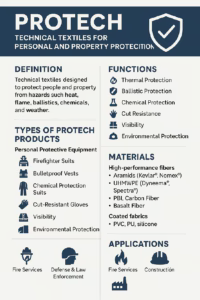
3. Functions of Protech Products
Protech textiles are developed to perform one or more of the following functions:
- Thermal Protection: Shielding from high temperatures, flames, and molten metal splashes.
- Ballistic Protection: Absorbing and dispersing energy from bullets and shrapnel.
- Chemical Protection: Resisting acids, solvents, and toxic substances.
- Cut and Abrasion Resistance: Preventing injury from sharp objects.
- Visibility and Identification: High-visibility fabrics for safety in low light.
- Environmental Protection: Guarding against UV rays, extreme weather, and biological hazards.
4. Key Protech Products
4.1 Personal Protective Equipment (PPE)
- Firefighter Suits: Flame-retardant outer shells (Nomex®, PBI, Kevlar®) with thermal barriers.
- Bulletproof Vests: Aramid fiber fabrics or UHMWPE composites.
- Cut-Resistant Gloves: Kevlar®, Dyneema®, or steel-reinforced yarns.
- Chemical Protection Suits: Coated fabrics resistant to hazardous liquids and vapors.
- High-Visibility Clothing: Fluorescent fabrics with retroreflective strips.
4.2 Industrial Protective Gear
- Welding aprons, jackets, and blankets.
- Arc-flash protective suits.
- Heat-resistant conveyor belts and machine covers.
4.3 Property Protection Textiles
- Fire barriers for buildings.
- Blast curtains and containment fabrics.
- UV- and weather-resistant tarpaulins for valuable equipment.
5. Materials Used in Protech
High-Performance Fibers:
- Aramids: Kevlar®, Twaron®, Nomex® – Excellent heat, cut, and ballistic resistance.
- Ultra-High-Molecular-Weight Polyethylene (UHMWPE): Dyneema®, Spectra® – Lightweight ballistic protection.
- PBI (Polybenzimidazole): Exceptional thermal stability.
- Carbon Fiber: High strength and heat resistance.
- Basalt Fiber: Excellent chemical and thermal resistance.
Other Materials:
- Coated fabrics (PVC, PU, silicone) for chemical barriers.
- Glass fiber fabrics for fire protection.
- Metal wire or mesh blends for extreme cut resistance.
6. Manufacturing Techniques
- Weaving: For ballistic and heat-resistant fabrics.
- Knitting: Flexible protective garments.
- Nonwoven Technology: Felted thermal barriers and filtration media.
- Coating & Laminating: Adding chemical resistance, waterproofing, or flame retardancy.
- Hybrid Fabrication: Combining fibers for multi-hazard protection.
7. Functional Properties
Protech fabrics are engineered for:
- Flame Retardancy: Meeting NFPA, EN ISO, or ASTM standards.
- Impact Resistance: Absorbing kinetic energy in ballistic protection.
- Chemical Resistance: Withstanding corrosive substances.
- Durability: Maintaining protection after repeated use and washing.
- Lightweight Comfort: Balancing safety with mobility.
- Weather Resistance: Protection against rain, wind, and UV.
8. Applications
| Sector | Applications |
|---|---|
| Fire Services | Firefighter suits, gloves, boots |
| Defense & Law Enforcement | Ballistic vests, helmets, shields |
| Industry | Welding gear, arc-flash suits, chemical suits |
| Construction | High-visibility jackets, safety harnesses |
| Property Protection | Fire curtains, blast protection, tarpaulins |
9. Advantages of Protech
- Protects life in hazardous conditions.
- Meets strict international safety standards.
- Reduces injury and damage in high-risk scenarios.
- Provides multi-hazard protection in one fabric system.
10. Global Market Overview
- Market size (2024): USD 20–25 billion.
- CAGR: 6–7% growth expected over the next decade.
- Growth drivers: Workplace safety regulations, defense spending, climate change-related hazards.
- Top markets: North America, Europe, Asia-Pacific.
11. Innovations in Protech
- Smart PPE: Embedded sensors for temperature, impact, and gas detection.
- Lightweight Ballistic Armor: Hybrid aramid-UHMWPE systems.
- Self-Healing Fabrics: Repairing small cuts automatically.
- Eco-Friendly Flame Retardants: Non-toxic chemistries.
12. Sustainability in Protech
- Recycling aramid and UHMWPE fabrics from end-of-life PPE.
- Using plant-based coatings for chemical protection.
- Designing for extended product life to reduce waste.
13. Challenges
- Balancing high protection with comfort and wearability.
- Disposal of contaminated protective textiles.
- Counterfeit safety products in global markets.
14. Future of Protech
- Wider adoption of multi-threat PPE (heat, chemical, ballistic).
- Augmented reality visors integrated into helmets.
- Recyclable ballistic armor for defense and law enforcement.
- Expansion into civilian safety wear for extreme weather events.
15. Conclusion
Protech textiles are essential in protecting human life and valuable property in hazardous environments. As threats evolve, Protech will continue to innovate with smarter, lighter, and more sustainable protective solutions—ensuring safety without compromising performance or comfort.
Frequently Asked Questions (FAQ) – Protech Technical Textiles
Protech refers to technical textiles designed to protect people and property from hazards such as heat, fire, chemicals, sharp objects, ballistics, and extreme weather. These textiles are used in personal protective equipment (PPE) and property protection systems.
Examples include:
Firefighter suits and gloves
Bulletproof vests and helmets
Chemical-resistant suits
Cut-resistant gloves
High-visibility safety jackets
Fire curtains and blast protection fabrics
High-performance fibers: Aramids (Kevlar®, Nomex®), UHMWPE (Dyneema®, Spectra®), PBI, carbon fiber, basalt fiber
Coated fabrics: PVC, PU, silicone for chemical resistance
Glass fiber fabrics: For high-temperature and flame protection
They reduce the risk of injury or death in hazardous environments, comply with international safety standards, and provide multi-hazard protection while allowing for mobility and comfort.
Some Protech products now use recycled aramids, plant-based coatings, and designs aimed at extending product life to reduce environmental impact. However, recycling contaminated PPE remains a challenge.
They are used in firefighting, defense, law enforcement, industrial workplaces, construction sites, and for protecting property from fire, explosions, and environmental hazards.
Trends include smart PPE with embedded sensors, lightweight hybrid ballistic armor, eco-friendly flame retardants, and protective clothing for extreme climate events.