This article explores the rise of biodegradable textiles derived from banana, pineapple, and algae. These innovative natural fibers offer viable alternatives to synthetic fabrics while supporting sustainability, reducing agricultural waste, and promoting rural economies. With investment in processing technologies and policy alignment, these fibers could redefine the future of eco-friendly fashion.
Eco-Friendly Alternatives: Biodegradable Textiles from Algae, Banana & Pineapple
As the fashion industry grapples with its environmental impact, biodegradable textiles made from natural sources like algae, banana, and pineapple are drawing significant attention. These materials not only break down more easily than synthetic counterparts but also contribute to circular economies by turning agricultural waste into valuable fabric.
Banana Fibers: Tradition Meets Innovation
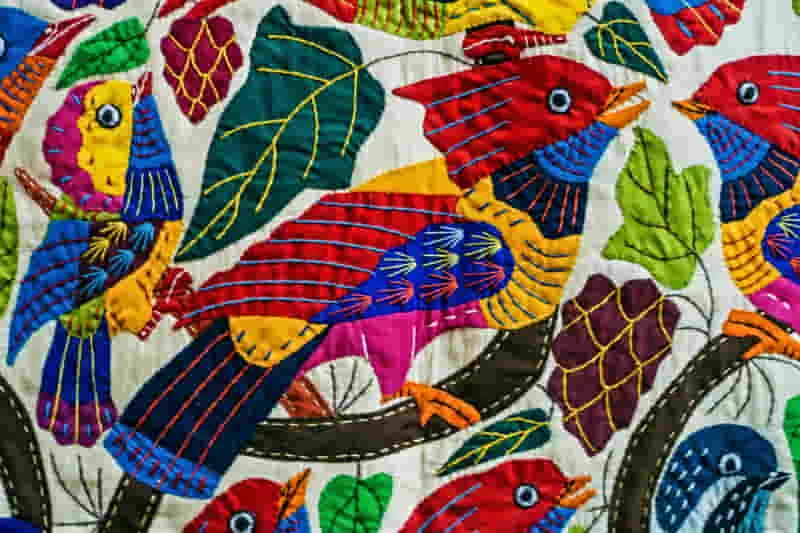
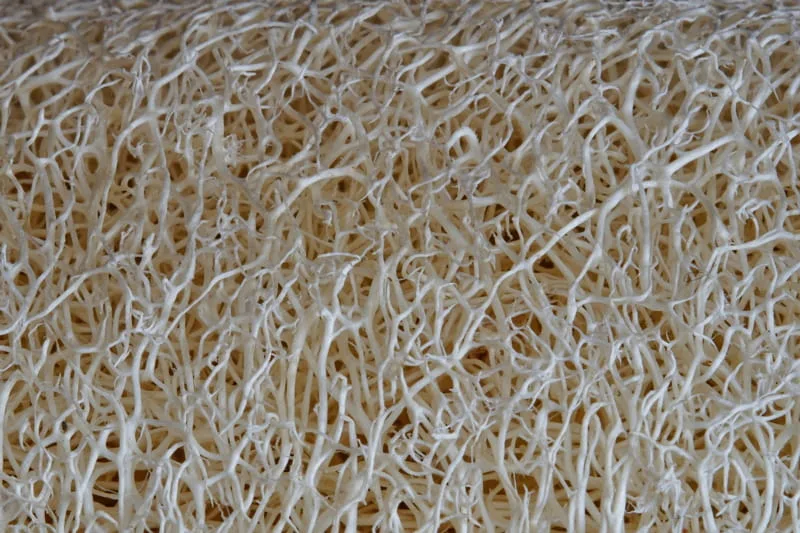
Banana fiber, derived from the pseudo-stem of banana plants, is strong, lightweight, and water-resistant. In regions such as Northeast India, artisans have long woven these fibers into traditional textiles. However, large-scale use is limited due to lack of processing infrastructure and public awareness.
Banana fiber’s potential spans diverse applications including apparel, bags, mats, ropes, and even handmade paper. With its biodegradability and renewability, banana fiber could become a cornerstone of sustainable textile production—especially with investment in mechanized extraction techniques and training programs.
For deeper insights on India’s potential with banana and pineapple fibers, see Save Handloom.
Pineapple Leaf Fibers (PALF): From Waste to Wealth
Pineapple leaves, often discarded after harvest, offer another high-value resource. PALF is extracted from these agricultural byproducts and is known for its softness, durability, and elasticity. It is particularly suited for vegan leather, apparel, home furnishings, and footwear.
Companies like Ananas Anam, creators of Piñatex®, have already popularized pineapple-based vegan leather globally. Meanwhile, rural areas such as the Garo Hills in Meghalaya, India, are embracing PALF for community-led sustainable enterprises. Training programs are equipping locals with the skills to process and utilize PALF, creating both environmental and economic value.
For more on this initiative, visit Hub Network.
Algae-Based Textiles: Biofabrication’s Frontier
While less common in commercial use, algae-based textiles are a fascinating frontier in sustainable design. Algae can be converted into biodegradable biopolymers or blended with cotton and other fibers to make soft, breathable, and sustainable fabrics.
Algae cultivation requires minimal water, grows rapidly, and even absorbs CO₂ during growth, making it a carbon-neutral source. Some innovative startups are experimenting with algae-based materials for fashion, packaging, and even 3D-printed wearable art. As research progresses, algae could become a crucial player in biofabricated textile solutions.
To understand the environmental promise of algae and plant-based fibers, read IJPE Journal.
The Case for Biodegradable Textiles
These natural fibers—banana, pineapple, and algae—present a triple win for the textile industry: they are biodegradable, sourced from renewable or waste materials, and support localized economies. In contrast to synthetics like polyester or nylon, they leave minimal ecological footprint and encourage circular practices.
However, realizing their full potential requires:
- Investment in fiber extraction and processing infrastructure
- Training and awareness programs for rural producers
- Supportive policies for sustainable material adoption
- Industry buy-in from fashion houses and retailers
If supported effectively, these biodegradable alternatives could reshape the future of fashion, making it cleaner, greener, and more inclusive.
Citations
- Save Handloom. The Untapped Power of Banana & Pineapple Fibers: Why India is Ignoring Its Future Goldmine. https://www.savehandloom.org/the-untapped-power-of-banana-pineapple-fibers-why-india-is-ignoring-its-future-goldmine/
- Hub Network. From Waste to Wealth: Garo Hills Harnesses Banana and Pineapple Fibres for Sustainable Livelihoods. https://hubnetwork.in/from-waste-to-wealth-garo-hills-harnesses-banana-and-pineapple-fibres-for-sustainable-livelihoods/
- IJPE. Eco-Sustainability with Plant Based Natural Fibers. https://www.ijplantenviro.com/index.php/IJPE/article/view/1797
- Textile Learner. Potential of Pineapple Leaf Fiber as a Sustainable Textile Material. https://textilelearner.net/potential-of-pineapple-leaf-fiber-as-a-sustainable-textile-material/