
Introduction
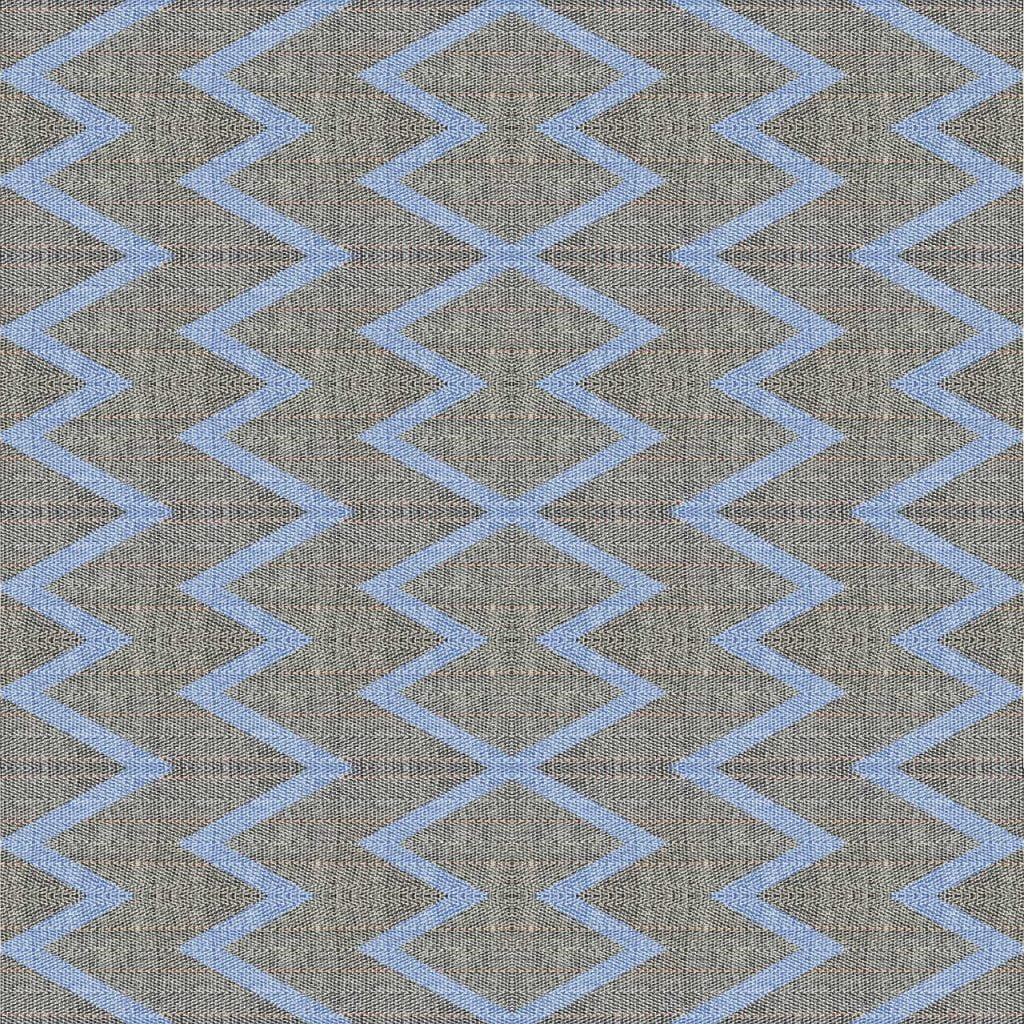
Zigzag or wavy twills are advanced forms of the basic twill weave, characterized by their dynamic, alternating diagonal patterns that create visually appealing zigzag or wavy lines across the fabric surface. Unlike standard twill weaves, which feature a consistent diagonal direction, zigzag and wavy twills reverse the direction of the diagonal at regular intervals, producing patterns such as herringbone or undulating waves. These weaves are valued for their aesthetic versatility, durability, and ability to enhance both fashion and functional textiles. This article provides a detailed analysis of the structure, characteristics, production methods, advantages, disadvantages, and applications of zigzag and wavy twills, offering insights for textile professionals and designers [Textile World, 2023].
Structural Characteristics of Zigzag and Wavy Twills
Zigzag and wavy twills are derived from the basic twill weave, where weft yarns pass over or under multiple warp yarns in a staggered manner to form diagonal lines. The distinctive feature of these weaves is the periodic reversal of the diagonal direction, creating a zigzag or wavy effect. Key structural characteristics include:
- Alternating Diagonal Pattern: The weave reverses the direction of the diagonal (e.g., from Z-twill to S-twill) at specific intervals, forming zigzag or wavy lines. For example, a herringbone twill alternates every few picks to create a V-shaped pattern.
- Weave Repeat: The weave repeat is more complex than standard twills, requiring a larger number of warp and weft yarns to complete the pattern. For instance, a 2/2 herringbone twill may have a repeat of 8 or more ends and picks.
- Warp or Weft Faced: Zigzag and wavy twills can be warp-faced (e.g., 3/1 twill base) or balanced (e.g., 2/2 twill base), affecting the prominence of the pattern on the fabric face.
- Floats: Like standard twills, these weaves feature longer floats (yarns passing over multiple yarns), contributing to a smoother surface and enhanced flexibility compared to plain weaves.
The weave structure can be represented mathematically by the twill line equation, where the shift in interlacement points creates the diagonal. For a zigzag twill, the weave diagram alternates the shift direction at a specified point, such as after every four picks, to form the characteristic pattern [Fibre2Fashion, 2024].
Visual and Tactile Characteristics
Zigzag and wavy twills are prized for their unique visual and tactile properties, which enhance their suitability for decorative and functional textiles.
- Visual Appeal: The alternating diagonal patterns create a dynamic, eye-catching effect, such as the V-shaped herringbone or sinusoidal waves in wavy twills. These patterns add sophistication and depth to fabrics, making them popular in fashion and interior design.
- Surface Texture: The longer floats in zigzag and wavy twills result in a smoother surface compared to plain weaves, contributing to a soft, luxurious hand-feel.
- Drapability: The flexibility of the weave structure, due to fewer interlacement points, enhances fabric drape, making it ideal for garments like jackets and dresses.
- Pattern Versatility: Variations in the frequency and angle of the diagonal reversal allow for diverse patterns, from subtle zigzags to bold, pronounced waves.
Mechanical and Functional Properties
The construction of zigzag and wavy twills imparts several mechanical and functional advantages, making them suitable for a range of applications.
- Durability: The staggered interlacement and longer floats distribute stress evenly, enhancing tensile strength and abrasion resistance, as measured by standards like ASTM D5035 (tensile strength) and ASTM D4966 (abrasion resistance).
- Flexibility: The weave’s structure allows greater flexibility than plain weaves, enabling fabrics to bend and conform without excessive creasing.
- Wrinkle Resistance: The looser interlacement reduces wrinkling, making zigzag and wavy twills suitable for travel-friendly garments.
- Visual Durability: The complex pattern can mask minor wear and stains, maintaining the fabric’s appearance over time.
These properties are quantified through textile testing, ensuring that zigzag and wavy twills meet performance requirements for specific applications [Textile Technology, 2024].
Types of Zigzag and Wavy Twills
Zigzag and wavy twills encompass several variations, each with unique aesthetic and functional characteristics:
- Herringbone Twill: Features a V-shaped pattern created by reversing the diagonal direction, resembling fishbones. Commonly used in suiting and upholstery for its elegant, textured appearance.
- Wavy Twill: Produces a sinusoidal or undulating pattern by gradually altering the diagonal direction, often used in decorative fabrics for a flowing effect.
- Pointed Twill: A variation of herringbone where the reversal creates sharp, pointed transitions, adding dramatic visual interest.
- Broken Twill: The diagonal is interrupted or broken at intervals, creating a less pronounced zigzag effect, used for subtle textures in apparel.
These variations are achieved by adjusting the weave repeat and shift points on the loom, allowing designers to customize patterns for specific aesthetic or functional needs.
Production of Zigzag and Wavy Twills
Zigzag and wavy twills are produced using weaving looms, such as dobby or jacquard looms, which allow precise control over warp and weft interlacement. The weave pattern is defined by the lifting plan, which alternates the direction of the twill line. For example, a herringbone twill may use a 2/2 twill base with a reversal every four picks, represented as:
Where n is the number of picks before the diagonal direction changes. The complexity of the pattern requires precise loom setup and often higher production costs compared to standard twills.
Advantages of Zigzag and Wavy Twills
Zigzag and wavy twills offer several advantages that enhance their appeal in textile applications:
- Aesthetic Sophistication: The dynamic patterns add visual interest, making them ideal for high-end fashion and decorative textiles.
- Durability: The twill structure provides excellent strength and abrasion resistance, suitable for heavy-duty applications.
- Drapability: Enhanced flexibility ensures good drape, ideal for tailored garments and curtains.
- Pattern Versatility: Variations like herringbone allow customization for diverse aesthetic needs.
Disadvantages of Zigzag and Wavy Twills
Despite their benefits, zigzag and wavy twills have some limitations:
- Production Complexity: The alternating patterns require advanced loom setups, increasing production time and cost.
- Pilling Potential: Longer floats may lead to pilling, particularly in synthetic fibers, necessitating anti-pilling finishes.
- Breathability: Tighter weaves, such as those in herringbone suiting, may reduce breathability compared to open plain weaves.
Applications of Zigzag and Wavy Twills
Zigzag and wavy twills are used in a variety of applications due to their aesthetic and functional properties:
- Apparel: Herringbone twills are popular in suits, jackets, and trousers for their sophisticated appearance and durability. Wavy twills are used in dresses and scarves for their flowing patterns.
- Home Textiles: These weaves are used in upholstery, curtains, and decorative throws, where their patterns add elegance to interiors.
- Technical Textiles: Zigzag twills are employed in workwear and uniforms for their strength and visual appeal.
- Decorative Fabrics: Wavy and herringbone patterns are used in wall coverings and designer fabrics for their artistic effects [Sustainable Textile, 2024].
Practical Considerations
Designing and producing zigzag or wavy twill fabrics requires careful consideration of yarn type, weave density, and finishing treatments. For example, wool or wool-blend yarns enhance the luxurious appearance of herringbone suits, while cotton is suitable for casual wavy twill fabrics. Finishing processes, such as brushing or coating, can enhance texture or durability but must be balanced to maintain breathability. Challenges include ensuring pattern consistency and managing production costs, particularly for complex designs requiring jacquard looms.
Sustainability in Zigzag and Wavy Twill Production
Sustainability is a growing priority in textile production, including zigzag and wavy twills. Using eco-friendly fibers, such as organic cotton or recycled polyester, reduces environmental impact. Low-impact dyeing and water-saving weaving processes, such as air-jet looms, minimize resource consumption. Additionally, durable twill structures contribute to sustainability by extending fabric lifespan, reducing the need for frequent replacements [Textile World, 2024].
Conclusion
Zigzag and wavy twills are versatile and visually striking variations of the twill weave, offering a unique combination of aesthetic appeal, durability, and flexibility. Their alternating diagonal patterns, such as herringbone and wavy designs, make them ideal for fashion, home textiles, and technical applications. By understanding their structural properties, production methods, and practical uses, textile professionals can leverage zigzag and wavy twills to create innovative, high-quality fabrics. As the industry moves toward sustainability, advancements in eco-friendly materials and production techniques will further enhance the relevance of these weaves in modern textile manufacturing.


