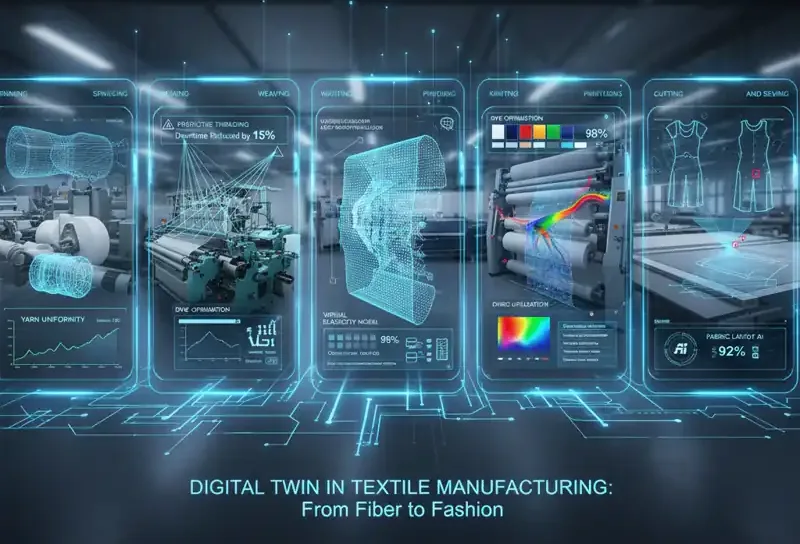
This comprehensive article explores the evolving science of anti-microbial fabrics and their wide-ranging applications beyond healthcare. It offers insights into materials, technologies, production methods, sustainability, and innovations shaping the next generation of hygienic textiles.
Introduction
Anti-microbial textiles, once associated solely with hospital gowns and surgical masks, are now at the forefront of innovation across multiple industries. As societies become increasingly conscious of hygiene, health, and environmental safety, anti-microbial fabrics are expanding into fashion, interior design, sportswear, military uniforms, and even aerospace applications.
These intelligent textiles inhibit the growth of bacteria, fungi, and viruses on the fabric surface—extending the lifespan of garments, reducing odors, and enhancing user comfort. But beyond these functional benefits, they also represent a significant step forward in the convergence of material science, biotechnology, and sustainable design.
This article explores the science, types, manufacturing methods, and diverse applications of anti-microbial textiles, providing deep insight into how they are reshaping global textile sectors far beyond healthcare.
History and Evolution of Anti-Microbial Textiles
The concept of using textiles for microbial control dates back centuries. Ancient Egyptians used copper to sterilize wounds, while Chinese warriors wore silk under armor for hygienic benefits. However, the modern era of anti-microbial fabrics began in the 20th century with the rise of synthetic fibers and military needs.
By the 1980s, anti-microbial finishes became standard in hospital linens and medical garments. The 21st century, however, brought a wave of nanotechnology, silver-based coatings, and biopolymer developments, leading to a new generation of smart textiles.
How Do Anti-Microbial Fabrics Work?
Anti-microbial textiles work by inhibiting the growth or killing of microorganisms on their surface. This is achieved through:
1. Biocidal Action
The fabric kills microbes by disrupting their cell walls, denaturing proteins, or interfering with DNA.
2. Biostatic Action
Instead of killing microbes, the fabric prevents their growth and reproduction.
| Mechanism | Description | Examples |
|---|---|---|
| Contact-kill | Destroys microbes upon contact | Silver ions, zinc oxide |
| Leaching | Releases biocidal agents slowly | Triclosan, copper ions |
| Binding | Physically prevents adhesion | Quaternary ammonium compounds |
Types of Anti-Microbial Agents Used in Textiles
A. Metal-Based Agents
- Silver (Ag+): Highly effective against a wide range of microbes
- Copper (Cu2+): Offers antiviral and antifungal properties
- Zinc Oxide: Used in skin-contact textiles for its non-toxic nature
B. Synthetic Organic Compounds
- Triclosan: A broad-spectrum biocide (now regulated in many countries)
- Quaternary Ammonium Compounds (QACs): Effective but raise toxicity concerns
- Polyhexamethylene biguanide (PHMB): Stable and water-insoluble
C. Bio-Based Agents
- Chitosan: Derived from crustacean shells, biodegradable and safe
- Essential Oils: Tea tree, eucalyptus, and lavender oils
- Plant Extracts: Neem, turmeric, and aloe vera derivatives
| Agent Type | Sustainability | Efficacy | Safety |
|---|---|---|---|
| Silver | Moderate | High | Generally safe |
| Chitosan | High | Medium | Very safe |
| Triclosan | Low | High | Restricted |
Application Methods in Fabric Production
The efficacy of anti-microbial textiles depends heavily on how the agent is applied. Common application methods include:
1. Surface Coating (Padding or Finishing)
- Simple, cost-effective
- Susceptible to washing-off
2. Fiber Embedding (Dope Dyeing or Melt Spinning)
- Incorporates agent during fiber extrusion
- Offers durability and resistance to multiple washes
3. Microencapsulation
- Encapsulates the agent in a polymer shell
- Enables slow release over time
4. Nanotechnology Infusion
- Applies nanoparticles to create long-lasting effects
- Ideal for lightweight and breathable applications
Textile Compatibility and Performance
Anti-microbial finishes can be applied to a wide range of materials:
- Cotton: Most common for innerwear, bedding, and casualwear
- Polyester: Frequently used in activewear
- Nylon: For intimate apparel and technical garments
- Blends: Allows customization for comfort and efficacy
Performance testing typically involves:
- AATCC 100: Assessment of anti-bacterial finishes
- ASTM E2149: Dynamic contact testing method
- ISO 20743: Quantitative evaluation using bacterial strains
Applications Beyond Healthcare
A. Sportswear and Activewear
- Odor control during heavy activity
- Moisture-wicking and anti-fungal properties
- Reduces washing frequency
B. Home Textiles
- Anti-microbial curtains, carpets, and bedsheets
- Ideal for allergy sufferers and children
- Upholstery fabrics in public spaces (e.g., airports, hotels)
C. Military and Tactical Gear
- Long-wear uniforms with anti-bacterial protection
- Prevention of trench foot and skin infections
D. Travel and Outdoor Gear
- Anti-microbial sleeping bags, socks, and backpacks
- Useful in humid or high-risk environments
E. Fashion and Everyday Apparel
- Inner linings, socks, undergarments, and business wear
- Combines hygiene with elegance
F. Public Transport and Automotive Interiors
- Anti-microbial seat covers, headrests, and air filters
- Enhances public hygiene in mass transit
Real-World Examples
Polygiene® Technology
- Silver salt-based treatment
- Used by Adidas, Patagonia, and Odlo
- Certified bluesign® approved
HeiQ Viroblock
- Combines silver and vesicle technology
- Demonstrated effectiveness against SARS-CoV-2
- Adopted in face masks and hospitality uniforms
Sanitized® AG (Switzerland)
- Offers anti-microbial coatings for textiles, polymers, and coatings
- Applications in medical, fashion, and automotive sectors
Environmental and Regulatory Considerations
Despite their benefits, anti-microbial textiles raise environmental and regulatory concerns:
- Leaching into wastewater: Especially with metal-based agents
- Bioaccumulation risk: Silver and triclosan residues in aquatic systems
- Toxicity and allergies: Some users may react to certain treatments
- Regulatory bans: Triclosan is banned in consumer textiles in the EU and USA
Sustainable alternatives focus on:
- Biodegradable agents (e.g., chitosan)
- Durable, non-leaching coatings
- Green certification: OEKO-TEX® Standard 100, GOTS, and EPA Safer Choice
Innovations in Anti-Microbial Fabric Technology
- Graphene-infused textiles: Lightweight, conductive, and anti-microbial
- Self-cleaning fabrics: Use of photocatalytic agents like titanium dioxide
- Responsive fabrics: Activate upon moisture or heat to release agents
- Living fabrics: Bioengineered to regenerate anti-microbial effects over time
Market Demand and Industry Trends
The global anti-microbial textiles market is projected to exceed $14 billion by 2027, driven by:
- Growing hygiene awareness
- Aging global population
- Urban pollution and allergens
- Rise of remote work and wearable technology
| Segment | Key Growth Driver |
|---|---|
| Sportswear | Odor control and hygiene |
| Home Textiles | Allergy prevention, long-term freshness |
| Automotive | Passenger hygiene post-pandemic |
| Hospitality | Bedding and linens in hotels |
Challenges and Limitations
- Cost: High-quality treatments add to fabric cost
- Durability: Some finishes wear off after 20–50 washes
- Perception: Users may not understand or trust added benefits
- Standardization: No global testing norm for anti-viral efficacy
Education and third-party certifications can bridge these gaps.
Future Outlook
In the future, we can expect:
- Integrated biosensors: Detect and neutralize bacteria in real time
- AI-enabled testing: Rapid evaluation of anti-microbial strength
- Zero-waste finishing processes: Including dry plasma and supercritical CO₂
- Synergistic textiles: Combining anti-microbial, UV-protection, and thermoregulation
These advancements point toward a smarter, cleaner, and more functional textile future.
Summary
Anti-microbial fabrics are no longer niche materials confined to hospitals—they are pivotal in reshaping the way we approach hygiene, performance, and sustainability in textiles. As technology evolves and awareness grows, these textiles are finding applications across lifestyle, travel, fashion, and interiors.
For manufacturers, designers, and researchers, the focus must now shift from functional novelty to holistic innovation—where anti-microbial performance meets environmental safety, user comfort, and long-term durability.
References:
- AATCC – Antibacterial Testing Methods: https://www.aatcc.org
- ISO – Technical Textile Standards: https://www.iso.org
- Journal of Textile Science & Engineering – Anti-Microbial Research: https://www.longdom.org/textile-science-engineering.html
- Polygiene Technology Overview: https://www.polygiene.com