Introduction
Floor mats are ubiquitous in both residential and commercial spaces. They serve multiple purposes, including preventing slips and falls, protecting floors from damage, and enhancing the overall appearance of an area. The textile industry plays a significant role in the production of floor mats, utilizing a variety of materials and manufacturing techniques to create products that meet diverse needs.

History of Floor Mats
The concept of floor coverings dates back to ancient times. Early humans used natural materials like animal skins and woven grasses to protect their dwellings. As civilizations advanced, so did the sophistication of floor coverings. The Romans, for example, used mosaics and rugs to adorn their floors.
The modern floor mat evolved from these early coverings. The industrial revolution brought about mass production techniques, making floor mats more accessible and affordable. Today, floor mats are an integral part of interior design and safety protocols.
Technological Evolution
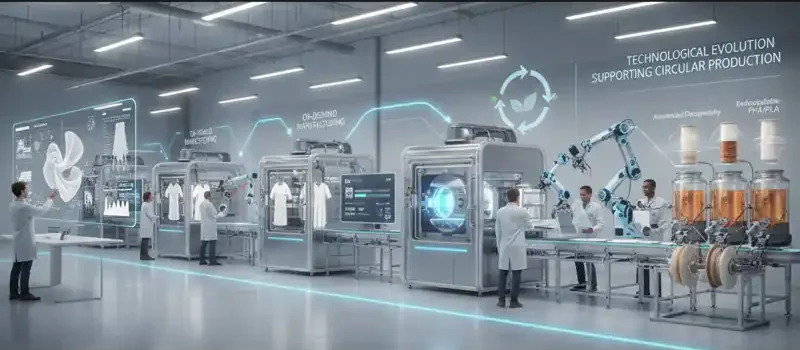
The technology behind floor mat production has advanced significantly over the years. Initially, floor mats were primarily made from natural materials like cotton, jute, and rubber. However, the development of synthetic materials such as nylon, polypropylene, and PVC has revolutionized the industry.
- Early Materials: Natural rubber, cotton, and jute were among the first materials used.
- Synthetic Revolution: Nylon and polypropylene offered enhanced durability and stain resistance.
- Advanced Composites: Modern mats often incorporate blends of natural and synthetic fibers for optimal performance.
Source and Availability
Floor mats are widely available through various channels. Retail stores, online marketplaces, and specialized suppliers offer a vast selection of mats to suit different needs. The availability of specific types of mats may vary depending on the region and demand.
- Retail Stores: Offer a variety of mats for home and commercial use.
- Online Marketplaces: Provide a broad selection with competitive pricing.
- Specialized Suppliers: Focus on niche markets, such as industrial or anti-fatigue mats.
Innovations in Floor Mat Design
Innovation in floor mat design focuses on improving functionality, durability, and aesthetics. Some notable innovations include:
- Anti-Fatigue Mats: Designed to reduce strain on the body during prolonged standing.
- Logo Mats: Customized with company logos for branding purposes.
- Eco-Friendly Mats: Made from recycled materials to promote sustainability.
- Smart Mats: Equipped with sensors to monitor foot traffic and hygiene levels.
Production Process
The production of floor mats involves several key steps:
- Material Selection: Choosing the appropriate materials based on the intended use of the mat.
- Manufacturing: This can include weaving, molding, tufting, or printing.
- Finishing: Adding backing materials, edge binding, and other finishing touches.
- Quality Control: Ensuring the mats meet the required standards for durability, safety, and appearance.
Challenges in the Floor Mat Industry
The floor mat industry faces several challenges, including:
- Competition: A highly competitive market with numerous players.
- Material Costs: Fluctuations in the prices of raw materials.
- Sustainability: The need to reduce environmental impact through the use of eco-friendly materials and processes.
- Regulatory Compliance: Adhering to safety and environmental regulations.
Real-World Applications
Floor mats are used in a wide range of settings, including:
- Residential: Entrance mats, kitchen mats, bathroom mats.
- Commercial: Office buildings, retail stores, restaurants.
- Industrial: Factories, warehouses, laboratories.
- Healthcare: Hospitals, clinics, nursing homes.
- Sports and Recreation: Gyms, swimming pools, locker rooms.
Types of Floor Mats
Floor mats come in a variety of types, each designed for specific purposes and environments. Here is a detailed overview:
Entrance Mats
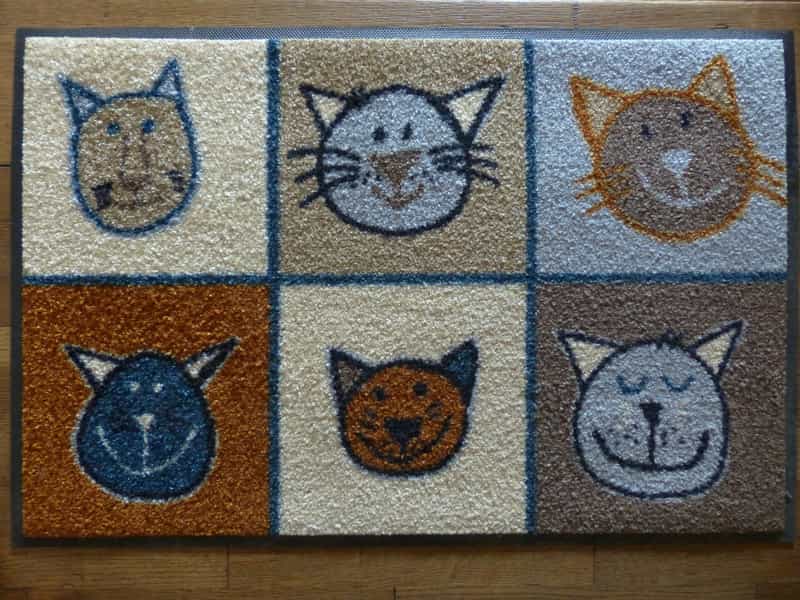
Entrance mats are designed to trap dirt and moisture at doorways, preventing them from being tracked inside. They are essential for maintaining cleanliness and safety in both residential and commercial buildings.
- Function: Scrape dirt and absorb moisture.
- Materials: Often made from durable materials like nylon, polypropylene, or rubber.
- Design: Available in various sizes, colors, and patterns to complement the entrance area.
Anti-Fatigue Mats
Anti-fatigue mats are designed to reduce the strain on the body caused by prolonged standing. They are commonly used in industrial settings, retail stores, and other environments where employees spend long hours on their feet.
- Function: Provide cushioning and support to reduce fatigue.
- Materials: Typically made from foam, rubber, or gel.
- Design: Available in various thicknesses and sizes, with options for beveled edges to prevent tripping.
Kitchen Mats
Kitchen mats are designed to provide comfort and safety in the kitchen. They help prevent slips and falls, protect the floor from spills, and offer cushioning for those who spend long hours cooking.
- Function: Absorb spills, provide cushioning, and prevent slips.
- Materials: Often made from rubber, PVC, or foam.
- Design: Available in various sizes and styles, with options for stain resistance and easy cleaning.
Bathroom Mats
Bathroom mats are designed to absorb water and provide a non-slip surface in the bathroom. They help prevent slips and falls and add a touch of comfort to the bathroom environment.
- Function: Absorb water and provide a non-slip surface.
- Materials: Typically made from cotton, microfiber, or memory foam.
- Design: Available in various colors, sizes, and shapes to match the bathroom decor.
Industrial Mats
Industrial mats are designed to withstand heavy use and harsh conditions in industrial environments. They provide safety, comfort, and protection for workers and equipment.
- Function: Protect floors, provide traction, and reduce fatigue.
- Materials: Often made from durable rubber, PVC, or aluminum.
- Design: Available in various sizes and thicknesses, with options for chemical resistance and anti-static properties.
Logo Mats
Logo mats are customized with company logos or other branding elements. They are used to promote brand awareness and create a professional image in commercial settings.
- Function: Promote brand awareness and enhance the appearance of the entrance area.
- Materials: Typically made from nylon or polypropylene with a rubber backing.
- Design: Customized with company logos, colors, and designs.
Anti-Slip Mats
Anti-slip mats are designed to provide a secure footing in areas prone to slips and falls. They are commonly used in bathrooms, kitchens, and other wet or slippery environments.
- Function: Prevent slips and falls.
- Materials: Often made from rubber, PVC, or other non-slip materials.
- Design: Available in various sizes and styles, with options for textured surfaces and drainage holes.
Drainage Mats
Drainage mats are designed to allow water and other liquids to drain away quickly. They are commonly used in showers, swimming pools, and other wet areas.
- Function: Allow water to drain away quickly and prevent standing water.
- Materials: Typically made from rubber or plastic with drainage holes.
- Design: Available in various sizes and styles, with options for anti-slip surfaces.
Welding Mats
Welding mats are designed to protect floors and equipment from sparks and spatter during welding operations. They are made from fire-resistant materials and provide a safe working environment for welders.
- Function: Protect floors and equipment from sparks and spatter.
- Materials: Typically made from fire-resistant rubber or PVC.
- Design: Available in various sizes and thicknesses, with options for heat resistance and electrical insulation.
Electrical Safety Mats
Electrical safety mats are designed to protect workers from electrical shock in areas where electrical equipment is used. They are made from non-conductive materials and provide a safe working environment.
- Function: Protect workers from electrical shock.
- Materials: Typically made from non-conductive rubber or PVC.
- Design: Available in various sizes and thicknesses, with options for voltage ratings and surface textures.
Chair Mats
Chair mats are designed to protect floors from damage caused by office chairs. They are commonly used in offices and home offices to prevent scratches and dents on the floor.
- Function: Protect floors from damage caused by office chairs.
- Materials: Typically made from PVC, polycarbonate, or other durable materials.
- Design: Available in various sizes and shapes to fit different office spaces.
Gym Mats
Gym mats are designed to provide cushioning and protection in gyms and fitness centers. They help prevent injuries and protect the floor from damage caused by heavy equipment.
- Function: Provide cushioning and protect floors in gyms and fitness centers.
- Materials: Typically made from rubber, foam, or PVC.
- Design: Available in various sizes and thicknesses, with options for interlocking edges and non-slip surfaces.
Yoga Mats
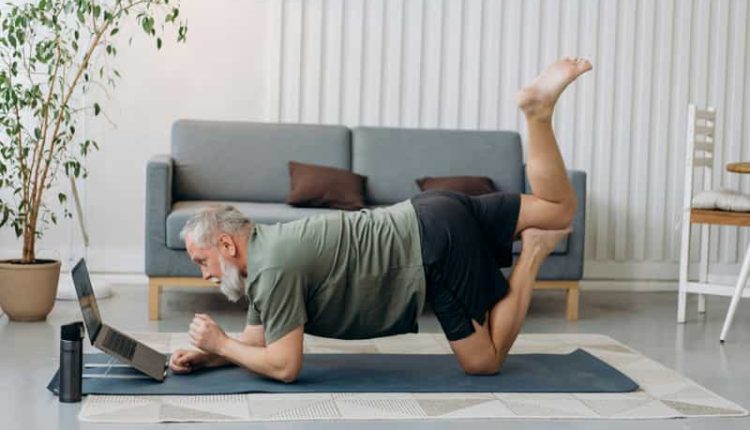
Yoga mats are designed to provide a non-slip surface for yoga practice. They are lightweight, portable, and easy to clean, making them ideal for use at home or in a studio.
- Function: Provide a non-slip surface for yoga practice.
- Materials: Typically made from rubber, PVC, or TPE.
- Design: Available in various colors, thicknesses, and textures to suit different preferences.
Specialty Mats
Specialty mats are designed for specific applications and environments. They include a wide range of products, such as cleanroom mats, static control mats, and animal comfort mats.
- Cleanroom Mats: Designed to trap dirt and contaminants in cleanroom environments.
- Static Control Mats: Designed to dissipate static electricity and protect sensitive electronic equipment.
- Animal Comfort Mats: Designed to provide comfort and support for animals in barns, stables, and veterinary clinics.
End-Users
The end-users of floor mats are diverse and include:
- Homeowners: Use mats for safety, comfort, and aesthetics.
- Businesses: Use mats to maintain cleanliness, promote branding, and ensure employee safety.
- Industrial Facilities: Use mats to protect floors, reduce fatigue, and prevent accidents.
- Healthcare Providers: Use mats to maintain hygiene and prevent slips and falls.
- Educational Institutions: Use mats to protect floors and ensure student safety.

Market Trends
The floor mat market is influenced by several key trends:
- Growing Demand for Safety: Increasing awareness of the importance of safety in both residential and commercial settings.
- Rising Focus on Hygiene: Heightened concerns about cleanliness and hygiene, especially in healthcare and food service industries.
- Increasing Adoption of Ergonomic Solutions: Growing demand for anti-fatigue mats and other ergonomic products to improve worker comfort and productivity.
- Rising Popularity of Eco-Friendly Products: Increasing demand for mats made from recycled or sustainable materials.
- Customization and Branding: Growing trend towards customized mats with logos and branding elements.
Future of Floor Mats
The future of floor mats is likely to be shaped by several factors:
- Technological Advancements: Development of new materials and manufacturing techniques.
- Sustainability Initiatives: Increased use of recycled and sustainable materials.
- Smart Technology Integration: Incorporation of sensors and other smart technologies to monitor foot traffic and hygiene levels.
- Customization and Personalization: Growing demand for customized mats that meet specific needs and preferences.
- Expansion into New Markets: Increasing use of floor mats in emerging markets and new applications.
Summary
Floor mats are essential components in various settings, offering safety, hygiene, and aesthetic benefits. The industry has evolved significantly, with innovations in materials, design, and manufacturing processes. As technology advances and sustainability becomes more critical, the future of floor mats promises even more innovative and eco-friendly solutions.