
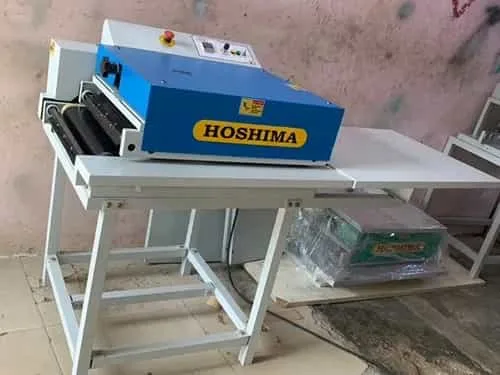
Properties determining the fused laminate
Some of the factors determine the properties of the fused laminate such as the basic fabric of the inner lining, methods of applying resins to base cloths – Scatter coating, dry dot printing, paste coating.
In addition to the outer fabric of the garment, three factors determine the properties of the fused laminate:
- The base fabric of the interlining: Base fabrics are available in the woven fabric and non-woven constructions described for sew-in interlinings and also as warp knits. The warp knits are either a loc-knit or weft insert construction.
- The type of fusible resin: the choice of resin is restricted by limits imposed by the outer fabric, the fusing equipment to be fused, the end use requirements, and the precise behavior of the resins in response to heat. The resins used are mostly chemicals whose names will be familiar from other users. The following are resins :
- Polyethylene
- Polypropylene
- Polyamide
- Polyesters
- Polyvinyl chloride (PVC)
- Methods of applying resins to base cloths: There is further scope for varying the properties of an interlining and its effect on the outer fabric of a garment by varying the applications of the resin to the base cloth.The most popular methods used are :
- Scatter coating:
specially designed scattering heads are used to provide an even scatter under automatic control. The resin is then softened in an oven, pressed onto the base cloth and cooled. - Dry dot printing:
The powdered resin fills engraved holes on a roller. The base cloth passes over a heated roller and then against the engraved roller. The powdered resin adheres to the cloth in the form of dots. Oven heating follows the printing operation to ensure permanent adhesion. The temperature and pressure on the two rollers are varied for different resin types. Patterns of dots can vary from 3 to 12 dots per cm according to the garment manufacturer’s requirements. - Paste coating:
Fine resin powders are blended with water and other agents to form a smooth paste and are printed onto the base cloth. Heat removes the water and the dots coalesce into a solid resin. This type of coating gives precisely shaped dots and is used to produce the finer dots used in shirt collar fusibles
- Scatter coating:







it is a good work continue with your work