

Physical classification of Fibers
Fibers are broadly classified into Filament yarns and Staple Yarns on the basis of their physical structure.Filament yarns are measured in yards or meters.
Article
Page 65 of 84
Fibers are broadly classified into Filament yarns and Staple Yarns on the basis of their physical structure.Filament yarns are measured in yards or meters.
Article
Sampling procedure of bales,No.of tests and critical difference % for various fiber properties
Article
Textile knot yarn production, Faults, and remedies, Uniformity ratio, Micronnaire and maturity, Fiber maturity
Article
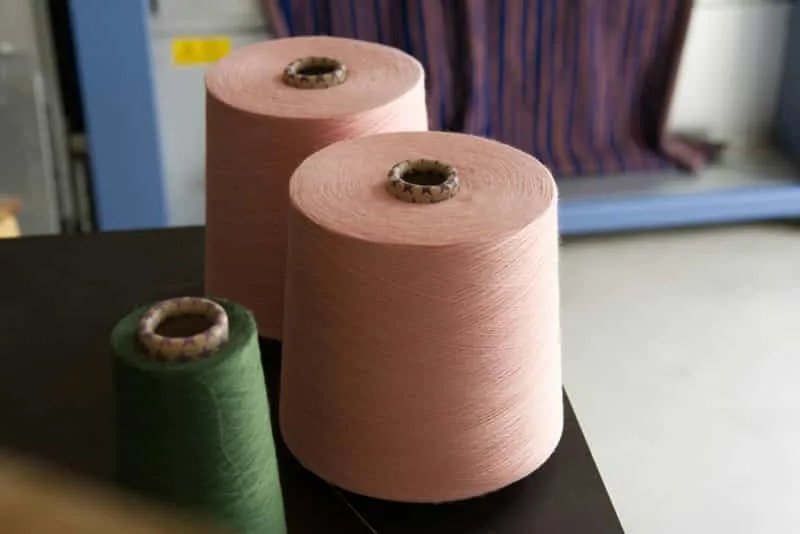
Twist insertion is a fundamental process in yarn production, imparting strength, cohesion, and structural integrity to fibers. Various spinning techniques, such as ring spinning, rotor spinning, air-jet spinning, and friction spinning, employ different methods of twist insertion to produce yarns with distinct properties. This article explores the mechanics of twist insertion, its significance in yarn formation, and the characteristics, advantages, and applications of major spinning techniques, providing a comprehensive resource for textile professionals seeking to optimize yarn production.
Article
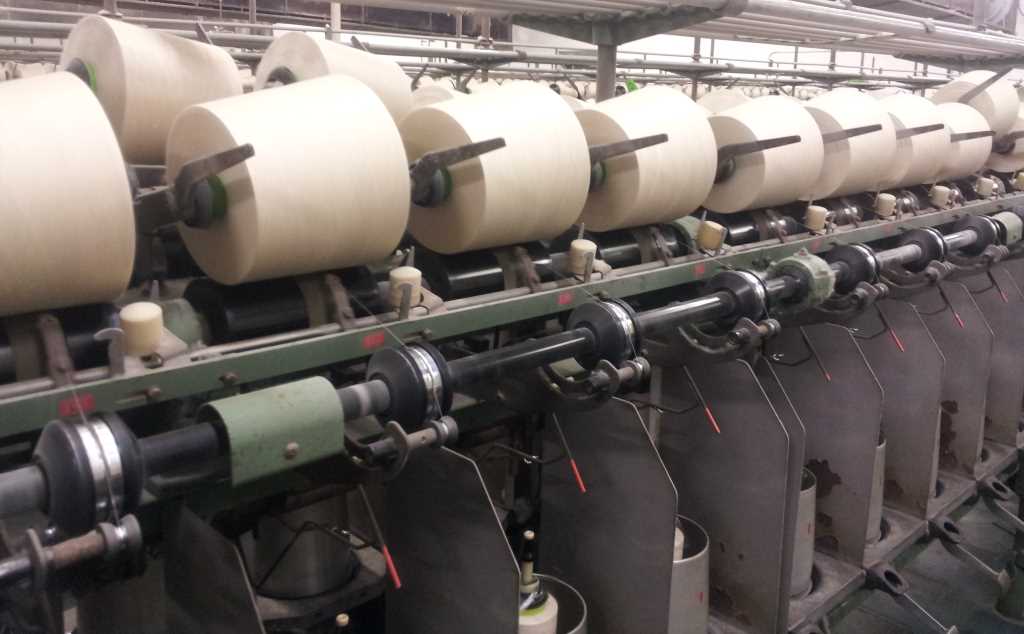
Doubling reduces unevenness of single yarns and the strength of the doubled yarn is correspondingly better than the single yarns. In this article Ring Doubling, Two-For-One (TFO) twister, quality required by yarn to get best-doubled yarn are discussed.
Article
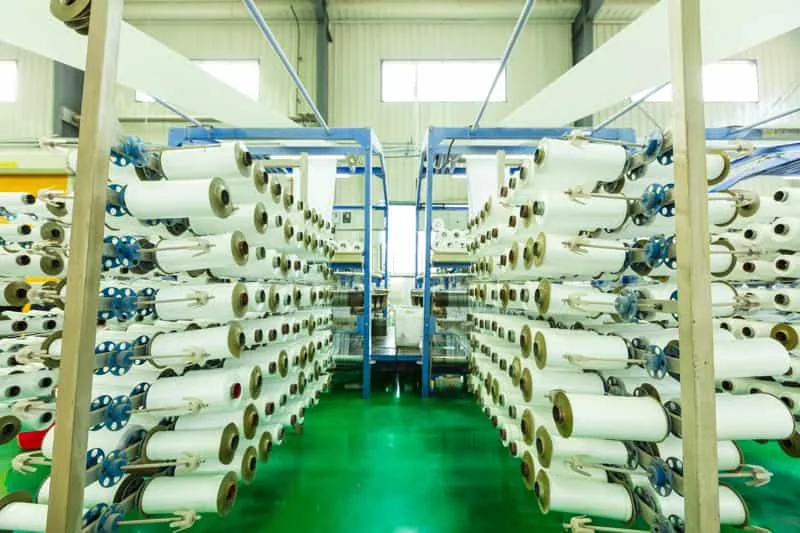
Specifications of automatic cone winding, checking of reeling frequently, reeling doff weight, reeling calculations
Article
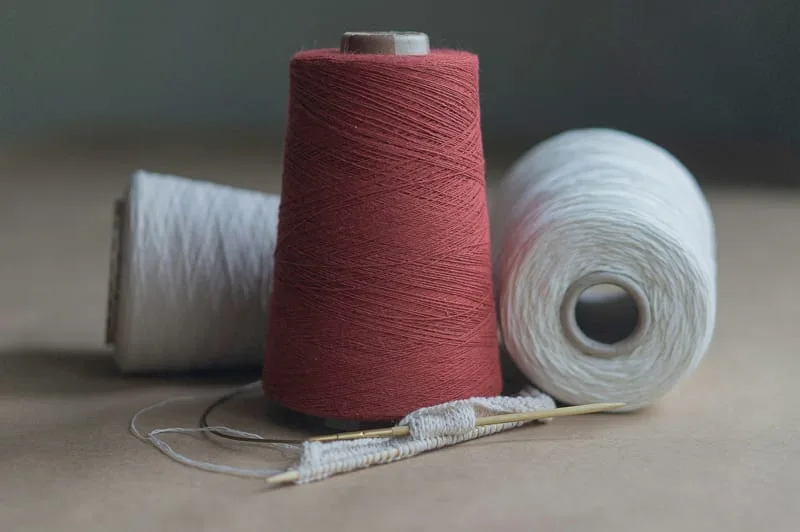
Contains the process sequence of Finishing for yarn. It includes yarn twist setting, cone winding from ring cops to cone by cone winding , ordinary cone winding specifications, slub catcher settings , splicing, production calculation.
Article

Factors governing Optimum Spinning condition, Yarn quality assessment, Causes of end breakage/ end down
Article

The lap former process transforms carded slivers into a consistent lap for combing in yarn spinning. By consolidating slivers, ensuring uniformity, aligning fibers, and controlling quality, this process enhances yarn strength and quality. Specialized lap former machines achieve these objectives, making it a critical step in textile production.
Article

The speed frame process in yarn spinning converts slivers into roving through drafting, twisting, and winding, preparing fibers for ring spinning. By ensuring uniformity, strength, and quality, this process is critical for producing high-quality yarn. Advanced speed frame machines achieve these objectives, enhancing textile production efficiency.
Article
Every record in these registers was sent in by somebody. Submissions are reviewed before they are published.
1,481 machines in the register.Tell us about a missing one 288 event series in the register.Submit a trade fair or conference 3,037 standards tracked in the register.Get the changes by email each week