
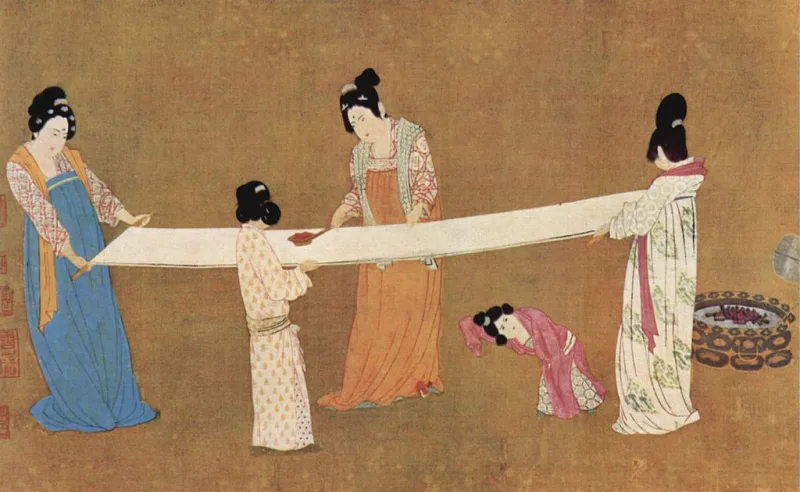
History of Textile Fabrics
History and origin of fabrics, the introduction of various textile fibers to mankind each from natural and man-made categories.
Article
Page 70 of 84
History and origin of fabrics, the introduction of various textile fibers to mankind each from natural and man-made categories.
Article

Different fabrics are used differently. They are specially made to fulfill certain purposes.
Article

Qiviut is one of the finest and rarest natural fibers in the world, derived from the underwool of the Arctic musk-ox. Known for its unmatched softness, warmth, and durability, qiviut is a prized textile treasure with deep indigenous roots and sustainable harvesting practices.
Article
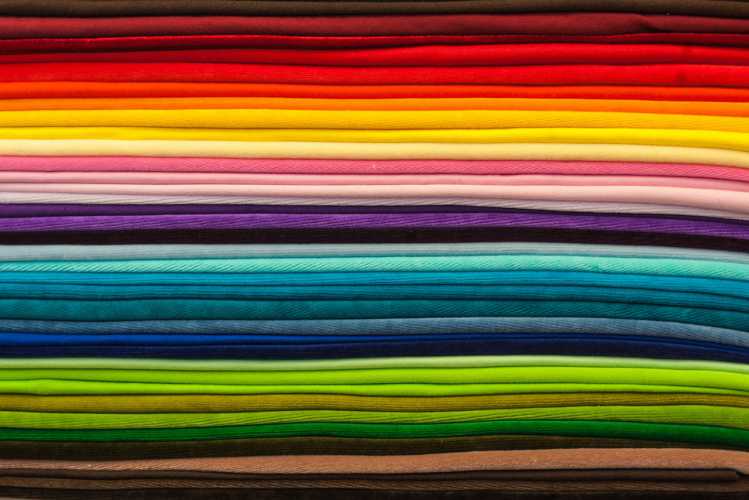
Fabrics are classified by construction (woven, knitted, nonwoven) and by fibre. An A to Z of 88 fabric types with pictures, fibres, weights and uses.
Article

The major methods for fabric manufacture are weaving and knitting. Weaving, or interlacing yarns, is the most common process used to create fabrics.
Article
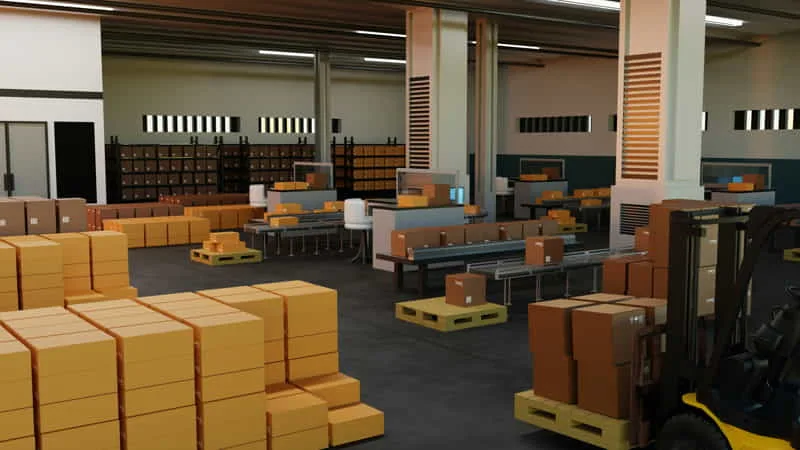
The purchasing department in a garment company is similar to the sourcing department but the main difference is that the sourcing department works for sourcing the fabrics alone while the purchasing department works for sourcing the accessories and trims.
Article

The process of fabric sourcing in garment manufacturing is a multifaceted endeavor that plays a pivotal role in the fashion industry. It involves the acquisition of suitable fabric materials for creating clothing items, ensuring that they meet quality, quantity, cost, and sustainability requirements. This comprehensive guide explores the intricate world of fabric sourcing, delving into every aspect, from understanding fabric requirements to negotiating contracts and considering sustainability. Whether you are an established manufacturer or a novice in the field, mastering the art of fabric sourcing is essential to produce garments that meet market demands and industry standards.
Article
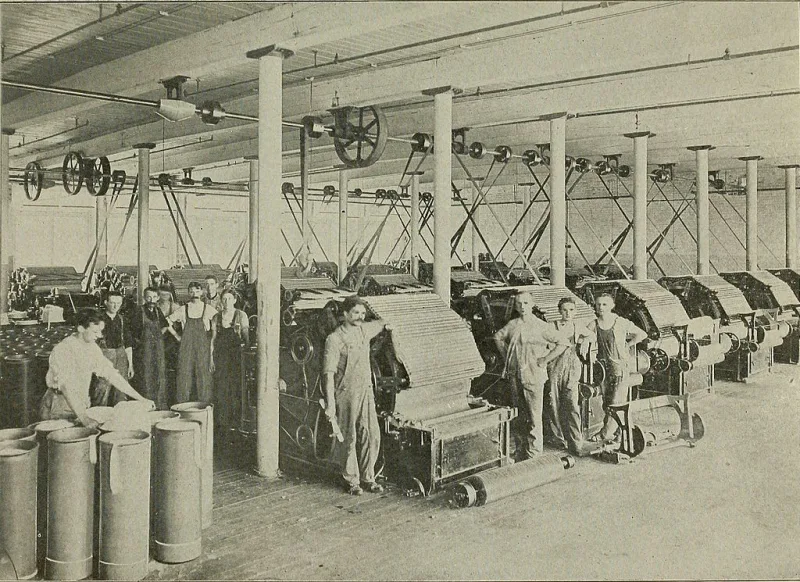
The textile industry has been a cornerstone of human civilization for centuries, weaving together threads of history, culture, and innovation. From the earliest hand-spun fibers to the mass production of synthetic materials, textiles have evolved in tandem with human progress. Today, we stand on the brink of another transformative era – the Textile Revolution. In this comprehensive article, we will explore the key drivers, innovations, and impacts of this revolution, which is reshaping the textile industry in ways that were once unimaginable.
Article
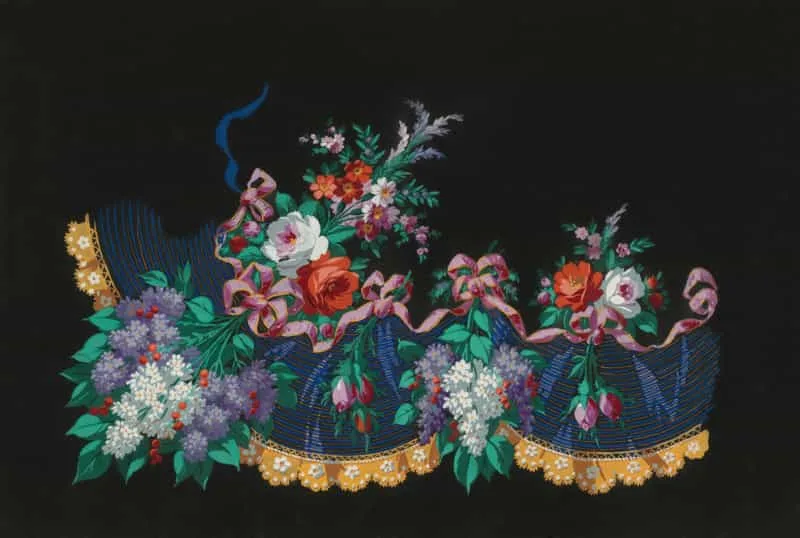
Schiffli embroidery finishing and detailing involve meticulous processes like thread trimming, stabilizer removal, cleaning, pressing, and quality inspection to refine embroidered textiles. These steps ensure high-quality, durable, and visually appealing products, making Schiffli embroidery ideal for apparel and home textiles.
Article
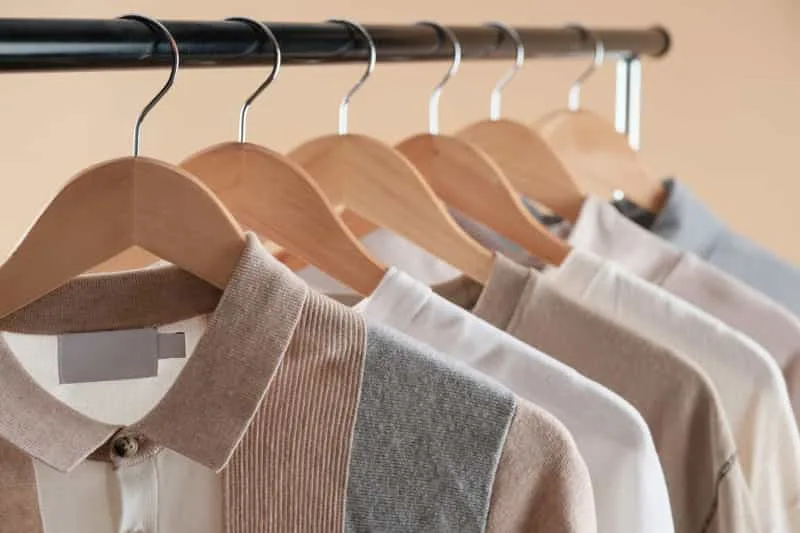
Hanger ready garments are pre-prepared with tickets and barcodes, enabling immediate retail display. Through meticulous ticketing, barcoding, and quality control, these processes ensure accurate pricing, efficient inventory tracking, and enhanced customer experience, making them essential for streamlined apparel manufacturing and retail operations.
Article
Every record in these registers was sent in by somebody. Submissions are reviewed before they are published.
1,481 machines in the register.Tell us about a missing one 288 event series in the register.Submit a trade fair or conference 3,037 standards tracked in the register.Get the changes by email each week