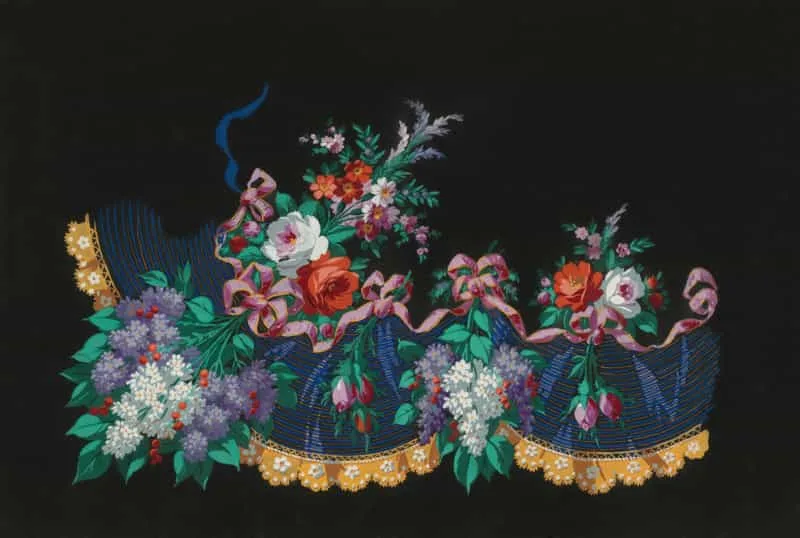
Schiffli embroidery finishing and detailing enhance the aesthetic and functional quality of embroidered textiles. This article explores key processes such as thread trimming, stabilizer removal, cleaning, pressing, and quality inspection, which ensure durability, precision, and visual appeal in Schiffli embroidery products used in apparel, home textiles, and fashion.
Introduction
Schiffli embroidery, known for its intricate and detailed patterns produced by shuttle-based machines, requires meticulous finishing and detailing to achieve high-quality textile products. The finishing process enhances the aesthetic appeal, durability, and functionality of embroidered fabrics, making them suitable for applications in apparel, home textiles, and fashion accessories. This article examines the key finishing and detailing processes in Schiffli embroidery, including thread trimming, stabilizer removal, cleaning, pressing, and quality inspection, highlighting their significance in textile manufacturing [1].
Key Finishing and Detailing Processes
The finishing and detailing of Schiffli embroidery involve several critical steps to refine the embroidered fabric. These processes are outlined below:
1. Thread Trimming
Thread trimming removes excess or loose threads from the embroidered fabric to achieve a clean and polished appearance. Using scissors, thread snips, or automated trimming machines, operators carefully cut stray threads on both the front and back of the fabric, ensuring no damage to the embroidered design or base material. Precise trimming enhances the visual clarity of intricate Schiffli patterns [2].
2. Stabilizer Removal
Stabilizers, such as tear-away or cut-away backings, are used during Schiffli embroidery to provide support and prevent fabric distortion. Finishing involves removing excess stabilizer material. For tear-away stabilizers, the material is gently torn away, taking care not to stress the stitches. Cut-away stabilizers are trimmed with scissors or specialized tools, leaving a small margin to maintain embroidery stability. Proper stabilizer removal ensures a smooth texture and comfortable feel.
3. Cleaning and Washing
Cleaning removes residual dust, lint, or marking residues from the embroidery process. Depending on the fabric type, cleaning may involve gentle washing with mild detergents, spot cleaning, or dry cleaning to preserve delicate designs. This step enhances the fabric’s appearance and ensures it is free from contaminants, making it suitable for final use in apparel or home textiles.
4. Pressing and Steaming
Pressing or steaming smooths the embroidered fabric, eliminating wrinkles and ensuring a flat, professional finish. Low-heat pressing or steam is used to avoid damaging delicate threads or fabrics like silk and lace, which are common in Schiffli embroidery. This process enhances the visual appeal and prepares the fabric for further processing or final use.
5. Quality Inspection
Quality inspection is a critical detailing step to ensure the embroidery meets design and durability standards. Inspectors check for stitch consistency, thread tension, pattern accuracy, and any defects such as skipped stitches or fabric puckering. Advanced Schiffli embroidery facilities may use automated vision systems to detect imperfections, ensuring high-quality output for commercial applications.
Importance of Finishing and Detailing
Finishing and detailing are essential for elevating the quality and marketability of Schiffli embroidery products. Thread trimming and stabilizer removal ensure a clean, professional appearance, while cleaning and pressing enhance comfort and aesthetics. Quality inspection guarantees that the embroidery meets industry standards, reducing returns and enhancing customer satisfaction. These processes collectively ensure that Schiffli embroidery products are durable, visually appealing, and suitable for high-end applications in fashion and home decor.
Tools and Techniques
The finishing and detailing of Schiffli embroidery require specialized tools and techniques:
- Thread Snips and Scissors: For precise thread trimming.
- Stabilizer Removal Tools: For cutting or tearing stabilizers without damaging fabric.
- Washing Systems: Gentle cleaning equipment for delicate fabrics.
- Steam Irons or Pressing Machines: For smoothing embroidered surfaces.
- Inspection Systems: Manual or automated tools for quality control.
Modern Schiffli embroidery facilities often integrate automated systems for efficiency and precision in finishing processes [2].
Challenges and Considerations
Finishing and detailing Schiffli embroidery present several challenges:
- Delicate Fabrics: Materials like silk or lace require gentle handling to avoid damage during trimming or pressing.
- Complex Designs: Intricate Schiffli patterns demand precise trimming and inspection to maintain detail integrity.
- Stabilizer Residue: Improper removal can leave residue, affecting texture and appearance.
- Cost and Time: Manual finishing processes can be labor-intensive, requiring a balance between quality and efficiency.
Adhering to fabric-specific guidelines and leveraging advanced tools can mitigate these challenges.
Conclusion
Schiffli embroidery finishing and detailing, encompassing thread trimming, stabilizer removal, cleaning, pressing, and quality inspection, are vital for producing high-quality textile products. These processes enhance the aesthetic appeal, durability, and functionality of embroidered fabrics, making them ideal for apparel, home textiles, and fashion accessories. By addressing challenges and utilizing specialized tools, manufacturers ensure that Schiffli embroidery meets stringent quality standards, reinforcing its value in modern textile manufacturing.