Fibers which do not logically “fit” under other classifications such as natural, manmade, mineral etc. such novaloid, carbon, poly-phenylene dibenzimidazole polyimide fibers etc. are categorized under miscellaneous fibers.
Vinyl fibers are those man-made fibers spun from polymers or copolymers of substituted vinyl monomers and include vinylon, vinyl, vinylon-vinyl matrix (Polychlal), saran, and polytetrafluoroethylene fibers.
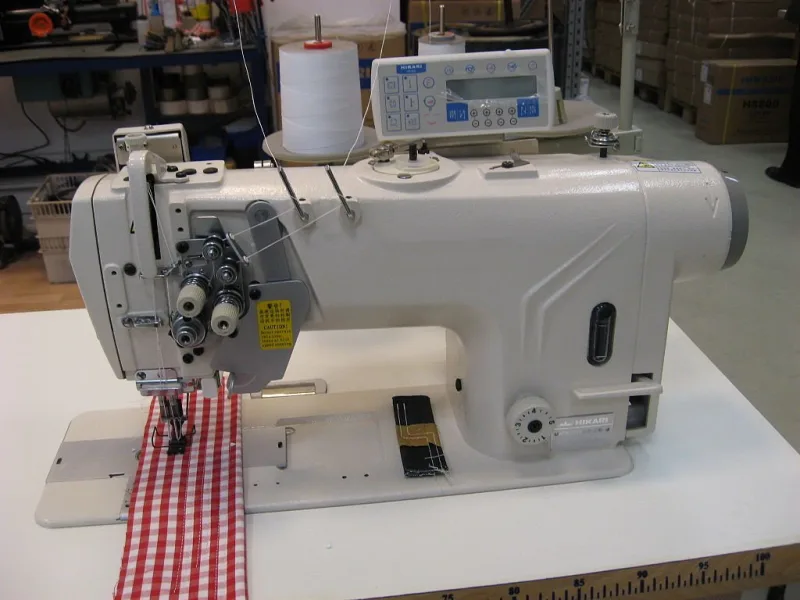
Material feed is the controlled movement of the material being sewn from one stitch position to the next. Different feeding mechanisms available are for sewing fabrics. Some of them are Manual feed, Feed dog, Drop Feed, Needle Feed (Upper pivot needle Feed, Central pivot needle Feed, Parallel drive needle Feed), Wheel feed, Rotary feed, Upper Feed(Vibrating Presser Foot, Alternating Presser Foot, Top Feed, Jump Foot, Walking Foot, Spring action asking Foot, Driven walking Foot, Wheel feed.
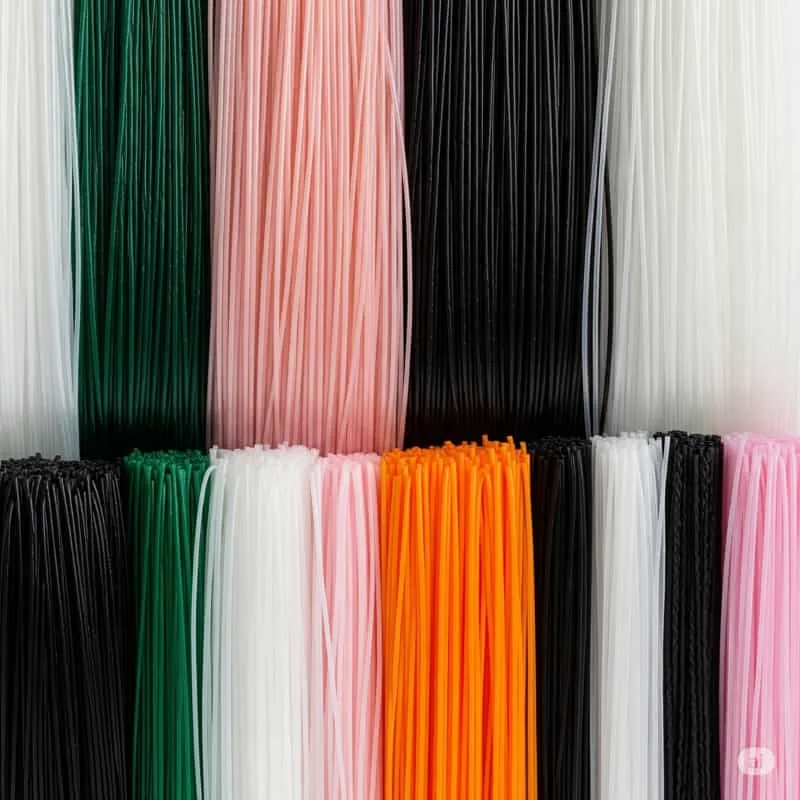
Polyolefin fibres, such as polypropylene and polyethylene, are manmade artificial textile fibres valued for their durability, lightweight properties, and resistance to chemicals. Used in applications like carpets, geotextiles, and apparel, these fibres offer cost-effective solutions while posing environmental challenges due to their non-biodegradable nature.
Elastomeric fibers are those fibers that possess extremely high elongations at break and that recover fully and rapidly from high elongations up to their breaking point. The fibers are all used in specialized applications where high elasticity is necessary within the textile structure. An Elastomer is a polymer with the physical property of elasticity. The elastomer is a term derived from elastic polymer, which is often used interchangeably with the term rubber.
This comprehensive guide should provide readers with a deep understanding of sewing needles, from their historical significance to practical usage tips. Whether you’re a beginner or an experienced seamstress, the right knowledge about sewing needles can elevate your sewing projects and help you achieve professional results.
Threads are usually made up of several single strands twisted or plied together. The numbering system for threads has two parts: one related to the thickness of the single strand and the other to the number of strands (ply). Whereas the ply is expressed in thickness and the single strand is specified as a ?count? related to the length per unit weight. Cotton Count system, Tex system, and the Metric Ticket system are some of the commonly used thread numbering systems.
Acrylic is a synthetic wool substitute made from acrylonitrile: is it warm, is it safe, how to wash it, modacrylic, how it is made and sourced fibre data.
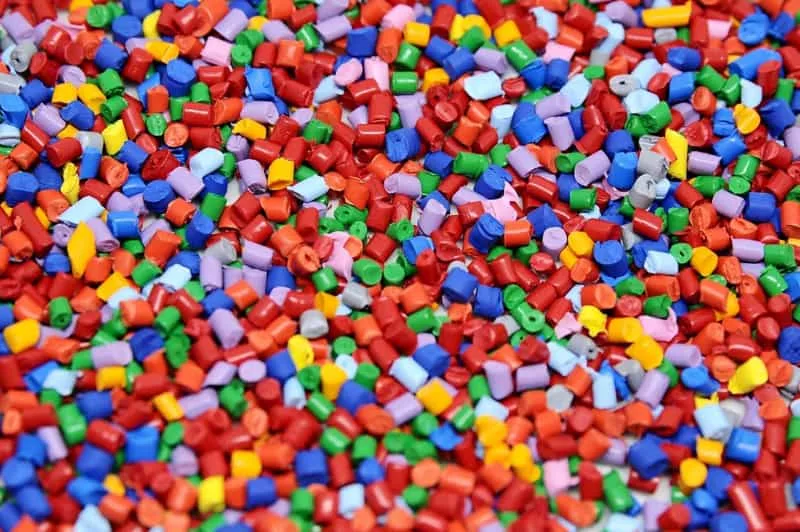
Polymer fibers are long, chain-like molecules engineered to exhibit exceptional strength, flexibility, and durability. These materials, derived from synthetic or natural polymers, have transformed industries ranging from textiles to aerospace due to their unique physical and chemical properties. […] Their unique properties, coupled with ongoing innovations in manufacturing and sustainability, ensure their continued relevance.