

Filament Yarn Spinning
For transforming filament fibres to yarns involve processes such as Wet spinning, Dry spinning, Melt spinning, Bi-component spinning, Bi-constituent spinning, ICS etc.
Article
Page 81 of 84
For transforming filament fibres to yarns involve processes such as Wet spinning, Dry spinning, Melt spinning, Bi-component spinning, Bi-constituent spinning, ICS etc.
Article
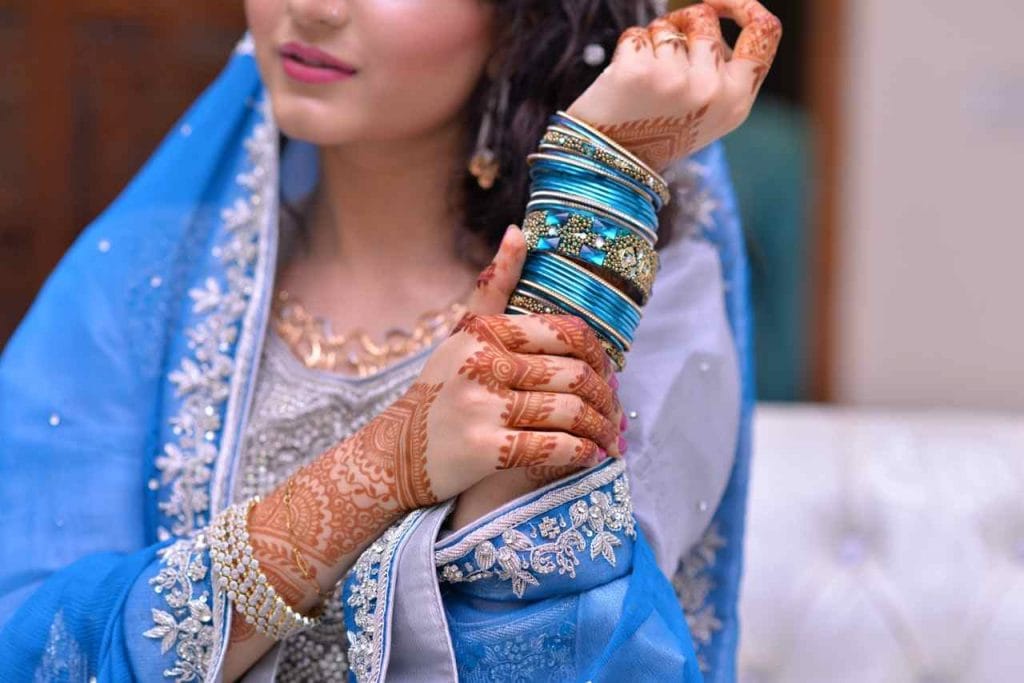
Not too long ago, the vast majority of apparel decorators were specialists of embroiderers or screen-printers. Now more and more companies are adding additional decoration methods to increase their profitability? and more importantly, keep their customer at home. Garments are decorated based on the end usage by affixing sequins, rhinestones, embroidery etc. to enhance the appearance of the final products.
Article

One method of decorating fabric is screen printing, in this, a pattern is painted onto a fine silk screen with resist emulsion. The core of the screen print process involves a fine mesh, or screen, which is stretched very tightly around an unyielding frame. Any area that is not to be printed, will be masked out on this screen or mesh. To create the print, the framed screen is positioned over the item to be printed along with a splodge of thick ink. The ink is pressed through the screen.
Article
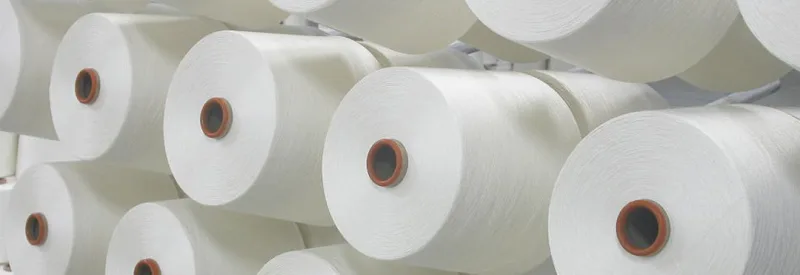
The Fibre formation process includes a change in shape, structure, and properties of the thermoplastic polymer. The polymer pellets or granules are fed into an extruder where, through heating, their melting temperature is exceeded. The polymeric melt is then transported, under pressure, to the spinneret. Yarn formation methods were originally developed for spinning of natural fibers including cotton, linen, wool and silk.
Article
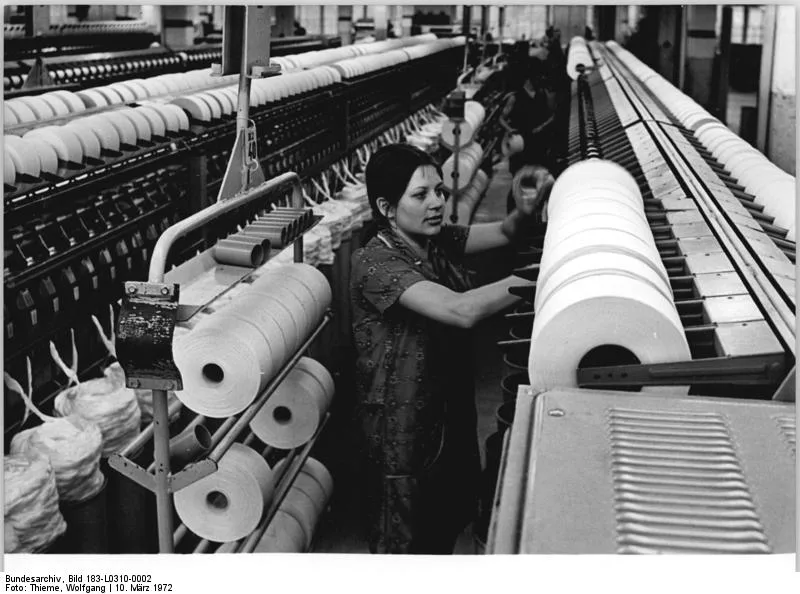
Yarn spinning is the process of manufacturing yarn from different types of fibres into a continuous length from one or more type of fibers. Spinning is the most important and the initial step in fabric manufacturing. The major goals of spinning is to produce the quality yarn from raw material, then remove the process faults followed by winding the short length bobbins on Cones. There are different types of spinning, the most commonly forms of spinning are: Ring, Rotor, Air Jet, Friction etc.
Article
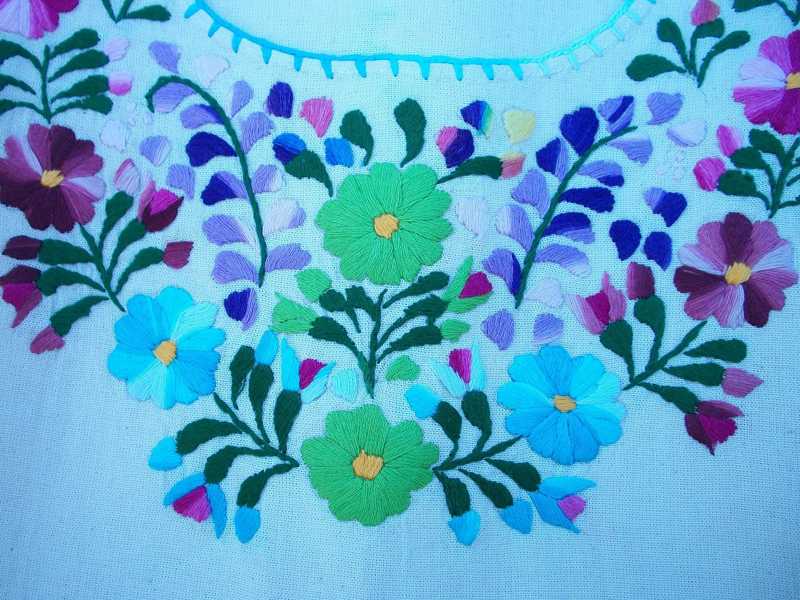
Embroidery is a Thread Art of a sewn decorative work of fabric in which artwork, designs, emblems, logo, letters etc are created. A well-digitized design made up of a solid framework of stitches forming its outer edge, fill, satin stitches, and underlay stitches. The design should have a well-planned sewing sequence, with few jump stitches, from one area to another, so there is less thread-trimming to do. And it should be paired with a suitable fabric that displays it to its best advantage.
Article
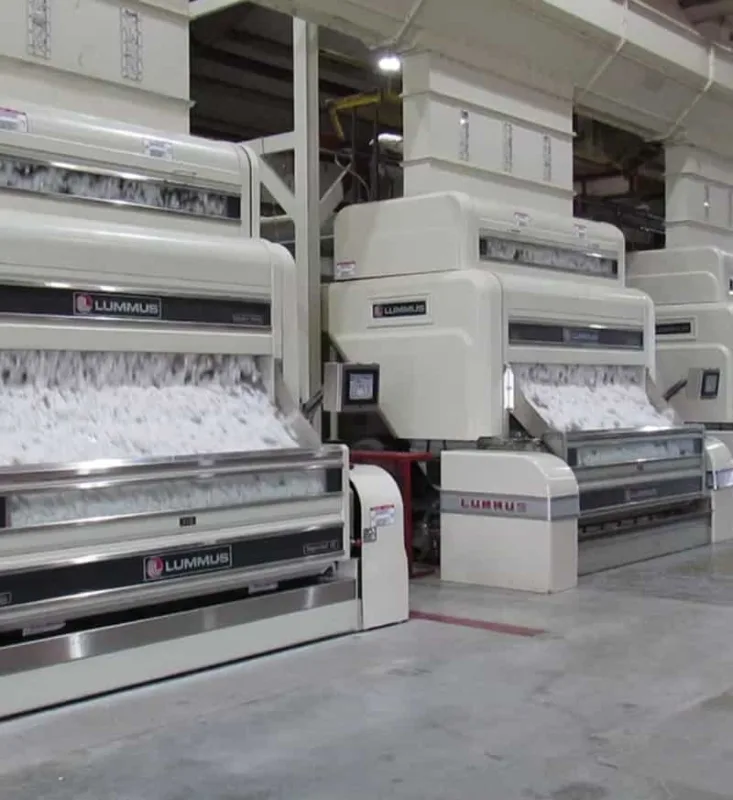
Cotton ginning separates cotton fibers from seeds and impurities, ensuring clean, high-quality fibers for textile production. Through processes like seed separation, cleaning, lint preservation, and waste management, ginning lays the foundation for efficient spinning and weaving, critical to the textile industry.
Article

One unit of confirmation of thread resulting from repeatedly passing a strand or strands or loops of thread into or through a material is called a stitch. There are two basic stitch formations, lock stitch, and chain stitch. In all cases, the stitch develops from the formation of a loop in the needle thread as the needle rises from its lowest point. This loop is either inter-looped with the preceding loop or inter-looped with other threads or interlaced with an under thread in lockstitch.
Article

A number of fibers exist that are derived from natural mineral sources or are manufactured from inorganic and mineral salts. These fibers are predominantly derivatives of silica (Si02) or other metal oxides.
Article

Seam types are the place where two pieces of fabric are joined by application of a series of stitches or stitch types with a defined geometry. Over the years there are a number of different types of seams that have been developed to do different jobs. Many have largely been superseded by the development of machine stitches that finish as you sew them, and by the development of the overlocker (or serger in some parts of the world), it is useful to know some of the basic seams types and finishes.
Article
Every record in these registers was sent in by somebody. Submissions are reviewed before they are published.
1,481 machines in the register.Tell us about a missing one 288 event series in the register.Submit a trade fair or conference 3,037 standards tracked in the register.Get the changes by email each week