Contributors

More articles by Textile School

Texture Fund Pumice Pumice Stone Porous Structure

Assorted

Industrial enzymes in textile production and application

Enzymes are living biological substances that can help speed up any chemical reaction without itself being reduced. But, they work better under certain temperature and pH value. Therefore, these are also called as biological catalysts. Since textiles industry uses many such chemical reactions, enzymes today are a vital part of the textile production system. Applications like pectinases, lipases, proteases, catalases, and xylanases are used in textile processing.

Industrial enzymes in textile production and application Read More »

Production

Types of sleeves set-in sleeves, raglan sleeves and kimono sleeves

Sleeve is that part of the garment, which covers the arm of the body and is usually attached to armhole of bodice pattern. Sleeves support the design and functional element of a garment. They are broadly classified into three types – set-in sleeves, raglan sleeves and kimono sleeves which are further made into separate styles.

Types of sleeves set-in sleeves, raglan sleeves and kimono sleeves Read More »

skirts

Production

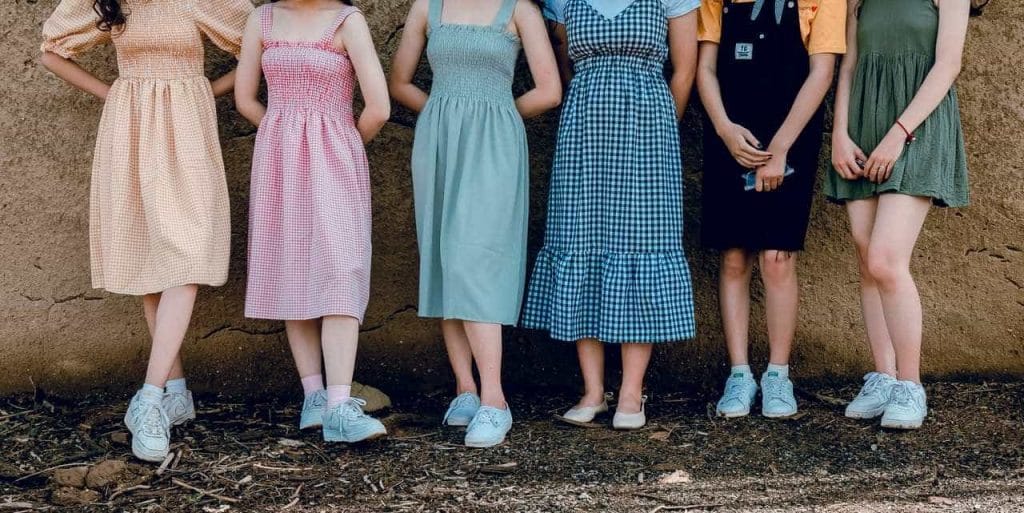
Types of skirts

Skirt is something that covers the lower part of the body especially for girls, women or ladies. Skirts come in a variety of shapes and styles and they are essential items in women’s wardrobes. Skirts are more elegant and easy to wear and besides they can be worn in all occasions. It is easier to design skirt than any other garment. In today’s fashion world we find a variety of types of skirt which can be categorized based on size, fabric, and design. The silhouette can be narrow, flared or bouffant. Even straight skirts can vary from extremely tight and narrow at the hem to slightly A-lined. Here is a brief description of the variety of skirt types being used on their vast types.

Types of skirts Read More »

Manmade Fiber

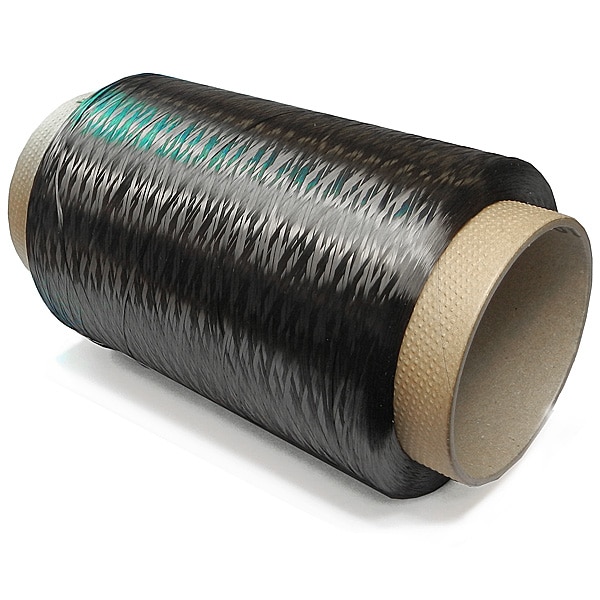
Carbon Fibers – the lightweight and super strong man-made fibers

Carbon fiber is a super strong material that is extremely lightweight. It is five times as strong as steel, two times as stiff, yet weighs about two-thirds less. Carbon fiber is basically very thin strands of carbon (even thinner than human hair). The strands can be twisted together, like yarn and then be woven together, like cloth. To make carbon fiber take on a permanent shape, it can be laid over a mold and coated with a stiff resin or plastic. Carbon fiber can also be defined as a fiber containing at least 92 wt % carbons.

Carbon Fibers – the lightweight and super strong man-made fibers Read More »

placket sample

Production

Types of Plackets in garment making

Plackets are particularly seen in women’s garments which have a good fit. They are usually found near the writs, neckline, waist line and other comfort fitting parts of the garment. These are finished openings which are normally kept closed (to have a tight fit) and are opened only while wearing or taking off the garment. Fastneres like zippers, buttons, buttonholes, hooks are used in keeping the plackets closed.

Types of Plackets in garment making Read More »

factory entrance

Apparel

Entrance Gate of a Garment Factory

Visitors and workers see the factory entrance first, which is an opportunity to send a strong positive signal about the quality and work of the factory. A neat and tidy entrance creates a positive first impression, while an entrance which is dirty or disorganized reflects poorly on it. A factory which has a clean, tidy and secure entrance demonstrates a commitment to quality, productivity, and sound working conditions.

Entrance Gate of a Garment Factory Read More »

Scroll to Top