Home » Fiber & Yarns » Fiber » Page 6

Fiber

Explains origins, morphology, properties, and classification of textile fibers. Compares moisture regain, tensile behavior, thermal response, and sustainability profiles. Includes selection charts that link fiber choice to end-use performance and cost. This section explains practical decision criteria, typical test methods, and failure modes that matter in real production. Readers get checklists, calculation steps, and case examples connecting specifications to cost, reliability, and compliance. Links map core concepts to upstream inputs and downstream processes so choices remain consistent across sourcing, manufacturing, and end-use performance. Each article includes definitions, diagrams where helpful, and plain-language notes to help newcomers ramp quickly while giving experienced professionals the depth needed to troubleshoot and optimize. Standards references are cited with context, and whenever trade-offs exist, we make them explicit so you can defend decisions.


Home » Fiber & Yarns » Fiber » Page 6
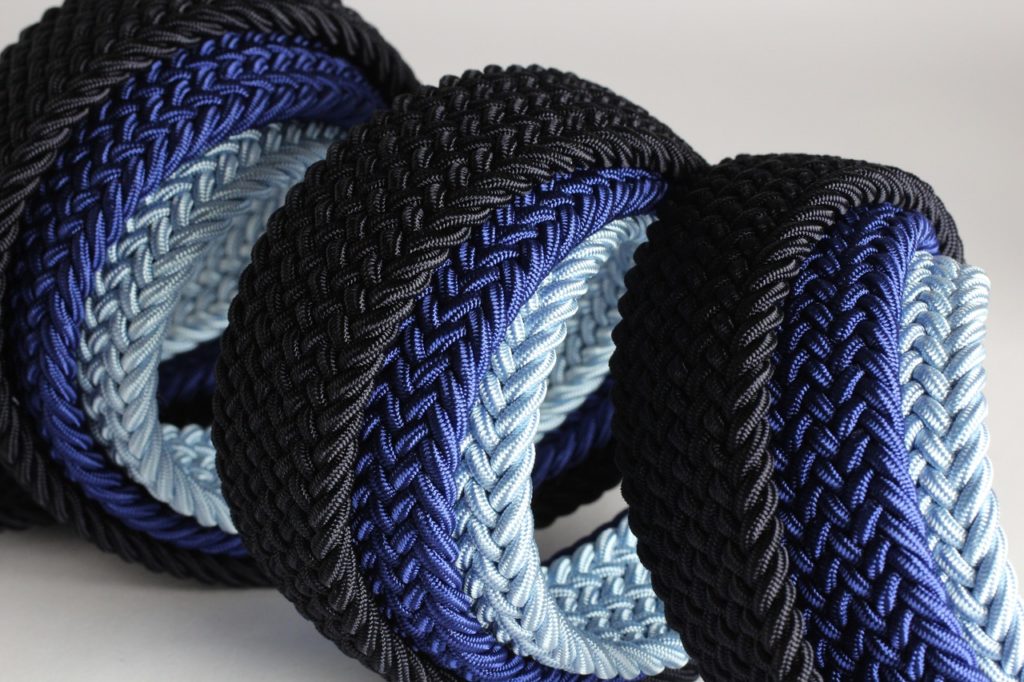
rope-fashion-blue-tire-belt-colors-1156673-pxhere.com

Manmade Fiber

Timeline of Manmade Fibers

A useful filament was not produced until the last part of the 19th century when Swann and de Chardonnet extruded a solution of cellulose nitrate (collodion) through small holes (spinnerets). These pioneer manmade fibers were replaced by rayon fibers which were spun from an alkaline cellulose xanthate solution (viscose), which were in turn supplemented by cellulose acetate and many synthetic fibers.

Read more »

Article

Manufacturing of Manmade Fibers

Manmade Fiber

Manufacturing of Manmade Fibers

Manmade fibers are manufactured using different mechanical and chemical processes for example Synthetic fibers from thermoplastics are produced by extruding the molten plastic through extrusion dies (spinnerets) into a stream of cold air that cools and solidifies the plastic. (The operation is referred to as melt spinning.)

Read more »

Article

Scroll to Top