Sustainable Textile

Decarbonization, water, waste, and circularity with measurable KPIs. This section explains practical decision criteria, typical test methods, and failure modes that matter in real production. Readers get checklists, calculation steps, and case examples connecting specifications to cost, reliability, and compliance. Links map core concepts to upstream inputs and downstream processes so choices remain consistent across sourcing, manufacturing, and end-use performance. Each article includes definitions, diagrams where helpful, and plain-language notes to help newcomers ramp quickly while giving experienced professionals the depth needed to troubleshoot and optimize. Standards references are cited with context, and whenever trade-offs exist, we make them explicit so you can defend decisions. The coverage also includes metrics, data tables, and example calculations so results are reproducible. Where regulations apply, we highlight jurisdiction, scope, and verification pathways. Tools and templates are provided to speed up daily work without sacrificing rigor.

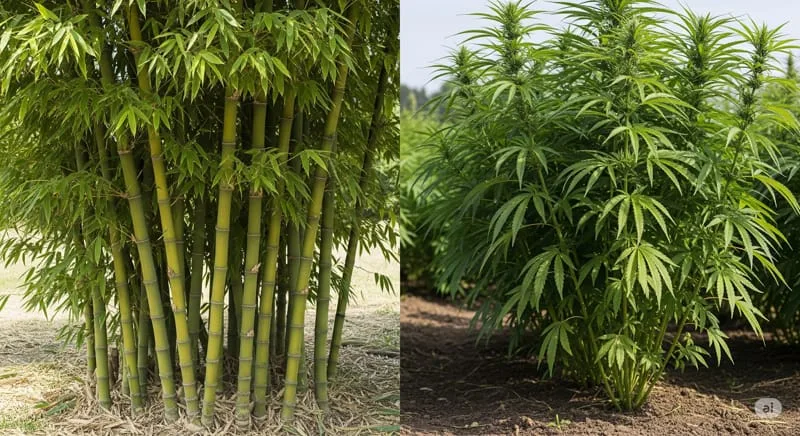
bamboo vs hemp textile fiber

Bamboo vs. Hemp: Which Eco-Friendly Fiber Wins for Sustainable Textiles?

Bamboo and hemp are leading eco-friendly fibers for sustainable textiles, each with distinct strengths. Hemp’s minimal chemical processing and soil benefits suggest greater sustainability, while bamboo’s softness shines in closed-loop lyocell production. This article compares their cultivation, processing, applications, and future trends to guide sustainable textile choices.

Bamboo vs. Hemp: Which Eco-Friendly Fiber Wins for Sustainable Textiles? Read More »

Closed-Loop Textile Recycling Systems

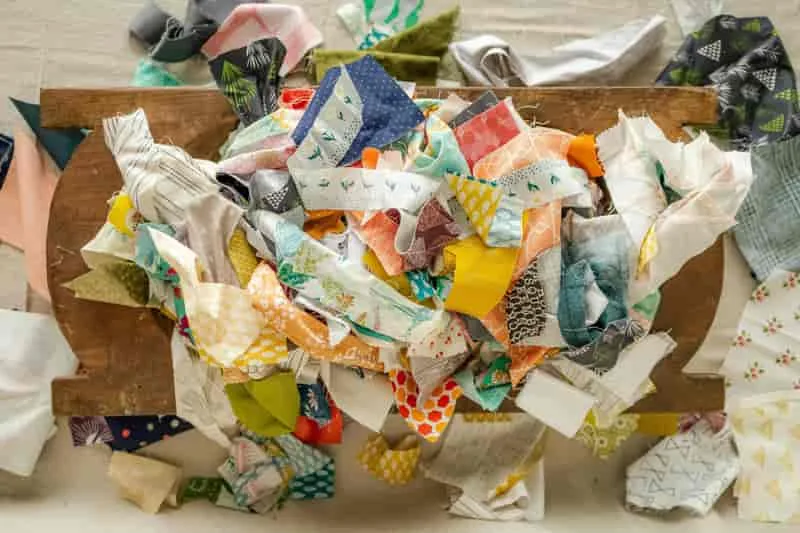
Comprehensive Guide to Closed-Loop Textile Recycling Systems

Closed-loop textile recycling systems are revolutionizing sustainable textile manufacturing by converting discarded textiles into new, high-quality materials for repeated use. Employing mechanical, chemical, and biological methods, these systems minimize waste, reduce reliance on virgin resources, and address the industry’s significant environmental footprint. With innovations from companies like Renewcell and Evrnu, closed-loop recycling is poised to transform the textile industry, though challenges like cost and scalability remain.

Comprehensive Guide to Closed-Loop Textile Recycling Systems Read More »

Scroll to Top