
Key Points
- Research suggests color-changing fabrics likely transform textiles through stimuli like temperature, light, or electricity.
- Technologies such as thermochromic and photochromic materials seem to drive these dynamic properties.
- Commercial applications appear promising in fashion, healthcare, and military, though durability challenges persist.
- Evidence leans toward growing market potential, with sustainability and scalability as key considerations.
Overview
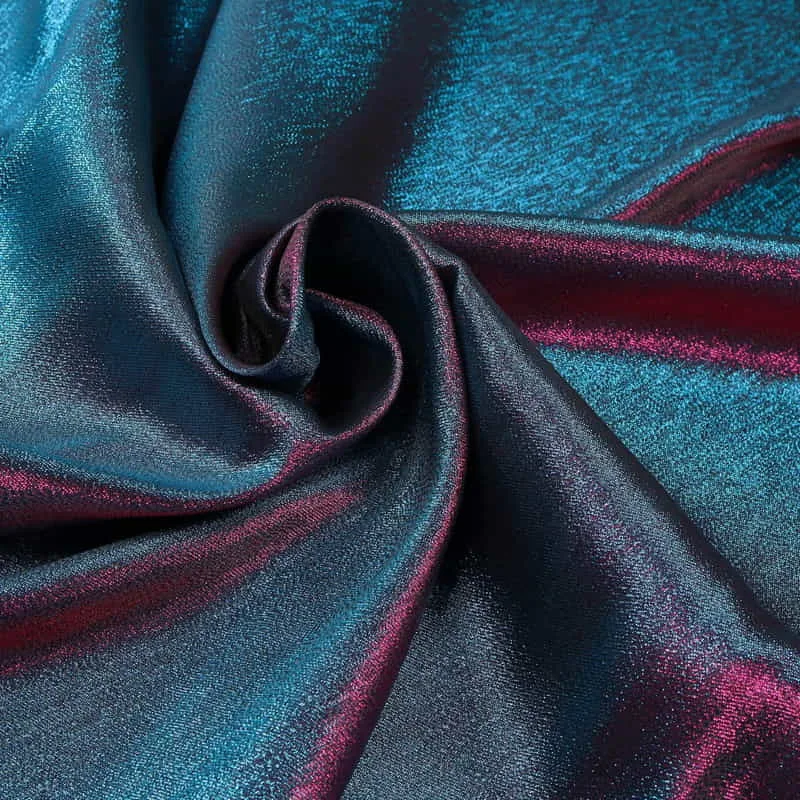
Color-changing fabrics, also known as chromic or smart textiles, alter their appearance in response to external stimuli such as temperature, light, electricity, or pH changes. These innovative materials hold significant potential to revolutionize industries by offering dynamic, interactive, and functional properties. In fashion, they enable garments that adapt to environmental conditions; in healthcare, they monitor patient health; and in military applications, they enhance camouflage. However, challenges like durability and production costs must be addressed to fully realize their commercial viability.
Why It Matters
The ability of fabrics to change color introduces new possibilities for personalization, functionality, and sustainability in textiles. These materials reduce the need for multiple garments by offering adaptable aesthetics, aligning with eco-conscious consumer trends. In healthcare, they provide non-invasive monitoring solutions, improving patient outcomes. Their versatility across sectors underscores their importance in advancing textile technology and meeting modern demands for innovation.
Commercial Potential
The commercial potential of color-changing fabrics appears substantial, driven by consumer demand for smart and sustainable products. Fashion brands can leverage these textiles for unique, interactive designs, while healthcare applications offer practical benefits like real-time health monitoring. Military and automotive sectors also show interest, though high costs and scalability issues may limit widespread adoption in the short term. Ongoing research aims to overcome these barriers, suggesting a bright future for these materials.
Introduction
Color-changing fabrics represent a significant advancement in textile technology, merging scientific innovation with practical applications. These materials, capable of altering their hue or pattern in response to stimuli such as temperature, light, electricity, or pH, offer transformative potential across industries. From fashion garments that shift colors with the wearer’s environment to medical textiles that monitor health conditions, these fabrics are redefining the boundaries of textile functionality. This article provides a comprehensive examination of the science behind color-changing fabrics, detailing their historical development, technological principles, production processes, innovative applications, challenges, and commercial prospects. Designed for professionals, students, and enthusiasts on TextileSchool.com, it employs precise industry terminology and SEO-optimized keywords, including “color-changing fabrics,” “smart textiles,” and “thermochromic textiles,” to enhance visibility and relevance.
The significance of color-changing fabrics extends beyond aesthetics. They align with global trends toward sustainability by reducing the need for multiple garments and support healthcare advancements through non-invasive monitoring. However, their adoption faces hurdles such as production costs and durability concerns. By exploring these aspects, this analysis aims to illuminate the potential of color-changing fabrics to shape the future of textiles in 2025 and beyond.
Historical Development
The origins of color-changing fabrics trace back to the mid-20th century, when scientists developed thermochromic and photochromic compounds capable of altering their optical properties. Thermochromic materials, which change color with temperature, and photochromic compounds, responsive to light, emerged as early precursors. By the 1980s, these technologies were integrated into textiles, with photochromic fabrics gaining popularity in fashion for their ability to shift colors under sunlight. These early applications, though novel, were limited by rudimentary technology and lack of durability.
The 2000s marked a pivotal shift with the introduction of electrochromic materials, which change color when an electric current is applied. This advancement enabled more interactive textiles, where users could control color changes. Concurrently, the rise of smart textiles saw color-changing capabilities combined with wearable electronics, expanding their functionality. A notable milestone was the development of ChroMorphous technology in the 2010s, allowing smartphone-controlled color changes through conductive fibers (ChroMorphous). This evolution from passive to active color-changing textiles underscores the rapid progress in this field.
Scientific Principles
The functionality of color-changing fabrics relies on materials that undergo reversible changes in their optical properties when exposed to specific stimuli. The primary technologies include:
Thermochromic Materials
Thermochromic fabrics incorporate leuco dyes encapsulated in microcapsules. These dyes transition between a colored and colorless state based on temperature-induced molecular changes. When heated, the dye absorbs energy, shifting to a less colored form; cooling reverses this process. The microcapsules ensure durability and washability, making thermochromic fabrics suitable for fashion and medical applications.
Photochromic Materials
Photochromic fabrics use compounds like spiropyrans or spirooxazines, which alter their structure under UV light exposure. This structural change modifies light absorption, resulting in a color shift. The process is reversible, with the fabric returning to its original state in the absence of light. Photochromic textiles are ideal for sun-sensitive clothing and adaptive eyewear.
Electrochromic Materials
Electrochromic fabrics employ materials such as tungsten oxide or Prussian blue, which change color through ion and electron movement triggered by an electric field. Conductive fibers or coatings facilitate this process, enabling user-controlled color changes. These fabrics are promising for smart displays and interactive clothing.
pH-Sensitive Materials
pH-sensitive fabrics contain indicators, such as bromothymol blue, that change color based on environmental acidity or alkalinity. These are particularly valuable in medical textiles for monitoring wound healing or detecting bacterial growth in food packaging.
Each technology leverages distinct chemical and physical principles, offering versatility for various applications.
Manufacturing Processes
The production of color-changing fabrics integrates specialized materials into traditional textile manufacturing, requiring precision to maintain functionality. The process includes:
- Material Selection: Choose appropriate chromic materials based on the desired stimulus (e.g., thermochromic pigments for temperature sensitivity).
- Fabric Preparation: Treat the base fabric to enhance adhesion, often through scouring or priming to ensure compatibility with chromic materials.
- Application Techniques:
- Dyeing: Immerse fabrics in solutions containing chromic dyes to achieve uniform color-changing properties.
- Printing: Apply chromic inks via inkjet or screen printing for patterned designs, allowing precise control over color-changing areas.
- Coating: Use coatings containing chromic and conductive materials, particularly for electrochromic fabrics, to integrate electrical functionality.
- Finishing: Encapsulate or laminate the fabric to protect chromic materials, enhancing durability and washability.
- Quality Assurance: Test fabrics under relevant stimuli to verify consistent, reversible color changes and conduct washing tests to ensure longevity.
The choice of method depends on the fabric type and intended application, with dyeing suited for uniform effects and printing for intricate designs.
Innovative Developments
Recent advancements in color-changing fabrics have expanded their functionality and commercial appeal:
- User-Controlled Textiles: ChroMorphous technology enables users to alter fabric color and patterns via smartphone apps, using conductive fibers to trigger thermochromic changes (ChroMorphous).
- Multi-Stimuli Response: Fabrics that react to multiple stimuli, such as temperature and light, offer complex color-changing behaviors for enhanced versatility.
- Wearable Technology Integration: Combining color-changing fabrics with sensors allows simultaneous health or environmental monitoring, as seen in medical textiles.
- Sustainable Materials: Research focuses on eco-friendly chromic dyes and bio-based polymers to reduce environmental impact, aligning with sustainability trends.
These innovations are broadening the scope of color-changing fabrics, making them more interactive and sustainable.
Challenges in Adoption
Despite their potential, color-changing fabrics face several obstacles:
- Durability: Chromic materials can degrade with repeated exposure to stimuli or washing. Encapsulation and protective coatings mitigate this but require further refinement.
- Production Costs: Specialized materials and complex manufacturing processes increase costs, limiting accessibility for mass markets.
- Scalability: Producing large quantities while maintaining quality is challenging, necessitating streamlined production methods.
- Safety: Electrochromic fabrics must ensure non-toxic materials and safe electrical components to prevent hazards.
- Environmental Impact: Some chromic materials involve chemicals that may not be eco-friendly, requiring sustainable alternatives.
Addressing these challenges is essential for widespread commercial adoption.
Practical Applications
Color-changing fabrics are finding applications across diverse sectors:
- Fashion: Designers create dynamic garments that shift colors with temperature or light, enhancing aesthetic appeal. High-end fashion shows feature thermochromic dresses and photochromic accessories (Textile Technology Source).
- Healthcare: pH-sensitive wound dressings change color to indicate infection or healing progress, aiding medical professionals. Thermochromic fabrics monitor patient temperature.
- Military: Research explores adaptive camouflage that changes color to match surroundings, improving concealment (Fieldtex Cases).
- Home Textiles: Curtains that darken with sunlight or upholstery that shifts with temperature offer functional and aesthetic benefits.
- Automotive: Color-changing car interiors allow customization, enhancing user experience and visibility.
Types and Varieties
Color-changing fabrics are categorized by their stimulus:
| Type | Stimulus | Description | Primary Applications |
|---|---|---|---|
| Thermochromic | Temperature | Changes color with heat or cold using leuco dyes. | Fashion, medical monitoring |
| Photochromic | Light (UV) | Alters color under light exposure, reversible in darkness. | Fashion, eyewear, camouflage |
| Electrochromic | Electricity | Shifts color with electric current, user-controlled. | Smart clothing, displays |
| pH-Sensitive | pH Levels | Changes color based on acidity/alkalinity. | Medical textiles, food packaging |
| Chemochromic | Specific Chemicals | Responds to chemical exposure, used in environmental monitoring. | Industrial, environmental |
Each type offers unique properties tailored to specific needs.
Market Dynamics and End-Users
The market for color-changing fabrics is expanding, driven by demand for smart and sustainable textiles:
- Fashion Industry: Designers and brands adopt these fabrics for innovative, interactive clothing.
- Healthcare Sector: Medical professionals use pH-sensitive and thermochromic textiles for patient monitoring.
- Military and Defense: Interest in adaptive camouflage drives research and development.
- Consumer Goods: Novelty items like color-changing umbrellas and home decor appeal to eco-conscious consumers.
- Automotive Industry: Customizable interiors enhance vehicle aesthetics and functionality.
The global smart textiles market, encompassing color-changing fabrics, was valued at approximately $2.5 billion in 2020 and is projected to reach $8.7 billion by 2027, with a compound annual growth rate (CAGR) of 19.4% (KrASIA). This growth reflects increasing consumer interest and technological advancements.
Future Prospects
Several trends are likely to shape the future of color-changing fabrics:
- AI and IoT Integration: Fabrics could connect with smart devices for automated color changes based on environmental or user data.
- Sustainable Innovations: Development of eco-friendly chromic materials, such as natural dyes or bio-based polymers, will align with sustainability goals.
- Mass Customization: Advances in digital manufacturing may enable consumers to design personalized color-changing patterns.
- Healthcare Expansion: Fabrics could monitor biomarkers or provide real-time treatment indicators, enhancing personalized medicine.
- Material Advancements: Nanomaterials may offer faster, more vibrant color changes with improved durability.
These trends suggest a future where color-changing fabrics are integral to everyday life, offering both aesthetic and functional benefits.
Conclusion
Color-changing fabrics represent a groundbreaking fusion of science and textiles, offering dynamic properties that respond to temperature, light, electricity, and pH. Their evolution from novelty items to sophisticated smart textiles highlights their transformative potential. While challenges such as durability, cost, and scalability persist, ongoing innovations are paving the way for broader adoption. With applications in fashion, healthcare, military, and beyond, these fabrics are set to redefine industry standards, fostering a future where textiles are interactive, sustainable, and highly functional.






Fascinating breakdown of the science behind color-changing fabrics. I had no idea thermochromic and photochromic dyes behaved so differently in real-world use. The commercial potential section also got me thinking about sustainability in fashion.