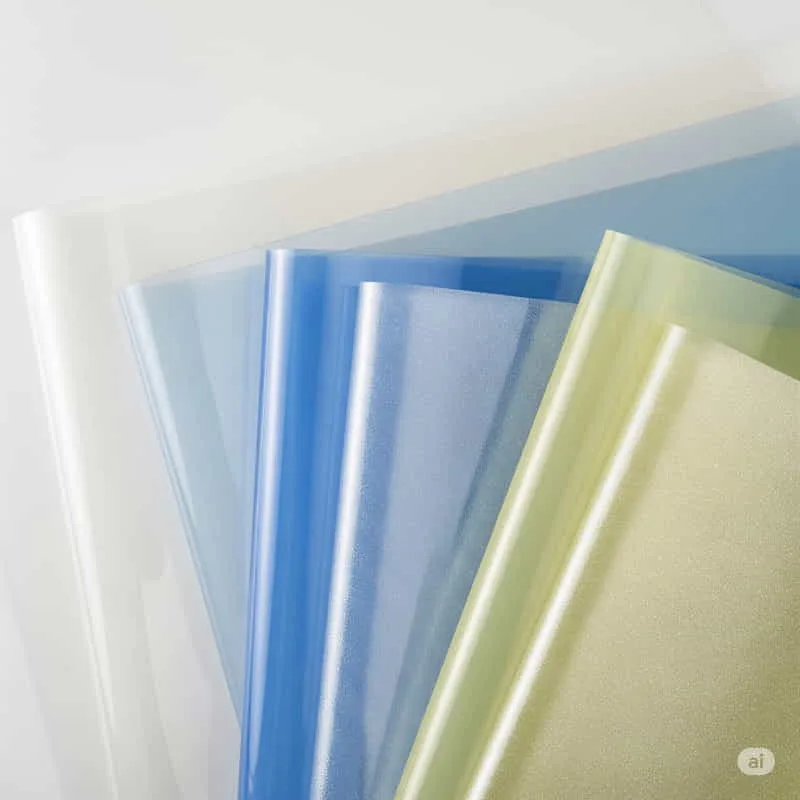
Polypropylene (PP) films, known for their versatility, durability, and recyclability, are pivotal in sustainable material solutions. These films, including biaxially oriented polypropylene (BOPP) and cast polypropylene (CPP), offer significant environmental benefits through reduced resource use and improved recyclability compared to traditional plastics. This article explores the properties, production processes, applications, and environmental impacts of PP films, emphasizing their role in sustainable packaging, agriculture, and textiles. By integrating eco-friendly innovations and recycling advancements, PP films are shaping a greener future for industries worldwide, with India leading in sustainable production initiatives.
Key Points
- PP films are lightweight, durable, and recyclable, making them a sustainable alternative to less eco-friendly plastics like PVC.
- BOPP and CPP films reduce material usage by up to 30% compared to other plastics, lowering environmental impact.
- India’s PP film industry, valued at USD 10.2 billion in 2023, is projected to grow at a CAGR of 5.5% by 2030, driven by sustainable practices.
- Innovations like bio-based PP and enzymatic recycling enhance sustainability, with some processes achieving 90% material recovery.
- Challenges include microplastic shedding and limited recycling infrastructure, but certifications like ISCC PLUS ensure ethical production.
- Applications in packaging, agriculture, and textiles highlight PP films’ versatility and alignment with global sustainability goals.
Introduction
The global plastics industry faces increasing pressure to adopt sustainable practices due to its significant environmental footprint, contributing to 3.4% of global greenhouse gas emissions and vast amounts of waste. Polypropylene (PP) films, a type of thermoplastic polymer film, are emerging as a sustainable solution due to their recyclability, lightweight nature, and versatility. In India, a key player in the global plastics market, initiatives like bio-based PP production and recycling advancements are transforming the industry. Valued at USD 10.2 billion in 2023, India’s PP film sector is poised for growth, driven by sustainable innovations. This article explores the properties, production, applications, and environmental benefits of PP films, highlighting their role in fostering a greener future and India’s contributions to global sustainability.
What Are Polypropylene (PP) Films?
Polypropylene (PP) films are thin sheets made from polypropylene, a thermoplastic polymer known for its strength, flexibility, and chemical resistance. Produced through extrusion and orientation processes, PP films come in two primary forms: biaxially oriented polypropylene (BOPP) and cast polypropylene (CPP). These films are widely used in packaging, agriculture, and textiles due to their durability, clarity, and recyclability. Unlike less sustainable plastics like PVC, PP films are free of harmful plasticizers and can be recycled into new products, aligning with circular economy principles.
Properties of PP Films
PP films offer a unique combination of properties that make them ideal for sustainable applications:
- Lightweight and Durable: With a density of 0.9 g/cm³, PP films are lighter than PET (1.38 g/cm³), reducing material use and transportation emissions.
- High Tensile Strength: BOPP films have a tensile strength of 100-150 MPa, ensuring durability in demanding applications.
- Chemical Resistance: PP resists acids, alkalis, and solvents, making it suitable for harsh environments.
- Recyclability: PP is 100% recyclable, with advanced processes recovering up to 90% of material in closed-loop systems.
- Thermal Stability: PP films withstand temperatures up to 160°C, ideal for heat-sealed packaging.
- Transparency and Printability: BOPP offers high clarity for aesthetic packaging, while CPP provides flexibility for pouches.
These properties position PP films as a sustainable alternative to traditional plastics, reducing environmental impact across industries.
Manufacturing Process
The production of PP films involves several stages to achieve desired properties:
- Polymerization: Propylene monomers are polymerized to create PP resin, often using catalysts to enhance properties.
- Extrusion: The resin is melted and extruded into a thin sheet. For CPP, the sheet is cast onto a chilled roll for rapid cooling, resulting in flexibility. For BOPP, the sheet is stretched in both machine and transverse directions (3-5 times its size) to enhance strength and clarity.
- Surface Treatment: Films may undergo corona or plasma treatment to improve adhesion for printing or coating.
- Finishing: Films are cut, rolled, or coated (e.g., metallized for barrier properties) to meet specific application needs.
Sustainable production methods, such as using renewable energy or bio-based PP, further reduce environmental impact. In India, companies like Reliance Industries are adopting solar-powered plants to lower carbon emissions during PP film production.
Types of PP Films
PP films are categorized based on processing and application:
- Biaxially Oriented Polypropylene (BOPP): Known for high clarity and strength, used in food packaging, labels, and tapes.
- Cast Polypropylene (CPP): Flexible and heat-sealable, ideal for pouches and laminates.
- Metallized PP Films: Coated with a thin metal layer for enhanced barrier properties, used in snack packaging.
- Bio-Based PP Films: Made from renewable sources like sugarcane, reducing reliance on fossil fuels.
- Flame-Retardant PP Films: Treated for safety in construction and electronics.
- Matte and Glossy Films: Customized for aesthetic applications in printing and packaging.
These variations ensure PP films meet diverse industry needs while prioritizing sustainability.
Applications of PP Films
PP films are integral to multiple sectors, contributing to sustainable solutions:
- Packaging: BOPP and CPP films dominate food packaging (e.g., snack bags, frozen food wraps) due to their clarity, sealability, and recyclability. They reduce material use by up to 30% compared to PET or PVC.
- Agriculture: PP films are used in greenhouse covers and mulch films, with biodegradable options reducing soil pollution.
- Textiles: Non-woven PP films are used in reusable bags and medical textiles, offering durability and recyclability.
- Medical: Sterilizable PP films are used in packaging for syringes and diagnostic kits, meeting FDA standards.
- Industrial: Used in adhesive tapes, labels, and insulation due to their strength and chemical resistance.
In India, PP films are critical in the packaging sector, which accounts for 60% of the country’s plastic consumption, driven by demand for sustainable packaging solutions.
Environmental Impact and Sustainability
PP films offer significant environmental benefits, particularly when produced sustainably:
- Recyclability: PP is fully recyclable, with advanced enzymatic processes achieving 90% material recovery in 10-12 hours. India’s recycling initiatives, like the PlastIndia Foundation, aim to increase recycling rates to 80% by 2030.
- Reduced Resource Use: Lightweight PP films lower material consumption and transportation emissions, with BOPP films using 20-30% less material than alternatives.
- Bio-Based Innovations: Bio-PP, derived from renewable feedstocks, reduces carbon emissions by up to 50% compared to fossil-based PP.
- Lower Emissions: PP production emits 1.7 kg CO2e/kg, lower than PET (2.3 kg CO2e/kg), and renewable energy use in production further reduces emissions.
However, challenges include:
- Microplastic Pollution: PP films, like other plastics, can shed microplastics during washing or degradation, requiring mitigation strategies like filtration systems.
- Recycling Infrastructure: Only 60% of PP waste in India is recycled due to limited facilities, though initiatives like Extended Producer Responsibility (EPR) are improving access.
- Energy-Intensive Production: While less intensive than PET, PP production still requires significant energy unless renewable sources are used.
Certifications like ISCC PLUS and GRS ensure sustainable sourcing and production, helping consumers identify eco-friendly PP films.
India’s Role in Sustainable PP Films
India, a global leader in PP film production, is driving sustainability through innovation and policy:
- Market Growth: The PP film market in India, valued at USD 10.2 billion in 2023, is expected to grow at a 5.5% CAGR by 2030, fueled by sustainable packaging demand.
- Government Initiatives: Schemes like the Plastic Waste Management Rules (2022) and PM MITRA parks promote recycling and sustainable production, with investments of USD 541.82 million for eco-friendly textile parks.
- Industry Leaders: Companies like Jindal Poly Films and Uflex are adopting bio-based PP and zero-waste technologies, setting global benchmarks.
- Green Finance: Over USD 400 million in green finance has been leveraged for SMEs in India’s plastics sector, supporting sustainable upgrades.
India’s efforts align with global sustainability goals, positioning it as a key player in eco-friendly PP film production.
Global Impact of Sustainable PP Films
PP films contribute to global sustainability in several ways:
- Circular Economy: Recycling programs in Europe and India recover PP films for new products, reducing landfill waste by 15-20% annually.
- Reduced Packaging Waste: Lightweight BOPP films decrease packaging material use, aligning with EU’s Packaging Waste Directive targets of 65% recycling by 2025.
- Agricultural Sustainability: Biodegradable PP mulch films reduce soil pollution, supporting sustainable farming in regions like Southeast Asia.
- Export Influence: India’s PP film exports, valued at USD 2.5 billion in 2023, meet global demand for eco-friendly packaging, influencing markets in the US and EU.
Challenges and Considerations
Despite their benefits, PP films face challenges:
- Limited Recycling Infrastructure: Globally, only 14% of plastic films are recycled due to collection and sorting challenges.
- Microplastic Concerns: PP films contribute to microplastic pollution, necessitating innovations like biodegradable additives.
- Cost Barriers: Bio-based and recycled PP films are 10-20% more expensive, limiting adoption in price-sensitive markets.
- Greenwashing: Some brands exaggerate sustainability claims, requiring certifications like ISCC PLUS for credibility.
Consumers and businesses should prioritize certified products and advocate for improved recycling systems to maximize PP films’ sustainability.
Innovations and Future Trends
The PP film industry is evolving with sustainable innovations:
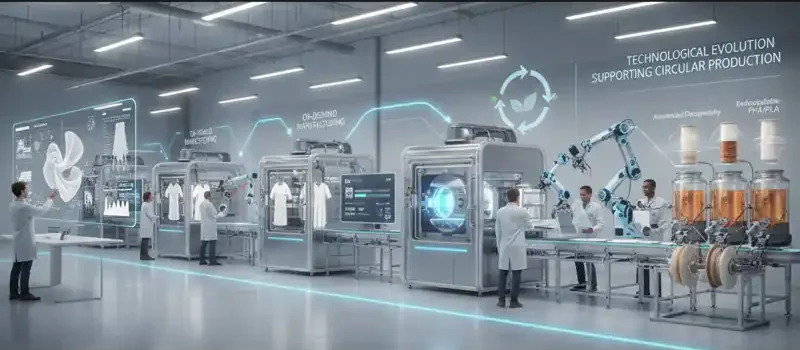
- Bio-Based PP: Derived from sugarcane or waste oils, bio-PP reduces fossil fuel reliance by 50%, with companies like Braskem leading production.
- Enzymatic Recycling: Advances like Carbios’ enzyme-based recycling achieve 90% PP recovery, scalable by 2027.
- Biodegradable PP Films: Additives like d2w enable PP films to degrade in 2-5 years, reducing environmental persistence.
- Smart Packaging: PP films with QR codes for traceability enhance supply chain transparency, aligning with consumer demands.
India’s R&D investments, rising from INR 394.4 billion in 2007-08 to INR 1.1 trillion in 2017-18, support these advancements, positioning the country as a leader in sustainable PP films.
Conclusion
Polypropylene (PP) films, with their recyclability, lightweight nature, and versatility, are transforming industries from packaging to agriculture. In India, initiatives like bio-based production and green finance are driving sustainable growth, with the PP film market projected to reach USD 15 billion by 2030. By addressing challenges like microplastic pollution and recycling infrastructure gaps, PP films can lead the way in eco-friendly materials. As global demand for sustainable solutions grows, PP films, supported by innovations and certifications, will play a pivotal role in shaping a greener future. For more insights on sustainable materials, visit Textile School.
Citations
- India Brand Equity Foundation. “Plastics Industry in India.” IBEF, 15 Oct. 2024, www.ibef.org/industry/plastics.
- Invest India. “Plastics Sector: Shaping a Sustainable Future.” Invest India, 12 Aug. 2023, www.investindia.gov.in/sector/plastics.
- Grand View Research. “Polypropylene Films Market Size, Share & Trends Analysis Report, 2023-2030.” Grand View Research, 2023, www.grandviewresearch.com/industry-analysis/polypropylene-films-market.
- Sustainable Jungle. “31 Sustainable Fabrics For Lower Impact Fashion.” Sustainable Jungle, 5 Aug. 2024, www.sustainablejungle.com/sustainable-fabrics/.
- European Commission. “Packaging and Packaging Waste Directive.” European Commission, environment.ec.europa.eu/topics/waste-and-recycling/packaging-waste_en.
- Textile Exchange. “Preferred Fiber and Materials Market Report.” Textile Exchange, 2023, textileexchange.org/knowledge-center/reports/preferred-fiber-and-materials-market-report/.
- Braskem. “Bio-Based Polypropylene.” Braskem, www.braskem.com.br/portal/principal/en/solutions/bio-based-polypropylene.