As the fashion industry seeks sustainable solutions for its waste crisis, textile-to-energy technologies are emerging as a game-changing option. With the right innovations and policies, fabrics could become a valuable fuel source—supporting clean energy goals while reducing environmental impact.
Introduction
Every year, over 92 million tons of textile waste is generated globally—a staggering amount that continues to grow with fast fashion, consumerism, and inadequate recycling systems. But what if this mounting waste could be transformed from an environmental burden into a sustainable energy resource? Textile waste to energy (WTE) is an emerging field with the potential to redefine both waste management and renewable energy production.
Using innovative technologies, textile waste can now be converted into heat, electricity, or biofuels. This shift not only reduces landfill pressure but also opens doors for clean energy solutions in a carbon-conscious world. As circular economy principles gain momentum, textile-to-energy processes are becoming an essential part of the conversation.
Historical Perspective: From Landfills to Fuel Cells
For decades, discarded textiles were either landfilled or incinerated, leading to environmental degradation, toxic emissions, and resource depletion. The idea of converting textile waste into energy originated as an extension of municipal solid waste (MSW) incineration projects in the 1980s.
Initially, textile combustion was controversial due to harmful emissions from synthetic fibers. However, advancements in air purification, gas cleaning systems, and pyrolysis technology revived interest in using fabrics as a feedstock. By the early 2000s, several pilot projects began assessing the energy potential of cotton, polyester, and blended fabrics.
Evolution of WTE Technologies in Textiles
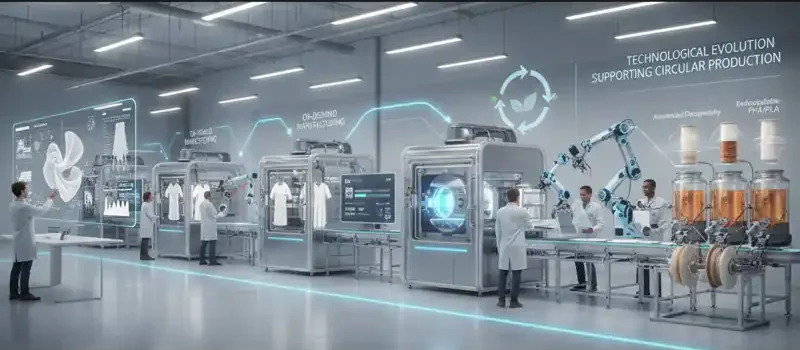
Modern textile WTE processes have evolved to be cleaner, more efficient, and more targeted. The technologies primarily fall into the following categories:
- Incineration with Energy Recovery
- Controlled burning of textiles in waste-to-energy plants
- Converts calorific value to electricity and heat
- Pyrolysis
- Thermal decomposition in the absence of oxygen
- Produces bio-oil, syngas, and char from synthetic and natural fabrics
- Gasification
- Partial combustion creates syngas used to power turbines
- Suited for mixed fiber blends
- Anaerobic Digestion (for organic-rich textiles)
- Microbial breakdown of biodegradable fibers like wool or hemp
- Generates methane-rich biogas
| Process | Input Material | Output | Efficiency |
|---|---|---|---|
| Incineration | Mixed waste textiles | Heat, electricity | 20–25% |
| Pyrolysis | Synthetics, blends | Oil, syngas, char | 35–45% |
| Gasification | Natural/synthetic mix | Syngas | 40–55% |
| Anaerobic Digestion | Organic-only textiles | Biogas | 60–70% (limited scope) |
Production Process: From Fabric to Fuel
A typical textile-to-energy workflow involves several stages:
- Collection and Sorting: Post-consumer or industrial waste is segregated based on fiber type.
- Preprocessing: Includes shredding, moisture reduction, and contaminant removal.
- Technology Application:
- Incineration, gasification, pyrolysis, or digestion based on fiber composition.
- Energy Conversion: Heat, biofuel, or electricity is produced.
- Emission Management: Scrubbers and filters reduce NOx, CO, and dioxins.
- Residue Handling: Ash or biochar is treated or repurposed.
The process flow ensures maximum energy yield while minimizing environmental impact.
Innovations in Textile Waste Energy Recovery
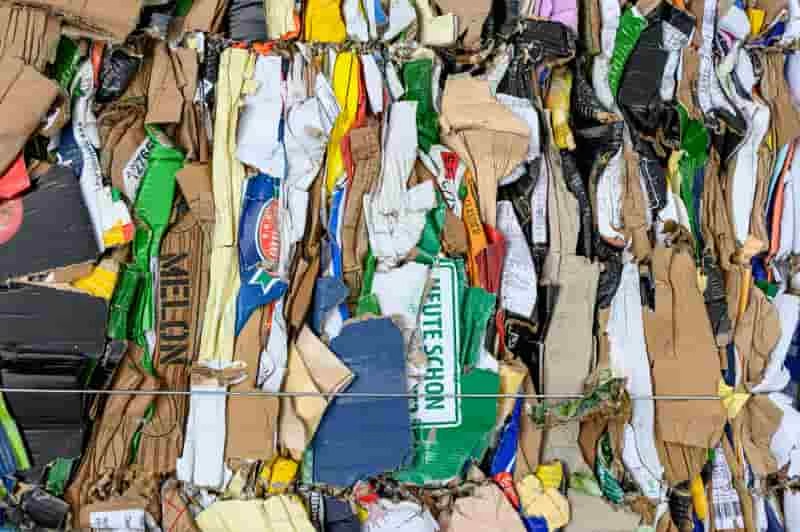
Several new technologies are enhancing textile waste recovery:
- Catalytic Pyrolysis: Reduces temperature requirements and improves oil quality.
- Fiber-specific Gasifiers: Tailored systems for cotton, nylon, and polyester.
- AI-powered Sorting: Optical sensors and AI distinguish fibers for optimized feedstock.
- Hybrid Plants: Combine thermal and biological methods for complete waste utilization.
These innovations increase the viability of WTE as a scalable, clean energy alternative.
Types and Sources of Textile Waste Used for Energy
Textile waste streams suitable for energy conversion include:
- Pre-consumer Waste: Factory offcuts, trimmings, and defective items
- Post-consumer Waste: Used garments, curtains, carpets
- Technical Textiles: From automotive, aerospace, and medical applications
- Blended Fabrics: Polyester-cotton, nylon-elastane
Each type offers different calorific values and treatment requirements, impacting the process selection.
Real-World Applications and Case Studies
Several countries and companies are leading textile WTE adoption:
- Japan: Textile manufacturers use incineration with energy recovery to power nearby facilities.
- Sweden: Combines clothing incineration with district heating systems.
- India: Trials pyrolysis plants that convert garment waste into diesel alternatives.
- US-based Company Renewlogy: Developed a mobile pyrolysis unit specifically for polyester-rich textiles.
These cases demonstrate that with the right infrastructure, textile WTE can be both practical and profitable.
Market Outlook and Key End-Users
Textile waste-to-energy is gaining traction among:
- Municipal Governments: Seeking alternatives to overflowing landfills
- Large Textile Mills: Exploring on-site energy recovery systems
- Renewable Energy Firms: Investing in biomass and waste-based solutions
- Circular Economy Startups: Focusing on zero-waste fashion
The global textile WTE market is expected to grow alongside the circular textile economy, with Asia-Pacific leading demand.
Environmental and Sustainability Impacts
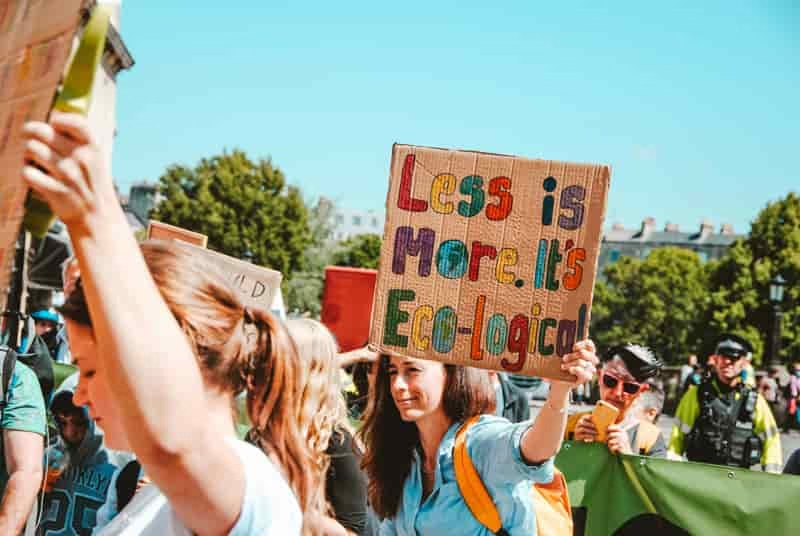
Converting textile waste to energy offers significant environmental advantages:
- Reduces Landfill Use: Diverts millions of tons from waste sites
- Minimizes Methane Emissions: Cuts greenhouse gases from decomposing fabrics
- Offsets Fossil Fuels: Replaces coal or diesel in energy generation
- Promotes Resource Recovery: Utilizes waste as a renewable asset
However, the sustainability of WTE depends on proper emission controls, responsible feedstock selection, and the integration of closed-loop systems.
Challenges and Barriers to Adoption
Despite its potential, textile WTE faces several challenges:
- High Capital Costs: Advanced WTE plants require significant upfront investment
- Complex Sorting Needs: Mixed fiber types complicate processing
- Public Perception: Incineration is often equated with pollution
- Policy Gaps: Few governments offer incentives for textile-to-energy ventures
Solving these issues will require policy support, education campaigns, and innovations in material recovery.
Policy Landscape and Industry Support
Key developments in policy and regulation include:
- European Green Deal: Encourages waste recovery and energy conversion
- India’s National Textile Policy (Draft): Supports textile sustainability through waste valorization
- UN Sustainable Development Goals (SDGs): Align textile WTE with climate and waste targets
Government grants, carbon credits, and public-private partnerships are vital for scaling textile energy initiatives.
Future Trends and Opportunities
Looking ahead, several trends will shape textile WTE:
- Integration with Smart Grids: Feeding energy from textile waste into local networks
- Carbon Capture Systems: Attached to WTE plants to reduce emissions
- Co-processing in Cement Kilns: Using textile waste as an alternative fuel
- Decentralized Microplants: Community-based textile WTE units in urban areas
The convergence of waste management and energy innovation will open up new frontiers in sustainable textiles.
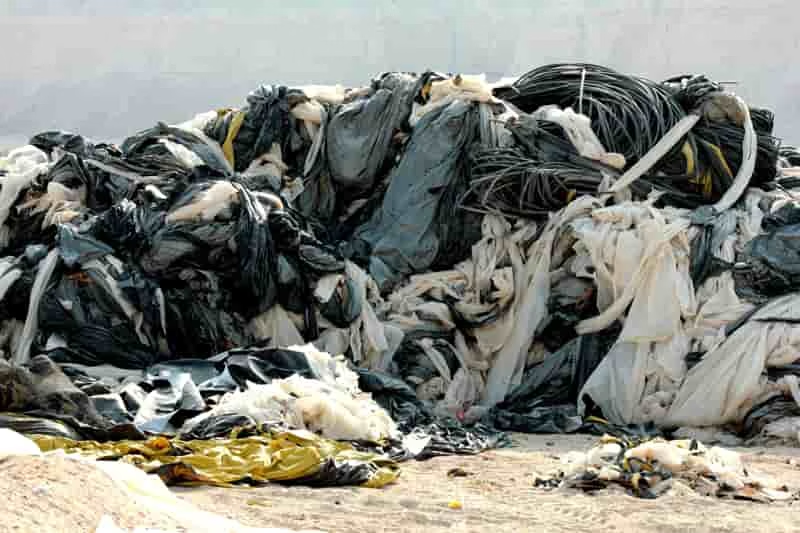
Summary
Textile waste to energy represents a bold yet practical approach to addressing one of the fashion industry’s biggest environmental issues. By converting waste into a usable resource, this model promotes energy independence, waste reduction, and circularity.
The journey ahead involves bridging technology, policy, and awareness to unlock the full potential of fabrics as a fuel of the future. With continued investment, innovation, and cooperation, textile waste may soon help power a cleaner, greener planet.
Citations:
- Textile Waste Statistics – Ellen MacArthur Foundation: https://ellenmacarthurfoundation.org/the-textiles-economy
- IEA Bioenergy Task 36: Waste to Energy Overview: https://www.ieabioenergy.com/our-work/task-36/
- ResearchGate – Textile Pyrolysis Review: https://www.researchgate.net/publication/328079200_Pyrolysis_of_Textile_Wastes