

Nonwoven fabrics have transformed the textile industry. They offer unique properties that traditional woven textiles often cannot match. Today’s market demands efficiency, sustainability, and innovation. Nonwovens respond to these needs with remarkable versatility. This article explores every facet of nonwoven fabric formation. We examine historical milestones, technological advances, raw material sourcing, production methods, and real-world applications. Our goal is to empower professionals with detailed knowledge that supports technical decisions and inspires creative innovations.
The Genesis and Evolution of Nonwoven Fabrics
Nonwoven fabrics trace their origins to the early 20th century. Inventors and researchers sought alternatives to conventional weaving and knitting. These early experiments laid the groundwork for modern nonwoven technologies. Researchers pushed boundaries to meet emerging industrial demands, and early methods slowly evolved into the sophisticated processes used today.
The transformation accelerated during and after World War II. Demand for inexpensive, mass-producible textiles increased. Engineers refined techniques such as carding, needlepunching, and spunbonding. Historical records reveal that nonwovens gained traction in medical, hygiene, and industrial applications. Institutions like the Textile Institute document these milestones, highlighting how nonwovens solved critical problems during periods of rapid industrialization.
Early nonwoven processes relied on manual labor and rudimentary machinery. The industry experienced incremental improvements through trial and error. Innovators used natural fibers initially, later shifting to synthetic materials like polypropylene and polyester. This evolution allowed nonwovens to become more consistent and reliable. Researchers constantly adjusted production techniques to meet stringent quality standards while driving down costs.
The early decades set the stage for the diverse processes available today. Historical advancements continue to influence modern practices. The ingenuity behind these early methods inspires today’s engineers to develop smarter, faster, and more sustainable production techniques. Documented case studies from renowned research centers provide valuable insights into this evolution. These studies demonstrate that even the simplest innovations can catalyze industry-wide transformations.
Nonwoven fabrics now serve countless applications across industries. Their historical evolution reflects a journey of innovation and adaptation. Manufacturers constantly refine techniques to keep pace with changing market demands. This legacy of innovation forms the backbone of today’s nonwoven production landscape.
Technological Evolution in Nonwoven Production
Technological evolution has driven nonwoven production to new heights. Modern machinery and digital tools enable manufacturers to achieve exceptional quality and efficiency. Advanced equipment such as computer-aided cutting systems and automated bonding machines have replaced manual operations. This transition reduces errors and accelerates production cycles.
Digital technologies have empowered engineers to simulate production processes in real time. Using CAD software and simulation tools, designers optimize production parameters before physical trials begin. These digital systems integrate with sensors and feedback loops to monitor production conditions. Manufacturers can fine-tune process variables such as temperature, pressure, and web speed. This integration minimizes waste and ensures that every fabric roll meets quality standards.
The evolution of nonwoven technology includes breakthrough developments in fiber formation and bonding methods. Processes such as spunbond, meltblown, airlaid, and flash spinning each offer distinct advantages. Spunbonding produces strong, durable fabrics ideal for geotextiles and automotive applications. Meltblown technology generates fine fibers used in filtration and medical textiles. Airlaid processes create soft, absorbent materials for hygiene products, while flash spinning supports high-performance industrial applications. These innovations continuously redefine nonwoven capabilities.
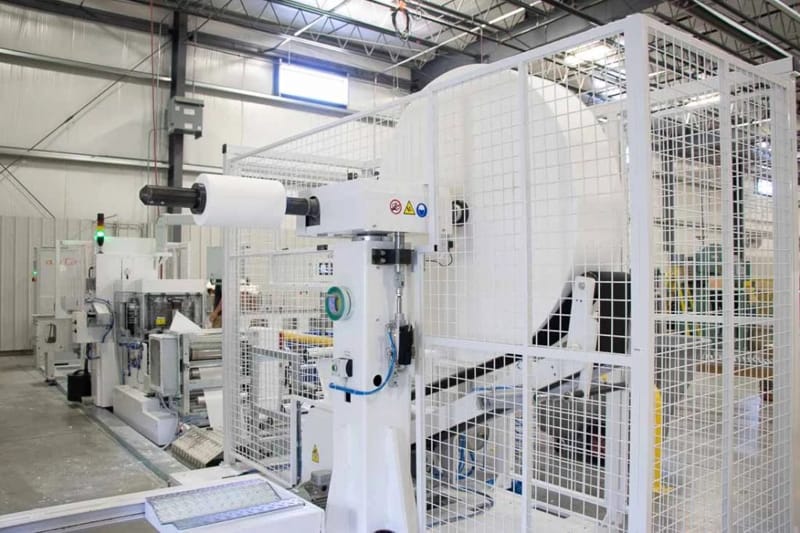
Engineers now employ real-time analytics to control production quality. The data gathered from sensors improves process predictability and reduces defects. Automation also enhances safety by minimizing human exposure to hazardous environments. These technological strides demonstrate the industry’s commitment to continuous improvement. The integration of machine learning and AI further optimizes production scheduling and resource allocation, ensuring cost-effective operation.
Technological evolution not only increases productivity but also supports environmental sustainability. Manufacturers reduce chemical usage and energy consumption by optimizing processes. Digital simulations allow for rapid prototyping, minimizing material waste. These advances contribute to a smaller environmental footprint. The relentless pursuit of efficiency remains a hallmark of nonwoven production. Industry leaders share best practices through platforms like TextileWorld and collaborate to push the boundaries of technology further.
Raw Materials and Source Availability for Nonwovens
Nonwoven fabrics derive from a wide array of raw materials. The selection of fibers significantly influences the final product’s performance and applications. Synthetic fibers such as polypropylene and polyester dominate the market due to their strength and durability. Natural fibers, including cotton, wool, and bamboo, offer sustainability and unique aesthetic qualities. Manufacturers choose fibers based on cost, availability, and performance characteristics.
Raw material sourcing involves careful consideration of quality, consistency, and supply chain reliability. Global suppliers continuously innovate to meet the growing demand for high-performance fibers. Many manufacturers partner with leading chemical and fiber producers to secure long-term contracts. These collaborations ensure a steady supply of materials while meeting environmental and regulatory standards. Detailed information on fiber sourcing can be found at the International Textile Manufacturers Federation.
A key advantage of nonwoven fabrics is the ability to blend various fibers. Combining synthetic and natural fibers creates fabrics with unique properties. For example, blending polyester with cotton can yield materials that balance durability with softness. Fiber blends also allow for tailoring fabrics to specific applications, such as high absorbency for hygiene products or enhanced barrier properties for medical textiles. The versatility in raw material choices drives innovation and expands market opportunities.
Table: Common Raw Materials for Nonwoven Fabrics
| Fiber Type | Properties | Common Applications |
|---|---|---|
| Polypropylene | High strength, chemical resistance | Medical, filtration, geotextiles |
| Polyester | Durability, abrasion resistance | Automotive, industrial, packaging |
| Nylon | Elasticity, durability | Technical textiles, industrial fabrics |
| Cotton | Softness, absorbency | Hygiene products, apparel |
| Bamboo | Sustainability, antimicrobial | Eco-friendly products, home textiles |
Manufacturers assess raw material properties using rigorous testing protocols. They measure tensile strength, elongation, and moisture retention to ensure that each fiber meets stringent standards. Quality control at the raw material stage minimizes variability and enhances end-product performance. This systematic approach underscores the importance of reliable suppliers and advanced testing facilities.
The global market for textile fibers remains robust. Increased demand for sustainable products encourages the use of recycled fibers and eco-friendly alternatives. Innovations in fiber processing, such as advanced spinning techniques, further enhance the quality of raw materials. Manufacturers remain vigilant in sourcing fibers that align with environmental sustainability goals. This commitment supports broader industry trends toward greener production practices.
Nonwoven fabric production thrives on a diverse supply chain. The availability of multiple fiber sources enables manufacturers to adapt quickly to market fluctuations. This flexibility ensures that nonwoven fabrics maintain consistent quality even during periods of high demand. The synergy between raw material suppliers and fabric producers fosters innovation and drives the evolution of nonwoven technology.
Breakthrough Innovations in Nonwoven Fabric Formation
Innovative techniques continue to reshape nonwoven fabric production. Manufacturers invest heavily in research and development to create fabrics that meet modern performance demands. Innovations focus on enhancing fiber bonding, improving fabric strength, and introducing smart functionalities. These breakthroughs open new avenues for nonwoven applications across various sectors.
One groundbreaking innovation involves the development of biodegradable nonwovens. Researchers now incorporate biopolymers and natural fibers to produce fabrics that degrade naturally after use. This innovation addresses growing environmental concerns. Manufacturers can produce eco-friendly products without sacrificing quality or performance. Numerous case studies document the successful integration of biodegradable materials into nonwoven production. Visit Sustainable Textiles for more on green innovations.
Advanced bonding techniques also revolutionize nonwoven manufacturing. Thermal bonding, chemical bonding, and ultrasonic bonding each contribute unique advantages. Thermal bonding melts fibers at their contact points to create strong, uniform fabrics. Chemical bonding uses adhesives to secure fibers without altering their inherent properties. Ultrasonic bonding applies high-frequency vibrations to achieve precise and energy-efficient fiber fusion. Engineers select the bonding method based on the end-use requirements of the fabric.

The integration of nanotechnology marks another significant breakthrough. Nanofibers, with diameters in the nanometer range, offer superior filtration and barrier properties. These fibers enhance nonwoven performance in medical, environmental, and industrial applications. Research shows that incorporating nanofibers into nonwovens can improve mechanical strength and thermal insulation. Ongoing studies at research institutes such as the Nanotechnology Institute continue to refine these processes.
Innovations in material science also fuel new product development. Researchers experiment with hybrid composites that merge traditional fibers with advanced polymers. These composites deliver enhanced durability, flexibility, and resistance to harsh chemicals. Manufacturers benefit from these innovations by accessing a broader range of applications. The continuous cycle of innovation keeps nonwoven fabrics at the forefront of textile technology.
Engineers also develop smart nonwovens with embedded sensors and conductive fibers. These fabrics monitor environmental conditions or track physiological data. Smart nonwovens find applications in wearable technology, healthcare, and safety gear. The fusion of electronics with textile production introduces exciting opportunities. Such integrated solutions offer a glimpse into the future of functional textiles, where fabrics perform multiple roles beyond basic coverage.
Production Processes and Methods in Nonwoven Fabric Formation
The production of nonwoven fabrics involves a spectrum of processes. Each method tailors the fabric’s properties to meet specific performance criteria. Manufacturers choose processes based on the intended application and desired characteristics. The most common techniques include spunbond, meltblown, airlaid, flash spinning, and electrospinning. Each method exhibits unique advantages and technical requirements.
Spunbonding produces continuous filaments that form a uniform web. In this process, polymers melt and extrude through spinnerets. The filaments solidify as they cool and deposit on a conveyor. Engineers control fiber diameter by adjusting extrusion speed and polymer viscosity. Spunbond fabrics excel in durability and strength. Industries like geotextiles, automotive, and construction favor spunbond nonwovens due to their robustness and consistency.
Meltblown processes use high-velocity air streams to attenuate molten polymers into fine fibers. The resulting web features ultra-fine fibers that provide excellent filtration and barrier properties. Meltblown fabrics serve critical roles in medical masks, air filters, and insulation products. Manufacturers rely on precise control of air pressure and polymer temperature to produce consistent fiber diameters. This method highlights the interplay between thermal dynamics and mechanical forces in fiber formation.
Airlaid processes differ from spunbonding and meltblown techniques. They disperse short fibers in an air stream to form a loose web. This web then receives a binder to lock the fibers together. Airlaid nonwovens exhibit high absorbency and softness. These properties make them ideal for hygiene products such as wipes, diapers, and sanitary pads. Engineers continuously refine binder formulations and web formation techniques to enhance fabric performance.
Table: Comparison of Nonwoven Production Methods
| Method | Process Description | Key Properties | Common Applications |
|---|---|---|---|
| Spunbond | Continuous filament formation via extrusion | High strength, durability | Geotextiles, automotive, construction |
| Meltblown | Fine fiber formation using high-velocity air | Ultra-fine filtration | Medical masks, air filters, insulation |
| Airlaid | Dispersed short fibers bound with adhesive | High absorbency, softness | Hygiene products, wipes, sanitary pads |
| Flash Spinning | Fiber formation from solvent-based polymers | High resilience, tensile strength | Protective clothing, industrial textiles |
| Electrospinning | Nanofiber formation using electrical forces | Nanometer-scale fibers | Advanced filtration, biomedical applications |
Flash spinning transforms polymer solutions into nonwovens using a rapid solvent evaporation process. Engineers subject the polymer solution to high pressure. Upon release, the solution undergoes rapid phase separation, forming fine fibers. This process creates fabrics with exceptional resilience and strength. Flash spun nonwovens support applications that demand high-performance materials. The method requires precise control of pressure, temperature, and solvent composition.
Electrospinning stands out by producing nanofibers. This technique applies a high voltage to draw fibers from a polymer solution. The resulting nanofibers have diameters in the nanometer range. Electrospun fabrics exhibit remarkable surface area and porosity, making them suitable for advanced filtration and biomedical applications. Despite its complexity, electrospinning continues to attract research attention for its potential to produce next-generation nonwovens.
A common mathematical formula supports process optimization in nonwoven production. For example, the fiber diameter
in meltblown processes can be estimated using:
In this formula,
represents a process constant,
the polymer viscosity,
the density, and
the air velocity. Engineers use this relationship to adjust process parameters and achieve desired fiber dimensions. The integration of such formulas into digital control systems optimizes production consistency.
Each nonwoven production method offers distinct advantages. Manufacturers choose processes based on performance needs and cost efficiency. The diverse methods ensure that nonwoven fabrics serve a broad spectrum of industries. Continuous process optimization remains vital as market demands evolve and new applications emerge.
Overcoming Challenges in Nonwoven Fabric Manufacturing
Nonwoven fabric production faces a myriad of challenges. Manufacturers encounter issues related to material variability, process control, and market competition. Engineers and technicians work tirelessly to overcome these obstacles through innovation and rigorous quality control.
Maintaining consistent quality poses a significant challenge. Variability in raw material properties affects production outcomes. Manufacturers mitigate these issues by implementing stringent quality control measures. Automated monitoring systems continuously assess parameters such as temperature, humidity, and fiber consistency. The use of statistical process control helps detect deviations early in the production cycle. Continuous improvement initiatives drive the refinement of production protocols, ensuring that fabric quality remains high.
Another challenge involves environmental concerns and sustainability pressures. Nonwoven production sometimes requires high energy inputs and chemical binders. Manufacturers address these issues by optimizing processes to reduce energy consumption and exploring eco-friendly binders. The industry increasingly invests in research for greener production methods. Innovations in recycling and waste reduction further bolster sustainability efforts. These initiatives not only meet regulatory demands but also enhance brand reputation.
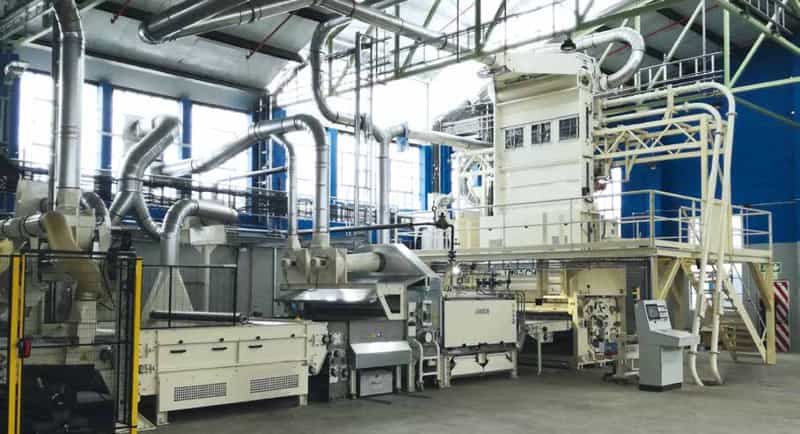
Process scalability also presents challenges. Techniques that work well in pilot plants sometimes fail to translate to full-scale production. Engineers must fine-tune machinery and parameters to maintain quality at increased throughput. Continuous training for technical staff and close collaboration with equipment suppliers become crucial. These strategies help manufacturers scale up production without compromising on fabric performance.
Cost management remains a persistent concern. Balancing raw material costs, energy consumption, and labor efficiency challenges manufacturers daily. Advanced production techniques and automation reduce operational costs over time. Companies invest in research to streamline processes and lower overall expenses. The relentless pursuit of cost efficiency drives many innovations in process engineering and raw material utilization.
Regulatory compliance further complicates production. Manufacturers adhere to strict standards regarding chemical usage, emissions, and worker safety. Compliance requires regular audits and significant investments in process upgrades. However, these measures ensure product safety and consumer trust. Industry associations publish guidelines that assist manufacturers in meeting evolving standards. Collaborative efforts among stakeholders help the industry navigate regulatory landscapes successfully.
Supply chain disruptions can also impede production. Fluctuations in raw material availability or price volatility impact the entire manufacturing cycle. Manufacturers diversify their supplier base to minimize risks. Strategic partnerships and long-term contracts provide stability. Proactive supply chain management enables companies to sustain production during turbulent periods.
Real-World Applications and Case Studies
Nonwoven fabrics impact numerous industries with their diverse applications. Real-world examples demonstrate the material’s versatility and performance. From hygiene products to industrial uses, nonwovens contribute to everyday life in meaningful ways.
Hygiene products represent a primary market for nonwoven fabrics. Diapers, sanitary napkins, and wipes all benefit from nonwoven technology. Manufacturers produce fabrics that combine softness, absorbency, and durability. These properties result from carefully engineered production processes and material blends. Case studies reveal that innovations in airlaid and spunbond processes improve product performance and reduce production costs. Consumers enjoy products that perform consistently, reflecting the industry’s commitment to quality and innovation.
Medical textiles also rely heavily on nonwovens. Surgical gowns, drapes, and masks use nonwoven fabrics for their barrier properties and breathability. Nonwovens in these applications help reduce contamination risks and protect both patients and healthcare workers. Case studies in medical applications illustrate how meltblown fabrics offer superior filtration efficiency. Research published in reputable medical journals underscores the material’s critical role in infection control. Manufacturers work closely with healthcare providers to tailor fabrics that meet stringent regulatory requirements.
Industrial applications showcase the strength and resilience of nonwovens. Geotextiles, used in road construction and soil stabilization, benefit from the robust properties of spunbond fabrics. Automotive components such as interior linings and insulation materials also use nonwovens. In these cases, manufacturers focus on durability and resistance to environmental factors. Detailed case studies highlight how nonwovens reduce vehicle weight while maintaining safety standards. These innovations contribute to fuel efficiency and environmental sustainability in the automotive industry.
The packaging industry increasingly adopts nonwoven materials for their lightweight and durable nature. Nonwoven fabrics provide a cost-effective alternative to traditional packaging materials. Manufacturers develop nonwovens with high tensile strength and moisture resistance. These properties protect goods during transportation and storage. Real-world examples from global packaging companies demonstrate a shift toward nonwoven solutions. Such case studies reveal the material’s potential to transform conventional packaging practices.

In addition, nonwoven fabrics play a pivotal role in the construction industry. Roofing underlays, insulation materials, and protective coverings all use nonwovens. Manufacturers design these fabrics to withstand harsh weather and prolonged exposure to sunlight. Case studies from construction projects show improved durability and reduced maintenance costs. The application of nonwovens in construction underscores their adaptability and performance in challenging environments.
Agricultural applications provide another compelling example. Nonwovens serve as crop covers and weed barriers, helping to conserve moisture and control pests. Farmers report increased yields and reduced pesticide use thanks to these innovative materials. Detailed field studies illustrate the economic and environmental benefits of nonwoven applications in agriculture. These examples underscore the broad utility of nonwoven fabrics and their positive impact on diverse sectors.
End-Users, Market Segments, and Global Trends
Nonwoven fabrics serve a wide range of end-users and market segments. Their versatility allows them to cater to various industries and consumer needs. Market segmentation reveals distinct areas where nonwovens excel. Hygiene, medical, industrial, automotive, and construction sectors represent major segments. Each market segment demands specific properties and performance standards that nonwovens can deliver.
Hygiene and medical applications dominate the nonwoven market. Manufacturers design fabrics that prioritize absorbency, softness, and barrier protection. These products reach millions of consumers worldwide. Market trends indicate sustained growth in these segments. Increasing awareness of health and hygiene, combined with demographic shifts, drives demand. Detailed market analysis by industry experts forecasts continued expansion in these areas.
Industrial and automotive sectors also contribute significantly to the market. Nonwoven fabrics support technical applications that demand high durability and resistance to environmental stress. Manufacturers develop products that meet rigorous quality standards. Global trends reflect increasing investments in infrastructure and automotive innovations. These factors stimulate demand for nonwoven solutions. Competitive analysis reveals that nonwovens offer unique benefits over traditional materials, bolstering their market position.
Table: Key End-User Sectors and Their Requirements
| Sector | Key Requirements | Notable Applications |
|---|---|---|
| Hygiene | Absorbency, softness, cost-effectiveness | Diapers, wipes, sanitary products |
| Medical | Barrier protection, sterilizability | Surgical gowns, masks, drapes |
| Automotive | Durability, lightweight, resilience | Interior linings, insulation materials |
| Industrial | Strength, environmental resistance | Geotextiles, protective coverings |
| Construction | Weather resistance, longevity | Roofing underlays, insulation, barriers |
Global market dynamics continue to shape nonwoven production. Countries in Asia, Europe, and North America lead in production capacity and innovation. Emerging markets in Africa and Latin America exhibit growing demand as industries modernize. Manufacturers invest in advanced technologies to remain competitive in this dynamic landscape. Collaboration among international partners enhances knowledge exchange and technological advancement. The global market remains interconnected, with trends in one region influencing developments worldwide.
Consumer preferences evolve as well. Increasing environmental consciousness drives demand for sustainable and recyclable nonwovens. Manufacturers embrace green initiatives by developing eco-friendly processes and raw materials. Regulatory pressures and consumer advocacy further promote sustainable practices. Detailed reports from industry research firms provide insights into consumer behavior and market segmentation. These insights help manufacturers tailor products to meet evolving demands.
Future Trends and Prospects in Nonwoven Fabric Formation
The future of nonwoven fabric formation appears vibrant and transformative. Industry leaders predict significant advancements driven by digital technology, sustainability, and smart material integration. Innovations in production processes and raw materials promise to enhance fabric performance and reduce environmental impact. Engineers continue to push the boundaries of what nonwovens can achieve.
Automation will drive future production efficiency. Advanced robotics and AI systems streamline manufacturing, reduce waste, and improve quality control. These technologies enable real-time process adjustments and predictive maintenance. Digital twin models allow manufacturers to simulate production scenarios and optimize parameters before implementation. The integration of machine learning will further enhance decision-making, ensuring that nonwoven production remains agile and cost-effective.
Sustainability will remain a central focus in future developments. Researchers work on novel biodegradable polymers and recycled fiber blends. These innovations aim to reduce the environmental footprint of nonwoven production. Companies invest in closed-loop recycling systems that reclaim waste material and reuse it in production. Detailed studies published in academic journals underscore the potential for sustainable nonwovens to meet global environmental goals. The combination of sustainability with high performance positions nonwovens as a preferred choice for eco-conscious consumers.

Smart textiles represent another exciting frontier. Researchers explore the integration of sensors, conductive fibers, and energy-harvesting materials into nonwoven fabrics. These innovations create textiles that interact with their environment, monitor user conditions, and provide real-time data. Applications in healthcare, sports, and wearable technology drive interest in smart nonwovens. Future garments may track vital signs, adjust insulation levels, or even change color based on environmental cues. The convergence of textile science with electronics promises to redefine personal comfort and safety.
Market expansion will drive investment in new production facilities worldwide. Companies anticipate growth in emerging markets where demand for hygiene, medical, and industrial nonwovens surges. International trade policies and technological transfer agreements facilitate the spread of advanced production techniques. Future market analyses forecast steady growth in nonwoven demand, driven by demographic changes and increased disposable income in developing regions. Manufacturers prepare to meet this surge with scalable, efficient production systems.
Collaboration between academia and industry will foster ongoing innovation. Research institutions work closely with manufacturers to test new materials and production methods. Joint ventures and consortiums accelerate the pace of discovery and implementation. These partnerships help bridge the gap between laboratory breakthroughs and commercial applications. The future of nonwovens rests on a foundation of continuous learning and collaborative development.
Regulatory landscapes will evolve to support sustainability and innovation. Governments introduce policies that incentivize green production and responsible waste management. Manufacturers who adopt sustainable practices gain a competitive edge in a market that increasingly values environmental stewardship. International standards organizations update guidelines to reflect the latest technological advancements. These regulatory shifts ensure that nonwoven production remains safe, sustainable, and aligned with global best practices.
Summary and Conclusion
Nonwoven fabric formation represents a dynamic fusion of innovation, technology, and material science. From its historical roots to modern breakthroughs, the nonwoven industry continually adapts to meet market demands. Manufacturers rely on advanced production processes, from spunbond to electrospinning, to create fabrics with unique properties. These processes combine efficiency with sustainability, ensuring that nonwovens remain indispensable across diverse sectors.
Real-world applications span hygiene, medical, industrial, automotive, and construction fields. Each application benefits from tailored production methods and material blends that optimize performance. Market trends and global dynamics push manufacturers toward sustainable practices and digital integration. Looking ahead, automation, smart textiles, and eco-friendly innovations promise to revolutionize nonwoven production. The industry’s future lies in continuous collaboration, technological advancement, and a commitment to environmental stewardship.
In conclusion, nonwoven fabrics offer unmatched versatility and performance in today’s textile landscape. Manufacturers and researchers work together to drive innovation and meet evolving consumer needs. As the industry embraces new technologies and sustainable practices, nonwoven fabrics will continue to shape the future of textiles. This article has provided an in-depth exploration of nonwoven fabric formation, from historical evolution to future prospects, serving as a valuable resource for professionals, students, and enthusiasts alike.


