Textile quality control automation leverages advanced technologies like AI, machine vision, and IoT to enhance precision, reduce waste, and ensure sustainability in textile manufacturing, addressing the industry’s 92 million tons of annual waste and 10% of global carbon emissions. This article explores automation technologies, their applications, benefits, and challenges, their synergy with sustainable materials like bamboo textiles, and their role in supporting circular economy goals. Supported by case studies of brands like Uster Technologies and Siemens, it covers future trends and connections to durability testing like salt spray tests, highlighting automation’s transformative impact on eco-friendly fashion.
Introduction to Textile Quality Control Automation
The textile industry faces significant challenges, including 15% fabric waste during production, 20% of global industrial wastewater, and a 10% share of carbon emissions, necessitating robust quality control to ensure sustainability and efficiency. Textile quality control automation employs technologies like AI, machine vision, and IoT to detect defects, optimize processes, and reduce resource use, replacing labor-intensive manual inspections. With the global textile market valued at $1.23 trillion in 2024 and consumer demand for sustainable products (78% preference), automation enhances product quality and aligns with zero-waste and circular economy goals. This article examines automation technologies, their applications, benefits, challenges, and their integration with eco-friendly materials like bamboo textiles.
Understanding Textile Quality Control Automation
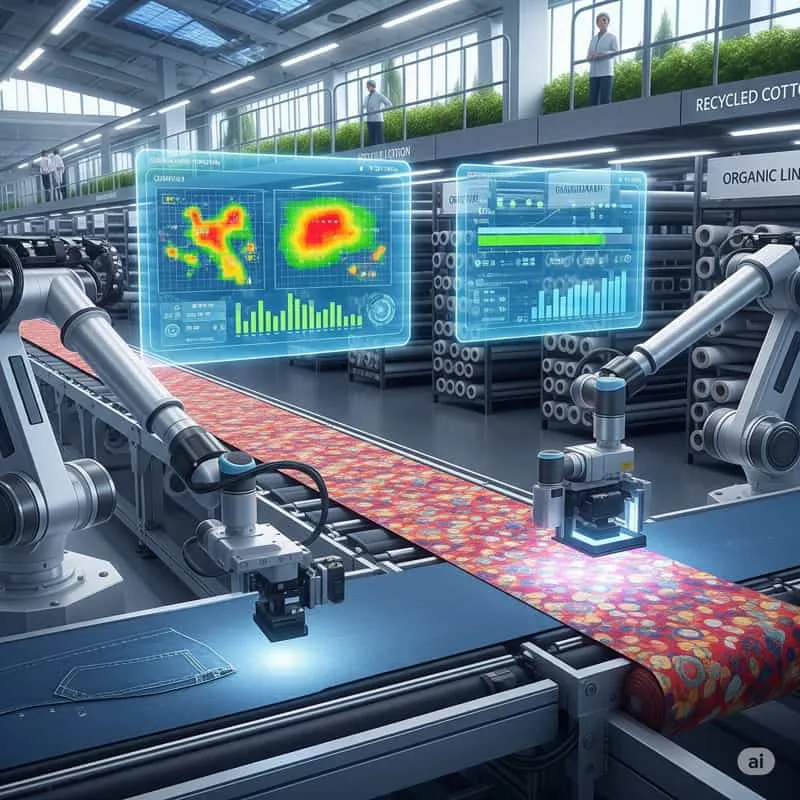
Textile quality control automation integrates advanced systems to monitor and ensure fabric quality throughout production, from raw material inspection to final product testing. Technologies include AI-driven defect detection, machine vision for real-time analysis, and IoT for process monitoring. Systems like Uster EVS FABRIQ VISION use high-resolution cameras to identify defects at 1 mm precision, while Siemens’ MindSphere IoT platform optimizes production parameters. Automation supports sustainable materials like bamboo, which requires 30% less water than cotton, by ensuring consistent quality and minimizing waste. Certifications like GOTS and OEKO-TEX® validate eco-friendly processes, aligning with circular economy principles.
The Need for Textile Quality Control Automation
Manual quality control in textiles is slow, error-prone, and costly, with human inspectors detecting only 60–70% of defects. This leads to waste, rework, and environmental impact, with dyeing alone contributing 20% to global wastewater. Regulations like the EU’s Circular Economy Action Plan and consumer demand for transparency (74% seek sustainable brands) drive automation adoption. By reducing defects, waste, and energy use, automation cuts costs by up to 20% and supports zero-waste goals, making it critical for competitive, sustainable manufacturing in a market projected to grow at a 4.4% CAGR by 2030.
Key Technologies in Textile Quality Control Automation
Machine Vision Systems
High-resolution cameras and AI algorithms, as in Uster EVS FABRIQ VISION, detect defects like holes or stains at 1 mm precision, inspecting 100% of fabric in real time, compared to 60% for manual checks.
AI and Machine Learning
AI systems, like those from CogniTensor, analyze fabric data to predict defects, reducing scrap rates by 15%. Machine learning optimizes dyeing parameters, cutting water use by 30% for bamboo textiles.
IoT and Smart Sensors
IoT platforms, such as Siemens’ MindSphere, monitor temperature, humidity, and tension in real time, ensuring consistent quality and reducing energy waste by 10–20%.
Automated Testing Equipment
Devices like SDL Atlas’s Martindale testers automate abrasion and pilling tests, ensuring compliance with ISO standards and reducing manual labor by 80%.
Blockchain for Traceability
Blockchain platforms, like TextileGenesis, track quality data across the supply chain, verifying sustainable practices for bamboo textiles and ensuring compliance with GRS certifications.
Applications of Textile Quality Control Automation
Raw Material Inspection
Automated systems scan fibers like bamboo or cotton for impurities, ensuring quality before spinning, as seen in Uster’s FiberQ systems, reducing waste by 10%.
Fabric Production Monitoring
Machine vision and IoT, used by HeiQ, monitor weaving and knitting, detecting defects in real time, improving yield by 15% and minimizing rework.
Dyeing and Finishing
AI-driven systems optimize dyeing for bamboo textiles, reducing water and chemical use by 30%, as implemented by Archroma’s Smartrepel solutions.
Final Product Testing
Automated testers, like James Heal’s TruBurst, assess fabric strength and durability, ensuring compliance with OEKO-TEX® standards for sustainable apparel.
Technical Textiles
Automation ensures quality in technical textiles, like automotive fabrics, with salt spray tests verifying corrosion resistance, supporting durable, eco-friendly products.
Case Studies: Textile Quality Control Automation in Action
Uster Technologies’ EVS FABRIQ VISION
Uster’s machine vision system, used by Arvind Mills, detects defects at 1 mm resolution, reducing scrap by 15% and ensuring GRS-certified bamboo textile quality.
Siemens’ MindSphere in Textile Mills
Siemens’ IoT platform, implemented by Welspun India, monitors spinning and dyeing, cutting energy use by 20% and ensuring consistent quality for eco-friendly home textiles.
HeiQ’s Smart Quality Control
HeiQ’s AI-driven systems, used by Patagonia, optimize finishing for bamboo textiles, reducing chemical use by 30% and aligning with zero-waste goals.
Archroma’s Automated Dyeing
Archroma’s Smartrepel automates dyeing for sustainable fabrics, cutting water use by 70% for brands like H&M, supporting circular economy principles.
Benefits of Textile Quality Control Automation
Environmental Sustainability
Automation reduces fabric waste by 15% and water use by up to 30%, cutting the industry’s 10% carbon footprint and 20% wastewater contribution, supporting zero-waste goals.
Economic Advantages
Automation lowers labor costs by 20% and defect-related losses by 15%, with the textile automation market projected to reach $1.2 billion by 2030 at a 10% CAGR.
Social and Ethical Benefits
Reduced chemical exposure improves conditions for 300 million textile workers, while blockchain ensures ethical sourcing, as seen with GOTS-certified bamboo.
Consumer Appeal
High-quality, sustainable textiles meet 78% consumer demand for eco-friendly products, boosting brand loyalty and premium pricing.
Challenges of Textile Quality Control Automation
High Initial Costs
Automation systems, like Uster’s, cost 20–30% more than manual setups. Subsidies and leasing models, like India’s PLI scheme, help offset expenses.
Skilled Workforce Needs
Operating AI and IoT systems requires specialized training, lacking in regions like Bangladesh. Industry-academia partnerships are addressing this gap.
Integration Complexity
Retrofitting legacy equipment with automation, as noted by Textile World, is challenging. Modular systems from Siemens simplify integration.
Data Security Concerns
IoT and blockchain systems risk data breaches. Robust cybersecurity, like TextileGenesis’s protocols, is essential for trust and compliance.
Future Trends in Textile Quality Control Automation
AI-Driven Predictive Analytics
AI will predict defects before production, reducing waste by 20%, as seen in CogniTensor’s platforms, enhancing efficiency by 2030.
Advanced Machine Vision
Next-gen vision systems, like those from ISRA VISION, will offer sub-millimeter precision, improving defect detection by 10%.
Blockchain and DPPs
Digital Product Passports, mandated by the EU by mid-2025, will integrate quality data with sustainability metrics, verifying eco-friendly bamboo textiles.
Sustainable Automation
Energy-efficient systems, like Siemens’ low-power IoT sensors, will reduce automation’s carbon footprint by 15%, aligning with net-zero goals.
Synergy with Bamboo Textiles
Bamboo textiles, requiring 30% less water and no pesticides, benefit from automation’s precision, ensuring defect-free production and vibrant dyeing with minimal waste. Automated systems, like HeiQ’s, optimize bamboo’s processing, reducing the 92 million tons of textile waste. Blockchain verifies bamboo’s sustainability, aligning with circular economy goals and enhancing market appeal.
Connection to Salt Spray Testing
Bamboo textiles and technical fabrics, like outdoor gear, undergo salt spray tests to ensure coating durability. Automated testing equipment, as used by SDL Atlas, reports results in sustainability metrics, supporting longevity and zero-waste principles.
Best Practices for Textile Quality Control Automation
- Adopt Advanced Systems: Use machine vision and IoT, like Uster’s EVS, for real-time defect detection.
- Train Workforce: Invest in training for AI and IoT, as recommended by Textile Learner.
- Use Sustainable Materials: Prioritize GRS-certified bamboo or recycled fibers for eco-friendly production.
- Integrate Blockchain: Ensure transparency with platforms like TextileGenesis.
- Optimize Energy Use: Employ low-power systems, like Siemens’ MindSphere, to reduce environmental impact.
Conclusion
Textile quality control automation is revolutionizing sustainable fashion by enhancing precision, reducing waste, and ensuring high-quality, eco-friendly production. Technologies like AI, machine vision, and IoT, as demonstrated by Uster and Siemens, drive efficiency and align with circular economy goals. Despite challenges like high costs and skill shortages, innovations in predictive analytics, blockchain, and sustainable systems promise scalability. By integrating with bamboo textiles and leveraging transparency tools, automation positions the textile industry as a leader in zero-waste manufacturing, meeting consumer and regulatory demands for a greener future.
Citations
- Uster Technologies. “Textile Quality Control Automation.” Uster, 2024, www.uster.com.
- Siemens. “MindSphere IoT for Textile Industry.” Siemens, 2023, www.siemens.com.
- HeiQ. “Smart Quality Control for Textiles.” HeiQ, 2024, www.heiq.com.
- Archroma. “Sustainable Dyeing Automation.” Archroma, 2023, www.archroma.com.
- Textile Exchange. “Sustainable Textiles Market Report 2024.” Textile Exchange, 2024, textileexchange.org.
- TextileGenesis. “Blockchain for Textile Traceability.” TextileGenesis, 2024, textilegenesis.com.
- SDL Atlas. “Automated Textile Testing Equipment.” SDL Atlas, 2023, www.sdlatlas.com.
- CogniTensor. “AI for Textile Quality Control.” CogniTensor, 2024, www.cognitensor.com.
- Textile World. “Automation in Textile Manufacturing.” Textile World, 2023, www.textileworld.com.
- Fibre2Fashion. “Quality Control in Textile Industry.” Fibre2Fashion, 2023, www.fibre2fashion.com.
- ScienceDirect. “Automation in Textile Quality Control.” ScienceDirect, 2022, www.sciencedirect.com.
- Textile Learner. “Quality Control in Textile Industry.” Textile Learner, 2022, textilelearner.net.
- ISRA VISION. “Machine Vision for Textiles.” ISRA VISION, 2024, www.isravision.com.
- European Commission. “Circular Economy Action Plan.” European Commission, 2022, environment.ec.europa.eu.
- United Nations Environment Programme. “Textile Industry and Sustainability.” UNEP, 2025, www.unep.org.
- Redress Design Award. “Automation for Zero-Waste Fashion.” Redress, 2024, www.redressdesignaward.com.
- The Interline. “Textile Quality Control Innovations.” The Interline, 2023, www.theinterline.com.
- Ellen MacArthur Foundation. “Textile Industry and Resource Use.” Ellen MacArthur Foundation, 2023, www.ellenmacarthurfoundation.org.
- Textile Focus. “Automation in Textile Quality Control.” Textile Focus, 2023, textilefocus.com.
- James Heal. “Automated Textile Testing Solutions.” James Heal, 2024, www.james-heal.co.uk.