The convergence of textiles with advanced electronics has redefined what fabrics can do. E-textiles integrate sensors, circuits, and conductive materials directly into fabrics. Wearable technology combines the benefits of textiles with digital innovation, creating smart garments that monitor health, enhance performance, and connect with the Internet of Things (IoT). This article offers an in-depth exploration of e-textiles and wearable technology, covering everything from their historical roots and technological evolution to current production processes, market trends, and future prospects.
In today’s fast-paced market, e-textiles drive innovation by merging traditional textile manufacturing with state-of-the-art electronics. Industry professionals rely on these technologies to develop products ranging from smart sportswear and healthcare monitors to interactive fashion and industrial safety gear. The discussion that follows examines the fundamentals of this emerging field through a series of detailed sections that combine theory, practical examples, charts, diagrams, and formulas.
1. Introduction to E-Textiles and Wearable Technology
E-textiles, also known as electronic textiles, merge flexible fabrics with electronic components. They enable garments to sense, react, and interact with the environment. Wearable technology, on the other hand, expands on this by integrating smart sensors, data processors, and wireless connectivity into clothing and accessories.
The design of e-textiles requires a deep understanding of both textile engineering and electronics. Engineers design conductive fibers, printed circuits, and embedded sensors that withstand bending, stretching, and washing. These integrated systems deliver functionalities such as biometric monitoring, environmental sensing, and data communication. This multidisciplinary approach fosters new applications in health monitoring, fitness tracking, fashion, and industrial safety.
Modern e-textiles incorporate advanced materials such as conductive polymers, nanomaterials, and flexible printed circuits. These innovations offer designers unprecedented flexibility to create garments that are lightweight, durable, and responsive to user input. Educational resources and research publications on TextileSchool.com provide detailed insights into material selection, electronic integration, and manufacturing challenges.

The rise of e-textiles is driven by consumer demand for interactive and multifunctional products. As technology evolves, the gap between fashion and function narrows. Wearable devices are no longer bulky gadgets; they now become a seamless part of everyday clothing. This shift supports an emerging ecosystem where textiles become active participants in the digital landscape.
In addition, wearable technology enhances user experience by offering real-time feedback and connectivity. The integration of cloud computing, artificial intelligence, and IoT into wearable fabrics creates systems that monitor health metrics, control environmental conditions, and even generate power from movement. This integration opens up exciting opportunities for further innovation in the textile industry.
2. Historical Perspectives and Evolution
The concept of integrating electronics with textiles has historical antecedents. Early experiments in the 1970s and 1980s explored the use of conductive threads and basic sensors woven into fabrics. Researchers laid the groundwork by experimenting with simple circuits attached to garments. These pioneers envisioned clothing that could interact with its wearer.
During the 1990s, rapid advancements in microelectronics and flexible circuit technologies spurred further innovation. The emergence of lightweight sensors and miniaturized processors allowed engineers to overcome previous limitations. Early prototypes of smart garments emerged, primarily in military and medical applications. These innovations demonstrated that textiles could perform functions beyond aesthetics and warmth.
Historical milestones also include collaborations between academic institutions and industry. Universities developed research programs in textile electronics, and technical journals began publishing studies on flexible electronics and conductive materials. This era laid the foundation for today’s robust ecosystem of e-textiles. In-depth articles on Wearable Technology Insights offer historical timelines and case studies from early projects.

The evolution of e-textiles parallels that of the broader electronics industry. Advances in semiconductor technology, battery miniaturization, and wireless communications enabled the transition from bulky prototypes to commercially viable products. Today, the integration of electronics into textiles is an interdisciplinary endeavor. Textile engineers, materials scientists, and electrical engineers collaborate to design products that meet both aesthetic and functional requirements.
This historical evolution highlights a continuous interplay between innovation and application. The push for miniaturization and increased functionality led to breakthroughs in material science and production techniques. Researchers continue to build on these early experiments, transforming e-textiles from niche products into mainstream solutions that drive new market opportunities.
3. Technological Evolution in E-Textiles
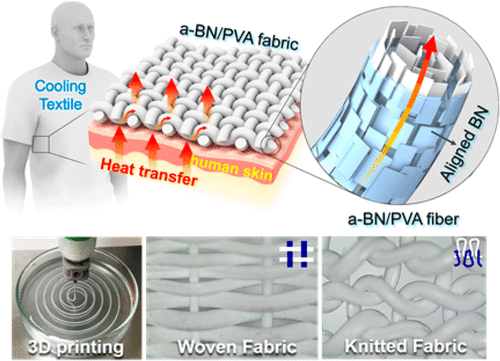
Technological advancements have revolutionized the development of e-textiles. Innovations in material science, electronics, and digital design have paved the way for increasingly sophisticated wearable technology. Modern e-textiles leverage flexible substrates, conductive fibers, and advanced sensor arrays that maintain functionality even under strain.
Key developments include the advent of conductive inks and printed electronics. These technologies allow circuits to be printed directly onto fabrics. The result is a seamless integration of electronics with minimal bulk. In parallel, advancements in nanotechnology have led to the development of conductive nanomaterials, such as graphene and carbon nanotubes, which offer superior conductivity and flexibility. Numerous research papers published by the IEEE Textile Electronics Society detail these technological breakthroughs.
Digital simulation tools and computer-aided design (CAD) software now play vital roles in e-textile development. Engineers simulate the behavior of conductive pathways under various mechanical stresses, ensuring that the final product remains reliable. Such simulations optimize the layout of sensors and circuits. These digital tools reduce the need for extensive physical prototyping, streamlining the design process.
The integration of wireless technology further enhances e-textile functionality. Modern wearable devices incorporate Bluetooth, Wi-Fi, and even Near Field Communication (NFC) capabilities. These features allow garments to interact with smartphones, cloud services, and other IoT devices. Advances in battery technology and energy harvesting also support the move towards self-powered wearable systems. The use of flexible batteries and solar fabrics contributes to the longevity and portability of e-textiles.
Furthermore, technological evolution has broadened the scope of applications. Designers now create interactive garments that adapt to environmental conditions, provide health monitoring, and even change color in response to stimuli. The synergy between electronics and textiles continues to inspire new product categories. As a result, the market for e-textiles expands rapidly, driven by innovation and consumer demand.
4. Raw Materials and Component Availability
The production of e-textiles relies on a diverse array of raw materials and electronic components. These components must work harmoniously with textile fibers to ensure durability, flexibility, and performance. Conductive fibers, printed circuits, and flexible substrates form the core elements of e-textile construction.
Synthetic fibers such as polyester and nylon often serve as the base material due to their strength and ease of processing. These fibers provide a robust platform onto which electronic components are integrated. Conductive threads, typically made from silver or copper, are woven or embroidered into fabrics to create electrical pathways. Advances in material science have improved the conductivity and corrosion resistance of these threads, ensuring long-term reliability.
Printed electronics play an equally crucial role. Conductive inks, formulated with metallic nanoparticles, can be printed directly onto fabrics using screen printing or inkjet techniques. These inks enable the fabrication of intricate circuits that conform to the textile’s shape. Researchers continue to innovate in this area, developing inks that offer improved adhesion, flexibility, and electrical performance. For detailed studies on printed electronics, consult resources available on Printed Electronics World.
Table: Key Raw Materials and Components for E-Textiles
| Component | Material Type | Key Properties | Common Applications |
|---|---|---|---|
| Base Fibers | Polyester, Nylon, Cotton | Durability, flexibility, ease of dyeing | Garments, sportswear, industrial textiles |
| Conductive Threads | Silver-plated Nylon, Copper Alloy | High conductivity, flexibility, washability | Circuits, sensor networks |
| Conductive Inks | Silver, Carbon, Graphene-based | Printability, adhesion, low resistance | Printed circuits, wearable displays |
| Flexible Substrates | Polyimide, PET | High thermal stability, mechanical strength | Circuit boards, sensor layers |
| Energy Storage | Flexible batteries, Supercapacitors | Rechargeability, lightweight, thin profile | Power supply in wearables |
The sourcing of these materials often involves global supply chains. Manufacturers must work closely with fiber producers, chemical companies, and electronic component suppliers to ensure a consistent and high-quality supply. Stringent quality control measures ensure that the raw materials meet industry standards and can withstand the rigors of everyday use. Advanced testing protocols, including tensile strength, conductivity, and wash durability tests, validate material performance.
Component availability also depends on technological advancements. As research in nanomaterials and flexible electronics progresses, new materials become available that enhance the performance of e-textiles. Manufacturers frequently update their material portfolios to incorporate these innovations, ensuring that their products remain at the cutting edge of technology. Detailed material data sheets and supplier catalogs provide further insights into component specifications and application guidelines.

The availability and quality of raw materials significantly impact the final product. Manufacturers invest in supplier audits and research collaborations to secure materials that drive innovation and reliability. This close integration between material science and textile engineering continues to propel the e-textile industry forward.
5. Breakthrough Innovations and Emerging Trends
Innovation remains at the heart of e-textile development. Researchers and manufacturers push the boundaries by introducing breakthrough technologies that enhance functionality, durability, and user experience. Several key innovations have emerged in recent years that continue to reshape the industry.
One notable innovation is the development of washable e-textiles. Early iterations of smart garments faced significant challenges with durability during washing cycles. New methods now encapsulate electronic components in waterproof, flexible coatings that protect circuits without compromising the fabric’s comfort. This breakthrough has broadened the market, enabling smart clothing for everyday use. Studies published in journals like the Journal of Textile Engineering provide detailed methodologies for achieving washability.
Advancements in sensor technology have also revolutionized e-textiles. Miniaturized sensors now monitor a wide range of physiological and environmental parameters, from heart rate and temperature to UV exposure and air quality. These sensors are seamlessly integrated into fabrics, offering continuous data collection without affecting the garment’s aesthetics. Wearable health monitors exemplify how sensor integration enhances personal wellness and fitness. Detailed case studies on wearable sensors can be found in research articles on Sensors Online.

Energy harvesting represents another breakthrough. Researchers have developed fabrics that convert kinetic energy or solar energy into electrical power. These energy-harvesting e-textiles reduce reliance on external batteries by generating power from the wearer’s movements or ambient light. The integration of piezoelectric fibers and flexible photovoltaic cells makes self-powered wearables a reality. Such innovations drive the creation of sustainable and autonomous smart textiles, aligning with global trends in renewable energy.
Nanotechnology continues to offer new possibilities. The use of nanofibers and nanoscale conductive materials improves the sensitivity and performance of e-textile sensors. For example, graphene-based inks enable high-performance printed circuits that are both lightweight and robust. Nanocoatings provide additional protection and improve the longevity of electronic components in harsh conditions. Research institutions worldwide focus on optimizing these nanoscale materials for commercial applications.
Smart textiles that adapt to the environment are emerging as a transformative trend. Imagine garments that change color based on temperature, emit light for safety, or even monitor stress levels through embedded biochemical sensors. These adaptive systems rely on real-time data processing and wireless connectivity to deliver personalized responses. The potential for such innovations spans across fashion, sports, healthcare, and defense industries.
Additionally, the integration of artificial intelligence (AI) in wearable technology paves the way for more interactive systems. AI algorithms process sensor data to provide personalized insights and predictive analytics. These systems enable proactive health monitoring, intelligent fitness coaching, and even adaptive environmental control within the garment. As AI technology matures, its applications in e-textiles will continue to expand, further blurring the lines between fashion and function.
Table: Summary of Breakthrough Innovations in E-Textiles
| Innovation Area | Key Developments | Impact on Industry |
|---|---|---|
| Washable E-Textiles | Waterproof encapsulation, flexible coatings | Enhances durability, broadens everyday use |
| Advanced Sensors | Miniaturized, integrated physiological and environmental sensors | Enables continuous health and performance monitoring |
| Energy Harvesting | Piezoelectric fibers, flexible photovoltaic cells | Reduces battery dependence, supports sustainability |
| Nanotechnology | Graphene inks, nanofibers, nanocoatings | Improves conductivity, sensitivity, and longevity |
| AI Integration | Data analytics, predictive modeling, personalized feedback | Enhances interactivity and user engagement |
These breakthroughs illustrate a vibrant landscape of innovation in e-textiles. They reflect a commitment to pushing technological boundaries while addressing practical challenges such as durability, energy efficiency, and user comfort. The integration of these innovations continues to drive market growth and inspires new applications across diverse industries.
6. Production Processes and Manufacturing Techniques
Manufacturing e-textiles requires a blend of traditional textile processes and advanced electronics assembly. Production processes are highly specialized to ensure that electronic components integrate seamlessly with fabric substrates. Several key methods dominate the e-textile manufacturing landscape.
6.1 Fabrication and Integration Techniques
Traditional textile processes such as weaving, knitting, and nonwoven production provide the structural base for e-textiles. These processes create fabrics that serve as platforms for electronic integration. After the fabric is produced, techniques like embroidery, screen printing, and inkjet printing apply conductive materials directly onto the textile surface.
For example, screen printing conductive inks onto a polyester fabric can produce flexible circuits with intricate patterns. Embroidery using conductive threads allows for durable electrical pathways that retain flexibility. These processes require precise control over material deposition, curing, and adhesion to ensure long-lasting performance. Manufacturers often combine these methods to produce hybrid systems that maximize both aesthetic appeal and functionality.

6.2 Assembly and Encapsulation
Following the integration of conductive elements, assembly processes add additional electronic components such as microcontrollers, sensors, and batteries. These components require secure attachment methods that preserve the fabric’s flexibility and washability. Techniques such as lamination and encapsulation protect sensitive electronics from mechanical stress and moisture.
Encapsulation typically involves applying a thin, flexible polymer layer over electronic components. This layer acts as a barrier against environmental damage while maintaining the garment’s comfort. Modern encapsulation processes use UV-curable polymers and advanced adhesives to achieve fast curing times and robust performance. Detailed assembly guidelines can be found on industry resources like Flexible Electronics Magazine.
6.3 Quality Control and Testing
Quality control remains paramount in e-textile production. Manufacturers implement rigorous testing protocols at multiple stages. Electrical tests, such as resistance measurements and continuity checks, verify the integrity of conductive pathways. Mechanical tests evaluate flexibility, tensile strength, and wash durability. Environmental tests simulate exposure to temperature fluctuations, moisture, and repeated stress cycles.
Advanced testing setups integrate automated inspection systems and digital image analysis. These systems identify defects in circuit patterns and component placement, ensuring that only high-quality products reach the market. The following formula, for instance, helps determine the acceptable tolerance for resistance variation in conductive traces:
In this equation,
represents the measured resistance, while
is the desired resistance value. Maintaining low tolerance percentages is crucial for consistent performance across wearable products.
Table: Key Steps in E-Textile Manufacturing and Quality Control
| Production Stage | Process Description | Key Parameters |
|---|---|---|
| Fabric Formation | Weaving, knitting, nonwoven production | Tensile strength, fabric density |
| Electronic Integration | Screen printing, embroidery of conductive materials | Adhesion, pattern resolution |
| Assembly and Encapsulation | Attaching sensors, microcontrollers, and batteries | Curing time, encapsulation uniformity |
| Quality Control | Electrical, mechanical, and environmental testing | Resistance tolerance, durability |
By integrating these processes, manufacturers produce e-textiles that deliver reliable performance and withstand everyday wear and tear. The blend of advanced electronics assembly with traditional textile manufacturing underscores the interdisciplinary nature of wearable technology.
7. Overcoming Challenges in E-Textile Production
Despite significant advances, e-textile manufacturing faces multiple challenges. These challenges span material compatibility, durability, energy management, and cost-effectiveness. Industry professionals continuously develop strategies to overcome these obstacles.
7.1 Material Integration and Compatibility
One key challenge is ensuring that electronic components seamlessly integrate with fabric substrates. Conductive inks and threads must bond effectively to fibers while preserving the fabric’s flexibility. Mismatches in material properties can lead to delamination, cracking, or loss of conductivity. Manufacturers address these issues by fine-tuning adhesion properties and employing specialized surface treatments. Research into nanomaterial-enhanced adhesives offers promising solutions that improve integration without compromising textile feel.
7.2 Durability and Washability
Wearable devices must endure repeated mechanical stresses and washing cycles. Early e-textile prototypes often struggled with durability. Today, advanced encapsulation methods and flexible circuit designs significantly enhance product lifespan. However, rigorous testing remains essential. Manufacturers simulate long-term use to identify weak points and refine production processes. Continuous improvements in polymer chemistry and material engineering help ensure that e-textiles withstand everyday use.

7.3 Energy Management and Power Supply
E-textiles require reliable power sources that do not compromise flexibility or aesthetics. Traditional batteries can be bulky and rigid, hindering the garment’s comfort. Advances in flexible batteries and energy harvesting provide alternatives, yet challenges remain in balancing energy density with size and weight. Researchers explore thin-film batteries and supercapacitors as viable solutions. Optimizing energy management through low-power circuit design and efficient power regulation remains a critical area of innovation.
7.4 Production Cost and Scalability
The integration of electronics into textiles adds cost and complexity to manufacturing. Low production volumes and high material costs can limit scalability. Manufacturers strive to reduce costs by standardizing processes, increasing automation, and sourcing high-quality yet affordable raw materials. The development of scalable printing and embroidery techniques is essential for transitioning from prototypes to mass-market products. Collaboration between technology providers and textile mills often yields cost-saving innovations that benefit the entire supply chain.
Table: Major Challenges in E-Textile Production and Mitigation Strategies
| Challenge | Impact on Production | Mitigation Strategy |
|---|---|---|
| Material Integration | Delamination, loss of conductivity | Advanced adhesives, nanomaterial treatments |
| Durability and Washability | Reduced lifespan, performance degradation | Enhanced encapsulation, rigorous testing |
| Energy Management | Bulkiness, reduced flexibility | Flexible batteries, energy harvesting |
| Production Cost | High cost, scalability issues | Process automation, standardized methods |
Addressing these challenges is crucial for the widespread adoption of e-textiles. Continuous research, cross-disciplinary collaboration, and iterative design improvements drive progress in overcoming production hurdles.
8. Real-World Applications and Case Studies
The potential of e-textiles and wearable technology extends across numerous sectors. Real-world applications illustrate the versatility and transformative impact of these innovations. Case studies from diverse industries highlight both the achievements and challenges in implementing smart fabrics.
8.1 Healthcare and Wellness
One of the most promising applications of e-textiles lies in healthcare. Smart garments monitor vital signs such as heart rate, respiration, and temperature. These systems provide real-time data for patients and medical professionals, enabling early detection of health issues. For instance, wearable ECG sensors integrated into sportswear help athletes track cardiac performance during intense workouts. Detailed clinical trials and case studies have shown that continuous monitoring improves patient outcomes and reduces hospital visits.
Healthcare applications also extend to chronic disease management. Patients with conditions like diabetes or hypertension benefit from wearable devices that automatically log data and alert caregivers when anomalies occur. Research published on Medical Wearables offers insights into the clinical benefits and design considerations of these smart systems.
8.2 Sports and Fitness
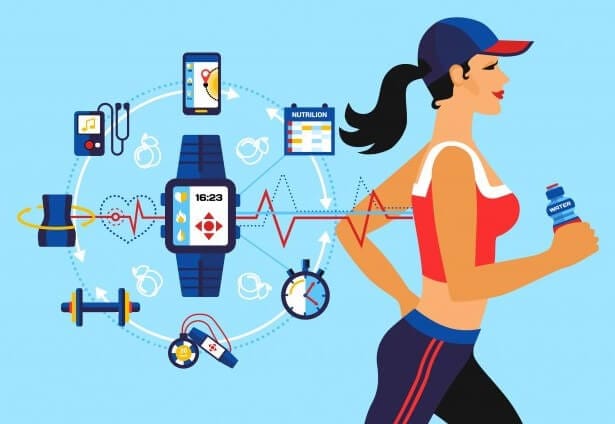
Wearable technology has revolutionized the sports and fitness sector. Smart fabrics embedded with motion sensors and accelerometers provide detailed feedback on body movements and performance metrics. Professional athletes use these insights to optimize training routines and reduce injury risk. For example, sensor-embedded compression garments monitor muscle activity and recovery, enabling coaches to tailor workouts to individual needs.
Fitness enthusiasts also benefit from real-time data on heart rate, calorie burn, and activity levels. Integrated with mobile apps and cloud platforms, these smart garments offer personalized coaching and progress tracking. Detailed case studies demonstrate improved athletic performance and enhanced user engagement. The convergence of textile technology with wearable sensors creates a powerful tool for both professional and amateur sports.
8.3 Fashion and Lifestyle
Fashion designers embrace e-textiles to create garments that are not only stylish but also interactive. Designers experiment with fabrics that change color based on environmental stimuli or user input. For instance, smart jackets that adjust insulation levels in response to temperature variations offer both aesthetic appeal and functional benefits. Fashion shows and exhibitions increasingly feature wearable technology, blurring the lines between art and function.
In addition to interactive design, e-textiles enable personalization. Consumers can customize garment features through smartphone apps, selecting different patterns, colors, or functionalities. This trend drives consumer engagement and creates unique selling propositions. Collaborative projects between fashion houses and technology firms have resulted in wearable tech collections that set new industry standards.
8.4 Industrial and Safety Applications
Industrial sectors benefit significantly from wearable technology. In high-risk environments, smart fabrics provide real-time monitoring of environmental conditions, such as toxic gas levels or excessive heat. Workers wear smart uniforms equipped with sensors that alert them to potential hazards, thereby enhancing safety. These innovations improve workplace safety and reduce downtime caused by accidents.
Smart textiles also find applications in logistics and supply chain management. Wearable devices track worker movement and environmental conditions in warehouses and manufacturing plants. Detailed case studies demonstrate increased operational efficiency and enhanced worker safety. The integration of e-textiles into industrial safety protocols reflects a broader trend toward digitizing traditional work environments.
Real-world applications of e-textiles illustrate their transformative potential. From healthcare and fitness to fashion and industrial safety, wearable technology continues to redefine traditional sectors. These case studies highlight the value of integrating electronics with textiles and underscore the importance of continued research and innovation.
9. End-Users and Market Segments
E-textiles and wearable technology cater to a diverse array of end-users and market segments. Understanding these segments helps manufacturers tailor products to meet specific needs and preferences.
9.1 Consumer Markets
The consumer market for wearable technology spans fitness enthusiasts, health-conscious individuals, and fashion-forward consumers. These users demand products that combine functionality with style. Smart garments that monitor health metrics, track physical activity, or offer interactive designs appeal to a broad audience. Consumer feedback drives iterative improvements, ensuring that wearable devices remain user-friendly and effective.
9.2 Professional and Industrial Users
Professional end-users include athletes, healthcare providers, and industrial workers. In the sports arena, professional teams use e-textile data to refine training and performance strategies. Healthcare professionals rely on continuous monitoring systems to manage patient care more effectively. In industrial settings, wearable devices enhance safety and operational efficiency by providing real-time environmental data. These applications require robust, reliable products that withstand demanding conditions.
9.3 Specialized and Niche Markets
Specialized applications include military, emergency response, and research applications. Military uniforms integrated with e-textile sensors monitor soldier health and provide tactical communication. Emergency responders use smart fabrics that offer both protection and real-time hazard detection. In academic and research settings, wearable technology serves as a platform for experimental studies and prototype development. These niche markets drive innovation and encourage manufacturers to develop specialized solutions.
Table: Key End-User Segments and Their Requirements
| End-User Segment | Primary Requirements | Example Applications |
|---|---|---|
| Consumers | Style, comfort, health monitoring | Fitness trackers, interactive fashion |
| Professional Users | Reliability, data accuracy, durability | Athletic performance wear, medical monitors |
| Industrial & Safety | Environmental monitoring, ruggedness | Smart uniforms, hazard detection systems |
| Specialized Markets | Custom functionalities, advanced security | Military wearables, emergency response gear |
Understanding end-user needs is vital for designing successful e-textile products. Manufacturers collaborate with customers, conduct market surveys, and engage in pilot projects to refine product features. This user-centric approach ensures that wearable technology delivers tangible benefits across all market segments.
10. Market Trends, Growth, and Economic Impact
The market for e-textiles and wearable technology has experienced exponential growth in recent years. Factors such as increased health awareness, advancements in flexible electronics, and rising consumer demand have contributed to this expansion. Global market research firms report steady growth, with projections indicating further expansion over the next decade.
Economic drivers include the reduction in component costs, increased scalability of production processes, and heightened consumer interest. Manufacturers benefit from improved supply chains, advanced manufacturing techniques, and a growing ecosystem of software and hardware integrations. The economic impact of wearable technology extends beyond direct sales; it stimulates ancillary industries such as healthcare, sports, and industrial automation.
Market segmentation analysis reveals that healthcare and fitness sectors lead in adoption rates. Consumers increasingly invest in wearable devices to monitor personal health and enhance physical performance. Concurrently, industrial and safety applications see growing investments as companies prioritize worker protection and operational efficiency. Reports by Global Textile Market Insights offer detailed data on market trends and projections.

The economic benefits of e-textiles include reduced healthcare costs through preventive monitoring, improved productivity in industrial environments, and enhanced consumer satisfaction through personalized experiences. Strategic partnerships between technology firms and textile manufacturers drive innovation and market penetration. These collaborations create a dynamic environment where technology and textiles mutually reinforce market growth.
11. Future Trends and Prospects
The future of e-textiles and wearable technology is promising. Ongoing research and development continue to push technological boundaries and open new market possibilities. Future trends are likely to be shaped by several key factors.
11.1 Advanced Materials and Nanotechnology
Future developments will focus on integrating even more advanced materials into e-textiles. The use of nanomaterials, such as graphene and carbon nanotubes, promises to enhance conductivity, flexibility, and durability. Research is underway to develop biodegradable electronic components, addressing environmental concerns associated with electronic waste. As material science evolves, the performance and sustainability of wearable devices will improve significantly.
11.2 Integration of Artificial Intelligence and IoT
The convergence of AI with e-textiles will redefine how garments interact with users. AI algorithms can analyze data from wearable sensors to provide predictive analytics, personalized health recommendations, and adaptive user interfaces. The integration of IoT further connects e-textiles with broader digital ecosystems, enabling seamless communication with smartphones, smart homes, and healthcare systems. This integration will create a new generation of intelligent textiles that adapt to individual needs in real time.
11.3 Energy Autonomy and Sustainable Production
Future wearable devices will increasingly rely on energy harvesting technologies to achieve energy autonomy. Developments in flexible solar panels, kinetic energy converters, and thermoelectric generators will reduce reliance on traditional batteries. These innovations will lead to truly self-sustaining wearable systems. Additionally, sustainable production practices will gain prominence. Manufacturers are investing in closed-loop recycling processes and eco-friendly materials to minimize environmental impact.
11.4 Enhanced Connectivity and Data Security
As e-textiles become more integrated with personal data, ensuring data security and privacy becomes paramount. Future developments will focus on incorporating robust encryption and secure data transmission protocols directly into the fabric. This focus will build consumer trust and enable broader adoption of wearable technology in sensitive applications such as healthcare and finance.
The future holds a transformative potential for e-textiles. As technologies mature and production scales up, wearable devices will become more affordable and accessible. Market trends indicate a shift towards personalized, self-sufficient, and smart garments that seamlessly integrate with daily life. Collaborative efforts among industry stakeholders, academia, and government agencies will drive these innovations forward, ensuring that e-textiles remain at the forefront of textile technology.
12. Summary and Conclusion
E-textiles and wearable technology represent a revolutionary fusion of fabrics and electronics. From their early experimental stages to today’s sophisticated systems, the field has experienced rapid growth and transformative innovation. This article explored the fundamentals of e-textiles, covering historical perspectives, technological evolution, raw material sourcing, breakthrough innovations, production processes, and market trends.
Key points include:
- Introduction: E-textiles integrate conductive fibers, sensors, and circuits with traditional fabrics to create interactive, smart garments.
- History: Early experiments paved the way for modern wearable technology, evolving through cross-disciplinary collaboration and technological breakthroughs.
- Technological Evolution: Advances in printed electronics, nanotechnology, and flexible circuits have redefined e-textile capabilities.
- Raw Materials: High-performance synthetic fibers, conductive threads, and flexible substrates form the backbone of wearable technology.
- Innovations: Breakthroughs in washability, sensor integration, energy harvesting, and AI integration drive the industry forward.
- Production Processes: Advanced fabrication, assembly, and quality control techniques ensure robust, durable products.
- Challenges: Material integration, durability, energy management, and scalability remain key challenges that are continuously being addressed.
- Real-World Applications: Healthcare, sports, fashion, and industrial sectors leverage e-textiles for enhanced functionality and safety.
- Market Segments: Diverse end-user segments—from consumers to specialized professional markets—drive demand and innovation.
- Future Trends: Advanced materials, AI and IoT integration, energy autonomy, and enhanced data security will define the next generation of e-textiles.
In conclusion, the future of e-textiles and wearable technology looks promising. As research deepens and production techniques improve, these smart fabrics will become integral to everyday life. They promise to enhance personal health, improve industrial safety, and revolutionize fashion. This comprehensive exploration of e-textiles serves as an invaluable resource for industry professionals, researchers, and enthusiasts seeking to understand and capitalize on this dynamic field.