

Introduction
Socks are an essential part of our daily wardrobe. They protect our feet, provide comfort, and add a touch of personal style. From the basic ankle sock to the more specialized compression sock, the variety available can be overwhelming. Understanding the different types of socks helps you make informed choices. This ensures you select the perfect pair for any occasion.
History of Socks
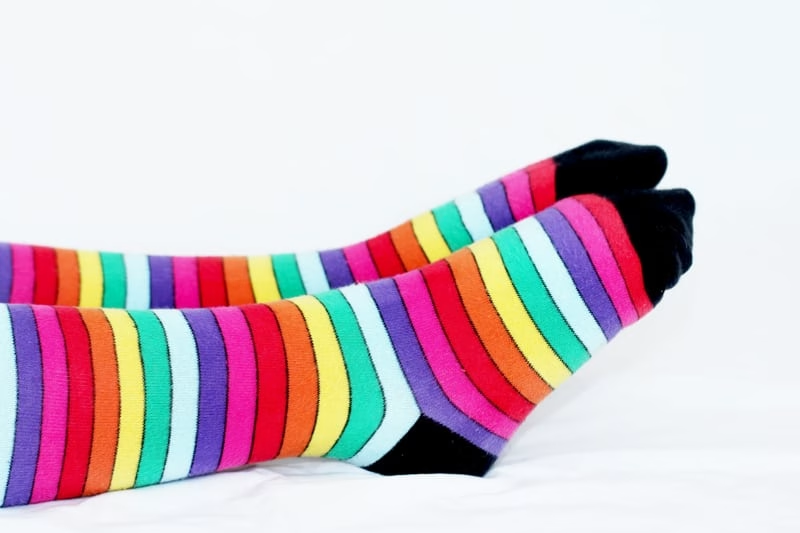
The history of socks dates back to ancient times. Early socks were simple coverings made from animal skins or woven fabrics. The oldest known socks were discovered in Egypt. These were made using a technique called nålbinding. By the Middle Ages, socks evolved into knitted garments. These were often knee-high and worn as a sign of status.
The invention of the knitting machine in the 16th century revolutionized sock production. This made socks more affordable and accessible. Today, socks are mass-produced using advanced technology. They come in a wide range of materials, colors, and designs.
Technological Evolution
The evolution of sock technology has significantly enhanced their functionality and comfort. Modern socks incorporate advanced materials like moisture-wicking synthetics and antimicrobial fibers. These innovations keep feet dry, prevent odors, and improve overall foot health.
Seamless toe closures and cushioned soles are now common features. These provide extra comfort and reduce friction. Additionally, advancements in knitting techniques allow for the creation of specialized socks. These cater to specific activities such as running, hiking, and sports.
Sock Anatomy
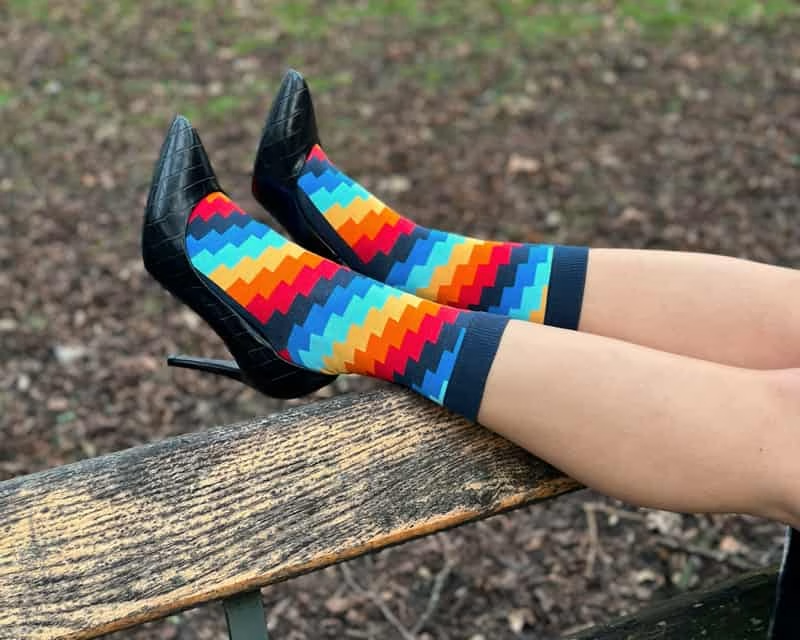
Understanding the anatomy of a sock can help you appreciate its design and function. Key components include:
- Cuff: The top part of the sock that keeps it in place.
- Leg: The main body of the sock, extending from the cuff to the ankle.
- Heel: The reinforced area that provides cushioning and support.
- Foot: The part of the sock that covers the bottom of the foot.
- Toe: The front part of the sock, often reinforced for durability.
Types of Socks
The world of socks is incredibly diverse. Each type serves a unique purpose. Here is an extensive list of the most common types of socks:
1. No-Show Socks
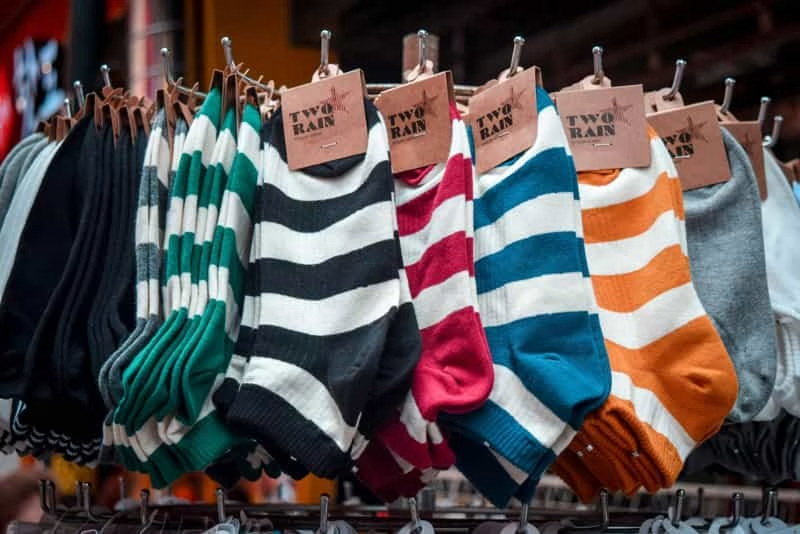
No-show socks, also known as invisible socks, are designed to be hidden when worn with shoes. They are perfect for loafers, flats, and sneakers. These socks provide a layer of protection and comfort without compromising the look of bare ankles.
- Features: Low-cut design, silicone grips to prevent slipping.
- Benefits: Discreet, comfortable, prevents blisters.
- Best For: Casual wear, warm weather.
2. Ankle Socks
Ankle socks extend just above the ankle. They are a versatile option for everyday wear and athletic activities. These socks offer more coverage than no-show socks. They still maintain a low profile.
- Features: Elastic cuff, cushioned sole options.
- Benefits: Comfortable, versatile, suitable for sports.
- Best For: Running, gym workouts, casual outings.
3. Quarter Socks
Quarter socks cover the ankle and part of the lower leg. They provide additional support and protection. These socks are a popular choice for sports and outdoor activities.
- Features: Snug fit, reinforced heel and toe.
- Benefits: Extra support, protection against chafing.
- Best For: Hiking, training, team sports.
4. Crew Socks
Crew socks are a classic style that reaches mid-calf. They are suitable for a wide range of activities. This makes them a staple in many wardrobes.
- Features: Ribbed cuff, durable construction.
- Benefits: Versatile, comfortable, suitable for various shoes.
- Best For: Everyday wear, work, casual sports.
5. Mid-Calf Socks
Mid-calf socks fall between the crew and knee-high styles. They offer more coverage and warmth. These socks are often worn with boots or for added style.
- Features: Variety of patterns and colors, snug fit.
- Benefits: Extra warmth, stylish, suitable for boots.
- Best For: Fashion, colder weather, outdoor work.
6. Knee-High Socks
Knee-high socks extend to the knee. They provide maximum coverage and warmth. These socks are popular for sports, fashion, and medical purposes.
- Features: Elastic band to prevent slipping, various compression levels.
- Benefits: Warmth, support, can improve circulation.
- Best For: Skiing, horseback riding, medical compression.
7. Over-the-Knee Socks
Over-the-knee socks extend above the knee. They are primarily worn for fashion. These socks can add a stylish touch to outfits.
- Features: Soft, stretchy materials, various colors and patterns.
- Benefits: Fashionable, warm, can be paired with skirts and dresses.
- Best For: Fashion, costumes, layering.
8. Compression Socks
Compression socks apply pressure to the lower legs. This helps improve blood flow and reduce swelling. They are commonly used by athletes, travelers, and individuals with medical conditions.
- Features: Graduated compression, durable materials.
- Benefits: Improves circulation, reduces fatigue, prevents swelling.
- Best For: Medical use, travel, sports recovery.
9. Diabetic Socks
Diabetic socks are designed to promote foot health for individuals with diabetes. They feature non-binding cuffs, seamless toes, and moisture-wicking fabrics. These features help prevent blisters, ulcers, and infections.
- Features: Non-binding, seamless, moisture-wicking.
- Benefits: Prevents foot problems, comfortable, promotes circulation.
- Best For: Individuals with diabetes.
10. Wool Socks
Wool socks are made from natural wool fibers. They are known for their warmth, breathability, and moisture-wicking properties. These socks are ideal for cold weather and outdoor activities.
- Features: Natural insulation, odor-resistant, durable.
- Benefits: Warm, comfortable, suitable for hiking and skiing.
- Best For: Winter, outdoor activities.
11. Cashmere Socks
Cashmere socks are made from luxurious cashmere fibers. They are incredibly soft, warm, and comfortable. These socks are a premium option for those seeking ultimate comfort.
- Features: Soft, lightweight, luxurious feel.
- Benefits: Exceptional comfort, warmth, stylish.
- Best For: Lounging, luxury wear.
12. Cotton Socks
Cotton socks are made from natural cotton fibers. They are soft, breathable, and affordable. These socks are a popular choice for everyday wear.
- Features: Soft, absorbent, easy to care for.
- Benefits: Comfortable, affordable, suitable for daily use.
- Best For: Everyday wear, casual activities.
13. Novelty Socks
Novelty socks feature fun patterns, colors, and designs. They are a great way to express personality and add a playful touch to any outfit.
- Features: Unique designs, various themes, colorful patterns.
- Benefits: Expressive, fun, great for gifts.
- Best For: Gifts, casual wear, expressing personality.
14. Athletic Socks
Athletic socks are designed for sports and physical activities. They provide support, cushioning, and moisture-wicking properties. These features enhance performance and prevent injuries.
- Features: Cushioned soles, arch support, breathable fabrics.
- Benefits: Enhances performance, prevents blisters, comfortable.
- Best For: Sports, running, gym workouts.
15. Hiking Socks
Hiking socks are specifically designed for hiking and trekking. They offer extra cushioning, support, and moisture-wicking properties. This keeps feet comfortable and protected on long treks.
- Features: Reinforced heel and toe, cushioned sole, moisture-wicking.
- Benefits: Prevents blisters, provides support, keeps feet dry.
- Best For: Hiking, trekking, outdoor adventures.
16. Toe Socks
Toe socks, also known as glove socks, have individual compartments for each toe. They prevent blisters and promote natural foot alignment. These socks are popular among runners and hikers.
- Features: Separate toe compartments, moisture-wicking fabrics.
- Benefits: Prevents blisters, promotes alignment, comfortable.
- Best For: Running, hiking, foot health.
17. Water Socks
Water socks are designed for water sports and activities. They protect feet from sharp objects and provide traction on slippery surfaces.
- Features: Neoprene or rubber construction, non-slip soles.
- Benefits: Protects feet, provides traction, comfortable in water.
- Best For: Swimming, snorkeling, beach activities.
18. Dress Socks
Dress socks are designed to be worn with formal attire. They are typically made from fine materials like silk, merino wool, or cotton. These socks come in classic colors and patterns.
- Features: Thin, elegant, various patterns and colors.
- Benefits: Stylish, comfortable, suitable for formal occasions.
- Best For: Business meetings, formal events.
19. Boot Socks
Boot socks are designed to be worn with boots. They provide extra warmth, cushioning, and protection. These socks prevent chafing and keep feet comfortable in heavy footwear.
- Features: Thick, durable, moisture-wicking.
- Benefits: Warm, comfortable, protects against chafing.
- Best For: Work boots, winter boots, hiking boots.
20. Bed Socks
Bed socks are designed to be worn in bed. They provide warmth and comfort for a good night’s sleep. These socks are typically made from soft, cozy materials like fleece or wool.
- Features: Soft, warm, comfortable.
- Benefits: Promotes relaxation, keeps feet warm, improves sleep.
- Best For: Sleeping, lounging.
Materials Used in Socks
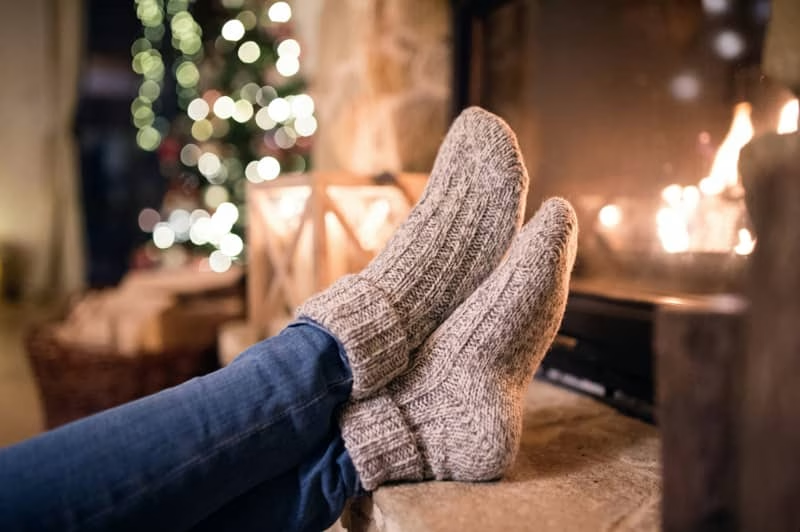
The choice of material greatly affects the comfort, performance, and durability of socks. Here are some common materials used in sock production:
- Cotton: Soft, breathable, and absorbent. Cotton is ideal for everyday wear.
- Wool: Warm, moisture-wicking, and odor-resistant. Wool is perfect for cold weather and outdoor activities.
- Merino Wool: A finer, softer type of wool. Merino wool offers excellent comfort and performance.
- Synthetic Fabrics (Polyester, Nylon, Acrylic): Durable, moisture-wicking, and quick-drying. Synthetics are ideal for athletic and performance socks.
- Spandex/Elastane: Provides stretch and elasticity. Spandex ensures a snug and comfortable fit.
- Silk: Luxurious, soft, and lightweight. Silk is used in dress socks for a touch of elegance.
- Cashmere: Exceptionally soft and warm. Cashmere is used in premium socks for ultimate comfort.
Innovations in Sock Design
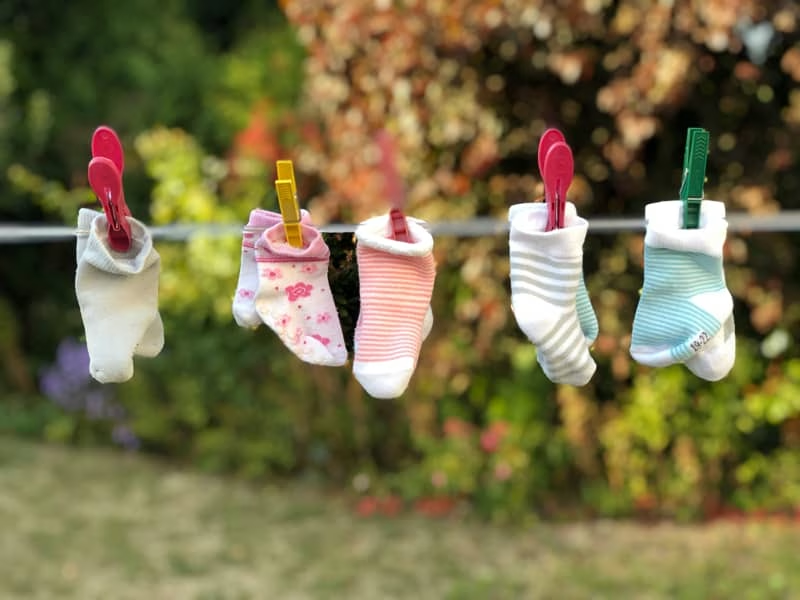
Sock design continues to evolve with new innovations that enhance comfort and performance. Some notable advancements include:
- Seamless Toe Closure: Eliminates the bulky seam at the toe. This reduces friction and prevents blisters.
- Cushioned Soles: Provides extra padding and support. This enhances comfort during high-impact activities.
- Arch Support: Improves foot stability and reduces fatigue.
- Moisture-Wicking Fabrics: Keeps feet dry and comfortable by drawing sweat away from the skin.
- Antimicrobial Fibers: Prevents the growth of bacteria and fungi. This reduces odor and promotes foot hygiene.
- Compression Technology: Improves blood flow and reduces swelling. This enhances performance and recovery.
Production Process
The production of socks involves several key steps:
- Yarn Selection: Choosing the appropriate yarn based on the desired properties of the sock.
- Knitting: Using specialized knitting machines to create the sock fabric.
- Dyeing: Adding color to the socks using various dyeing techniques.
- Finishing: Applying treatments such as softening, antimicrobial finishes, and water repellents.
- Inspection: Checking the socks for defects and ensuring quality standards are met.
- Packaging: Preparing the socks for distribution and sale.
Challenges in Sock Production
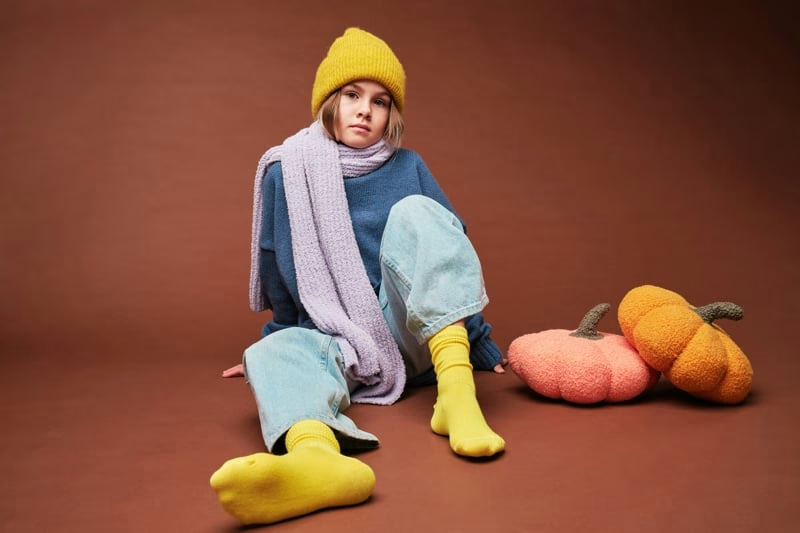
The sock industry faces several challenges:
- Sustainability: Reducing the environmental impact of sock production. This includes using sustainable materials and minimizing waste.
- Cost Management: Balancing the cost of materials and production with the need to offer affordable products.
- Quality Control: Ensuring consistent quality and durability in mass production.
- Supply Chain Disruptions: Managing disruptions in the supply of raw materials and components.
- Changing Consumer Preferences: Adapting to evolving consumer tastes and demands for new styles and features.
Real-World Applications
Socks have a wide range of real-world applications:
- Everyday Wear: Providing comfort and protection for daily activities.
- Athletic Performance: Enhancing performance and preventing injuries in sports.
- Medical Use: Improving circulation and managing foot conditions.
- Occupational Use: Providing protection and support for workers in various industries.
- Fashion: Adding style and personality to outfits.
End-Users

The end-users of socks are diverse and include:
- Men, Women, and Children: Socks are a basic necessity for people of all ages and genders.
- Athletes: Socks are essential for enhancing performance and preventing injuries.
- Medical Patients: Socks are used to manage various foot and circulatory conditions.
- Outdoor Enthusiasts: Socks provide protection and comfort for hiking, camping, and other outdoor activities.
- Fashion Enthusiasts: Socks are used to express personal style and complement outfits.
- Workers in Various Industries: Socks provide protection and support for those in demanding jobs.
Market
The global sock market is substantial and continues to grow. Factors driving this growth include:
- Increasing Demand for Athletic and Performance Socks: As more people engage in sports and fitness activities.
- Growing Awareness of Foot Health: Leading to increased demand for specialized socks like diabetic and compression socks.
- Rising Disposable Income: Allowing consumers to spend more on premium and fashionable socks.
- E-Commerce Growth: Making it easier for consumers to purchase socks online.
- Fashion Trends: Influencing the demand for different styles and designs.
Future Trends in Socks
The future of socks is likely to be shaped by several key trends:
- Sustainability: Increased use of sustainable materials and eco-friendly production processes.
- Smart Socks: Integration of sensors and technology to monitor foot health and performance.
- Customization: Offering personalized sock designs and features.
- Performance Enhancement: Developing socks with advanced materials and designs to improve athletic performance.
- Comfort and Wellness: Focusing on socks that promote foot health and overall well-being.
Summary
Socks have come a long way from simple foot coverings to sophisticated accessories. They combine comfort, function, and style. With a wide variety of types, materials, and designs available, there is a perfect pair of socks for every need and occasion. Understanding the different types of socks and their features allows you to make informed choices. This ensures your feet are always comfortable, protected, and stylish.






This guide is an outstanding resource thorough, informative, and thoughtfully presented for both industry professionals and everyday consumers. The clear explanations of sock types, materials, and their functional uses make it especially useful for textile students and product developers alike. For businesses or educators looking to source a variety of quality socks in bulk, Mega Wholesaler Inc offers an extensive range that complements the standards and categories featured in this article.