

Introduction: The Enduring Appeal of the Suit
The suit. It’s more than just clothing; it’s a statement. For generations, it has been the uniform of power, success, and sophistication. From the pinstripes of Wall Street to the sleek lines of Milanese fashion, the suit transcends cultures and trends. But what exactly is a suit? At its core, it’s a matching set of garments, typically a jacket and trousers, crafted from the same fabric. However, the variations within this simple definition are vast, encompassing a wide range of styles, cuts, and materials. This article will guide you through the fascinating world of suits, exploring their history, construction, and the diverse array of styles available to the modern man and woman.
A Stitch in Time: The History of the Suit
The modern suit, as we know it, has its roots in 19th-century England. Beau Brummell, a prominent figure in Regency society, is often credited with popularizing the tailored coat and trousers as a more refined alternative to the elaborate attire of the previous era. This marked a shift towards simpler, more functional clothing.
The evolution continued throughout the Victorian era. The frock coat, a knee-length garment, became the standard business attire. As the 19th century drew to a close, the lounge suit, a more relaxed and comfortable option, began to gain popularity. This is the direct ancestor of the modern suit. The Edwardian era saw further refinement, with the introduction of the three-piece suit, complete with a waistcoat.

The 20th century witnessed the suit’s global adoption and diversification. The roaring twenties brought looser fits and bolder patterns. The post-war era saw the rise of the “Ivy League” style, characterized by natural shoulders and classic fabrics. The power suits of the 1980s, with their broad shoulders and assertive silhouettes, reflected the decade’s ambitious spirit. Today, the suit continues to evolve, adapting to changing tastes and lifestyles.
Technological Evolution: From Hand-Stitched to High-Tech
The production of suits has undergone a dramatic transformation over the centuries. Initially, suits were entirely hand-stitched by skilled tailors, a time-consuming and expensive process. The advent of the sewing machine in the 19th century revolutionized the industry, allowing for mass production and greater affordability.
However, even with mechanization, tailoring remained a craft requiring considerable skill. The precise cutting and shaping of fabric, the careful stitching of seams, and the meticulous pressing of the finished garment all demanded expertise.
In recent years, technology has further advanced the suit-making process. Computer-aided design (CAD) software allows for precise pattern making and efficient fabric utilization. Automated cutting machines ensure accuracy and consistency. 3D body scanners enable custom-fit suits to be created with unprecedented precision. Furthermore, innovations in fabric technology, such as wrinkle-resistant and stain-repellent finishes, have enhanced the practicality and durability of suits.

Sourcing and Availability: From Savile Row to Online Retailers
Suits are available from a wide range of sources, catering to different budgets and preferences. At the high end of the spectrum are bespoke tailors, who create custom-made suits from scratch, tailored to the individual’s exact measurements and specifications. Savile Row in London remains the spiritual home of bespoke tailoring, renowned for its quality and craftsmanship.
Ready-to-wear suits are available from department stores, menswear retailers, and online retailers. These suits are produced in standard sizes and offer a more affordable option. Made-to-measure suits offer a middle ground, combining the convenience of ready-to-wear with some degree of customization. The customer is measured, and a pre-existing pattern is adjusted to their specific measurements.
The rise of e-commerce has made suits more accessible than ever before. Online retailers offer a vast selection of styles, fabrics, and price points. However, buying a suit online can be challenging, as it’s difficult to assess the fit and quality without trying it on.
Innovations in Suit Design and Materials
The world of suits is constantly evolving, with designers pushing the boundaries of style and technology. One notable trend is the increasing use of sustainable materials, such as organic cotton, recycled wool, and innovative fabrics made from plant-based fibers. These materials offer a more environmentally friendly alternative to traditional suit fabrics.
Another innovation is the development of performance fabrics that offer enhanced comfort and functionality. These fabrics may be breathable, moisture-wicking, or wrinkle-resistant, making them ideal for travel or everyday wear.
Design innovations include deconstructed suits, which are lighter and less structured than traditional suits, offering a more relaxed and contemporary look. Designers are also experimenting with bold colors, patterns, and textures, challenging the traditional conventions of suit design.
The Production Process: From Fiber to Finished Garment
The production of a suit is a complex process involving numerous steps. It begins with the selection of fabric, which can range from wool and linen to cotton and synthetic blends. The fabric is then cut according to a pattern, which is carefully graded to ensure a proper fit.
The various pieces of the suit are then sewn together, using a combination of machine and hand stitching. The jacket is typically constructed with an interlining, which provides structure and shape. The trousers are often lined to improve comfort and durability.
Once the suit is assembled, it undergoes a series of finishing processes, including pressing, buttoning, and detailing. The finished suit is then inspected for quality and shipped to retailers.

Here’s a simplified breakdown of the suit production process:
- Design & Pattern Making: The suit’s design is finalized, and patterns are created for each component (jacket, trousers, vest if applicable). CAD software is often used for precision.
- Fabric Selection: Choosing the right fabric is crucial. Wool, linen, cotton, and blends are common choices, each offering different properties in terms of drape, breathability, and durability.
- Cutting: Fabric is laid out and cut according to the patterns. Precision cutting is essential for a well-fitting suit.
- Interfacing & Lining: Interfacing is added to the jacket to provide structure and shape. Linings are added to both the jacket and trousers for comfort and durability.
- Sewing: The various pieces are sewn together, often using a combination of machine and hand stitching. This is a labor-intensive process that requires skilled craftsmanship.
- Fitting & Adjustments: During the sewing process, the suit may be fitted on a model or customer to ensure a proper fit. Adjustments are made as needed.
- Finishing: The suit is pressed, buttons are attached, and any final details are added.
- Quality Control: The finished suit is inspected for any defects or imperfections.
- Packaging & Distribution: The suit is packaged and shipped to retailers.
Challenges in the Suit Industry
The suit industry faces a number of challenges in the 21st century. One of the biggest is the increasing casualization of dress codes. As workplaces become more relaxed, the demand for traditional suits has declined.
Another challenge is the rise of fast fashion, which has led to a demand for cheaper, lower-quality suits. This has put pressure on manufacturers to cut costs, often at the expense of quality and craftsmanship.
Sustainability is also a growing concern. The production of suits can be resource-intensive, involving the use of water, energy, and chemicals. Consumers are increasingly demanding more sustainable and ethical production practices.
Real-World Applications: Where Suits Still Reign Supreme
Despite the trend towards casualization, suits remain essential in many professional and social settings. They are still the standard attire for job interviews, business meetings, and formal events.
Suits also play a significant role in personal branding. A well-fitting suit can project confidence, competence, and professionalism. It can help individuals make a positive first impression and stand out from the crowd.
Moreover, suits are increasingly being embraced as a fashion statement. Designers are creating innovative and stylish suits that can be worn for a variety of occasions, from casual outings to red-carpet events.

Types of Suits: A Comprehensive Overview
The world of suits is vast and varied. Understanding the different types of suits available is essential for making informed purchasing decisions. Here’s a detailed overview of the most common suit styles:
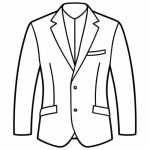
1. Single-Breasted Suit: The most versatile and widely worn type of suit. It features a single row of buttons and a moderate overlap of fabric. Single-breasted suits are generally considered more modern and streamlined than double-breasted suits. They are suitable for a wide range of body types and occasions.
- Number of Buttons: Single-breasted suits can have one, two, three, or even four buttons. The two-button suit is the most classic and versatile option. The one-button suit is more contemporary and often worn for evening events. The three-button suit was popular in the past but is now less common.
- Lapel Style: The lapel is the folded flap of fabric on the front of the jacket. Common lapel styles for single-breasted suits include notch lapels, peak lapels, and shawl lapels. Notch lapels are the most common and versatile. Peak lapels are more formal and add a touch of sophistication. Shawl lapels are typically reserved for tuxedos and formal evening wear.
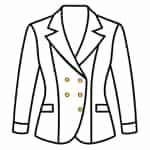
2. Double-Breasted Suit: A more formal and traditional type of suit. It features two rows of buttons and a significant overlap of fabric. Double-breasted suits are often associated with power and authority. They are best suited for taller and slimmer individuals, as they can add bulk to the frame.
- Button Configuration: Double-breasted suits typically have four, six, or eight buttons. The six-button, two-to-close configuration is the most classic and flattering.
- Lapel Style: Peak lapels are the most common and appropriate for double-breasted suits. They enhance the suit’s formality and create a more imposing silhouette.
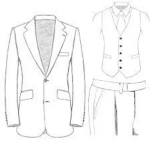
3. Three-Piece Suit: A classic and sophisticated option that includes a jacket, trousers, and a waistcoat (vest). The waistcoat adds an extra layer of formality and can be worn buttoned or unbuttoned, depending on the occasion. Three-piece suits are ideal for formal events and business settings.
- Waistcoat Style: Waistcoats can be single-breasted or double-breasted. Single-breasted waistcoats are more common and versatile. Double-breasted waistcoats are more formal and add a touch of vintage charm.
- Waistcoat Fabric: The waistcoat can be made from the same fabric as the jacket and trousers, or from a contrasting fabric. A contrasting waistcoat can add visual interest and personality to the suit.
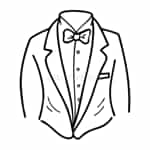
4. Tuxedo (Dinner Suit): The most formal type of suit, typically worn for black-tie events. Tuxedos are characterized by their satin lapels, satin-covered buttons, and often, a satin stripe down the side of the trousers. They are traditionally worn with a bow tie, cummerbund, and patent leather shoes.
- Lapel Style: Tuxedos typically have shawl lapels or peak lapels, both made of satin.
- Fabric: Tuxedos are typically made from black wool or velvet.
5. Lounge Suit: A more relaxed and casual type of suit, suitable for everyday wear. Lounge suits are typically made from lighter fabrics, such as linen or cotton, and may feature less structured tailoring. They can be worn with a variety of shirts and shoes, making them a versatile option for casual occasions.
6. Business Suit: Designed for professional settings, business suits typically feature classic colors like navy, gray, or black. They are made from durable fabrics like wool or wool blends and are tailored for a sharp, professional look. Single-breasted, two-button suits are a common choice for business attire.
7. Travel Suit: Tailored for comfort and practicality, travel suits are made from wrinkle-resistant fabrics like merino wool or technical blends. They often feature hidden pockets and a more relaxed fit for ease of movement during travel.
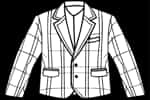
8. Sport Suit/Blazer: While not a traditional suit, a blazer paired with contrasting trousers can create a smart casual look. Blazers come in various fabrics and styles, from classic navy wool to more contemporary patterns and textures.
9. Nehru Suit: Originating from India, the Nehru suit features a mandarin collar and a button-down front. It is often made from silk or linen and is worn for formal occasions.
10. Zoot Suit: Popular in the 1940s, the zoot suit is characterized by its high-waisted, wide-legged trousers and a long, oversized jacket with wide lapels. It is often associated with jazz music and swing dancing.
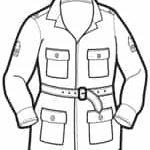
11. Safari Suit: A practical and stylish option for warm climates, the safari suit features a lightweight jacket with multiple pockets and matching trousers. It is often made from cotton or linen and is worn for outdoor activities.
12. Women’s Suit: Suits are not just for men. Women’s suits have become increasingly popular in recent years, offering a stylish and empowering alternative to traditional dresses and skirts. Women’s suits come in a variety of styles, from classic skirt suits to more contemporary pantsuits.
- Skirt Suit: A classic and feminine option that features a jacket and a matching skirt. Skirt suits are often worn for business and formal occasions.
- Pantsuit: A more modern and versatile option that features a jacket and matching trousers. Pantsuits are suitable for a wide range of occasions, from business meetings to casual outings.
13. The Unstructured Suit: A modern take on the classic suit, the unstructured suit is designed for comfort and ease of movement. It typically features a soft, unpadded construction and is made from lightweight fabrics like linen or cotton.
14. The Athleisure Suit: Blending athletic wear with tailoring, the athleisure suit combines the comfort of sportswear with the sophistication of a suit. It often features stretchy, breathable fabrics and a relaxed fit.
15. The Statement Suit: Designed to make a bold impression, the statement suit features eye-catching colors, patterns, or embellishments. It is perfect for those who want to express their individuality and stand out from the crowd.
End-Users: Who Wears Suits?
The end-users of suits are diverse, ranging from business professionals and lawyers to politicians and celebrities. Anyone who wants to project an image of professionalism, authority, or style can benefit from wearing a suit.
Suits are also popular among students, particularly those entering the workforce. A well-fitting suit can help students make a positive impression during job interviews and internships.
Furthermore, suits are increasingly being embraced by individuals who simply appreciate the craftsmanship and style of tailored clothing. They are seen as a timeless investment that can be worn for years to come.
The Suit Market: Trends and Opportunities
The global suit market is a multi-billion dollar industry. While the market has faced challenges in recent years due to the casualization of dress codes, it is expected to rebound in the coming years, driven by factors such as the growing demand for sustainable and customized suits.
The rise of e-commerce has created new opportunities for suit retailers. Online retailers can reach a wider audience and offer a greater selection of styles and price points.

The increasing demand for sustainable and ethical fashion is also driving innovation in the suit industry. Manufacturers are developing new fabrics and production processes that are more environmentally friendly and socially responsible.
The Future of Suits: Innovation and Adaptation
The future of suits is likely to be shaped by several key trends. One is the increasing demand for customization. Consumers are seeking suits that are tailored to their individual measurements and preferences.
Another trend is the growing importance of sustainability. Consumers are demanding suits that are made from sustainable materials and produced in an ethical manner.
Technology will also play a significant role in the future of suits. 3D body scanners and CAD software will enable more precise and efficient suit production. Performance fabrics will enhance the comfort and functionality of suits.
Finally, the suit will continue to evolve as a fashion statement. Designers will experiment with new styles, colors, and patterns, pushing the boundaries of traditional suit design.
Summary: The Enduring Legacy of the Suit
The suit has a rich history and a bright future. From its origins in 19th-century England to its current status as a global fashion icon, the suit has evolved and adapted to changing times. Despite the challenges posed by casualization and fast fashion, the suit remains an essential garment for professionals, students, and anyone who wants to project an image of confidence and style. With ongoing innovations in design, materials, and production processes, the suit is poised to remain a timeless and relevant part of our wardrobes for generations to come.


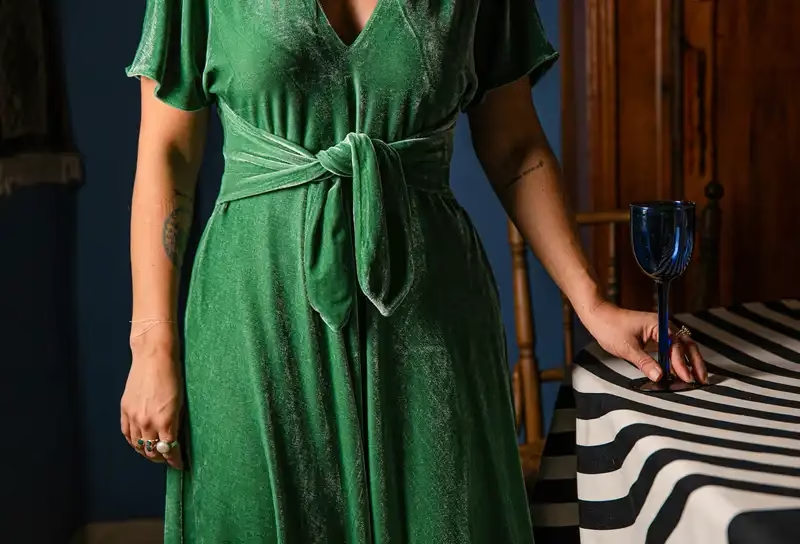


I recently discovered your website and I have to say, I’m genuinely impressed! The variety of styles you offer is incredible — from casual wear to elegant statement pieces, everything feels so well-curated. I ordered a dress and a pair of heels from your latest collection, and both exceeded my expectations. The fabric quality, stitching, and fit were absolutely perfect, and the packaging was beautiful too. It’s clear that a lot of thought goes into every detail. Your designs are modern, classy, and very wearable, which is something I really appreciate. Also, your customer service was quick and helpful when I had a size query. I’ll definitely be recommending your brand to my friends. Keep up the amazing work! Looking forward to seeing what’s next.