Textile auxiliaries are the unsung heroes of the textile manufacturing process. They are the chemicals, enzymes, and processing aids that ensure fibers, yarns, and fabrics achieve the desired properties. From sizing and desizing to scouring, bleaching, and finishing, these auxiliaries influence every aspect of textile production. Their roles are diverse, critical, and multifaceted, contributing not only to the quality of the final product but also to operational efficiency and environmental sustainability.
In this article, we delve into the world of textile auxiliaries. We explore their history and evolution, examine technological advancements, discuss sourcing and availability, highlight innovations, and review their production processes. We also address the challenges faced by manufacturers in selecting and using auxiliaries, present real-world applications and case studies, and analyze market trends and future prospects. By weaving together narrative elements and technical insights, this guide offers a holistic view of textile auxiliaries, making it an indispensable resource for industry professionals, researchers, and students.

1. Introduction: The Vital Role of Textile Auxiliaries
Textile auxiliaries are an essential component of textile production, working behind the scenes to improve processing, quality, and efficiency. These chemicals and agents are added at various stages—during fiber preparation, spinning, weaving, dyeing, and finishing—to facilitate processes, enhance fabric performance, and reduce production issues. They are the catalysts that transform raw fibers into usable, high-quality textiles.
The term “auxiliaries” encompasses a wide range of products including sizing agents, lubricants, dispersants, leveling agents, softeners, and finishing resins. Each plays a unique role; for instance, sizing agents improve the strength of warp yarns, while softeners impart a pleasant hand feel to fabrics. The proper selection and application of auxiliaries can lead to significant improvements in production efficiency, energy savings, and environmental performance.
This introduction sets the stage for our exploration of textile auxiliaries, providing a foundation for understanding their functions and importance in modern textile manufacturing. As we move through the various sections, we will illustrate how these products have evolved, how they are sourced and applied, and how they continue to shape the textile landscape.
2. Historical Perspectives: Tracing the Evolution of Textile Auxiliaries
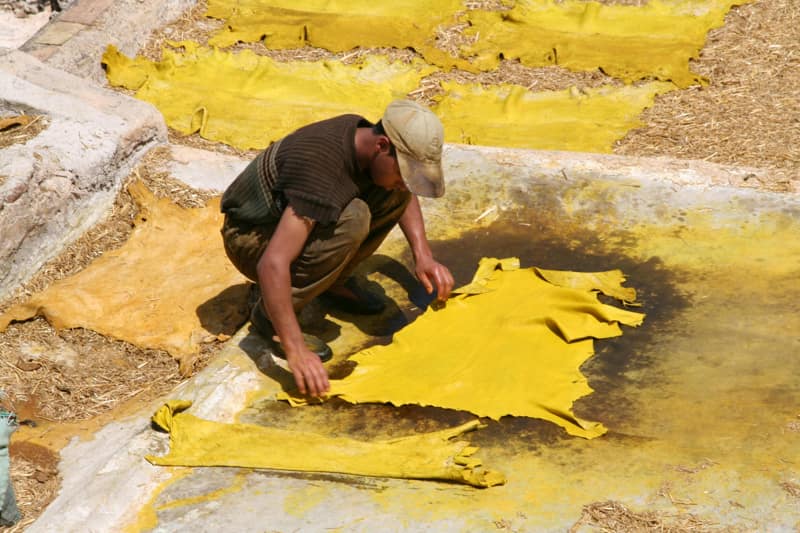
The use of textile auxiliaries dates back to ancient times. Early civilizations recognized the need to enhance the natural properties of fibers. Ancient Egyptians, Greeks, and Chinese used natural substances like starch, natural resins, and plant extracts to treat fibers and fabrics. These early methods laid the groundwork for modern auxiliaries by addressing common issues such as fiber friction, dye uptake, and fabric strength.
2.1 Early Developments and Natural Aids
In antiquity, natural starches and gums were applied to fibers to increase their strength during the weaving process. For example, rice starch and wheat paste were commonly used in East Asia to stiffen warp yarns, making them easier to handle on looms. The use of natural oils and fats further improved the flexibility and durability of fabrics. Historical records show that traditional dyeing processes relied heavily on natural mordants like alum and tannin to fix dyes to fabrics.
As trade expanded, so did the exchange of auxiliary substances. The Silk Road not only transferred silk but also shared knowledge of dyeing techniques and finishing methods. These early innovations were primarily empirical, passed down through generations by skilled artisans who continually refined their techniques based on observation and experience.
2.2 Industrial Revolution and the Rise of Synthetic Auxiliaries
The advent of the Industrial Revolution brought dramatic changes to textile production. Mechanization and the development of chemical industries paved the way for the first synthetic auxiliaries. In the 19th century, chemists began to isolate and synthesize compounds specifically for textile processing. This period witnessed the introduction of synthetic sizing agents, detergents, and dispersants, which offered more consistent and effective performance compared to their natural counterparts.
The transition to synthetic auxiliaries was driven by the need for greater efficiency and quality control in mass production. The increased demand for textiles in emerging markets necessitated the development of chemicals that could be produced in large quantities with uniform quality. Innovations in chemical synthesis led to a rapid expansion in the range of textile auxiliaries available, setting the stage for the modern industry.
2.3 Modern Era: Digital Integration and Sustainable Practices
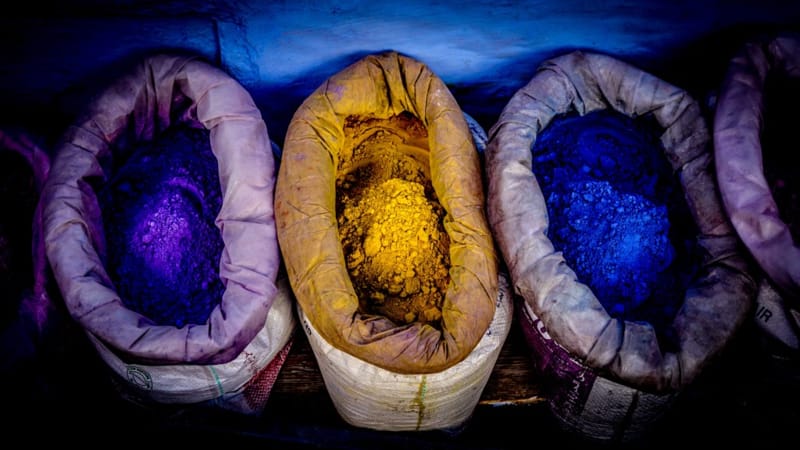
Today, textile auxiliaries represent a sophisticated fusion of chemistry, engineering, and digital technology. Modern auxiliaries are developed using advanced research techniques and are tailored to meet specific performance criteria. The focus has shifted toward enhancing sustainability, reducing environmental impact, and improving energy efficiency. Regulations and consumer demand for eco-friendly products have driven the industry to innovate with bio-based and biodegradable auxiliaries.
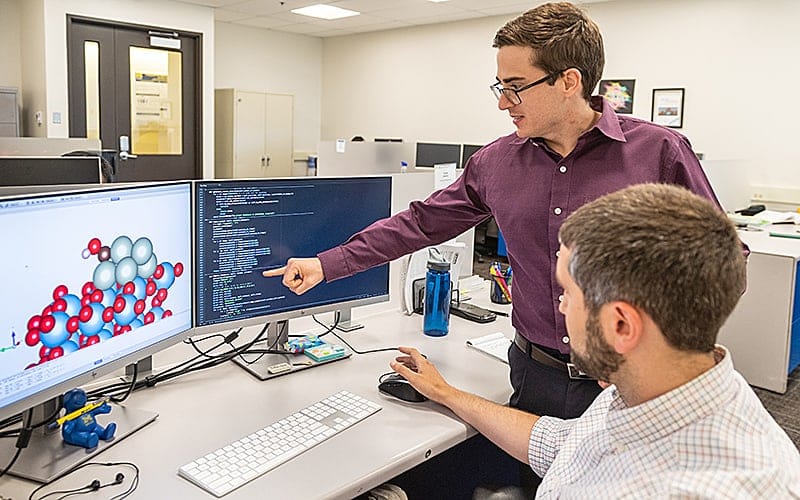
Digital tools now assist in the formulation and testing of textile auxiliaries. High-throughput screening methods and computer simulations allow chemists to predict performance and optimize formulations rapidly. This digital revolution has accelerated the development of new auxiliaries that not only perform better but also adhere to stricter environmental standards.
The historical evolution of textile auxiliaries reflects a journey from natural, traditional methods to advanced, science-driven processes. Each stage in this evolution has contributed to the remarkable quality and efficiency of modern textile production, underscoring the enduring importance of auxiliaries in the industry.
3. Technological Evolution: Modern Innovations in Textile Auxiliaries
Advancements in technology have propelled the development of textile auxiliaries from simple natural extracts to complex chemical formulations. Today’s auxiliaries are designed with precision to optimize every stage of textile processing, enhancing quality, efficiency, and sustainability.
3.1 Digital Formulation and Quality Control
Modern textile auxiliaries benefit from state-of-the-art digital formulation techniques. Chemical engineers use computer modeling and simulation to design formulations that achieve desired properties such as optimal viscosity, pH, and reactivity. This digital approach reduces the trial-and-error phase, ensuring rapid development and consistent quality.
Automated quality control systems monitor the application of auxiliaries during production. Sensors and spectrophotometers analyze color, chemical composition, and fabric characteristics in real time. This data-driven approach ensures that auxiliaries are applied uniformly, leading to fewer defects and higher quality textiles.
3.2 Sustainable and Eco-Friendly Auxiliaries
The push toward sustainable production has led to significant innovations in textile auxiliaries. Manufacturers now prioritize eco-friendly formulations that reduce energy consumption, water usage, and chemical waste. Bio-based auxiliaries, derived from renewable resources such as corn, soy, and cellulose, are increasingly popular. These formulations are biodegradable and reduce the environmental footprint of textile processing.
Research and development efforts focus on developing auxiliaries that maintain performance while meeting strict environmental regulations. For example, enzymes are used to modify fiber surfaces for better dye uptake, reducing the need for harsh chemicals. The integration of sustainability into auxiliary production is a key trend that continues to reshape the industry.
3.3 Advanced Application Technologies
Innovations in application technologies have enhanced the effectiveness of textile auxiliaries. Advanced machinery now integrates precise dosing systems that control the amount and timing of auxiliary application. These systems, often linked to digital control units, ensure that chemicals are applied at optimal concentrations, minimizing waste and maximizing performance.
Innovative techniques such as microencapsulation have also emerged. In microencapsulation, auxiliary chemicals are encapsulated in tiny particles that release their contents gradually, providing controlled effects during processing. This technology improves the durability and functionality of textiles by ensuring sustained performance over time.

Technological evolution in textile auxiliaries has not only improved product quality but also reduced the environmental impact of textile processing. The convergence of digital tools, sustainable chemistry, and advanced application methods continues to drive innovation in the field.
4. Source and Availability: Global Supply of Textile Auxiliaries
Textile auxiliaries are sourced from a global network of chemical manufacturers and suppliers. The availability and quality of these products are crucial for maintaining consistent textile production and meeting regulatory standards.
4.1 Global Manufacturers and Suppliers
Leading chemical companies and specialized suppliers provide a vast array of textile auxiliaries. Regions such as Europe, Asia, and North America are known for their advanced chemical manufacturing industries. These suppliers offer high-quality, scientifically formulated auxiliaries that cater to various aspects of textile processing, including sizing, desizing, scouring, bleaching, dyeing, and finishing.
International trade fairs and exhibitions, such as ITMA, play a significant role in showcasing the latest innovations in textile auxiliaries. These events allow manufacturers to connect with global suppliers, compare products, and gain insights into emerging trends. Digital platforms and trade portals further facilitate the procurement process by providing comprehensive product catalogs, technical specifications, and real-time availability information.
4.2 Availability and Lead Times
The availability of textile auxiliaries can vary based on factors such as market demand, regulatory changes, and production capacities. Many suppliers offer customized formulations to meet the specific needs of textile manufacturers. Lead times for high-performance auxiliaries can range from a few weeks to several months, depending on the complexity of the formulation and order size.
Manufacturers often establish long-term contracts with suppliers to secure a steady supply of high-quality auxiliaries. These partnerships help ensure that production schedules remain uninterrupted and that the quality of textiles is consistently maintained. Detailed technical data sheets, safety information, and environmental impact reports are commonly provided, aiding manufacturers in making informed purchasing decisions.
4.3 Training and Technical Support
In addition to providing products, many suppliers offer extensive technical support and training programs. These initiatives help textile manufacturers optimize the use of auxiliaries in their processes. Online tutorials, webinars, and in-person training sessions cover topics such as dosage optimization, process integration, and troubleshooting common issues. Resources available on TextileSchool.com and other industry platforms provide valuable guidance on the effective use of textile auxiliaries.

The global supply and availability of textile auxiliaries underpin the efficiency and sustainability of textile production. High-quality auxiliaries, backed by robust technical support, ensure that manufacturers can achieve consistent results and meet the demands of an increasingly competitive market.
5. Innovations in Textile Auxiliaries
Innovations in textile auxiliaries have transformed the industry, enabling more efficient, sustainable, and high-quality textile processing. Continuous research and development drive breakthroughs that improve performance while reducing environmental impact.
5.1 Bio-Based and Green Chemistry
A major innovation in textile auxiliaries is the shift toward bio-based and green chemical formulations. Traditional auxiliaries often rely on petrochemical derivatives that can be harmful to the environment. In contrast, green chemistry focuses on using renewable resources and designing products that degrade harmlessly. Bio-based sizing agents, softeners, and enzymes are now available, offering comparable performance with a reduced ecological footprint.
Researchers use biotechnology to develop enzymes that specifically target unwanted residues on fibers, improving dye uptake and fabric strength. These biocatalysts work under mild conditions, reducing energy consumption and chemical usage. As sustainability becomes paramount, the industry continues to invest in eco-friendly formulations that meet stringent environmental regulations.
5.2 Smart Auxiliaries and Microencapsulation
Smart auxiliaries represent another significant innovation. Microencapsulation technology allows chemical agents to be encapsulated in microscopic carriers that release their active ingredients gradually. This controlled release mechanism ensures a prolonged effect, improving the durability and performance of the textile treatment.
For example, microencapsulated softeners can provide long-lasting softness, while encapsulated antimicrobial agents protect fabrics against microbial growth over extended periods. These smart auxiliaries improve the overall quality of textiles and offer new functionalities that enhance consumer satisfaction.
5.3 Advanced Formulation Techniques
The use of advanced formulation techniques, including high-throughput screening and computer-aided simulation, has revolutionized the development of textile auxiliaries. Digital modeling enables chemists to predict how different formulations will interact with various fiber types and processing conditions. This predictive capability accelerates product development and ensures consistent performance across batches.
Innovative techniques also include the use of nanotechnology to enhance the penetration and adhesion of auxiliaries on fiber surfaces. Nanoparticles, such as nano-silica or nano-clay, are incorporated into formulations to improve durability, UV resistance, and overall fabric strength. These advancements have led to the creation of auxiliaries that not only improve processing but also enhance the intrinsic properties of textiles.

The continuous innovation in textile auxiliaries drives the industry forward by addressing both performance and environmental challenges. These advancements enable manufacturers to produce textiles that are not only of superior quality but also align with modern sustainability standards.
6. Production Process: Integration of Textile Auxiliaries
The effective use of textile auxiliaries is integrated throughout the textile production process. From fiber preparation and yarn formation to weaving, dyeing, and finishing, auxiliaries are applied at critical stages to optimize processing and enhance fabric quality.
6.1 Pre-Treatment and Sizing
Before weaving, warp yarns are often treated with sizing agents. Sizing protects the yarns from abrasion and breakage during the weaving process. The process involves applying a sizing solution, drying, and then winding the yarn onto beams. Precision in the dosage and uniformity of application is key to ensuring that the warp maintains adequate strength and consistency.
Formula Example:
Required Sizing (L) can be calculated as:
Example: For 1000 ends, each 55 m long, with an application rate of 0.0002 L/m, Required Sizing = (1000 × 55 × 0.0002) / 1000 = 0.011 L.
6.2 In-Process Applications
During dyeing and finishing, auxiliaries such as leveling agents, dispersants, and softeners are applied to improve color uniformity, texture, and fabric hand feel. These chemicals are critical in ensuring that the dye penetrates uniformly and that the finished fabric meets aesthetic and performance standards. Modern machinery integrates digital dosing systems to precisely control the quantity and timing of auxiliary application, enhancing process efficiency and reducing waste.
6.3 Post-Processing and Finishing
After primary processing, finishing auxiliaries are applied to enhance the fabric’s appearance and performance. Finishing treatments may include softening agents, anti-wrinkle finishes, water repellents, and flame retardants. These treatments are carefully controlled to ensure that the effects are durable and that the fabric retains its intended properties. Quality control measures, such as digital spectrophotometry and texture analysis, verify that the auxiliaries have been applied consistently.
Table: Key Production Stages and Auxiliary Applications
| Production Stage | Auxiliary Type | Function |
|---|---|---|
| Pre-Treatment & Sizing | Sizing Agents | Strengthen warp yarns, reduce breakage during weaving |
| Dyeing & Finishing | Leveling, Dispersants, Softeners | Ensure uniform dye uptake, enhance fabric texture |
| Post-Processing | Finishing Agents (e.g., water repellents, flame retardants) | Improve durability, performance, and aesthetic appeal |
The integration of textile auxiliaries throughout the production process is crucial for achieving high-quality textiles. Consistent application and rigorous quality control ensure that each stage of production meets stringent performance standards, resulting in fabrics that satisfy both functional and aesthetic requirements.

7. Challenges in the Use of Textile Auxiliaries
Despite their many benefits, textile auxiliaries present several challenges that manufacturers must overcome. These challenges include issues related to formulation consistency, environmental impact, process optimization, and regulatory compliance.
7.1 Formulation and Application Consistency
Achieving uniform application of auxiliaries across large production batches remains a challenge. Variability in dosage can result in uneven fabric quality, affecting dye uptake, fabric strength, and overall appearance. Manufacturers invest in advanced digital dosing and quality control systems to mitigate these issues, but maintaining consistency remains a key operational challenge.
7.2 Environmental and Safety Concerns
Many traditional textile auxiliaries contain chemicals that can be harmful to both the environment and human health. Regulations increasingly require manufacturers to reduce or eliminate hazardous substances. The development of eco-friendly and bio-based auxiliaries is underway, but transitioning from conventional chemicals to greener alternatives requires significant research and investment. Compliance with stringent environmental standards adds to the operational costs and complexity of textile processing.
7.3 Process Integration and Efficiency
Integrating auxiliary applications into existing production lines can be complex. The timing and compatibility of chemicals with different textile fibers and processing stages require careful calibration. Disruptions in the process can lead to production delays and increased waste. Continuous monitoring and real-time adjustments are necessary to maintain optimal production efficiency.
7.4 Market Fluctuations and Supply Chain Issues
The availability and cost of textile auxiliaries are subject to market fluctuations and supply chain disruptions. Global demand, geopolitical factors, and regulatory changes can all impact the price and availability of critical chemicals. Manufacturers must develop robust supply chains and maintain strategic partnerships with suppliers to mitigate these risks.
Table: Major Challenges in Textile Auxiliaries and Mitigation Strategies
| Challenge | Impact | Mitigation Strategy |
|---|---|---|
| Formulation Consistency | Uneven fabric quality, defects in processing | Implement advanced dosing systems, continuous QC monitoring |
| Environmental & Safety Concerns | Regulatory non-compliance, health hazards | Invest in green chemistry, develop eco-friendly auxiliaries |
| Process Integration | Production delays, increased waste | Optimize process timing, integrate digital control systems |
| Market & Supply Chain Fluctuations | Increased costs, supply disruptions | Diversify supplier base, establish long-term contracts |
Addressing these challenges requires ongoing investment in research and development, as well as a commitment to continuous improvement. By overcoming these hurdles, the textile industry can enhance both product quality and sustainability.
8. Real-World Applications and Case Studies
Real-world applications of textile auxiliaries illustrate their transformative impact on textile production. Case studies from leading manufacturers provide insights into how advanced auxiliaries improve process efficiency, product quality, and environmental performance.
8.1 Case Study: Enhancing Fabric Quality with Advanced Sizing Agents
A leading textile mill in Southeast Asia adopted a new line of bio-based sizing agents to improve the strength and durability of warp yarns. By integrating digital dosing systems, the mill achieved a 30% reduction in warp breakage during weaving. The improved sizing resulted in smoother fabrics with enhanced dye uptake, leading to higher quality finished products. This case demonstrates how targeted auxiliary innovations can address specific production challenges while contributing to sustainability.
8.2 Case Study: Eco-Friendly Dyeing Processes
A European textile manufacturer transitioned from conventional dyes to eco-friendly formulations that incorporate biodegradable auxiliaries. The change resulted in a 50% reduction in water usage and a significant decrease in chemical effluents. The manufacturer also achieved compliance with international environmental standards, which enhanced its reputation in global markets. This case highlights the importance of sustainable auxiliaries in reducing environmental impact while maintaining production efficiency.
8.3 Case Study: Digital Integration and Quality Control
A North American textile producer integrated a comprehensive digital quality control system that monitored the application of auxiliaries in real time. By leveraging IoT sensors and advanced analytics, the company optimized chemical dosages during the dyeing process, resulting in a 20% improvement in color consistency and a reduction in production waste. This digital transformation not only improved product quality but also reduced operational costs, demonstrating the benefits of integrating modern technology with traditional processes.
These case studies illustrate how innovations in textile auxiliaries translate into tangible improvements in production efficiency, product quality, and environmental sustainability. Real-world examples provide a roadmap for manufacturers seeking to adopt advanced auxiliary systems and drive continuous improvement.
9. End-Users and Target Demographics
Textile auxiliaries impact a wide range of stakeholders in the textile industry. From manufacturers and production managers to designers and consumers, the benefits of advanced auxiliary systems are far-reaching.
9.1 Manufacturers and Production Managers
For textile manufacturers, auxiliaries are essential for ensuring consistent product quality and optimizing production processes. Production managers rely on auxiliaries to reduce defects, minimize waste, and improve overall efficiency. Advanced dosing systems, digital control, and eco-friendly formulations enable manufacturers to meet both quality and sustainability targets.
9.2 Designers and Product Developers
Designers and product developers value textile auxiliaries for their ability to enhance fabric properties and enable innovative finishing techniques. Whether it’s achieving a specific hand feel, improving color uniformity, or adding unique functionalities, auxiliaries provide the tools needed to create high-performance, aesthetically appealing textiles. The flexibility offered by modern auxiliaries supports creative experimentation and product differentiation.
9.3 End Consumers
Consumers benefit from textiles produced with advanced auxiliaries through enhanced fabric quality, durability, and environmental sustainability. Ethical and eco-friendly production practices, bolstered by the use of green auxiliaries, appeal to increasingly conscious consumers. The improved performance and longevity of textiles translate into better value and satisfaction for the end user.
9.4 Regulatory and Quality Assurance Bodies
Regulatory agencies and quality assurance bodies rely on textile auxiliaries to meet safety and environmental standards. The consistent application of auxiliaries helps ensure that textiles are produced in compliance with international regulations. This, in turn, builds consumer trust and facilitates smooth international trade.
Table: Key End-User Segments for Textile Auxiliaries
| Segment | Role/Impact | Benefits |
|---|---|---|
| Manufacturers & Production | Enhance process efficiency, reduce defects, improve quality | Cost savings, higher production yield, sustainability |
| Designers & Product Developers | Enable innovative finishes, improve fabric properties | Enhanced creativity, product differentiation |
| End Consumers | Enjoy higher quality, durable, eco-friendly textiles | Better value, ethical production, improved satisfaction |
| Regulatory Bodies | Enforce standards and ensure compliance | Consumer protection, market transparency, fair trade |
The diverse end-user groups underscore the critical role textile auxiliaries play in enhancing every aspect of textile production. Their benefits extend from the factory floor to the final consumer, making them indispensable in today’s competitive and sustainable textile market.
10. Market Trends, Economic Impact, and Global Dynamics
The market for textile auxiliaries has evolved significantly, reflecting broader trends in the global textile industry. Increasing demand for sustainability, efficiency, and high-quality textiles drives innovation in auxiliary formulations and application technologies.
10.1 Market Trends
Global textile production is shifting toward sustainable and eco-friendly practices. Manufacturers are increasingly adopting green auxiliaries that minimize environmental impact while maintaining product performance. Digital transformation is also a major trend, with advanced control systems and IoT integration improving the consistency and efficiency of auxiliary applications. These trends drive market growth and create new opportunities for suppliers of high-performance, sustainable textile auxiliaries.
10.2 Economic Impact
The economic impact of textile auxiliaries is significant. By reducing defects and waste, auxiliaries contribute to lower production costs and improved profit margins. Sustainable auxiliaries, in particular, offer long-term cost savings by reducing energy consumption, water usage, and chemical waste. Manufacturers that invest in advanced auxiliary systems gain a competitive edge, as they can produce higher quality textiles more efficiently and in compliance with environmental standards.
10.3 Global Trade Dynamics
Textile auxiliaries also play a crucial role in international trade. High-quality auxiliaries ensure that textiles meet global standards, facilitating smoother customs clearance and reducing the risk of regulatory penalties. International trade agreements and harmonized standards have further boosted the demand for reliable, eco-friendly auxiliaries. Global market integration and digital platforms have made it easier for suppliers to reach international buyers, further driving economic growth in the textile sector.

The market dynamics of textile auxiliaries reflect the broader transformation of the textile industry. As companies focus on sustainability and digital innovation, the demand for advanced, eco-friendly auxiliaries continues to grow, driving economic benefits and enhancing global competitiveness.
11. Future Trends and Emerging Opportunities in Textile Auxiliaries
The future of textile auxiliaries looks promising, driven by rapid technological advancements and increasing demand for sustainable production. Emerging trends point toward even greater integration of digital technology, sustainability, and customized formulations.
11.1 Digital Transformation and Smart Auxiliaries
The integration of digital technology into textile auxiliaries will continue to evolve. Future innovations may include real-time monitoring of chemical applications, AI-driven optimization of formulations, and blockchain-enabled supply chain transparency. These digital advancements will further enhance the consistency, efficiency, and environmental performance of textile processing.
11.2 Advancements in Green Chemistry
The trend toward sustainability will drive further research into bio-based and eco-friendly auxiliaries. Advances in green chemistry will yield formulations that reduce energy consumption, water usage, and environmental pollution. The development of biodegradable and non-toxic auxiliaries will meet stricter regulatory standards and satisfy the growing consumer demand for sustainable textiles.
11.3 Customization and Tailored Solutions
As the textile industry becomes more diversified, the demand for customized auxiliary solutions will increase. Manufacturers may develop tailor-made formulations to address specific processing challenges or meet unique product requirements. This customization can enhance product quality, reduce waste, and improve production efficiency. Advances in digital formulation and rapid prototyping will support these customized solutions, enabling manufacturers to quickly adapt to market changes.
11.4 Global Collaboration and Standardization
International cooperation will play a crucial role in shaping the future of textile auxiliaries. Global regulatory bodies and industry associations will continue to harmonize standards, ensuring that auxiliaries meet uniform quality and environmental criteria. This collaboration will facilitate smoother international trade and foster innovation across borders. Companies that actively engage in global partnerships and research initiatives will lead the way in setting new benchmarks for auxiliary performance.
The future presents exciting opportunities for the development of textile auxiliaries. By embracing digital tools, sustainable practices, and customized solutions, the textile industry can achieve higher quality, increased efficiency, and greater environmental responsibility.
12. Summary and Conclusion
Textile auxiliaries are fundamental to the success of textile production, influencing every step from fiber preparation to the final finish. This comprehensive article has provided an in-depth overview of textile auxiliaries, covering their types, functions, and critical role in modern textile processing. We explored the historical evolution of auxiliaries—from natural extracts and traditional methods to advanced, eco-friendly chemical formulations. The technological evolution has driven significant innovations, including digital formulation techniques, smart application systems, and sustainable chemistry.
Key takeaways include:
- Introduction: Textile auxiliaries are essential for optimizing processing, enhancing fabric quality, and reducing production challenges.
- History: The journey of textile auxiliaries reflects human ingenuity, from natural, hand-applied substances to sophisticated synthetic and bio-based products.
- Technological Evolution: Digital integration, automation, and green chemistry have revolutionized the development and application of auxiliaries.
- Source and Availability: Global suppliers and robust technical support ensure a steady supply of high-quality auxiliaries.
- Innovations: Breakthroughs in smart auxiliaries, microencapsulation, and AI-driven formulation are reshaping the industry.
- Production Process: Auxiliaries are integrated throughout the textile production process, from pre-treatment and sizing to dyeing, finishing, and post-processing.
- Challenges: Maintaining formulation consistency, reducing environmental impact, integrating processes, and navigating supply chain fluctuations are ongoing challenges.
- Real-World Applications: Case studies illustrate the tangible benefits of advanced auxiliaries in enhancing textile quality and sustainability.
- End-Users and Market: Manufacturers, designers, consumers, and regulatory bodies all benefit from improved textile auxiliaries, driving market growth and global trade.
- Future Trends: Digital transformation, sustainable practices, customization, and global collaboration will define the future landscape of textile auxiliaries.
In conclusion, the role of textile auxiliaries is pivotal in ensuring high-quality, efficient, and sustainable textile production. As the industry continues to evolve, ongoing innovation and strategic integration of advanced technologies will further enhance the performance and environmental compatibility of these essential processing aids. Embracing these developments will enable textile professionals to meet the challenges of modern production while preserving the rich heritage and dynamic future of the textile industry.