This in-depth article explores the transformative role of virtual reality in textile retail. Covering technologies, applications, real-world case studies, and future trends, it reveals how VR is reshaping the customer journey and offering new opportunities for textile brands.
Introduction
Retail in the textile and fashion industry has undergone a dramatic transformation in the past decade, accelerated by digitization, e-commerce, and changing consumer behavior. But now, a new frontier is emerging—Virtual Reality (VR)—which is revolutionizing how customers interact with products, brands, and environments. From immersive fitting rooms and digital showrooms to real-time customization and virtual fashion shows, VR is creating immersive experiences that bridge the gap between online and in-store retail.
This article explores how virtual reality is reshaping the textile retail experience, enhancing customer engagement, and offering novel ways for businesses to differentiate themselves in an increasingly competitive landscape. We’ll examine the technologies involved, practical applications, industry benefits, current limitations, and the future outlook of VR in textile commerce.
Historical Context: The Digital Shift in Textile Retail
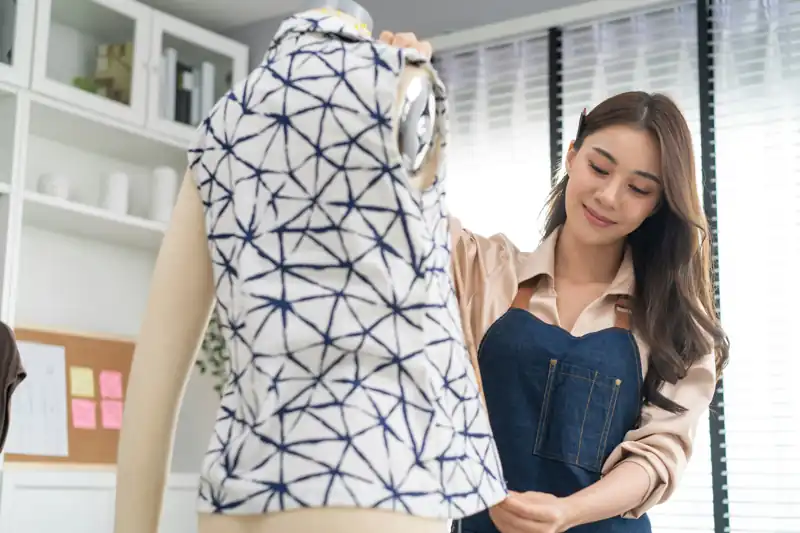
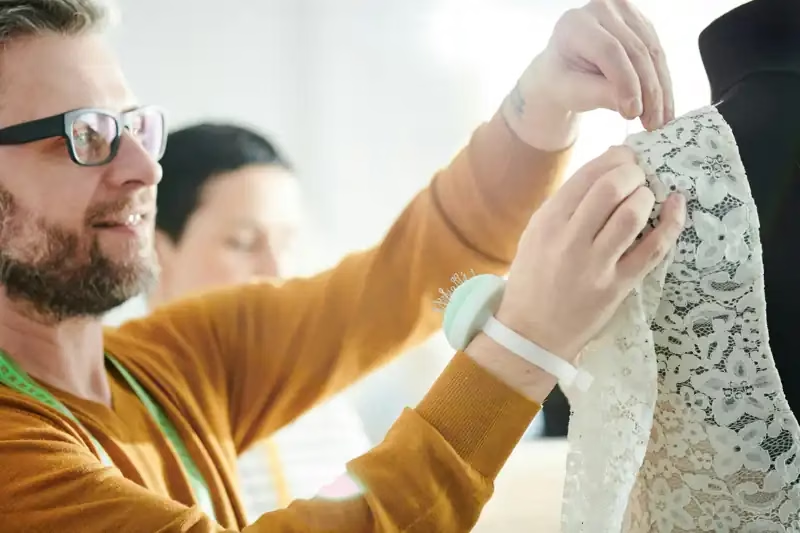
Traditional textile retail has long been grounded in tactile interaction, where customers assess fabrics through feel, drape, and color under natural light. However, the shift to online shopping disrupted this sensory-rich experience, creating gaps in personalization and product visualization.
As a response, retailers began introducing tools like 3D product viewers, augmented reality fitting rooms, and AI-driven recommendations. But VR pushes this evolution further by simulating entire environments—allowing customers to explore textures, drape behaviors, or full collections in a virtual yet lifelike space.
This immersive approach reintroduces sensory interaction—albeit digitally—redefining how consumers engage with textile products in the digital age.
What Is Virtual Reality in Textile Retail?
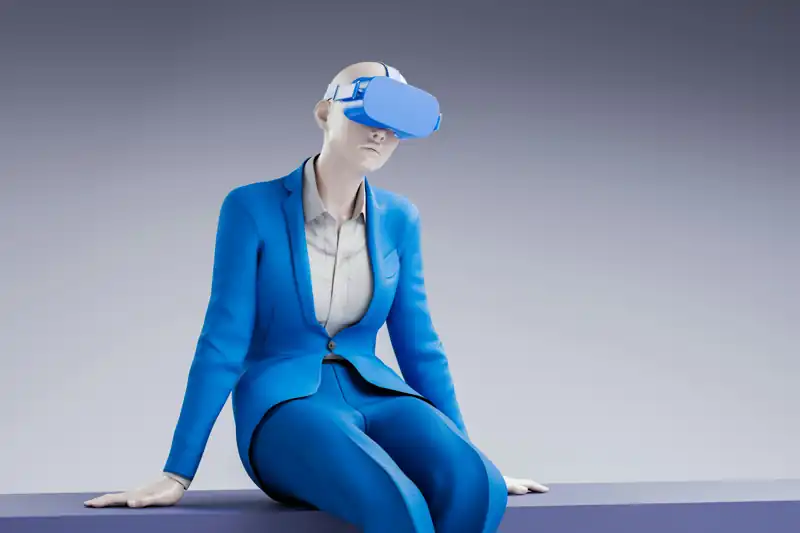
Virtual Reality refers to a computer-generated simulation of a three-dimensional environment that users can interact with using headsets, gloves, or other input devices. In textile retail, VR creates fully immersive shopping spaces where customers can:
- View fabric rolls, swatches, or garments in 360°
- Attend virtual fashion shows or textile expos
- Customize clothing items in real-time
- Visit digital replicas of physical showrooms
- Interact with virtual stylists or design assistants
VR differs from Augmented Reality (AR), which overlays digital elements on the real world. In contrast, VR transports users into an entirely new environment.
Key Technologies Behind VR in Retail
| Technology | Description | Application in Textile Retail |
|---|---|---|
| VR Headsets | Oculus Quest, HTC Vive, Apple Vision Pro | Immersive product viewing |
| 3D Scanning | Photogrammetry, LiDAR | Creating digital twins of garments |
| Haptic Feedback | Glove or vest-based systems | Simulated touch for fabric textures |
| Spatial Audio | Surround sound based on user movement | Enhancing realism of virtual showrooms |
| AI Integration | Chatbots, style assistants | Personalized recommendations |
Virtual Reality Use Cases in Textile Retail
1. Virtual Showrooms
Retailers and fabric wholesalers are using VR to create interactive showrooms that mimic physical stores or trade booths. Customers can browse collections, zoom in on textures, and even watch videos embedded into product displays.
2. Virtual Fitting Rooms
Using body scanning and motion capture, customers can try on clothing virtually, observe drape and fit, and change color or size instantly. This improves confidence and reduces returns.
3. Textile Customization and Co-Creation
VR platforms allow users to:
- Change textile prints in real-time
- Mix and match fabrics on avatars
- Simulate dye effects or embroidery
Brands can use this for made-to-order business models, minimizing inventory and waste.
4. Virtual Fashion Shows and Product Launches
During global lockdowns, brands adopted VR runway shows to debut collections. These immersive events allow global participation without environmental costs.
5. In-Store VR Experiences
Retailers integrate VR pods within flagship stores, offering guided digital tours, educational content, or behind-the-scenes stories about material sourcing.
Benefits of VR in the Textile Retail Landscape
A. Enhanced Customer Engagement
VR captures attention longer than traditional web interfaces, increasing conversion rates and emotional connection with the brand.
B. Reduced Returns
By offering accurate sizing and fit simulations, VR tools help customers make better purchasing decisions.
C. Cost Savings on Samples and Inventory
Brands can preview designs in VR without producing physical samples—ideal for B2B textile buyers.
D. Accessibility and Global Reach
Virtual stores operate 24/7 and reach customers in remote regions, expanding brand accessibility.
E. Sustainability Gains
By reducing travel, sample production, and unsold stock, VR supports sustainable retail models.
| Benefit | Traditional Retail | With VR |
|---|---|---|
| Customer Try-On | Physical garments only | Digital avatars and try-ons |
| Sampling Costs | High (fabrics, logistics) | Reduced with 3D visualization |
| Accessibility | Limited by geography | Global and inclusive |
Challenges in Implementing VR
Despite the promise, VR integration in textile retail faces obstacles:
- High Initial Investment: Costs for 3D content creation, headsets, and software
- Technical Skills: Need for 3D artists, developers, and IT teams
- Consumer Hardware Limitations: Not all customers own VR headsets
- Data Bandwidth Requirements: VR experiences need high-speed internet and optimized platforms
- Digital Literacy Barriers: Older customers may find VR interfaces intimidating
Solutions include VR-as-a-Service platforms, mobile-based VR lite apps, and omnichannel integrations to reduce friction.
Real-World Examples and Case Studies
Ralph Lauren x Snapchat
Launched an AR/VR try-on experience using Bitmoji avatars and digital garments, leading to increased brand interaction among Gen Z consumers.
The Fabricant
A digital-only fashion house that creates virtual garments used in gaming, social media, and VR experiences.
Hugo Boss
Piloted a VR showroom for wholesale buyers to preview collections and place orders remotely.
Levi’s
Tested VR-powered denim customization booths in select markets to let customers see washes, fits, and alterations in real time.
Integration with E-Commerce and Brick-and-Mortar
Online Platforms
- Integrate VR with Shopify, WooCommerce, or Magento for immersive browsing
- Add VR widgets into product pages for 360° viewing
In-Store Experiences
- Use VR mirrors or pods for immersive storytelling
- Combine with RFID to show product details when items are picked up
Mobile and Social Media Extensions
- Offer cardboard-compatible VR previews
- Use VR try-ons for Instagram Stories or TikTok filters
This hybrid strategy ensures that VR enhances—not replaces—existing retail touchpoints.
Economic and Market Implications
The global VR market in retail is projected to exceed $20 billion by 2027, with fashion and textiles accounting for a growing share.
| Year | VR in Retail Market (USD) |
|---|---|
| 2022 | $5.2 billion |
| 2025 | $13.6 billion |
| 2027 | $20.1 billion (forecast) |
Driving forces include:
- Rising demand for personalization
- Growth in Gen Z and millennial purchasing power
- Sustainability mandates in fashion logistics
Future Trends in VR and Textile Retail
- AI-generated fashion assistants in VR stores
- Textile behavior simulation engines for accurate drape, stretch, and opacity modeling
- NFT-linked virtual apparel for metaverse dressing
- Multi-sensory VR (smell, haptics) to replicate real fabric feel
- Zero-inventory retail models using digital twins of physical products
Summary
Virtual Reality is not just a novelty—it’s a transformative tool for textile retailers looking to stay ahead of the curve. By enhancing customer experience, improving operational efficiency, and enabling sustainable innovation, VR is changing how textiles are marketed, customized, and sold.
As adoption barriers lower and content becomes richer, brands that invest in immersive, user-centric VR experiences will shape the next generation of textile commerce and customer connection.
Citations:
- Retail Innovation Hub – VR Trends in Retail: https://www.retailinnovationhub.com
- McKinsey & Co. – The State of Fashion Technology Report: https://www.mckinsey.com/industries/retail/our-insights/the-state-of-fashion-technology
- VRARA (Virtual Reality Augmented Reality Association): https://www.thevrara.com