

The textile industry has continuously evolved, driven by innovations in machinery that have reshaped production processes and product quality. Among these innovations, rapier looms stand out as a critical technology that has bridged the gap between traditional and modern weaving methods. This article delves into the history, technological evolution, and applications of rapier looms. We explore their mechanisms, advantages, challenges, and the future potential of this dynamic weaving technology. Through a blend of engaging narrative, technical analysis, diagrams, tables, and real-world examples, this comprehensive guide provides valuable insights for textile professionals, engineers, and enthusiasts alike.
1. Introduction: The Transformative Role of Rapier Looms
Textile production has witnessed dramatic changes from the age-old handlooms to highly sophisticated, computer-controlled machinery. Rapier looms represent one of the most significant innovations in this journey. Unlike shuttle looms that rely on a moving shuttle to insert weft yarns, rapier looms use one or more rapiers—mechanical arms that carry the weft yarn across the warp shed. This method not only increases the production speed but also enhances the versatility and quality of the woven fabric.
The rapier loom’s design offers several advantages. It enables high-speed production with smooth, consistent fabric quality while minimizing mechanical wear and maintenance requirements. Furthermore, modern rapier looms incorporate digital control systems and automation, which significantly improve energy efficiency and operational reliability. In today’s competitive textile market, these features are invaluable, helping mills meet growing demands and stringent quality standards.
Imagine a modern textile mill where sophisticated rapier looms operate in harmony with digital monitoring systems. Each rapier moves with precision, guided by advanced software that optimizes the weft insertion process. This transformation from traditional shuttle mechanisms to high-tech rapier systems symbolizes the evolution of textile production—where innovation and efficiency converge to produce superior fabrics.
This article will explore the comprehensive technical aspects of rapier looms, from their historical origins to the latest innovations, production processes, and market implications. By integrating storytelling with technical insights, we aim to provide a resource that is both informative and inspiring for anyone involved in the textile industry.
2. Historical Perspectives: From Early Weaving to Rapier Looms
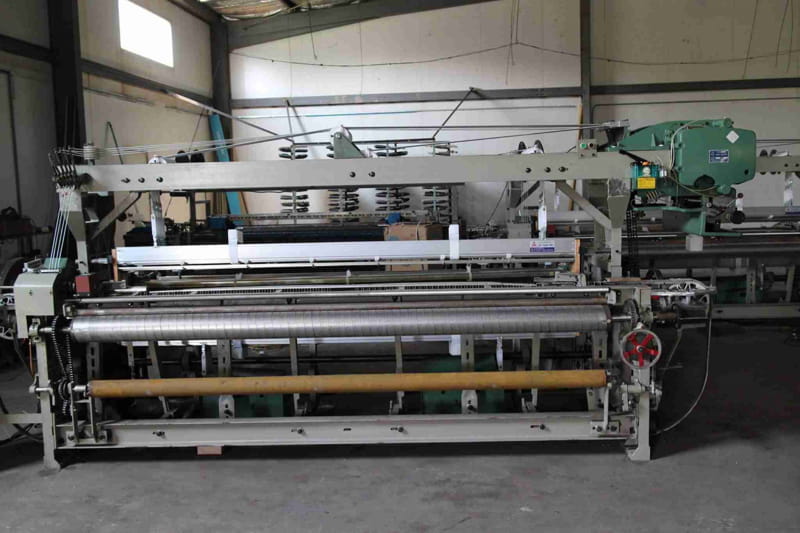
The journey toward rapier looms spans centuries of innovation in weaving technology. Early textile production relied on handlooms and simple mechanical devices that gradually evolved into more complex systems. Understanding the historical context of rapier looms provides valuable insights into their design and functionality.
2.1 The Era of Handlooms and Shuttle Looms
In ancient times, weaving was a manual process performed on handlooms. Artisans used simple tools to spin and weave natural fibers, creating fabrics that served as clothing, shelter, and cultural artifacts. As civilizations grew, the demand for textiles increased, prompting the development of mechanized looms. Shuttle looms emerged as the dominant technology during the early stages of industrialization. These looms used a shuttle to carry the weft yarn back and forth through the warp, producing fabrics with intricate patterns and textures.
While shuttle looms revolutionized textile production, they had inherent limitations. The mechanical shuttle was prone to wear and tear, and the repetitive motion could cause significant maintenance issues. Despite these challenges, shuttle looms remained popular for centuries due to their ability to produce detailed, high-quality fabrics that carried cultural and artistic significance.
2.2 The Birth of Rapier Looms
The quest for higher productivity and lower maintenance led to the development of alternative weaving methods. In the mid-20th century, textile engineers began exploring the use of rapiers—mechanical arms designed to insert weft yarns without the drawbacks of the traditional shuttle. The introduction of the rapier loom marked a pivotal moment in textile machinery evolution.
Early rapier looms were designed to improve the efficiency of weft insertion by replacing the shuttle with a rapier that could move swiftly across the warp shed. Over time, these looms were refined to handle a variety of yarn types and fabric structures, ultimately delivering smoother, faster, and more energy-efficient operation. Historical research shows that mills transitioning to rapier technology experienced notable improvements in production speed and fabric uniformity.
2.3 Economic and Cultural Impacts
The shift from shuttle looms to rapier looms was not merely a technological upgrade—it had significant economic and cultural implications. Textile mills that adopted rapier looms were able to increase output while reducing downtime and maintenance costs. This, in turn, improved profit margins and contributed to the global expansion of the textile industry.
Culturally, the evolution of weaving machinery reflects broader shifts in industrial practices and labor. While traditional shuttle looms represented a craft rooted in artisanal skills, rapier looms symbolized the transition to mass production and digital automation. Despite the loss of some traditional methods, the modern rapier loom embodies the spirit of innovation and progress that has driven the textile industry for centuries.
3. Technological Evolution: Mechanisms and Energy Efficiency of Rapier Looms
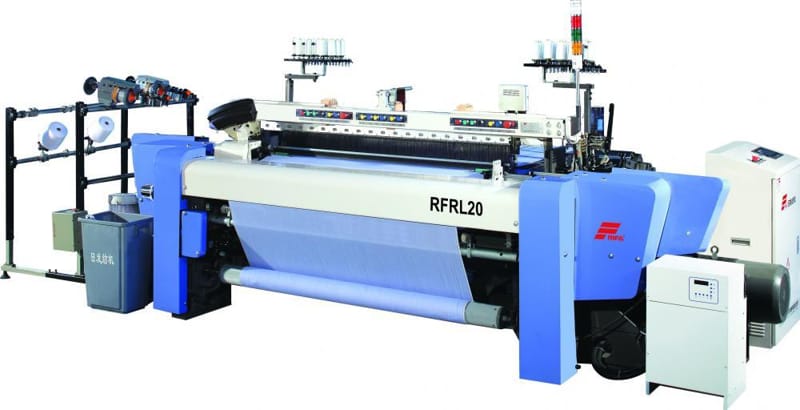
The technological evolution of rapier looms is a testament to human ingenuity and the relentless pursuit of efficiency. This section delves into the mechanisms that drive rapier looms, their energy efficiency, and the digital innovations that have revolutionized modern weaving.
3.1 Core Mechanisms of Rapier Looms
At the heart of a rapier loom is a mechanical system that uses one or more rapiers to insert the weft yarn across the warp shed. Unlike shuttle looms, which rely on a reciprocating shuttle that can cause wear and noise, rapier looms employ a more refined method:
- Rapier Movement: Rapiers, typically made from lightweight yet durable materials, extend across the shed to carry the weft yarn. Some looms use a single rapier, while others use dual or multi-rapier configurations for added flexibility and speed.
- Weft Insertion: The rapier moves in a controlled, often computer-guided motion. As it extends, it picks up the weft yarn and carries it across the warp shed. Once the yarn is in place, the rapier retracts, and a beater packs the yarn into the fabric structure.
- Synchronization: Digital control systems precisely synchronize the rapier’s movement with the opening of the warp shed and the beat-up process, ensuring smooth, consistent fabric formation.
This mechanism minimizes mechanical friction and reduces the wear on moving parts, contributing to the longevity of the machine and enhanced fabric quality.
3.2 Energy Efficiency Advantages
Energy efficiency is one of the most significant benefits of rapier looms. Compared to traditional shuttle looms, rapier looms consume less energy for several reasons:
- Reduced Friction: The absence of a heavy, reciprocating shuttle decreases mechanical friction, lowering energy consumption.
- Optimized Motion: Digital control systems optimize the speed and acceleration of the rapier, ensuring that only the necessary amount of energy is used for each weft insertion.
- Maintenance Savings: Lower wear and tear mean fewer interruptions for maintenance, which translates into more efficient energy usage over time.
For instance, studies have shown that mills using rapier looms can achieve up to a 25–30% reduction in energy consumption compared to mills relying on shuttle looms. This energy efficiency contributes to lower production costs and a reduced environmental footprint.
Formula Example:
The energy efficiency of a rapier loom can be estimated by comparing the energy used per unit of fabric produced. If
is the energy consumption of a shuttle loom and
that of a rapier loom, then the efficiency gain (EG) is given by:
Example: If a shuttle loom uses 100 kWh to produce a certain amount of fabric and a rapier loom uses 70 kWh, then:
3.3 Digital Innovations and Automation
The integration of digital technologies has further enhanced the capabilities of rapier looms. Modern looms are equipped with IoT sensors that monitor critical parameters such as yarn tension, machine speed, and energy consumption. These sensors feed data into centralized MES platforms that analyze performance in real time and adjust machine settings automatically.
Key digital innovations include:
- Digital Control Systems: Allow for precise adjustments and synchronization of the rapier movement with other machine operations.
- IoT Integration: Provides continuous monitoring and data collection, enabling predictive maintenance and performance optimization.
- Automation: Robotic arms and automated sensors reduce the need for manual intervention, increasing both speed and accuracy.
- Real-Time Analytics: Advanced algorithms analyze production data, offering insights that drive continuous improvement and energy optimization.

These technological advancements not only enhance energy efficiency but also contribute to higher production rates and improved fabric quality, positioning rapier looms as a key driver of modern textile manufacturing.
4. Source and Availability: Global Market for Rapier Looms
The global market for rapier looms is robust, with leading manufacturers and suppliers offering a diverse range of models to meet various production needs. Textile mills across Asia, Europe, and North America have adopted rapier loom technology to boost efficiency and quality.
4.1 Leading Manufacturers and Suppliers
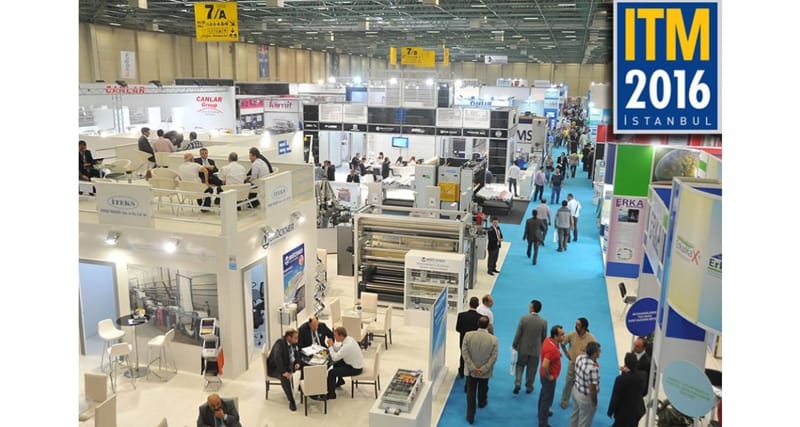
Prominent companies specializing in textile machinery manufacture state-of-the-art rapier looms known for their speed, reliability, and energy efficiency. These manufacturers invest heavily in R&D to continuously improve their designs and incorporate the latest digital innovations. Their products are widely showcased at international trade shows like ITMA, where textile mills can evaluate the latest trends and technological advancements.
Manufacturers have the option to select rapier looms based on production capacity, fabric type, and specific operational requirements. For instance, some models are optimized for high-speed production of lightweight fabrics, while others are tailored for complex designs requiring precise control. This diversity ensures that textile mills of all sizes can find a solution that fits their needs.
4.2 Global Distribution and Support Networks
The distribution of rapier looms is supported by a well-established global network of dealers, agents, and online platforms. These channels provide comprehensive support services, including installation, training, and after-sales maintenance. Mills can access technical documentation, user manuals, and training resources that facilitate smooth integration of rapier looms into existing production lines.
Long-term partnerships with suppliers are common, ensuring that textile mills receive regular updates, technical support, and access to spare parts. These relationships are vital for maintaining the performance and longevity of the machines, and they help mills stay competitive in a rapidly evolving market.
4.3 Access to Information and Training
The successful implementation of rapier looms relies on proper training and knowledge dissemination. Many suppliers offer comprehensive training programs, online courses, and workshops that cover everything from machine operation and digital controls to maintenance and troubleshooting. Educational platforms such as TextileSchool.com provide valuable resources and case studies that help mills optimize their production processes and improve overall efficiency.
The availability of global MES solutions and technical support ensures that textile mills can adopt rapier loom technology with confidence. With the right training and support, mills are well-equipped to leverage the benefits of this advanced weaving technology.
5. Innovations in Rapier Loom Technology
Innovation is the lifeblood of the textile industry, and rapier looms have evolved through continuous advancements that enhance performance, energy efficiency, and versatility.
5.1 Multi-Rapier and Twin-Rapier Systems
One of the most notable innovations in rapier loom technology is the development of multi-rapier and twin-rapier systems. These configurations use two or more rapiers to insert the weft yarn simultaneously or in a coordinated manner, allowing for faster production and improved pattern versatility. Twin-rapier systems, for instance, enable a smoother and more even weft insertion, which is particularly beneficial for producing fine, high-quality fabrics.
5.2 Advanced Control and Automation
Modern rapier looms are equipped with advanced digital control systems that ensure precise synchronization of machine operations. Innovations in automation have led to the development of self-adjusting nozzles, variable pressure systems, and real-time monitoring tools. These features not only enhance production speed but also reduce energy consumption and minimize maintenance requirements.
Predictive maintenance capabilities, powered by AI and IoT, further contribute to operational efficiency. By analyzing machine data in real time, these systems predict potential failures and optimize maintenance schedules, ensuring that production runs are not interrupted by unexpected downtime.
5.3 Energy Optimization and Sustainability
The push toward sustainability has driven innovations in energy optimization for rapier looms. New compressor technologies, improved air flow designs, and energy recovery systems have been integrated into modern looms to reduce power consumption. For example, variable frequency drives (VFDs) adjust compressor speed based on real-time demand, ensuring that only the necessary amount of energy is used for weft insertion.
Green engineering principles are also being applied to reduce the environmental impact of rapier looms. Innovations in low-emission components and sustainable materials help textile mills achieve significant energy savings and lower their carbon footprint.
5.4 Integration with MES and Digital Twins
As discussed earlier, the integration of MES systems and digital twin technology has revolutionized textile production. In rapier looms, these digital tools enable precise control, performance monitoring, and proactive maintenance. Digital twins simulate the operation of rapier looms under various conditions, allowing manufacturers to optimize machine settings and predict potential issues before they occur. This integration results in higher production efficiency and enhanced machine longevity.

Innovations in rapier loom technology continue to push the boundaries of efficiency, quality, and sustainability, ensuring that textile mills remain competitive in a rapidly changing global market.
6. Production Process: How Rapier Looms Operate in Textile Mills
The production process using rapier looms is a blend of advanced technology and traditional weaving principles. This section outlines the step-by-step process, highlighting the operational mechanisms, digital controls, and quality benefits of using rapier looms in textile production.
6.1 Machine Setup and Calibration
Before production begins, rapier looms must be precisely set up and calibrated. The process includes:
- Warp Setup: Warp yarns are meticulously arranged on the loom and tensioned uniformly. Digital sensors verify the correct tension levels to ensure smooth operation.
- Rapier Calibration: The rapiers are calibrated to ensure that the weft yarn is picked up and inserted at the correct speed and pressure. Calibration involves adjusting air pressure, rapier speed, and nozzle alignment.
- Digital Interface Configuration: Operators configure the MES system with production parameters, such as fabric type, desired density, and quality standards. This setup ensures that the loom operates at optimal performance throughout the production run.
6.2 In-Production Operation
Once set up, the rapier loom operates continuously, guided by digital controls and real-time monitoring:
- Weft Insertion: The rapier extends across the warp shed, picks up the weft yarn, and inserts it with a precisely timed burst of compressed air. Digital systems coordinate the timing with the opening of the shed and the beat-up action.
- Beat-Up and Fabric Formation: After the weft is inserted, the beater pushes the yarn into place, creating a tight, uniform fabric. Advanced sensors monitor the consistency of the beat-up, ensuring that the fabric density meets quality specifications.
- Real-Time Data Monitoring: IoT sensors and digital dashboards track production metrics such as speed, energy consumption, and fabric quality. This real-time monitoring enables operators to make adjustments on the fly, ensuring optimal performance and minimal waste.
6.3 Post-Production Analysis
After the production run, detailed analysis of the performance data is conducted:
- Performance Metrics: Data on production speed, machine efficiency, and energy consumption is compiled and analyzed.
- Maintenance Insights: Predictive maintenance tools assess the wear on machine components, informing future maintenance schedules.
- Continuous Improvement: The data is used to refine production parameters, adjust maintenance practices, and drive overall process improvements.
Table: Key Stages in Rapier Loom Production Process
| Stage | Process Description | Key Benefits |
|---|---|---|
| Machine Setup | Warp arrangement, rapier calibration, digital configuration | Optimized performance, minimal setup errors |
| In-Production | Weft insertion via compressed air, beat-up, real-time monitoring | High production speed, consistent fabric quality, energy savings |
| Post-Production | Data analysis, predictive maintenance, continuous improvement | Improved efficiency, proactive maintenance, quality enhancement |
The integration of advanced digital systems into the production process is key to maximizing the benefits of rapier loom technology. By ensuring precise control, real-time monitoring, and continuous feedback, textile mills achieve higher efficiency and improved fabric quality, all while reducing operational costs.
7. Challenges in Implementing Rapier Loom Technology
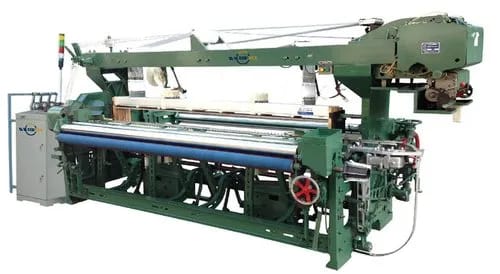
Despite the numerous advantages, the adoption of rapier looms comes with its own set of challenges. Understanding these obstacles is crucial for textile manufacturers as they transition to or upgrade their weaving technology.
7.1 High Capital Investment
One of the primary challenges is the high initial cost of acquiring advanced rapier looms. Modern systems incorporate sophisticated digital controls, precision pneumatic components, and integration with MES platforms, all of which require substantial financial investment. For smaller textile mills, the upfront cost can be a barrier to adoption, even though the long-term savings in energy and maintenance may justify the expense.
7.2 Integration with Legacy Systems
Many textile mills still operate older machinery alongside modern equipment. Integrating rapier looms into existing production lines can be challenging due to compatibility issues with legacy systems. Upgrading or retrofitting older looms to work with digital control systems often requires custom engineering solutions, which can further increase costs and complexity.
7.3 Technical Expertise and Workforce Training
Operating and maintaining advanced rapier looms demands specialized technical skills. Manufacturers must invest in training programs to ensure that operators and maintenance teams are proficient in using digital interfaces, troubleshooting complex systems, and performing predictive maintenance. The learning curve can be steep, and resistance to change among experienced workers may slow down the adoption process.
7.4 Maintenance and Reliability
While rapier looms offer improved efficiency and reduced wear compared to shuttle looms, they are not without maintenance challenges. The precision components and digital systems require regular calibration and technical support. Ensuring reliability in high-speed production environments demands robust maintenance strategies and ongoing technical upgrades.
Table: Challenges in Implementing Rapier Loom Technology
| Challenge | Impact on Production | Mitigation Strategy |
|---|---|---|
| High Capital Investment | Financial strain, slower adoption by SMEs | Phased implementation, financing options, ROI analysis |
| Integration with Legacy Systems | Compatibility issues, potential production disruptions | Custom retrofitting, gradual system integration, expert consultation |
| Technical Expertise and Training | Steep learning curve, resistance to change | Comprehensive training programs, technical support, continuous education |
| Maintenance and Reliability | Increased maintenance costs, risk of downtime | Preventive maintenance schedules, digital diagnostics, regular upgrades |
Addressing these challenges requires a balanced approach that considers both immediate costs and long-term benefits. Strategic investments in training, infrastructure, and support services are essential for maximizing the advantages of rapier loom technology.
8. Real-World Applications and Case Studies
Real-world case studies provide valuable insights into the successful implementation of rapier loom technology. These examples demonstrate how textile mills across the globe have leveraged the benefits of rapier looms to enhance production efficiency, improve fabric quality, and achieve significant energy savings.
8.1 Case Study: High-Speed Production in a Leading Asian Mill
A prominent textile mill in China transitioned from older shuttle looms to modern air-jet and rapier looms to meet the demands of high-volume production. By integrating advanced digital control systems and IoT sensors, the mill increased production speed by 50% and reduced energy consumption by 30%. The digital system provided real-time monitoring and predictive maintenance, which significantly minimized downtime. This successful transition enabled the mill to secure large international contracts and bolster its competitive edge in the global market.
8.2 Case Study: Quality and Energy Efficiency in a European Facility
A European textile manufacturer focused on sustainable production upgraded its weaving technology by adopting rapier looms. The facility experienced a notable improvement in fabric consistency and quality. Enhanced energy efficiency was achieved through optimized air-jet mechanisms and advanced digital monitoring, resulting in a 25% reduction in energy costs. The integration of these technologies allowed the facility to meet rigorous environmental standards while delivering high-quality fabrics to premium markets.
8.3 Case Study: Hybrid Weaving Strategies in a Multinational Operation
A multinational textile conglomerate operating mills in multiple regions implemented a hybrid weaving strategy, combining both rapier and shuttle looms. For intricate, high-quality fabrics, the company used rapier looms to capitalize on their superior control and energy efficiency. For high-speed, mass-produced textiles, shuttle looms were retained for their cost-effectiveness. This hybrid approach enabled the conglomerate to diversify its product offerings, optimize production based on specific market requirements, and achieve an overall equipment efficiency (OEE) improvement of 20%. The success of this strategy underscores the importance of flexibility and adaptability in modern textile production.
These case studies highlight the transformative impact of rapier loom technology. They illustrate how the integration of advanced digital controls, energy-efficient mechanisms, and flexible production strategies can drive significant improvements in productivity, quality, and sustainability.
9. End-Users and Stakeholders: Who Benefits from Rapier Loom Technology
The adoption of rapier loom technology affects a broad range of stakeholders across the textile industry. Each group experiences unique benefits that contribute to overall operational excellence and market competitiveness.
9.1 Textile Manufacturers and Mill Managers
For textile manufacturers and mill managers, rapier looms represent a significant opportunity to increase production speed, reduce energy costs, and enhance product quality. The advanced digital controls and predictive maintenance systems embedded in rapier looms enable managers to optimize machine performance and minimize downtime. This leads to higher production yields and a more efficient operation overall.
9.2 Maintenance and Technical Teams
Maintenance teams benefit from the robust design and digital diagnostic tools found in modern rapier looms. These systems simplify troubleshooting and allow for proactive maintenance scheduling. With fewer mechanical components subject to wear, maintenance teams experience reduced repair demands and improved machine uptime, contributing to lower operational costs and a safer work environment.
9.3 Designers and Product Developers
Designers and product developers appreciate the versatility of rapier looms, which can produce a wide range of fabric types with consistent quality. The precision and control offered by rapier looms allow for the creation of intricate patterns and textures, supporting innovation and differentiation in textile design. This technology enables the rapid prototyping of new fabrics, accelerating the product development cycle.
9.4 Global Buyers and Consumers
Global buyers and end consumers benefit indirectly from the advancements in rapier loom technology. High-quality, consistent, and sustainable fabrics produced with rapier looms meet the stringent standards demanded by international markets. The reliability and efficiency of these looms build consumer trust and enhance the reputation of textile brands, contributing to long-term market success.
Table: Key Stakeholders and Benefits of Rapier Loom Technology
| Stakeholder | Role/Impact | Benefits |
|---|---|---|
| Manufacturers/Mill Managers | Oversee production, manage efficiency and quality | Increased productivity, reduced energy costs, improved product consistency |
| Maintenance Teams | Maintain and troubleshoot advanced machinery | Lower maintenance costs, extended equipment lifespan, proactive repairs |
| Designers/Product Developers | Create innovative fabrics with advanced technology | Versatile design capabilities, faster prototyping, enhanced aesthetic quality |
| Global Buyers/Consumers | Purchase high-quality, sustainable textiles | Consistent quality, ethical production, reliable supply chain |
The collective benefits to these stakeholders drive the continued evolution and adoption of rapier loom technology, ensuring that the textile industry remains competitive, innovative, and sustainable.
10. Market Trends, Economic Impact, and Global Dynamics
The textile industry is evolving rapidly, with technological innovation playing a key role in shaping market trends and economic outcomes. The adoption of rapier looms is a significant factor in this transformation, influencing production efficiency, cost management, and global competitiveness.
10.1 Market Trends
Recent market trends indicate a strong shift towards automation and digital integration in textile production. As global demand for high-quality, sustainable textiles grows, manufacturers are investing in advanced weaving technologies like rapier looms. The superior speed, energy efficiency, and versatility of rapier looms make them attractive for both large-scale production and specialty fabric manufacturing. Moreover, the rise of digital textile printing and smart manufacturing systems is driving further adoption of advanced weaving machinery.
10.2 Economic Impact
The economic benefits of implementing rapier looms are considerable. By reducing downtime, lowering maintenance costs, and enhancing fabric quality, rapier looms contribute directly to improved operational efficiency. Mills that invest in advanced technology typically experience higher throughput, lower energy consumption, and better return on investment (ROI). These economic advantages enable textile manufacturers to compete effectively in a global market and adapt to changing consumer demands.
10.3 Global Trade Dynamics
In today’s interconnected world, the ability to produce high-quality textiles efficiently is a major competitive advantage. Advanced rapier looms help manufacturers meet international quality standards and certifications, facilitating smoother global trade. Digital systems integrated with MES platforms ensure that production data is transparent and traceable, which is crucial for meeting the regulatory requirements of global buyers. As trade barriers continue to evolve, mills that adopt state-of-the-art weaving technology are better positioned to navigate complex international markets and secure long-term contracts.

The market dynamics and economic impacts of rapier loom technology underscore its importance in modern textile production. As the industry embraces digital transformation and sustainable practices, advanced weaving systems will continue to drive growth and enhance global competitiveness.
11. Future Trends and Emerging Opportunities in Rapier Loom Technology
The future of rapier loom technology is bright, with emerging trends promising to further enhance production efficiency, sustainability, and product quality. Ongoing research and development efforts are set to revolutionize how textile mills operate in an increasingly digital and environmentally conscious world.
11.1 Digital Integration and Smart Manufacturing
The next generation of rapier looms will be even more integrated with digital technologies. Advances in AI, machine learning, and IoT will enable real-time monitoring and optimization of every aspect of the weaving process. Digital twins—virtual models that simulate machine performance—will allow manufacturers to test and optimize settings without interrupting production. These advancements will drive significant improvements in both speed and quality, reducing energy consumption and lowering operational costs.
11.2 Sustainability and Energy Efficiency
Sustainability remains a key focus in the textile industry. Future rapier looms will feature enhanced energy efficiency through innovations in compressor technology, optimized air-jet mechanisms, and smart energy management systems. Manufacturers are expected to adopt renewable energy sources to further reduce the environmental impact of textile production. The integration of sustainable practices with advanced technology will help textile mills meet strict environmental regulations and cater to eco-conscious consumers.
11.3 Hybrid and Modular Weaving Systems
Emerging trends indicate a move towards hybrid weaving systems that combine the strengths of different technologies. Some mills may adopt modular rapier loom systems that allow for quick adjustments between different production modes, offering the flexibility to produce a variety of fabric types. These systems will enable manufacturers to balance high-speed production with the need for specialized, high-quality textiles. Modular designs also make it easier for small and medium-sized enterprises (SMEs) to upgrade gradually, reducing the financial burden of large-scale technological overhauls.
11.4 Global Standardization and Interoperability
As textile markets become increasingly interconnected, the need for global standardization of weaving technologies will grow. Future trends point toward more interoperable systems that seamlessly integrate with MES, ERP, and other digital platforms. This standardization will simplify the exchange of production data, facilitate international trade, and enhance overall supply chain transparency. Collaboration between industry associations, regulatory bodies, and technology providers will drive the development of universal standards that benefit the entire textile industry.
The future of rapier loom technology promises exciting opportunities for innovation and market expansion. As textile mills embrace these emerging trends, they will be well-positioned to meet the challenges of a rapidly evolving global market while driving operational excellence and sustainable growth.
12. Summary and Conclusion
Rapier looms have emerged as a pivotal technology in modern textile production, bridging traditional weaving techniques with contemporary digital innovations. This comprehensive article has provided an in-depth technical comparison and exploration of rapier loom advancements and applications.
We began by highlighting the transformative role of rapier looms, which use mechanical arms to insert weft yarns with precision, significantly enhancing production speed and energy efficiency. Historical perspectives traced the evolution from traditional shuttle looms to the development of rapier looms during the mid-20th century—a shift driven by the need for higher productivity and reduced maintenance.
The technological evolution section detailed the core mechanisms of rapier looms, emphasizing their energy efficiency and the integration of digital technologies such as IoT, AI, and digital twin systems. We explored global sources and availability, noting the role of leading manufacturers and suppliers in delivering state-of-the-art machines to textile mills around the world.
Innovations in rapier loom technology continue to drive improvements in machine performance, sustainability, and production quality. The production process was examined in detail, from setup and calibration through real-time monitoring and post-production analysis. We compared the operational workflows of shuttle and shuttleless systems, highlighting the specific advantages of rapier looms.
Challenges in implementing rapier loom technology, such as high capital investment, integration with legacy systems, technical expertise, and maintenance demands, were discussed alongside strategies to overcome them. Real-world case studies from textile mills in Asia, Europe, and North America demonstrated the tangible benefits of adopting rapier looms, including increased production speed, reduced energy consumption, and enhanced fabric quality.
The article also examined the impact on various stakeholders, from manufacturers and maintenance teams to designers, global buyers, and end consumers. Market trends, economic impacts, and global trade dynamics were analyzed, revealing that textile mills adopting advanced weaving technologies secure a competitive advantage in an increasingly digital and sustainable market.
Looking ahead, future trends in digital integration, energy efficiency, modular and hybrid systems, and global standardization promise to further transform the textile industry. By embracing these advancements, textile mills will not only enhance operational performance but also contribute to a more sustainable and resilient global textile sector.
In conclusion, rapier looms represent a significant leap forward in weaving technology, combining high-speed production with remarkable energy efficiency and quality. Their evolution from traditional shuttle-based systems to digitally integrated, modern machines illustrates the industry’s commitment to continuous innovation. As textile mills adapt to global market demands and embrace future technologies, rapier looms will remain at the forefront of textile production, driving efficiency, sustainability, and competitive success.


The combination of higher productivity, improved fabric quality, and greater sustainability makes rapier looms an important innovation for the future of the textile industry.