This in-depth article explores the journey of seaweed from ocean farms to sustainable fashion collections. Learn how seaweed-based fabrics are produced, the technology behind them, their benefits and challenges, and why they’re becoming essential to the future of ethical textiles.
Introduction
Imagine wearing a fabric harvested from the ocean—soft to the touch, antibacterial by nature, and biodegradable. In the quest for sustainable alternatives to traditional textiles, seaweed-based fabrics have emerged as a groundbreaking solution. These innovative materials are transforming sea plants into wearable, breathable, and eco-friendly garments that promise to reshape the textile industry’s future.
Seaweed, a fast-growing and abundant marine resource, is proving to be more than just a superfood. As consumers demand ethical, low-impact alternatives to cotton and synthetics, fabric made from seaweed is entering the mainstream, offering benefits that range from environmental to health-oriented. This is the story of how seaweed made its way from ocean floors to fashion runways.
A Brief History: The Rise of Marine Biomaterials
Historically, seaweed was used in cosmetics, food, and fertilizers. The idea of converting it into fabric, however, is a relatively recent innovation. Early experiments began in the early 2000s, driven by advancements in biopolymer science and a growing interest in marine-based solutions for sustainable living.
The development of SeaCell™, a patented fiber made by blending dried seaweed with cellulose (often from eucalyptus), marked a milestone. Produced by smartfiber AG, SeaCell paved the way for designers and researchers to explore marine-based textiles with practical applications. Over time, other variants followed, combining seaweed with various bio-based polymers to produce a wide range of textiles.
Technological Evolution of Seaweed Textiles
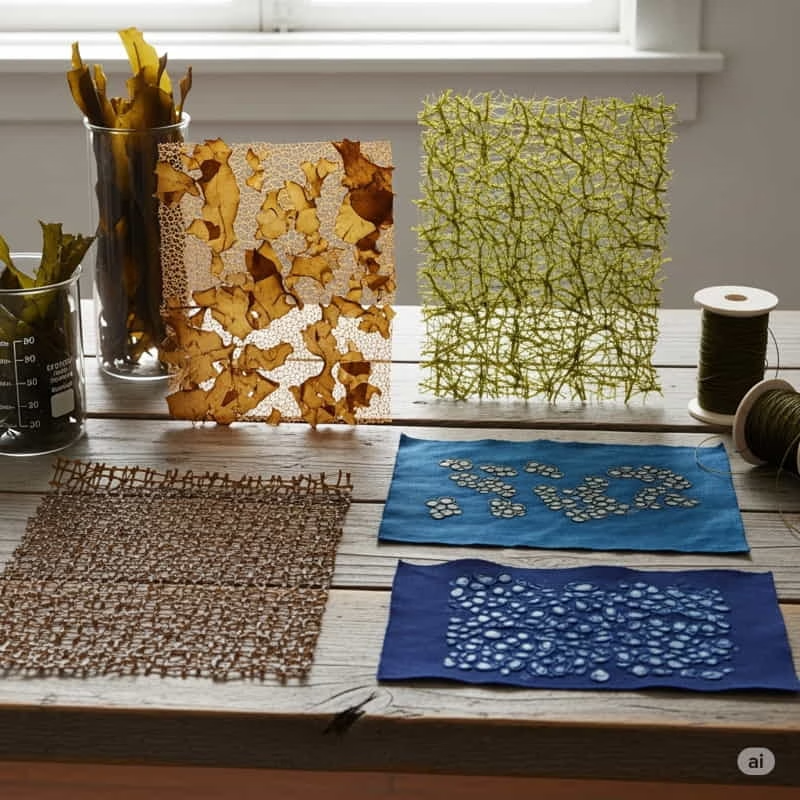
The transformation of seaweed into fabric involves cutting-edge biotechnology and clean processing techniques. Unlike synthetic fibers, which rely on petrochemicals, seaweed-based textiles use renewable feedstocks and often require less water, energy, and chemicals.
Key advancements include:
- Lyocell-Spinning Techniques: Closed-loop processes that dissolve cellulose and seaweed blends without harmful solvents
- Nanofiber Engineering: Producing ultra-thin, breathable fibers for sportswear and medical fabrics
- Bio-functional Textiles: Embedding seaweed-derived nutrients (like vitamins and antioxidants) in the fabric
These innovations have improved the durability, comfort, and scalability of seaweed fabrics, making them viable for mainstream use.
The Seaweed-to-Fiber Production Process
Creating seaweed-based fabric involves several sustainable and science-driven steps:
| Step | Description |
|---|---|
| 1 | Harvesting: Sustainably collected from coastal marine farms (typically brown algae like Ascophyllum nodosum) |
| 2 | Drying & Grinding: Seaweed is washed, dried, and milled into powder form |
| 3 | Blending with Cellulose: Powder is mixed with natural cellulose pulp from trees or plants |
| 4 | Fiber Extrusion: The blend is dissolved and extruded through spinnerets into fine filaments |
| 5 | Fiber Solidification: The fibers are coagulated in a non-toxic solution and washed |
| 6 | Fabric Weaving or Knitting: Final yarns are woven or knitted into textile forms |
Innovations Driving Adoption
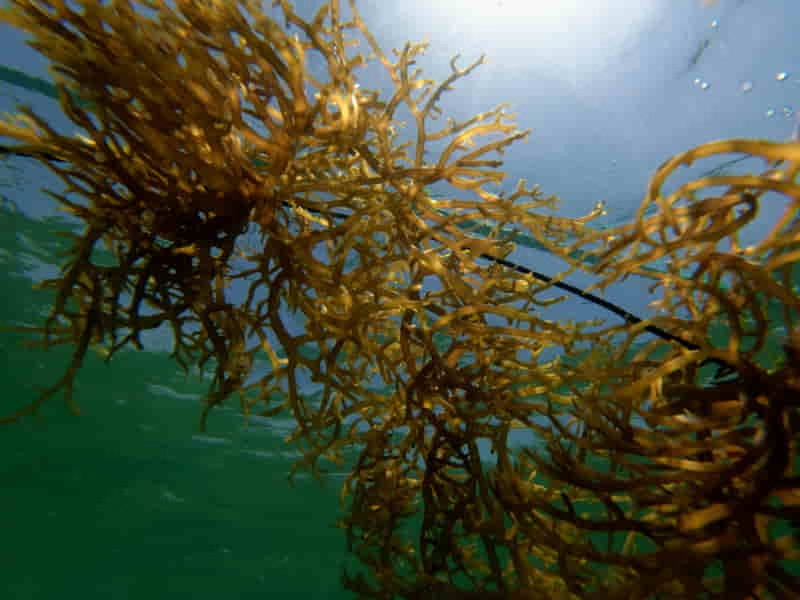
Several cutting-edge developments are making seaweed textiles more attractive:
- Bioactivity Retention: Nutrients like magnesium and vitamin E survive the fiber-making process, offering skin-soothing properties
- Smart Textiles: Integration with conductive threads for wearable health monitoring
- Blended Textures: Combining seaweed fibers with organic cotton or hemp for enhanced strength and softness
- Minimal Processing Waste: Closed-loop and low-emission production systems
These features place seaweed textiles at the intersection of fashion, wellness, and technology.
Types and Varieties of Seaweed-Based Fabrics
Not all seaweed textiles are created equal. The industry has seen the emergence of several fabric types:
- SeaCell™ Pure: Basic seaweed-cellulose blend
- SeaCell™ Active: Enriched with silver for antibacterial properties
- Algae Biopolymers: Fully seaweed-based plastics used in non-woven textiles
- Blended Yarns: Seaweed combined with bamboo, hemp, or silk for tailored characteristics
Each variety serves specific market needs—from intimate wear to home textiles and medical garments.
Real-World Applications and Industry Use Cases
Seaweed fabrics are being used in a variety of industries:
- Fashion: Eco-conscious brands use SeaCell for sustainable basics and high-end collections
- Athleisure: Anti-odor and breathable fabrics ideal for yoga, gym, and performance wear
- Medical Textiles: Antibacterial properties support wound care and hygiene
- Bedding and Loungewear: Skin-friendly properties enhance comfort and wellness
Brands like Patagonia and Lululemon have tested algae-derived fabrics in select lines, while startups are creating entire collections centered on seaweed.
End-Users and Market Demand
Seaweed textiles appeal to:
- Eco-Conscious Consumers: Seeking low-impact, biodegradable clothing
- Luxury Brands: Interested in high-performance, skin-enhancing materials
- Wellness Enthusiasts: Drawn to the fabric’s antioxidant properties
- Medical and Personal Care: Hospitals and wellness centers exploring sustainable alternatives
The global bio-based textile market is projected to grow rapidly, with algae-based products gaining significant attention.
Environmental Benefits and Sustainability Impact
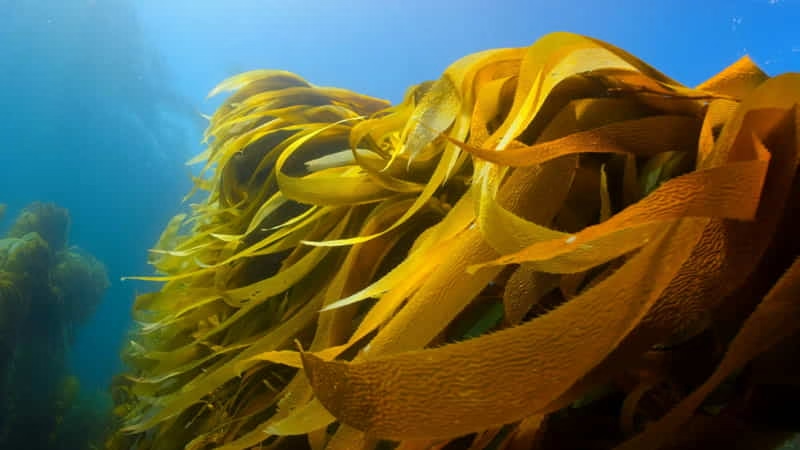
The environmental profile of seaweed fabrics is highly favorable:
- Carbon Negative Crop: Seaweed absorbs CO2 while growing
- No Land Use: Cultivated offshore, preserving arable land
- No Fertilizers or Pesticides: Seaweed grows naturally without inputs
- Biodegradability: Fully decomposes without harming ecosystems
- Water Efficiency: Requires no irrigation
Compared to cotton and synthetic fibers, seaweed has a much lower ecological footprint.
Challenges in Scaling and Adoption
Despite its benefits, seaweed textiles face several challenges:
- Limited Global Supply: Most seaweed farming is focused on food or cosmetics
- High Production Costs: Biopolymer extraction and fiber conversion remain capital-intensive
- Regulatory Hurdles: New materials must pass safety and performance tests
- Consumer Awareness: Many people are unaware of marine-based fabric options
Addressing these issues requires investment in farming infrastructure, R&D, and consumer education.
Policy and Certification Considerations
Certifications and regulations play a role in building trust:
- OEKO-TEX®: Ensures harmful substance-free fabric
- Cradle to Cradle Certified™: Evaluates lifecycle sustainability
- Global Organic Textile Standard (GOTS): Applied when seaweed is blended with certified organic fibers
- MSC (Marine Stewardship Council): Encourages responsible marine harvesting practices
As governments support blue economy initiatives, policy alignment will further legitimize seaweed-based textiles.
The Future of Seaweed-Based Textiles
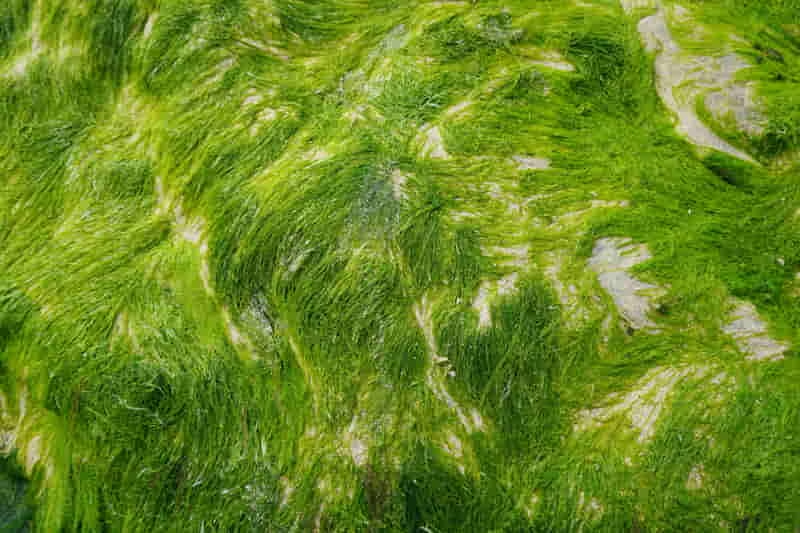
Looking forward, several trends will shape this niche:
- 3D Printed Algae Fabrics: Additive manufacturing with biopolymers
- Algae Leather: Plant-based leather alternatives using kelp and spirulina
- Multi-Functional Textiles: Combining thermal regulation, skincare, and antimicrobial performance
- Integrated Seaweed Farming: Farming seaweed alongside shellfish to enhance ocean ecosystems
These developments point toward a new era of textiles that serve both people and the planet.
Summary
Seaweed-based fabrics represent one of the most promising frontiers in sustainable textiles. With their skin-friendly properties, low-impact lifecycle, and rising versatility, they are poised to make waves in fashion, wellness, and industrial applications.
As marine biomaterials mature, seaweed textiles may become a staple in conscious wardrobes worldwide, offering a blueprint for how innovation and ecology can thrive together.
Citations:
- SeaCell Fiber Technology: https://www.seacell.com/en/
- Journal of Cleaner Production: Seaweed-Based Textiles Overview: https://www.sciencedirect.com/science/article/pii/S095965262100456X
- Ellen MacArthur Foundation: Biobased Materials in Fashion: https://ellenmacarthurfoundation.org/biomaterials-in-fashion