Introduction
Underwear is more than just a basic necessity. It is an essential part of our daily lives. It provides comfort, support, and hygiene. The world of underwear is vast and varied. It includes many styles, materials, and designs. Each type serves a specific purpose. This comprehensive guide explores the different types of underwear. We will cover their history, evolution, and applications.
History of Underwear
The story of underwear dates back centuries. Ancient civilizations used loincloths for protection and modesty. These were simple pieces of fabric wrapped around the body. In ancient Egypt, linen loincloths were common. Similarly, Romans wore subligacula, a type of undergarment.
During the Middle Ages, undergarments evolved into chemises and braies. Chemises were loose-fitting linen shirts worn by women. Braies were loose trousers worn by men. These garments provided a layer of separation between clothing and skin.
The 19th century brought significant changes. The invention of the sewing machine revolutionized clothing production. Knitted fabrics became popular. This led to the creation of more form-fitting underwear. Union suits, which combined shirts and drawers, became common.
The 20th century saw an explosion of styles. In the early 1900s, women’s underwear included corsets and bloomers. These garments shaped the body and provided support. Men’s underwear evolved from long johns to shorter boxer shorts and briefs.
The mid-20th century introduced new materials like nylon and spandex. These fabrics offered better elasticity and comfort. This led to the development of modern underwear styles. Today, underwear continues to evolve. Innovations in fabric technology and design are constantly emerging.
Technological Evolution
The evolution of underwear is closely linked to technological advancements in textiles. Early underwear was made from natural fibers like cotton and linen. These materials were breathable and comfortable. However, they lacked elasticity and durability.
The invention of the power loom in the late 18th century revolutionized textile production. It allowed for the mass production of fabrics. This made underwear more accessible and affordable.
The 20th century brought synthetic fibers like nylon, rayon, and polyester. These materials offered improved elasticity, durability, and moisture-wicking properties. Spandex, invented in 1959, transformed the underwear industry. It provided exceptional stretch and recovery.
Modern underwear often incorporates a blend of natural and synthetic fibers. This combines the comfort of natural fibers with the performance of synthetics. For example, cotton-spandex blends offer breathability and support.
Types of Underwear for Women
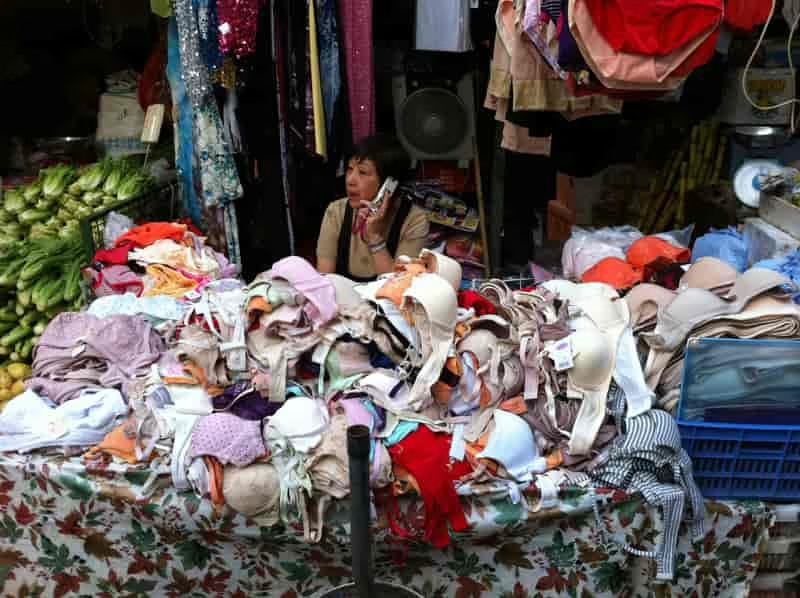
The range of women’s underwear is extensive. Each style offers different levels of coverage, support, and comfort. Here are some of the most popular types:
Briefs
Briefs are a classic style of underwear. They provide full coverage of the rear and hips. The waistband sits at the natural waistline. Briefs are comfortable for everyday wear. They come in various materials, including cotton, nylon, and microfiber.
High-Waisted Briefs
High-waisted briefs offer more coverage and support than regular briefs. The waistband extends to or above the navel. This style can smooth the tummy and create a flattering silhouette. High-waisted briefs are often made from shaping fabrics.
Hipsters
Hipsters sit lower on the hips than traditional briefs. They offer moderate coverage and a comfortable fit. Hipsters are a popular choice for those who prefer a lower-rise style.
Bikinis
Bikinis provide less coverage than briefs. They have a lower rise and narrower sides. Bikinis are a good option for wearing under low-rise pants or skirts.
Thongs
Thongs offer minimal coverage. They consist of a narrow strip of fabric that sits between the buttocks. Thongs are designed to eliminate visible panty lines (VPL). They are often worn with tight-fitting clothing.
G-Strings
G-strings are similar to thongs but offer even less coverage. The back consists of a very thin string. G-strings are typically worn for aesthetic reasons.
Boyshorts
Boyshorts resemble men’s boxer briefs. They provide full coverage of the rear and upper thighs. Boyshorts are comfortable and offer a sporty look.
Control Briefs
Control briefs are designed to shape and smooth the body. They are made from firm, elastic fabrics. Control briefs can provide tummy control and enhance the silhouette.
Shapewear
Shapewear includes a range of garments designed to alter the body’s shape. It includes shaping briefs, shorts, and bodysuits. Shapewear can smooth, lift, and support different areas of the body.
Seamless Underwear
Seamless underwear is designed to be invisible under clothing. It lacks seams and edges that can create lines. Seamless underwear is made from smooth, stretchy fabrics.
Period Panties
Period panties are designed to provide extra protection during menstruation. They have an absorbent layer to prevent leaks. Period panties are a reusable and eco-friendly alternative to disposable products.
Types of Underwear for Men

Men’s underwear has also evolved significantly over time. Today, there are many styles to choose from. Each offers different levels of support and comfort.
Briefs
Briefs are a classic style of men’s underwear. They provide full coverage and support. The waistband sits at the natural waistline. Briefs are often made from cotton or cotton blends.
Boxer Briefs
Boxer briefs combine the support of briefs with the coverage of boxer shorts. They have a longer leg length than briefs. Boxer briefs are a popular choice for everyday wear.
Boxer Shorts
Boxer shorts are loose-fitting underwear. They provide minimal support. Boxer shorts are often made from cotton or flannel. They are a comfortable option for lounging.
Trunks
Trunks are similar to boxer briefs but have a shorter leg length. They offer a modern, sporty look. Trunks are often made from stretchy, supportive fabrics.
Jockstraps
Jockstraps are designed to provide support during athletic activities. They consist of a waistband with supportive straps that hold the genitals in place. Jockstraps are commonly worn by athletes.
Thongs and G-Strings
Men’s thongs and G-strings offer minimal coverage. They are often worn for aesthetic reasons or to eliminate visible underwear lines.
Compression Shorts
Compression shorts are designed to provide support and improve circulation during exercise. They are made from tight-fitting, elastic fabrics. Compression shorts can help reduce muscle fatigue.
Materials Used in Underwear
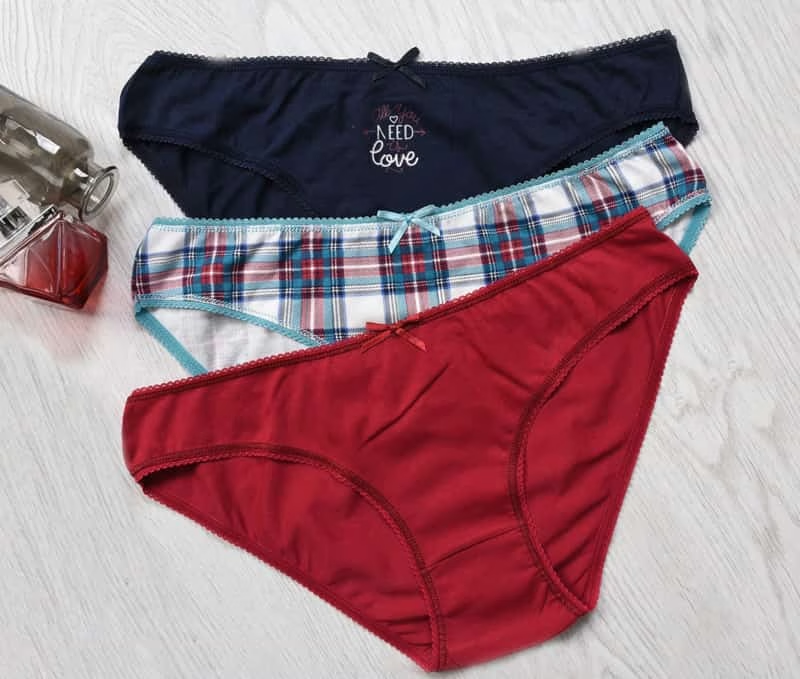
The choice of material greatly affects the comfort, performance, and durability of underwear. Here are some of the most common materials used:
Cotton
Cotton is a natural fiber that is soft, breathable, and absorbent. It is a popular choice for everyday underwear. Cotton is comfortable against the skin. However, it can retain moisture and lose its shape over time.
Modal
Modal is a semi-synthetic fiber made from beech tree pulp. It is soft, smooth, and resistant to shrinkage. Modal is more absorbent than cotton. It drapes well and is often used in premium underwear.
Bamboo
Bamboo fabric is made from bamboo pulp. It is soft, breathable, and eco-friendly. Bamboo has natural antibacterial properties. It is a good choice for sensitive skin.
Silk
Silk is a luxurious natural fiber. It is soft, smooth, and lightweight. Silk underwear is comfortable and elegant. However, it is delicate and requires special care.
Nylon
Nylon is a synthetic fiber that is strong, durable, and elastic. It is often used in shapewear and performance underwear. Nylon is moisture-wicking and quick-drying.
Polyester
Polyester is another synthetic fiber. It is durable, wrinkle-resistant, and affordable. Polyester is often blended with other fibers to improve their performance.
Spandex
Spandex (also known as elastane or Lycra) is a highly elastic synthetic fiber. It provides stretch and recovery. Spandex is used in almost all types of underwear. It ensures a snug and comfortable fit.
Microfiber
Microfiber is a synthetic fabric made from very fine fibers of polyester or nylon. It is soft, smooth, and lightweight. Microfiber underwear is comfortable and breathable.
Innovations in Underwear Design
The underwear industry is constantly evolving. New technologies and designs are emerging. These innovations aim to improve comfort, performance, and sustainability.
Seamless Technology
Seamless underwear eliminates seams and edges. This reduces friction and prevents visible panty lines. Seamless technology uses specialized knitting machines. These create garments in one piece.
Moisture-Wicking Fabrics
Moisture-wicking fabrics draw sweat away from the skin. This keeps the wearer dry and comfortable. These fabrics are often made from synthetic fibers like polyester and nylon.
Anti-Odor Technology
Anti-odor technology inhibits the growth of odor-causing bacteria. This keeps underwear fresh for longer. Some anti-odor treatments use silver ions or other antimicrobial agents.
Sustainable Materials
Sustainable materials are becoming increasingly popular. These include organic cotton, bamboo, and recycled fibers. Sustainable underwear reduces the environmental impact of the industry.
3D Knitting
3D knitting allows for the creation of complex shapes and structures. This can improve the fit and support of underwear. 3D-knitted underwear can be customized to individual body shapes.
Smart Underwear
Smart underwear incorporates sensors and technology. This monitors various health metrics. It can track heart rate, body temperature, and activity levels. Smart underwear is still in its early stages of development.
Production Process
The production of underwear involves several steps. These include design, fabric selection, cutting, sewing, and finishing.
Design
The design process begins with market research and trend analysis. Designers create sketches and prototypes. They consider factors like fit, comfort, and aesthetics.
Fabric Selection
The choice of fabric depends on the desired properties of the underwear. Factors to consider include comfort, durability, and performance.
Cutting
The fabric is cut into the required shapes using patterns. This can be done manually or with automated cutting machines.
Sewing
The cut pieces are sewn together to create the final garment. This involves various sewing techniques. These include overlocking, flatlocking, and binding.
Finishing
The finishing process includes adding elastic, trims, and labels. The underwear is then inspected for quality. It is packaged for distribution.
Challenges in the Underwear Industry
The underwear industry faces several challenges. These include competition, changing consumer preferences, and sustainability concerns.
Competition
The underwear market is highly competitive. Many brands offer a wide range of styles and prices. Companies must differentiate themselves through innovation and marketing.
Changing Consumer Preferences
Consumer preferences are constantly evolving. Trends in fashion, comfort, and performance influence underwear design. Companies must stay ahead of these trends.
Sustainability Concerns
Sustainability is a growing concern for consumers. They are increasingly demanding eco-friendly products. The underwear industry must adopt sustainable practices. These include using organic materials and reducing waste.
Ethical Production
Ethical production is another important consideration. Consumers want to know that their underwear is made in fair and safe working conditions. Companies must ensure ethical sourcing and manufacturing practices.
Real-World Applications
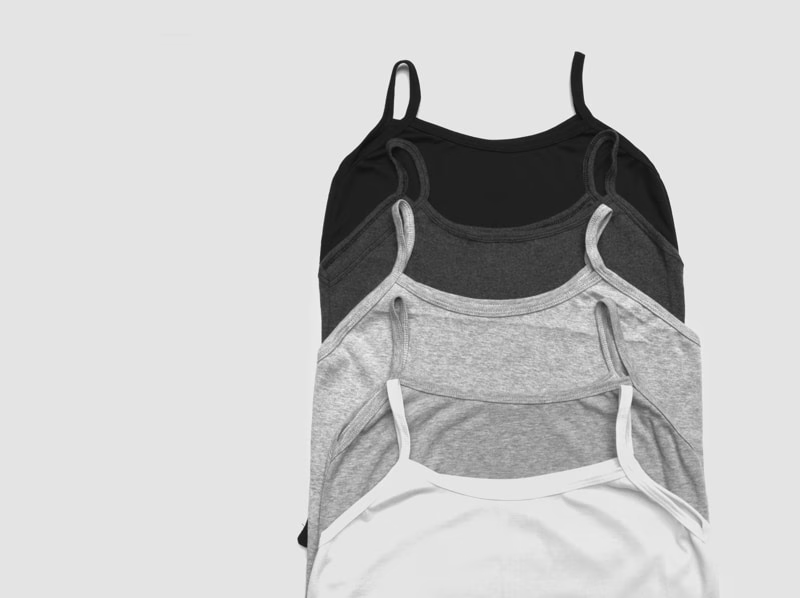
Underwear serves various practical purposes. It provides comfort, support, and hygiene. It also plays a role in fashion and self-expression.
Everyday Wear
Underwear is an essential part of everyday attire. It provides a comfortable layer between clothing and skin. It also helps to absorb sweat and maintain hygiene.
Sports and Fitness
Sports underwear provides support and moisture-wicking properties. This is important for athletes and fitness enthusiasts. It can improve performance and prevent chafing.
Medical Applications
Specialized underwear is used for medical purposes. This includes compression garments for post-surgery recovery. It also includes incontinence underwear for managing bladder control issues.
Fashion and Lingerie
Underwear is an important part of the fashion industry. Lingerie includes a range of stylish and decorative undergarments. These are often worn for special occasions.
End-Users
The end-users of underwear are diverse. They include men, women, and children of all ages and backgrounds. Each group has different needs and preferences.
Men
Men’s underwear focuses on comfort, support, and durability. Popular styles include briefs, boxer briefs, and boxer shorts.
Women
Women’s underwear offers a wider range of styles and designs. This caters to different preferences and occasions. Popular styles include briefs, bikinis, thongs, and shapewear.
Children
Children’s underwear prioritizes comfort and safety. It is often made from soft, breathable materials like cotton.
Market
The global underwear market is large and growing. It is driven by factors like increasing disposable income and changing fashion trends.
Market Size
The global underwear market is estimated to be worth billions of dollars. It is expected to continue growing in the coming years.
Key Players
The underwear market includes many key players. These range from large multinational corporations to small independent brands.
Trends
Key trends in the underwear market include the increasing demand for sustainable products. Also, there is a growing popularity of seamless and comfortable styles.
Future of Underwear
The future of underwear is likely to be shaped by technological advancements and changing consumer preferences.
Smart Textiles
Smart textiles will play a greater role in underwear design. This includes incorporating sensors and technology to monitor health metrics.
Customization
Customization will become more common. Consumers will be able to design their own underwear. This will ensure a perfect fit and personalized style.
Sustainability
Sustainability will continue to be a major focus. The industry will adopt more eco-friendly materials and production processes.
Inclusivity
Inclusivity will be increasingly important. Brands will offer a wider range of sizes and styles. This will cater to diverse body types and needs.
Summary
The world of underwear is diverse and constantly evolving. From the earliest loincloths to modern smart textiles, underwear has come a long way. Today, there are countless styles, materials, and designs to choose from. Each serves a specific purpose. The future of underwear promises even more innovation. This includes sustainable materials, smart technologies, and personalized designs. Understanding the different types of underwear is essential. This is true for industry professionals, students, and anyone interested in this intimate apparel.