This comprehensive article delves into the multifaceted role of mannequins within the textile industry, tracing their historical development from simple wooden figures to sophisticated, technology-integrated forms. It examines the evolution driven by changing fashion trends, retail demands, and technological advancements. The article analyzes global demand and supply dynamics, highlighting key manufacturing countries such as China, India, and Germany, and provides insights into sales statistics, projecting robust market growth. Innovations like eco-friendly materials, smart mannequins, and digital integration are explored, alongside emerging trends such as sustainability and customization. The future of mannequins is discussed, emphasizing the impact of augmented reality, 3D printing, and AI-driven personalization. End-use applications span retail, fashion design, e-commerce, and emerging sectors like healthcare and automotive. Supported by extensive research, this article offers a thorough understanding of mannequins’ significance in the textile industry and their transformative potential.
Mannequins, often referred to as manikins, lay figures, or dress forms, are integral to the textile and fashion industries, serving as pivotal tools for showcasing apparel and accessories. These human-shaped figures have transcended their initial utilitarian purpose, becoming essential in visual merchandising, brand storytelling, and enhancing consumer experiences. Their evolution mirrors the broader transformations in the textile industry, driven by shifts in consumer preferences, technological advancements, and global market dynamics. This article provides an in-depth exploration of mannequins in the textile industry, covering their historical roots, evolutionary milestones, demand and supply dynamics, key manufacturing countries, sales statistics, innovations, emerging trends, future prospects, and diverse end-use applications.
Historical Development of Mannequins
The history of mannequins in the textile industry is a fascinating journey that reflects the evolution of fashion, retail, and craftsmanship. The earliest known use of mannequins dates back to ancient Egypt, around 1350 BCE, where wooden figures were used to display royal garments. These rudimentary forms were primarily functional, designed to showcase clothing for royalty and nobility.
In medieval Europe, dress forms made of wicker or wood were used by tailors and seamstresses to craft garments. These early mannequins lacked the realism of modern designs but served as practical tools for fitting and displaying clothing. The 18th and 19th centuries marked significant advancements, with the Industrial Revolution enabling mass production and the introduction of wax and papier-mâché mannequins. These materials allowed for greater detail and realism, aligning with the growing fashion industry’s need for visually appealing displays.
The early 20th century saw mannequins become more lifelike, with manufacturers experimenting with materials like plaster and fiberglass. The 1920s and 1930s, often considered the golden age of retail display, saw mannequins adopting stylized poses and facial expressions to reflect the era’s fashion trends. Companies like Siegel & Stockman in France and Rootstein in the UK emerged as pioneers, creating mannequins that embodied the cultural aesthetics of their time.
Post-World War II, the rise of department stores and ready-to-wear fashion fueled demand for mannequins. The 1960s introduced iconic designs, such as the Twiggy-inspired mannequins by Adel Rootstein, which captured the era’s slim, youthful aesthetic. By the late 20th century, mannequins were not only tools for display but also symbols of brand identity, reflecting diverse body types and cultural inclusivity.
Evolution of Mannequins

The evolution of mannequins has been shaped by technological advancements, changing consumer preferences, and the textile industry’s growth. Key milestones include:
- Material Advancements: Early mannequins were made from heavy materials like wood and plaster, limiting their portability and durability. The introduction of fiberglass in the mid-20th century revolutionized mannequin production, offering lightweight, durable, and cost-effective options. High-quality plastics and bio-resins have since become standard, enabling more realistic and sustainable designs.
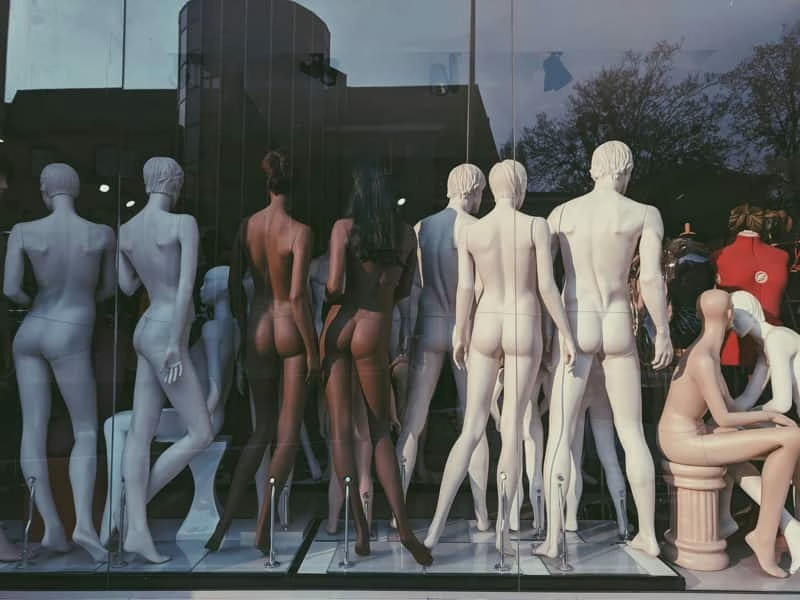
- Realism and Customization: Modern mannequins are highly customizable, with articulated joints, realistic facial features, and diverse body types. Manufacturers now offer mannequins representing various ethnicities, sizes, and genders to align with inclusive retail strategies. For instance, Gender Mannequins in Canada emphasizes inclusivity by providing diverse mannequin heads.
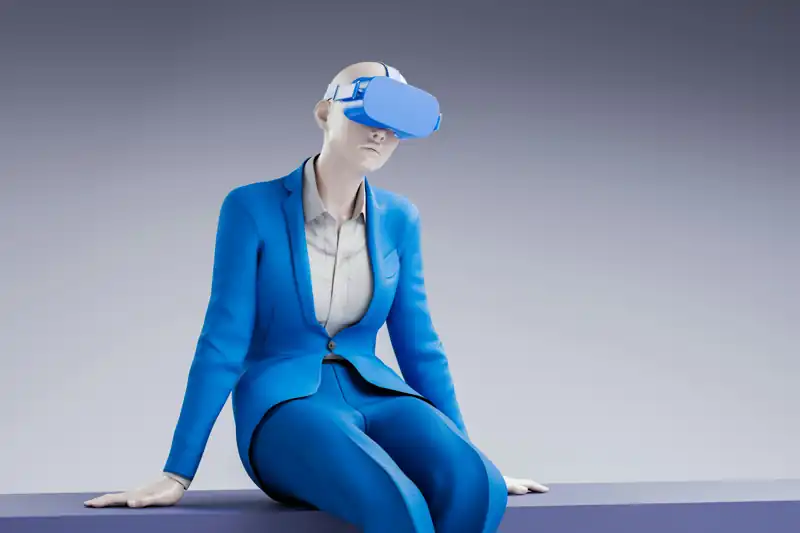
- Technological Integration: The digital age has introduced smart mannequins equipped with sensors, touch screens, and augmented reality (AR) capabilities. These innovations allow retailers to offer interactive shopping experiences, such as displaying product details or suggesting complementary items.
- Sustainability: The growing emphasis on eco-friendly practices has led to the development of mannequins made from recycled plastics, bio-resins, and biodegradable materials. Companies like Genesis Mannequins have introduced lightweight, sustainable designs, such as the BionicV collection, which uses bio-resin and viscose.
Demand and Supply Dynamics
The global demand for mannequins is driven by the expanding retail and fashion industries, which rely on effective visual merchandising to attract customers. According to industry reports, the global mannequin market was valued at USD 5.17 billion in 2024 and is projected to grow at a compound annual growth rate (CAGR) of 12.8% from 2025 to 2030. This growth is fueled by:
- Retail Industry Expansion: The global retail market is expected to reach USD 27 trillion by 2026, increasing the need for mannequins to enhance in-store experiences. Fashion retail, in particular, drives demand, with luxury brands and boutiques requiring high-quality, customized mannequins.
- E-commerce Growth: The rise of online shopping has spurred demand for virtual mannequins and AR technologies, which allow consumers to visualize clothing on digital models. This trend is particularly prominent in regions with high e-commerce penetration, such as North America and Asia-Pacific.
- Emerging Markets: Countries like China and India are witnessing rapid retail infrastructure growth, boosting mannequin demand. The Asia-Pacific region is expected to dominate the market due to its large consumer base and increasing fashion consciousness.
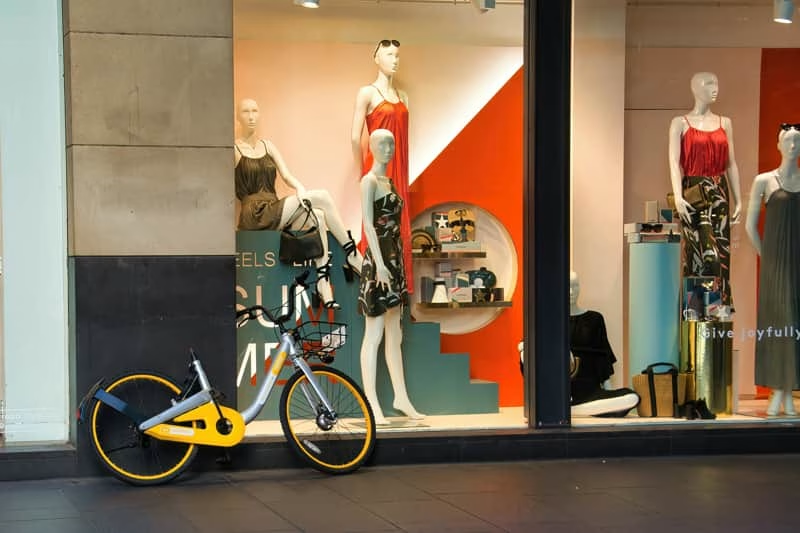
On the supply side, the mannequin market is moderately fragmented, with a mix of large global manufacturers and smaller, niche players. Key manufacturers include Bonaveri (Italy), Hans Boodt Mannequins (Netherlands), and IDW Display (UK), which focus on innovation and sustainability to maintain competitive edges. Supply chain challenges, such as raw material shortages and global economic fluctuations, can impact production, but advancements in automated manufacturing are improving efficiency.
Key Manufacturing Countries
Mannequin production is concentrated in countries with strong manufacturing capabilities and access to raw materials. The leading manufacturing countries include:
- China: China is the largest producer of mannequins, leveraging low labor costs and extensive manufacturing infrastructure. The country supplies both mass-produced and customized mannequins to global markets, particularly in Asia-Pacific and North America.
- India: India’s mannequin industry is growing, driven by its expanding textile and retail sectors. Government initiatives, such as the PM MITRA Park Scheme, support manufacturing growth, making India a key supplier for domestic and export markets.
- Germany and Italy: European countries like Germany and Italy are known for high-quality, premium mannequins. Companies like Bonaveri and Hans Boodt Mannequins specialize in innovative and sustainable designs, catering to luxury retailers.
- United States: The U.S. produces mannequins for its large retail market, with companies like IDW Display focusing on eco-friendly and automated production techniques.
- Mexico: Mexico is emerging as a manufacturing hub, particularly for technical textiles and mannequins used in automotive and aerospace sectors. Its proximity to the U.S. and low production costs make it a competitive supplier.
Sales Statistics
The mannequin market has shown robust growth, with sales driven by the retail and fashion industries’ expansion. Key statistics include:
- Market Size: The global mannequin market was valued at USD 13.5 billion in 2023 and is projected to reach USD 23 billion by 2032, with a CAGR of 6.2%. Another estimate suggests a market size of USD 7.32 billion by 2034, with a CAGR of 2.97%.
- Segment Performance: The fashion and apparel segment accounts for the largest market share, driven by demand from luxury retailers and boutiques. The women’s mannequin segment is particularly strong, reflecting consumer focus on fashionable apparel.
- Regional Insights: North America and Asia-Pacific dominate the market, with North America benefiting from a mature retail sector and Asia-Pacific from rapid retail growth. Europe is also significant, driven by its focus on sustainable and high-quality designs.
- Challenges: Economic fluctuations and the shift to e-commerce can reduce demand for physical mannequins in some regions, but innovations in digital and interactive mannequins are mitigating this impact.
Innovations in Mannequin Design
Innovations in mannequin design have transformed their functionality and appeal, aligning with the textile industry’s technological and sustainability goals. Key innovations include:
- Eco-Friendly Materials: Manufacturers are adopting sustainable materials like recycled plastics, bio-resins, and biodegradable compounds. For example, Genesis Mannequins’ BionicV collection uses lightweight, eco-friendly materials to reduce environmental impact.
- Smart Mannequins: The integration of sensors, touch screens, and AR technology has created interactive mannequins that enhance customer engagement. Retailers use these mannequins to display product information, suggest complementary items, or enable virtual try-ons.
- Robotic Mannequins: Companies like Speecys Corp. in Japan have developed robotic mannequins, such as the Shiguza Robot, which can move and pose dynamically to attract customer attention.
- Customizable Designs: Mannequins are increasingly tailored to specific brand aesthetics, with options for diverse body types, ethnic representations, and stylized poses. Bonaveri’s Twiggy-inspired collection exemplifies this trend, blending historical aesthetics with modern retail needs.
- Digital Mannequins: Platforms like Outform’s digital mannequin allow shoppers to visualize clothing on smartphones, reducing the need for physical displays in e-commerce settings.
Emerging Trends
The mannequin industry is evolving in response to broader textile and retail trends. Key trends include:
- Sustainability: The demand for eco-friendly mannequins is rising, driven by consumer and retailer focus on environmental responsibility. Manufacturers are prioritizing recyclable and biodegradable materials to align with sustainable practices.
- Customization and Inclusivity: Retailers are adopting mannequins that reflect diverse body types, ethnicities, and genders to resonate with modern consumers. This trend enhances brand loyalty and customer engagement.
- Digital Integration: The rise of e-commerce and AR technologies is driving demand for digital and interactive mannequins. These solutions bridge the gap between physical and online retail, offering immersive shopping experiences.
- Minimalist and Abstract Designs: Retailers are experimenting with abstract and minimalist mannequins to create artistic displays that align with modern store aesthetics.
- Health and Safety Compliance: Post-COVID-19, mannequins are designed with materials that are easy to sanitize, addressing health concerns in retail environments.
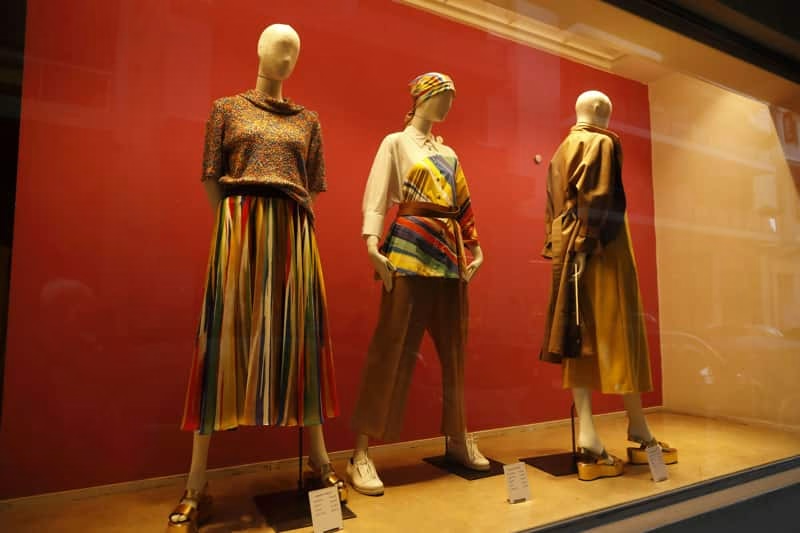
Future Prospects
The future of mannequins in the textile industry is poised for significant transformation, driven by technological advancements and changing consumer behaviors. Key prospects include:
- Augmented Reality and Virtual Reality: AR and VR technologies will further integrate with mannequins, enabling virtual try-ons and personalized shopping experiences. This trend will be particularly impactful in e-commerce, where digital mannequins can replicate in-store experiences.
- 3D Printing: The use of 3D printing in mannequin production will allow for rapid prototyping and customization, reducing costs and lead times. This technology will enable manufacturers to create highly detailed and bespoke designs.
- AI-Driven Personalization: Artificial intelligence will enhance mannequin functionality by analyzing consumer data to tailor displays to individual preferences. Smart mannequins equipped with AI can adjust poses or lighting based on customer interactions.
- Sustainability Leadership: As sustainability becomes a core consumer value, manufacturers will invest in circular production models, using fully recyclable materials and energy-efficient processes.
- Expansion into New Sectors: Mannequins will find applications beyond fashion, such as in healthcare for medical training or in automotive for displaying technical textiles. These emerging uses will diversify the market and drive growth.
End-Use Applications
Mannequins serve a wide range of applications within and beyond the textile industry, including:
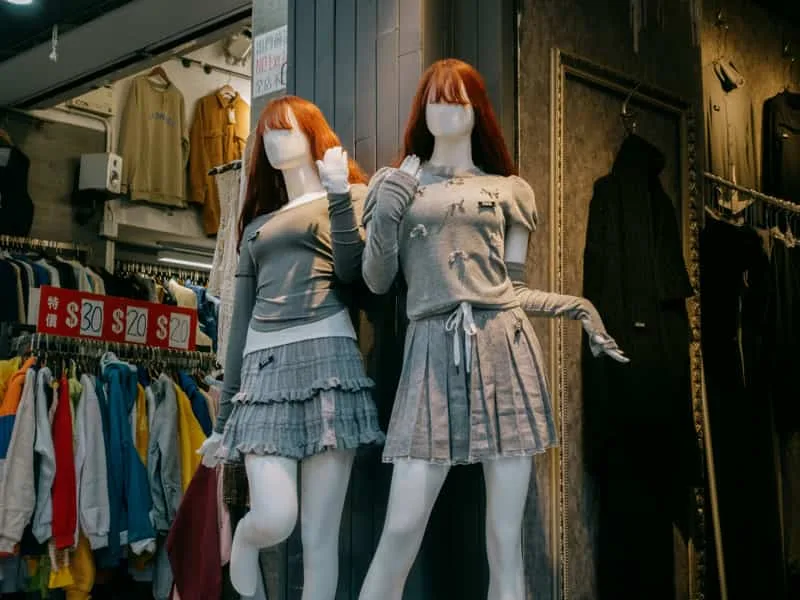
- Fashion Retail: Mannequins are primarily used in retail to display clothing and accessories, enhancing visual merchandising and driving sales. They help retailers create compelling narratives that resonate with customers.
- E-commerce: Virtual mannequins and AR platforms allow online retailers to showcase products dynamically, enabling consumers to visualize fit and style without physical stores.
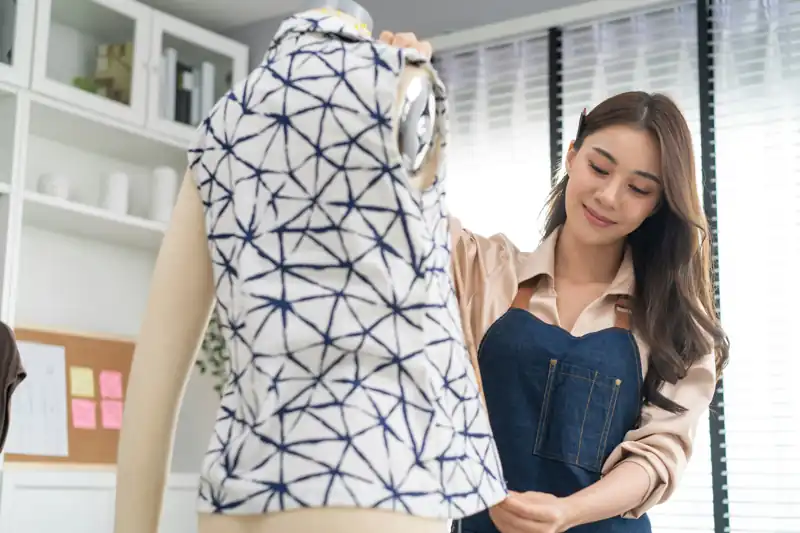
- Fashion Design and Education: Mannequins are essential tools for designers and fashion schools, used for draping, fitting, and teaching garment construction techniques.
- Healthcare: Mannequins are used in medical training to simulate human anatomy, with some designed to display medical textiles or wearable devices.
- Automotive and Aerospace: Technical textiles used in car interiors or aerospace applications are displayed on specialized mannequins to demonstrate functionality and aesthetics.
- Entertainment and Museums: Mannequins are used in exhibitions and film productions to display historical or themed costumes, contributing to storytelling and cultural preservation.
Challenges and Opportunities
The mannequin industry faces several challenges, including:
- E-commerce Shift: The rise of online shopping reduces demand for physical mannequins in some retail segments, necessitating innovation in digital solutions.
- Economic Fluctuations: Global economic downturns can reduce retail spending, impacting mannequin sales. Manufacturers must focus on cost-effective production to remain competitive.
- Competition: The market is highly fragmented, with intense competition among manufacturers. Differentiation through quality, innovation, and sustainability is critical.
Opportunities include:
- Sustainable Innovation: The growing demand for eco-friendly mannequins presents opportunities for manufacturers to lead in sustainable design.
- Technological Advancements: Investments in smart and digital mannequins can open new revenue streams, particularly in e-commerce and interactive retail.
- Emerging Markets: Rapid retail growth in Asia-Pacific and Latin America offers significant opportunities for manufacturers to expand their market presence.
Conclusion
Mannequins are far more than static display tools; they are dynamic instruments that bridge fashion, technology, and consumer engagement in the textile industry. From their historical origins to their modern, tech-integrated forms, mannequins have evolved to meet the demands of a rapidly changing market. With a projected market growth driven by retail expansion, e-commerce, and technological innovations, mannequins will continue to play a pivotal role in shaping consumer experiences. As sustainability, customization, and digital integration become central to the industry, manufacturers must innovate to stay competitive. The future of mannequins lies in their ability to adapt to emerging technologies and consumer preferences, ensuring their relevance across diverse applications, from fashion retail to healthcare and beyond.
Citation
- Mannequin Market Size, Overview, Potential & Forecast 2033 – www.verifiedmarketreports.com[](https://www.verifiedmarketreports.com/product/mannequin-market/)
- Mannequin Market Size, Share, Growth | Trends Analysis [2032] – www.fortunebusinessinsights.com[](https://www.fortunebusinessinsights.com/mannequin-market-106818)
- Mannequin Market Research Report 2032 – dataintelo.com
- Mannequin Market Size, Share And Trends Report, 2030 – www.grandviewresearch.com[](https://www.grandviewresearch.com/industry-analysis/mannequin-market-report)
- Textile Market Size, Value, Statistics, & Industry Analysis By 2030 – www.databridgemarketresearch.com[](https://www.databridgemarketresearch.com/reports/global-textile-market)
- Mannequin Market Size, Share, Growth | CAGR Forecast 2032 – www.futuremarketreport.com[](https://www.futuremarketreport.com/industry-report/mannequin-market)
- Mexico’s Textile Industry: Boom, Innovation, & Opportunity (2024 Update) – www.americanindustriesgroup.com[](https://www.americanindustriesgroup.com/blog/stitching-the-future-innovation-in-mexicos-textile-industry/)
- Category Intelligence for Mannequins Market Overview 2035 – MRFR – www.marketresearchfuture.com[](https://www.marketresearchfuture.com/cat-intel/procurement-intelligence-mannequins-market)