

Introduction: The Ubiquitous T-Shirt
The T-shirt is more than just a piece of clothing. It is a cultural icon. It is a canvas for self-expression. Its simplicity and versatility make it a global staple. From casual wear to high fashion, the T-shirt adapts to any setting. But with so many options available, understanding the different types of T-shirts can be overwhelming. This guide breaks down the vast world of T-shirts. We will explore styles, fabrics, fits, and features.
A Brief History of the T-Shirt
The T-shirt’s origins trace back to the late 19th century. It was then that laborers and miners needed a lightweight, absorbent undergarment. By the early 20th century, the U.S. Navy adopted the T-shirt as standard issue. This marked its transition from underwear to outerwear.
The T-shirt gained mainstream popularity in the mid-20th century. Actors like Marlon Brando and James Dean sported them on screen. This cemented the T-shirt as a symbol of rebellion and cool. Since then, the T-shirt has evolved. It has become a versatile garment embraced by all.
Technological Evolution in T-Shirt Production
T-shirt production has seen significant technological advancements. These advancements have improved efficiency, quality, and sustainability.
- Spinning Techniques: Innovations in yarn spinning, such as open-end and ring spinning, have enhanced the strength and softness of T-shirt fabrics.
- Knitting Machines: Modern circular knitting machines produce T-shirt fabric faster and with greater precision. These machines can create various knit patterns, including jersey, rib, and interlock.
- Dyeing and Printing: Digital printing technologies allow for intricate and customized designs on T-shirts. Eco-friendly dyeing methods reduce water consumption and chemical waste.
- Cutting and Sewing: Automated cutting and sewing machines ensure consistent sizing and high-quality construction. These technologies minimize fabric waste and reduce labor costs.
- Finishing Processes: Advanced finishing techniques, such as pre-shrinking and wrinkle-resistant treatments, improve the durability and appearance of T-shirts.
Types of T-Shirts Based on Necklines
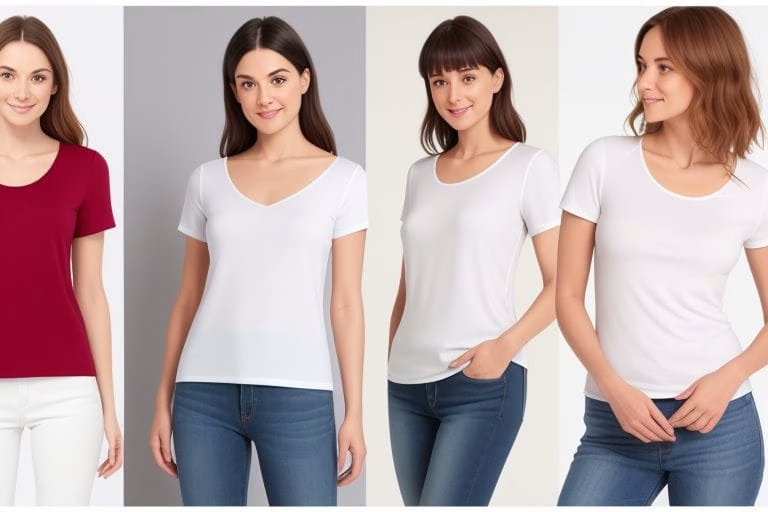
The neckline is a defining feature of any T-shirt. It significantly impacts the overall look and feel. Here are some common neckline styles:
Crew Neck
The crew neck is a classic, round neckline that sits close to the base of the neck. It is durable and versatile. It is suitable for both men and women. Crew neck T-shirts are ideal for casual wear. They can be worn alone or layered under sweaters and jackets.
V-Neck
V-neck T-shirts feature a V-shaped neckline. This creates a more elongated and slimming effect. V-necks are a good choice for those with shorter necks or rounder faces. They can be dressed up or down. They are suitable for both casual and semi-formal occasions.
Scoop Neck
Scoop neck T-shirts have a wide, U-shaped neckline. This exposes more of the collarbone. This style is popular among women. It offers a more feminine and stylish look. Scoop necks are often made of soft, flowing fabrics.
Henley Neck
Henley T-shirts feature a buttoned placket at the neckline. This adds a touch of detail and sophistication. Henleys are a versatile option. They can be worn buttoned up for a more polished look. They can also be unbuttoned for a more relaxed vibe.
Boat Neck
Boat neck T-shirts have a wide, horizontal neckline. This extends to the shoulders. This style is also known as a bateau neck. It is often associated with nautical fashion. Boat necks are elegant and flattering. They are suitable for both casual and dressy outfits.
Types of T-Shirts Based on Sleeve Length
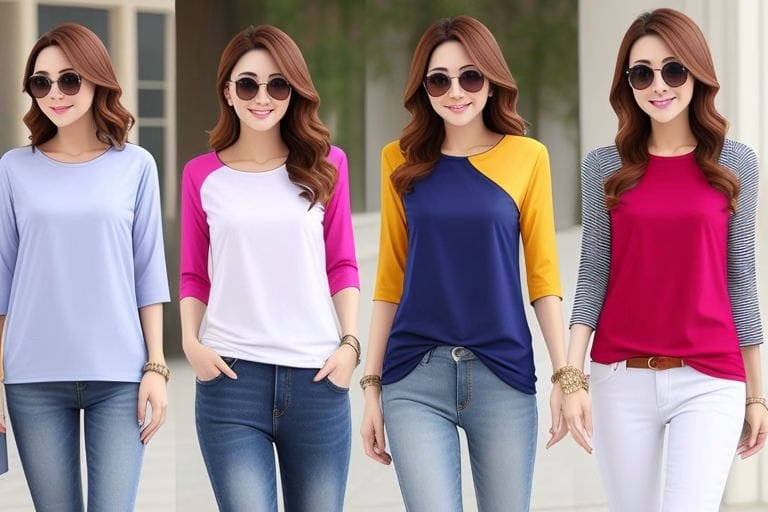
Sleeve length is another key factor in T-shirt design. It affects both the style and functionality of the garment.
Short Sleeve
Short sleeve T-shirts are the most common type. They feature sleeves that typically end at the mid-bicep. They are ideal for warm weather. They are versatile for various activities.
Long Sleeve
Long sleeve T-shirts provide more coverage and warmth. They are suitable for cooler weather. They can be worn alone or layered under other garments. Long sleeve T-shirts come in various styles. These include fitted, relaxed, and thermal.
Three-Quarter Sleeve
Three-quarter sleeve T-shirts have sleeves that end between the elbow and the wrist. This style offers a balance between short and long sleeves. It is stylish and practical. It is suitable for transitional weather.
Sleeveless
Sleeveless T-shirts, also known as tank tops or muscle tees, have no sleeves. They are ideal for hot weather and athletic activities. Sleeveless T-shirts come in various styles. These include racerback, spaghetti strap, and wide strap.
Types of T-Shirts Based on Fit
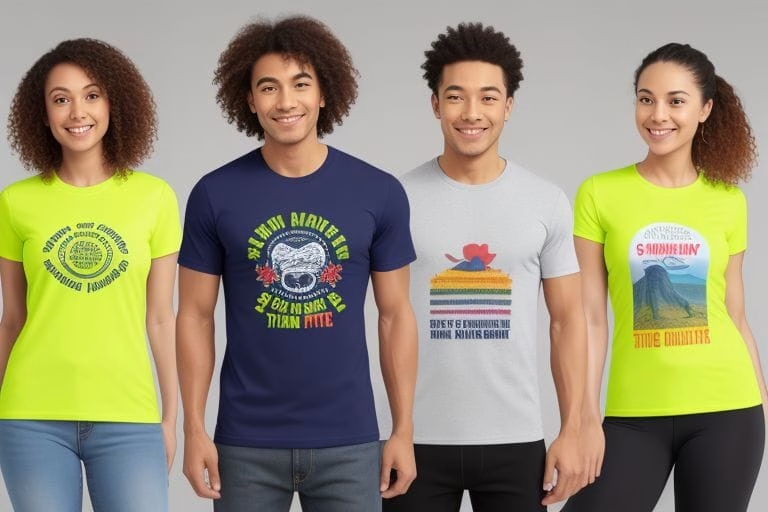
The fit of a T-shirt is crucial for comfort and style. Different fits cater to different body types and preferences.
Classic Fit
Classic fit T-shirts have a straight cut. They offer a relaxed and comfortable fit. They are not too tight or too loose. Classic fit T-shirts are a versatile option. They are suitable for everyday wear.
Slim Fit
Slim fit T-shirts are designed to hug the body. They provide a more tailored and modern look. They are ideal for those who prefer a more fitted silhouette. Slim fit T-shirts are often made of stretchy fabrics.
Relaxed Fit
Relaxed fit T-shirts offer a loose and comfortable fit. They are ideal for casual wear and lounging. Relaxed fit T-shirts are often made of soft, breathable fabrics.
Oversized Fit
Oversized T-shirts are intentionally large and baggy. They offer a trendy and fashionable look. They are popular among younger generations. They can be styled in various ways. They can be worn with leggings, jeans, or skirts.
Types of T-Shirts Based on Fabric
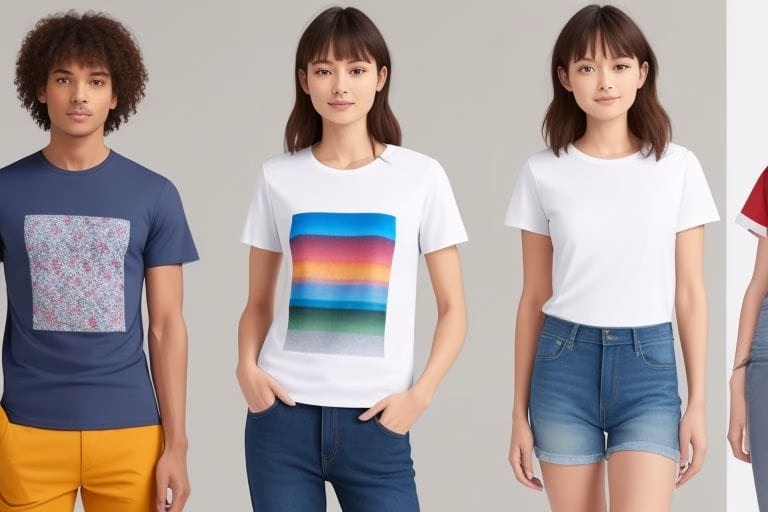
The fabric of a T-shirt determines its comfort, durability, and appearance. Here are some common T-shirt fabrics:
Cotton
Cotton is the most popular T-shirt fabric. It is soft, breathable, and affordable. Cotton T-shirts are comfortable to wear. They are easy to care for. However, cotton can shrink and wrinkle easily.
Polyester
Polyester is a synthetic fabric. It is durable, wrinkle-resistant, and quick-drying. Polyester T-shirts are ideal for athletic wear. They can withstand frequent washing. However, polyester is less breathable than cotton.
Blends
Blended fabrics combine the properties of different fibers. Common blends include cotton-polyester, cotton-rayon, and tri-blends (cotton-polyester-rayon). Blends offer a balance of comfort, durability, and performance.
Linen
Linen is a natural fabric. It is lightweight, breathable, and absorbent. Linen T-shirts are ideal for hot weather. They offer a relaxed and stylish look. However, linen wrinkles easily. It requires more care than cotton.
Jersey Knit
Jersey knit is a type of fabric construction. It is commonly used for T-shirts. It is characterized by its soft, stretchy, and lightweight feel. Jersey knit T-shirts are comfortable to wear. They drape well on the body.
Types of T-Shirts Based on Style and Design
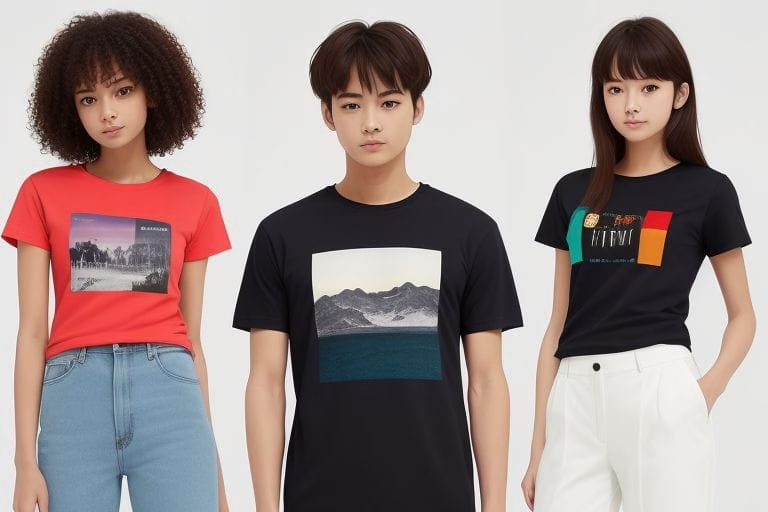
T-shirts come in a wide range of styles and designs. These cater to different tastes and preferences.
Graphic Tees
Graphic tees feature printed designs, logos, or slogans. They are a popular way to express personality and interests. Graphic tees can range from simple designs to intricate artwork.
Pocket Tees
Pocket tees have a small pocket on the chest. This adds a touch of detail and functionality. Pocket tees are a versatile option. They can be worn casually or dressed up.
Ringer Tees
Ringer tees feature contrasting trim around the neckline and sleeves. This adds a retro and sporty look. Ringer tees are popular among vintage fashion enthusiasts.
Tie-Dye Tees
Tie-dye tees feature colorful, swirled patterns. These are created by tying and dyeing the fabric. Tie-dye tees are a fun and expressive option. They are popular for casual wear and festivals.
Performance Tees
Performance tees are designed for athletic activities. They are made of moisture-wicking fabrics. These fabrics keep the wearer cool and dry. Performance tees often feature a lightweight and breathable construction.
T-Shirt Printing Techniques
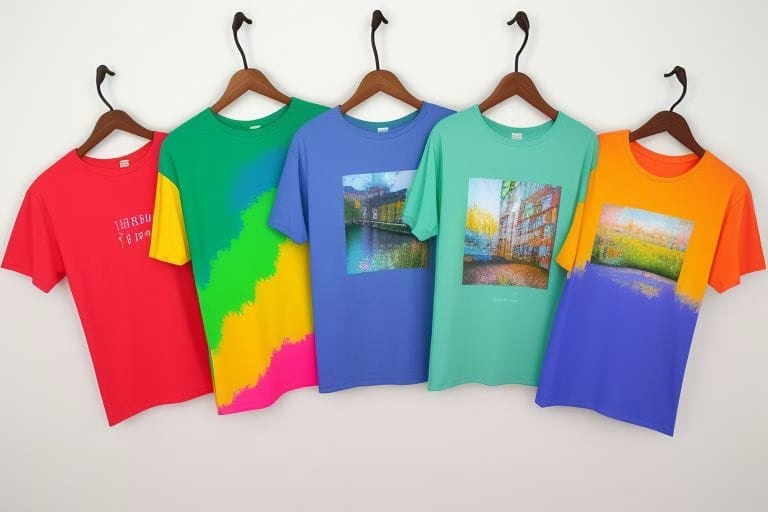
Various printing techniques are used to create designs on T-shirts. Each technique offers different advantages and results.
Screen Printing
Screen printing is a traditional method. It involves pressing ink through a stenciled screen onto the fabric. It is ideal for large quantities. It produces vibrant and durable prints.
Direct-to-Garment (DTG) Printing
DTG printing involves printing designs directly onto the fabric using inkjet technology. It is ideal for small quantities. It produces detailed and full-color prints.
Heat Transfer
Heat transfer involves printing designs onto special paper. The designs are then transferred onto the fabric using heat and pressure. It is ideal for simple designs. It is a cost-effective option for small quantities.
Sublimation
Sublimation involves printing designs onto special paper. The designs are then transferred onto the fabric using heat. The ink becomes part of the fabric. It produces vibrant and permanent prints. It is ideal for polyester fabrics.
T-Shirt Customization Options
T-shirts offer endless customization options. These allow individuals and businesses to create unique and personalized garments.
Custom Designs
Custom designs can be created using various software programs. They can be printed onto T-shirts using different printing techniques.
Personalized Text
Personalized text can be added to T-shirts. This includes names, dates, quotes, or slogans.
Logo Printing
Logo printing is a popular option for businesses and organizations. It allows them to promote their brand. It creates a professional and cohesive look.
Photo Printing
Photo printing allows individuals to print their favorite photos onto T-shirts. This creates a unique and sentimental keepsake.
T-Shirt Sizing and Fit Guide
Choosing the right T-shirt size and fit is essential for comfort and style. Here are some tips for finding the perfect fit:
Measure Your Chest
Measure around the fullest part of your chest. Keep the measuring tape parallel to the ground.
Measure Your Waist
Measure around your natural waistline. This is usually the narrowest part of your torso.
Check the Size Chart
Refer to the manufacturer’s size chart. Compare your measurements to the chart. This will determine the best size for you.
Consider the Fit
Consider the desired fit. Do you prefer a classic, slim, relaxed, or oversized fit? Choose a size that aligns with your preferred fit.
Read Reviews
Read customer reviews. See if others have commented on the sizing and fit of the T-shirt.
T-Shirt Care and Maintenance
Proper care and maintenance can extend the life of your T-shirts. It keeps them looking their best. Here are some tips for caring for your T-shirts:
Read the Care Label
Always read the care label before washing your T-shirts. Follow the manufacturer’s instructions.
Wash Inside Out
Wash your T-shirts inside out. This helps to prevent fading and damage to the print.
Use Cold Water
Use cold water to wash your T-shirts. This helps to prevent shrinking and fading.
Avoid Bleach
Avoid using bleach on your T-shirts. Bleach can damage the fabric and cause discoloration.
Tumble Dry Low
Tumble dry your T-shirts on low heat. High heat can cause shrinking and damage to the fabric.
Hang or Fold
Hang or fold your T-shirts immediately after drying. This helps to prevent wrinkles.
T-Shirt Trends and Fashion
T-shirt trends are constantly evolving. They reflect current fashion and cultural influences. Here are some current T-shirt trends:
Sustainable and Eco-Friendly T-Shirts
Sustainable and eco-friendly T-shirts are made from organic cotton, recycled materials, or other sustainable fabrics. They are produced using eco-friendly practices.
Vintage and Retro T-Shirts
Vintage and retro T-shirts feature designs and styles from past decades. They are popular among vintage fashion enthusiasts.
Graphic Tees with Bold Statements
Graphic tees with bold statements feature eye-catching designs and slogans. They express personality and beliefs.
Oversized and Baggy T-Shirts
Oversized and baggy T-shirts are a trendy and comfortable option. They are popular among younger generations.
Minimalist and Simple T-Shirts
Minimalist and simple T-shirts feature clean lines and understated designs. They offer a timeless and versatile look.
Real-World Applications of Different T-Shirt Types
T-shirts serve various purposes in different settings. Here are some real-world applications of different T-shirt types:
Casual Wear
T-shirts are a staple for casual wear. They are comfortable and versatile for everyday activities.
Workwear
T-shirts are often used as workwear. They provide comfort and functionality for various jobs.
Sports and Athletics
Performance tees are designed for sports and athletic activities. They offer moisture-wicking and breathable properties.
Promotional Items
T-shirts are a popular promotional item for businesses and organizations. They help to promote their brand.
Events and Festivals
T-shirts are often sold or given away at events and festivals. They serve as a souvenir or memento.
End-Users of T-Shirts
T-shirts are worn by people of all ages, genders, and backgrounds. Here are some common end-users of T-shirts:
Men
Men wear T-shirts for casual wear, workwear, and athletic activities.
Women
Women wear T-shirts for casual wear, fashion, and athletic activities.
Children
Children wear T-shirts for everyday wear, school, and play.
Businesses
Businesses use T-shirts for promotional items, workwear, and events.
Organizations
Organizations use T-shirts for fundraising, awareness campaigns, and events.
The T-Shirt Market: An Overview
The T-shirt market is a large and diverse industry. It includes manufacturers, suppliers, retailers, and consumers.
Market Size
The global T-shirt market is estimated to be worth billions of dollars. It continues to grow.
Key Players
Key players in the T-shirt market include major apparel brands, manufacturers, and retailers.
Market Trends
Market trends include a growing demand for sustainable and eco-friendly T-shirts. There is also an increasing popularity of customized and personalized T-shirts.
Distribution Channels
T-shirts are sold through various distribution channels. These include retail stores, online retailers, and wholesale suppliers.
The Future of T-Shirts
The future of T-shirts looks promising. It is driven by innovation, sustainability, and customization.
Technological Advancements
Technological advancements will continue to improve T-shirt production. This includes new fabrics, printing techniques, and manufacturing processes.
Sustainability
Sustainability will become an increasingly important factor in the T-shirt industry. Consumers will demand eco-friendly and ethically produced T-shirts.
Customization
Customization will continue to be a key trend. Consumers will seek personalized and unique T-shirts.
Innovation
Innovation will drive the development of new T-shirt styles and designs. This will cater to evolving fashion trends and consumer preferences.
Summary
T-shirts are a versatile and essential part of any wardrobe. Understanding the different types of T-shirts, fabrics, fits, and styles can help you make informed choices. Whether you’re looking for a classic crew neck, a trendy graphic tee, or a sustainable eco-friendly option, the world of T-shirts offers something for everyone. By considering the various factors discussed in this guide, you can find the perfect T-shirts to suit your needs and preferences.



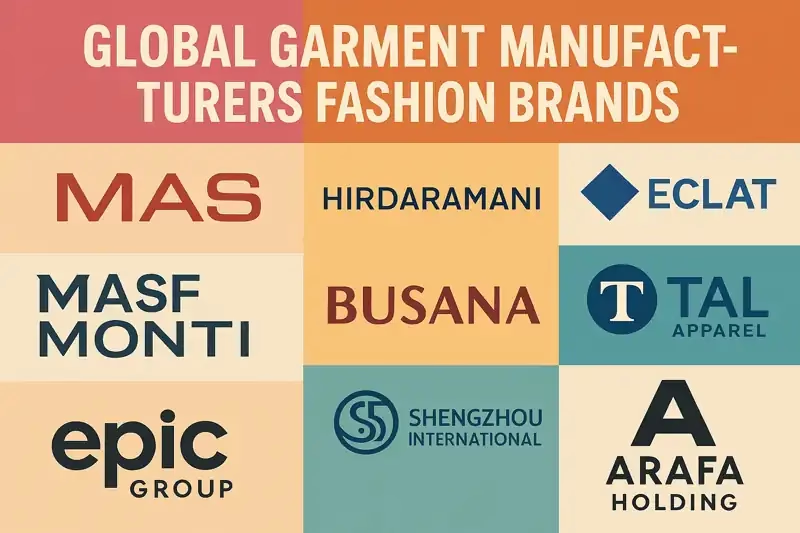




Market trends include a growing demand for sustainable and eco-friendly T-shirts
Hlw
Good t shirt