Introduction
Sweaters have evolved from basic garments designed for warmth to fashion staples that reflect personal style and cultural trends. Available in countless designs, materials, and constructions, sweaters cater to diverse tastes and needs. Understanding the nuances of different sweater types can enhance your appreciation for knitwear and inform your purchasing decisions. This guide delves into the fascinating world of sweaters, covering everything from classic styles to modern innovations.
History of Sweaters
The history of sweaters is intertwined with the evolution of knitting itself. Knitting, as a technique, emerged in the Middle East around the 11th century and gradually spread to Europe. Early knitted garments were primarily functional, providing warmth and protection for laborers and sailors.
The sweater, as we know it today, gained popularity in the mid-19th century. It was initially worn by athletes, particularly rowers, in Britain. The term “sweater” was used because these garments were designed to make athletes sweat to reduce weight. These early sweaters were typically heavy, woolen, and often featured a crew neck or V-neck design.
As the 20th century dawned, sweaters transitioned from sportswear to mainstream fashion. Designers like Coco Chanel recognized the potential of knitwear and incorporated sweaters into their collections. Sweaters became symbols of casual elegance and comfort, embraced by both men and women.
Technological Evolution in Sweater Production
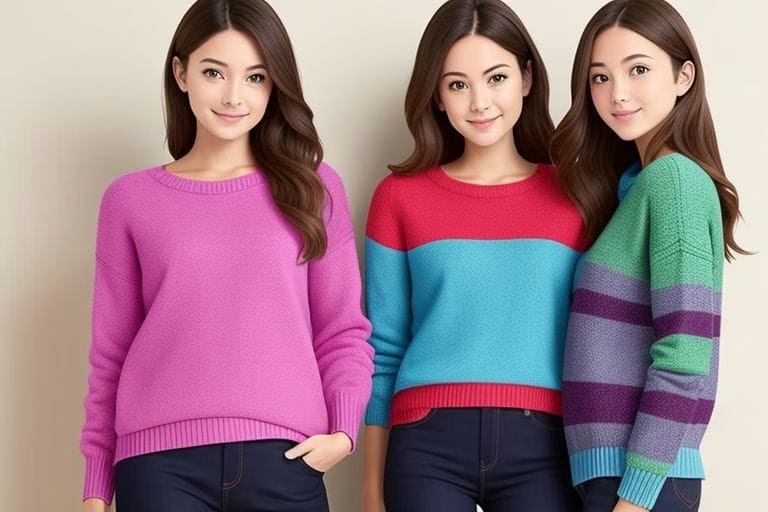
The production of sweaters has undergone significant technological advancements, transforming the industry from manual craftsmanship to automated manufacturing.
- Hand Knitting: Initially, all sweaters were hand-knitted, a labor-intensive process that required skilled artisans. Hand-knitted sweaters are still valued for their unique designs and craftsmanship.
- Flatbed Knitting Machines: The invention of flatbed knitting machines in the 19th century revolutionized sweater production. These machines allowed for the creation of intricate patterns and designs with greater efficiency. Flatbed machines are versatile and can produce a wide range of sweater styles.
- Circular Knitting Machines: Circular knitting machines further accelerated sweater production. These machines create seamless tubes of fabric, which can then be cut and sewn into sweaters. Circular knit sweaters are often more affordable and widely available.
- Computerized Knitting Machines: Modern computerized knitting machines offer unparalleled precision and control. These machines can produce complex patterns, textures, and shapes with minimal human intervention. Computerized knitting has enabled the mass production of high-quality, fashionable sweaters.
Sweater Materials: A Fiber Spectrum
The choice of material significantly impacts a sweater’s warmth, texture, durability, and overall aesthetic. Here’s an overview of common sweater materials:
- Wool: Wool is a classic sweater material known for its warmth, insulation, and durability. Different types of wool, such as Merino, Shetland, and Lambswool, offer varying degrees of softness and texture. Wool sweaters are ideal for cold weather and outdoor activities.
- Cashmere: Cashmere is a luxurious fiber derived from cashmere goats. It is exceptionally soft, lightweight, and warm. Cashmere sweaters are prized for their elegant drape and comfortable feel.
- Cotton: Cotton sweaters are breathable, lightweight, and easy to care for. They are suitable for mild weather and casual wear. Cotton sweaters come in various textures, from smooth jersey knits to chunky cable knits.
- Acrylic: Acrylic is a synthetic fiber that mimics the look and feel of wool. It is affordable, durable, and easy to care for. Acrylic sweaters are a budget-friendly option for everyday wear.
- Blends: Many sweaters are made from blends of different fibers to combine the benefits of each material. For example, a wool-acrylic blend can offer warmth and durability at a lower cost than pure wool. Cotton-polyester blends are often used for lightweight, wrinkle-resistant sweaters.
Types of Sweaters: A Detailed Overview
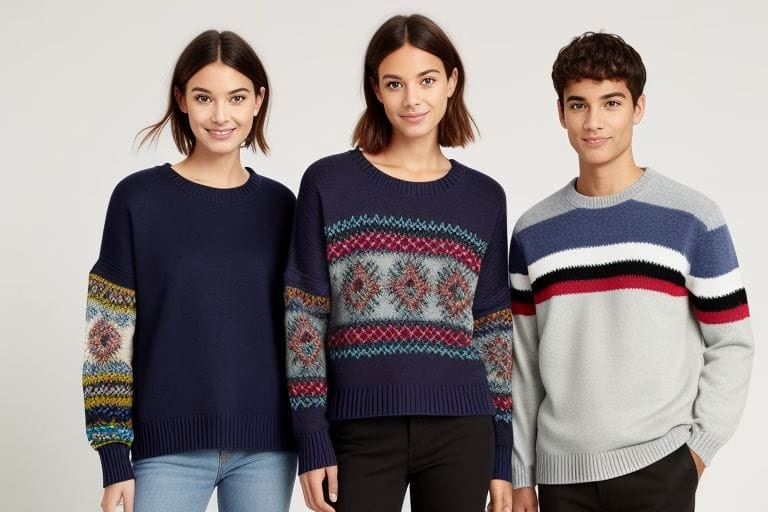
The world of sweaters is vast and varied. Here’s a detailed look at different sweater types, categorized by style, construction, and design:
By Style
- Pullover Sweaters: Pullover sweaters are classic, versatile, and easy to wear. They are designed to be pulled over the head and come in various necklines, including crew neck, V-neck, and turtleneck.
- Crew Neck Sweaters: Crew neck sweaters feature a round neckline that sits close to the collarbone. They are a wardrobe staple and can be dressed up or down. Crew neck sweaters are suitable for both men and women and can be paired with jeans, skirts, or dress pants.
- V-Neck Sweaters: V-neck sweaters have a V-shaped neckline that elongates the neck and flatters the face. They are often worn over collared shirts or blouses. V-neck sweaters are a popular choice for business casual outfits.
- Turtleneck Sweaters: Turtleneck sweaters feature a high, close-fitting collar that covers the neck. They provide excellent warmth and are ideal for cold weather. Turtleneck sweaters can be worn on their own or layered under jackets and coats.
- Cardigan Sweaters: Cardigan sweaters are open-front sweaters that can be buttoned, zipped, or left open. They are versatile layering pieces that can add warmth and style to any outfit.
- Button-Down Cardigans: Button-down cardigans feature buttons that run down the front. They come in various lengths and styles, from classic fitted cardigans to oversized, chunky knits.
- Zip-Up Cardigans: Zip-up cardigans have a zipper closure in the front. They are often made from sporty materials like fleece or knit and are ideal for casual wear.
- Shawl Collar Cardigans: Shawl collar cardigans feature a rounded, overlapping collar that resembles a shawl. They have a relaxed, cozy feel and are often made from thick, textured knits.
- Sweater Vests: Sweater vests are sleeveless sweaters that can be worn over shirts or blouses. They add warmth and style to an outfit without the bulk of sleeves. Sweater vests are a popular choice for layering in transitional weather.
- Classic Sweater Vests: Classic sweater vests are typically made from wool or cotton and feature a V-neck or crew neck. They are often worn in professional settings or as part of a preppy look.
- Fashion Sweater Vests: Fashion sweater vests come in various styles, from chunky knits to cropped designs. They can be worn as standalone tops or layered over dresses and skirts.
By Construction
- Cable Knit Sweaters: Cable knit sweaters feature raised, rope-like patterns that are created by twisting and crossing stitches. They are a classic style that adds texture and visual interest to any outfit. Cable knit sweaters are often made from wool or cotton and are ideal for cold weather.
- Fair Isle Sweaters: Fair Isle sweaters are characterized by intricate, multi-colored patterns that are inspired by traditional Scottish knitting. They feature geometric motifs and are often made from wool. Fair Isle sweaters are a festive and eye-catching choice for winter.
- Aran Sweaters: Aran sweaters, also known as fisherman sweaters, originated in the Aran Islands of Ireland. They feature complex cable knit patterns that are said to represent different aspects of Irish life. Aran sweaters are traditionally made from undyed wool and are known for their warmth and durability.
- Intarsia Sweaters: Intarsia sweaters feature bold, graphic designs that are created by knitting different colors of yarn into the fabric. The design is incorporated directly into the knit, rather than being embroidered or printed on. Intarsia sweaters are a creative and expressive choice for those who want to make a statement.
By Design
- Oversized Sweaters: Oversized sweaters are loose-fitting and comfortable. They are often worn with leggings or skinny jeans for a relaxed, casual look. Oversized sweaters can be made from various materials, from chunky knits to lightweight fabrics.
- Cropped Sweaters: Cropped sweaters are shorter in length, typically ending at or above the waist. They are often worn with high-waisted pants or skirts to create a balanced silhouette. Cropped sweaters are a trendy and youthful choice for warmer weather.
- Hooded Sweaters: Hooded sweaters, also known as hoodies, feature an attached hood that can be worn up or down. They are a popular choice for casual wear and athletic activities. Hoodies are often made from soft, comfortable materials like fleece or knit.
- Asymmetrical Sweaters: Asymmetrical sweaters feature uneven hemlines or necklines that create a unique and modern look. They can be draped, layered, or cut in unconventional shapes. Asymmetrical sweaters are a fashion-forward choice for those who want to stand out from the crowd.
Innovations in Sweater Design and Production
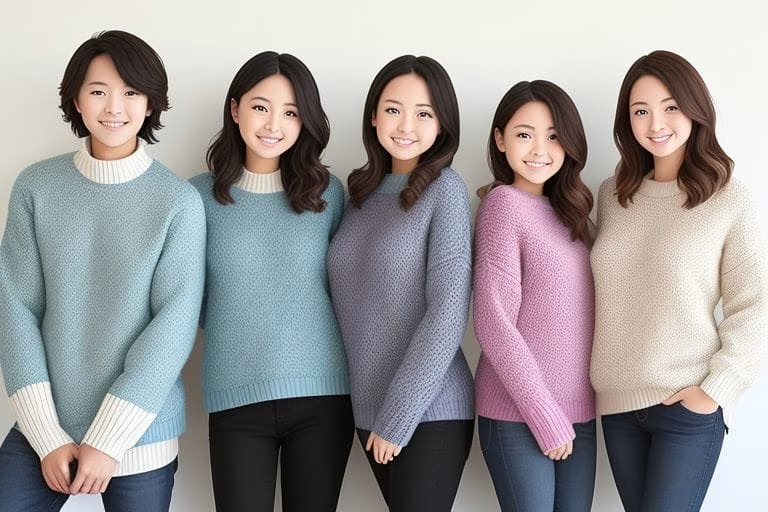
The sweater industry continues to evolve with innovations in design, materials, and production techniques.
- Sustainable Materials: Designers and manufacturers are increasingly using sustainable materials like organic cotton, recycled wool, and innovative plant-based fibers. These materials reduce the environmental impact of sweater production and appeal to eco-conscious consumers.
- 3D Knitting: 3D knitting technology allows for the creation of seamless, custom-fit sweaters with minimal waste. This innovative technique can produce complex shapes and textures that are difficult to achieve with traditional knitting methods.
- Smart Sweaters: Smart sweaters incorporate technology like sensors, heating elements, and connectivity features. These garments can track fitness data, regulate body temperature, and even monitor health metrics. Smart sweaters are a growing trend in the wearable technology market.
Real-World Applications of Sweaters
Sweaters are versatile garments with applications in various settings:
- Fashion: Sweaters are a staple in the fashion industry, offering endless possibilities for style and expression. Designers create sweaters in a wide range of colors, patterns, and silhouettes to cater to diverse tastes and trends.
- Outdoor Activities: Wool and fleece sweaters are popular choices for outdoor activities like hiking, skiing, and camping. They provide warmth, insulation, and protection from the elements.
- Workplace: Depending on the dress code, sweaters can be appropriate for the workplace. Classic sweater styles like V-neck sweaters and cardigans can be paired with dress pants or skirts for a professional look.
- Comfort and Leisure: Sweaters are often worn for comfort and relaxation at home. Soft, cozy sweaters are perfect for lounging, reading, or watching movies.
End-Users of Sweaters
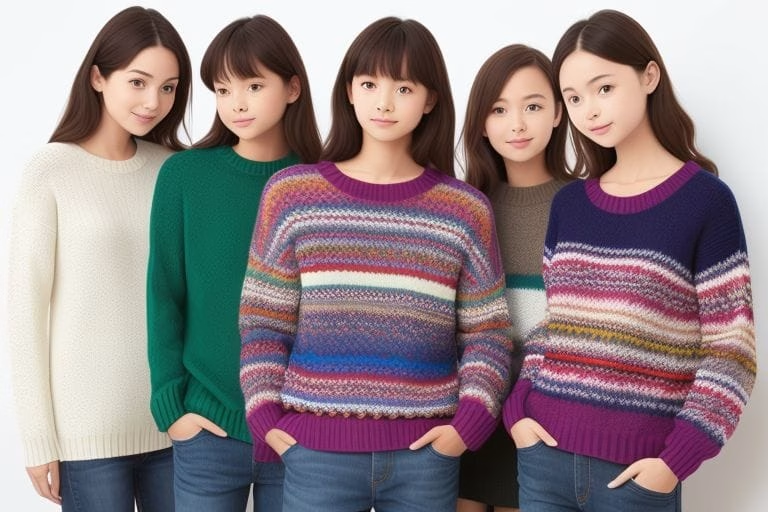
Sweaters appeal to a broad range of consumers:
- Men and Women: Sweaters are a unisex garment that can be worn by people of all genders.
- Age Groups: Sweaters are suitable for all age groups, from children to seniors.
- Fashion Enthusiasts: Fashion-conscious consumers appreciate the style and versatility of sweaters.
- Outdoor Enthusiasts: People who enjoy outdoor activities value the warmth and functionality of sweaters.
- Professionals: Depending on the workplace, professionals may wear sweaters as part of their business attire.
The Sweater Market: Trends and Opportunities
The global sweater market is a multi-billion dollar industry, driven by fashion trends, consumer demand, and technological innovations.
- Market Size: The sweater market continues to grow, with increasing demand for sustainable and ethically produced garments.
- Key Players: Major fashion brands, retailers, and manufacturers compete in the sweater market, offering a wide range of styles and price points.
- Trends: Current trends in the sweater market include oversized silhouettes, sustainable materials, and personalized designs.
- Opportunities: Opportunities in the sweater market include developing innovative materials, creating eco-friendly production processes, and catering to niche consumer segments.
The Future of Sweaters
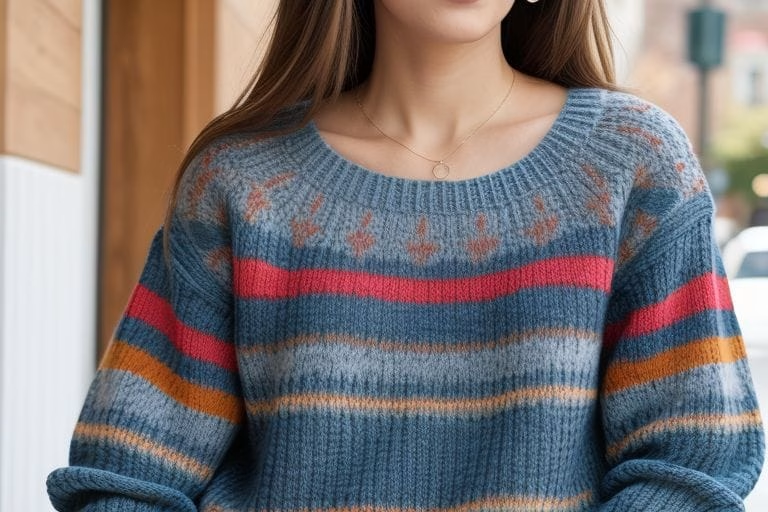
The future of sweaters is likely to be shaped by technological advancements, sustainability concerns, and evolving consumer preferences.
- Customization: 3D knitting and other technologies will enable greater customization of sweaters, allowing consumers to create garments that perfectly fit their bodies and style.
- Sustainability: The demand for sustainable sweaters will continue to grow, driving innovation in eco-friendly materials and production methods.
- Functionality: Smart sweaters with integrated technology will become more prevalent, offering enhanced functionality and connectivity.
- Inclusivity: The sweater market will become more inclusive, with a wider range of sizes, styles, and designs to cater to diverse body types and cultural backgrounds.
Summary
Sweaters are a versatile and essential part of any wardrobe, offering warmth, style, and comfort. From classic pullovers to innovative smart sweaters, the world of knitwear is vast and varied. Understanding the different types of sweaters, materials, and construction techniques can enhance your appreciation for these garments and inform your purchasing decisions. As technology advances and consumer preferences evolve, the future of sweaters promises even more exciting innovations and opportunities.