Introduction
Blouses are essential in modern wardrobes, offering versatility and style. They bridge the gap between casual and formal wear. A blouse can transform an outfit, adding elegance or a touch of playfulness. The evolution of blouses reflects changing fashion trends and social norms. Today, blouses come in various styles, fabrics, and embellishments, catering to diverse preferences.
History of Blouses
The history of blouses is intertwined with the evolution of women’s fashion. Initially, blouses were simple, functional garments worn by working-class women. These early blouses provided comfort and practicality.
- 19th Century: Blouses gained popularity as separates, paired with skirts. The Gibson Girl blouse, characterized by its puffed sleeves and high neck, became iconic.
- Early 20th Century: The rise of the suffragette movement influenced blouse designs. Practical and less restrictive styles emerged.
- Mid-20th Century: Blouses became more tailored and sophisticated. Designers like Christian Dior incorporated blouses into their collections.
- Late 20th Century: Blouses diversified with the introduction of new fabrics and styles. The disco era saw the rise of satin and sequined blouses.
- 21st Century: Today, blouses are available in endless variations. Trends range from minimalist designs to bold, statement pieces.
Technological Evolution in Blouse Production
Technological advancements have revolutionized blouse production. These innovations have improved efficiency, quality, and design capabilities.
- Sewing Machines: The invention of the sewing machine significantly sped up production. Mass production became possible, making blouses more accessible.
- Computer-Aided Design (CAD): CAD software allows designers to create intricate patterns and designs. This technology enhances precision and reduces material waste.
- Automated Cutting Machines: Automated cutting machines ensure accuracy and consistency. These machines can cut multiple layers of fabric simultaneously.
- Digital Printing: Digital printing enables complex and vibrant designs on blouses. This technology allows for customization and quick turnaround times.
- Smart Fabrics: The integration of smart fabrics introduces new functionalities. Features include temperature regulation and moisture-wicking properties.
Source and Availability
Blouses are widely available through various channels. These include retail stores, online marketplaces, and independent boutiques.
- Retail Stores: Department stores and specialty shops offer a wide selection of blouses. These stores provide the opportunity to try on blouses before purchasing.
- Online Marketplaces: E-commerce platforms like Amazon and Etsy feature countless blouse options. Online shopping offers convenience and competitive pricing.
- Independent Boutiques: Local boutiques often carry unique and handcrafted blouses. These boutiques provide personalized service and exclusive designs.
- Sustainable Brands: Eco-conscious consumers can find blouses made from sustainable materials. Brands like Eileen Fisher prioritize ethical production practices.
- Vintage Shops: Vintage stores offer one-of-a-kind blouses with retro appeal. These shops provide a sustainable option by repurposing garments.
Innovations in Blouse Design
Innovations in blouse design continue to push the boundaries of fashion. Designers are experimenting with new materials, silhouettes, and embellishments.
- Sustainable Fabrics: The use of organic cotton, Tencel, and recycled materials is growing. These fabrics reduce the environmental impact of blouse production.
- 3D Printing: 3D printing allows for the creation of intricate and sculptural blouse designs. This technology offers endless possibilities for customization.
- Modular Designs: Modular blouses can be customized with interchangeable components. This innovative approach allows for versatility and personalization.
- Shape-Memory Fabrics: These fabrics can retain a pre-set shape, adding structure and visual interest. Shape-memory fabrics create unique and futuristic designs.
- Interactive Elements: Some blouses incorporate interactive elements like LED lights or touch sensors. These features add a playful and high-tech dimension to fashion.
Production Process of Blouses
The production of blouses involves several key steps. These steps ensure quality and efficiency from design to finished product.
- Design: Designers create sketches and patterns, considering current trends and customer preferences. CAD software is often used to refine designs.
- Fabric Selection: The choice of fabric depends on the desired look, feel, and functionality. Common fabrics include cotton, silk, linen, and polyester.
- Pattern Making: Patterns are created based on the design specifications. Accurate patterns are essential for a well-fitting blouse.
- Cutting: Fabric is cut according to the patterns, either manually or with automated cutting machines. Precision is crucial to minimize waste.
- Sewing: The cut pieces are sewn together using sewing machines. Skilled sewers assemble the blouse, paying attention to detail.
- Embellishments: Embellishments like buttons, beads, and embroidery are added. These details enhance the aesthetic appeal of the blouse.
- Quality Control: Each blouse is inspected for defects and imperfections. Quality control ensures that only high-quality products reach the market.
- Finishing: The blouse is pressed, folded, and packaged for distribution. Finishing touches ensure a polished and professional appearance.
Challenges in Blouse Production
Blouse production faces several challenges, including ethical concerns and environmental impact. Addressing these challenges is crucial for sustainable growth.
- Ethical Labor Practices: Ensuring fair wages and safe working conditions is a major concern. Brands are increasingly focusing on ethical sourcing and production.
- Environmental Impact: The textile industry is a significant polluter. Reducing water consumption, chemical usage, and waste is essential.
- Fast Fashion: The demand for cheap and trendy blouses contributes to overconsumption. Promoting sustainable fashion and durable designs can mitigate this issue.
- Supply Chain Transparency: Tracing the origins of materials and production processes can be difficult. Transparency is crucial for accountability and ethical sourcing.
- Changing Consumer Preferences: Adapting to evolving trends and customer demands requires agility. Brands must innovate and respond quickly to market changes.
Real-World Applications of Different Blouse Types
Blouses are versatile garments suitable for various occasions. Different blouse types cater to specific needs and preferences.
- Workplace: Button-down blouses and tailored shirts are professional and polished. These blouses convey competence and attention to detail.
- Casual Wear: Flowy tunics and relaxed-fit blouses are comfortable and stylish. These blouses are perfect for everyday wear and casual outings.
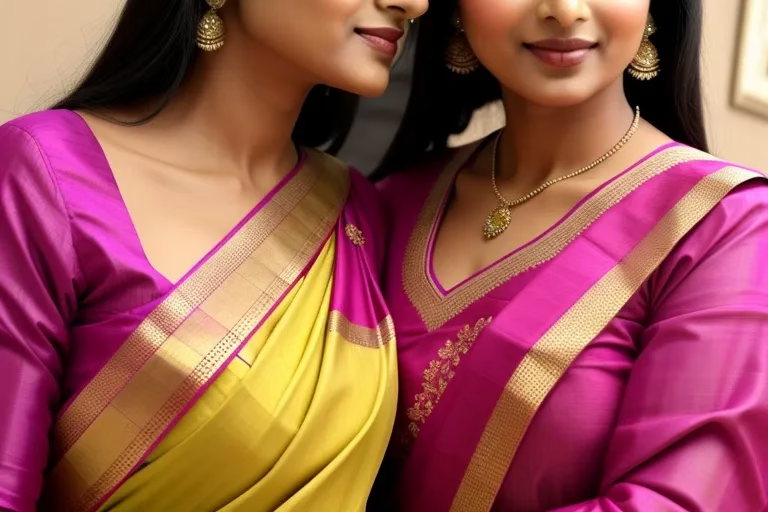
- Formal Events: Silk and satin blouses with embellishments are elegant and sophisticated. These blouses are ideal for parties, weddings, and special occasions.
- Outdoor Activities: Lightweight and breathable blouses are practical for outdoor adventures. Fabrics like linen and cotton provide comfort in warm weather.
- Creative Expression: Unique and artistic blouses allow for self-expression. Bold prints, unconventional designs, and DIY embellishments make a statement.
Types of Blouses
The variety of blouse types is vast, each offering a unique style and functionality. Here’s an extensive list of popular blouse styles:
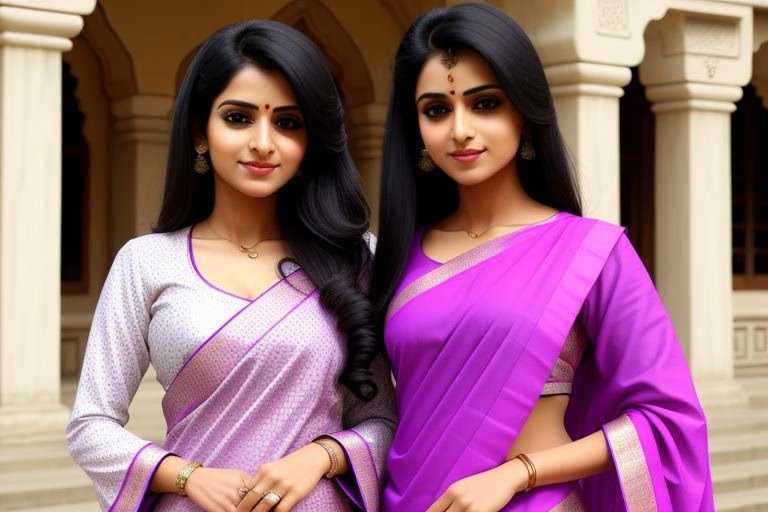
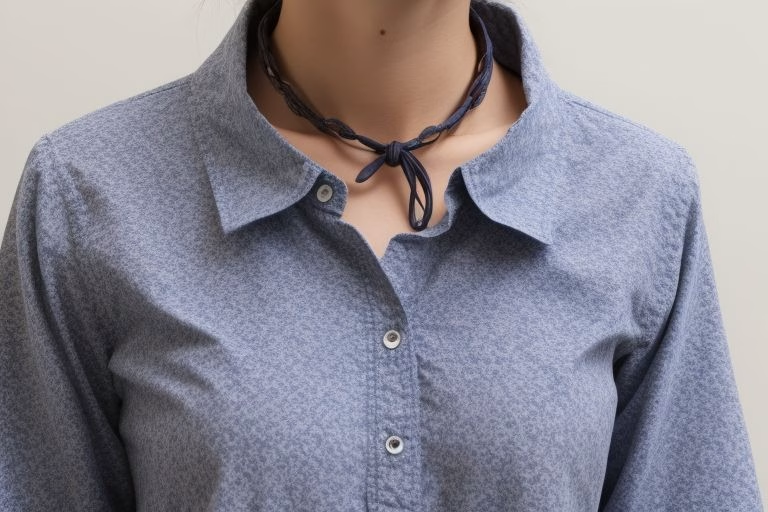
- Button-Down Blouse: A classic and versatile style with a front button closure. Suitable for both formal and casual settings.
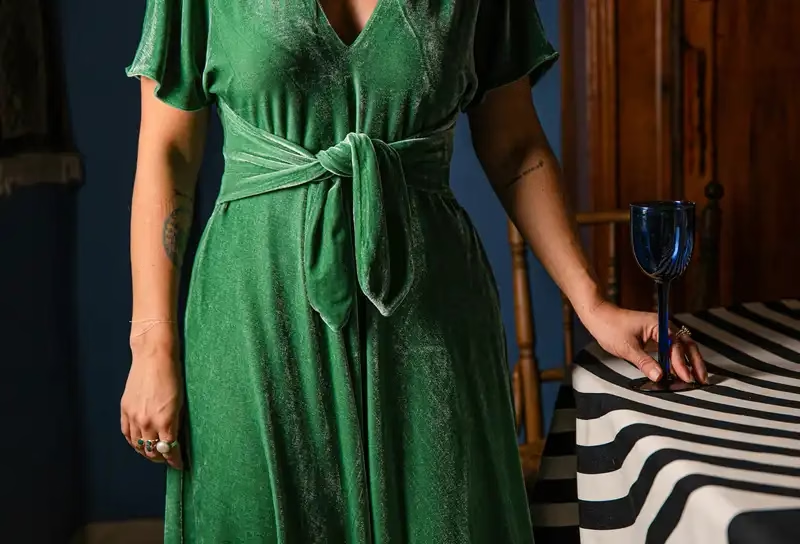
- Wrap Blouse: Features a wrap-around design that ties at the waist. Creates a flattering silhouette and adds a touch of elegance.
- Peplum Blouse: Fitted at the waist with a flared ruffle or peplum. Accentuates the waistline and adds a feminine touch.
- Off-the-Shoulder Blouse: Exposes the shoulders for a trendy and flirty look. Perfect for warm weather and special occasions.
- Cold Shoulder Blouse: Features cutouts at the shoulders while keeping the upper arms covered. A stylish and modern twist on the traditional blouse.
- Tie-Neck Blouse: Includes ties at the neckline that can be styled in various ways. Adds a sophisticated and polished look.
- Ruffle Blouse: Adorned with ruffles along the neckline, sleeves, or front. Adds a romantic and playful touch.
- Lace Blouse: Made from delicate lace fabric. Adds a feminine and elegant touch to any outfit.
- Silk Blouse: Crafted from luxurious silk fabric. Offers a smooth and elegant drape, perfect for formal occasions.
- Chiffon Blouse: Made from lightweight and sheer chiffon fabric. Provides a flowy and ethereal look.
- Denim Blouse: Constructed from durable denim fabric. Offers a casual and rugged style.
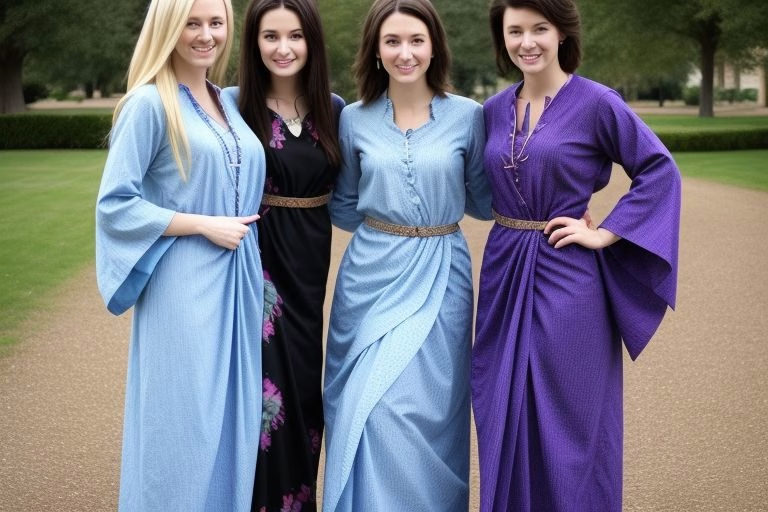
- Tunic Blouse: A long, loose-fitting blouse that extends to the hips or thighs. Comfortable and versatile for everyday wear.
- Peasant Blouse: Characterized by its loose fit, elasticized neckline, and often puffed sleeves. Offers a bohemian and relaxed vibe.
- Victorian Blouse: Inspired by Victorian-era fashion, featuring high necklines, lace details, and puffed sleeves. Adds a vintage and elegant touch.
- Pussy Bow Blouse: Includes a soft, flowing bow at the neckline. Adds a feminine and sophisticated touch.
- Sheer Blouse: Made from transparent or semi-transparent fabric. Often layered over a camisole or tank top for modesty.
- Cropped Blouse: A shorter blouse that ends above the waistline. Trendy and perfect for pairing with high-waisted bottoms.
- Asymmetrical Blouse: Features an uneven hemline or design. Adds a modern and edgy touch.
- Bell Sleeve Blouse: Features sleeves that flare out from the elbow. Adds a dramatic and stylish flair.
- Bishop Sleeve Blouse: Features full sleeves gathered at the wrist. Offers a romantic and elegant look.
- Dolman Sleeve Blouse: Features wide, batwing-like sleeves that narrow at the wrist. Comfortable and stylish for a relaxed fit.
- Flutter Sleeve Blouse: Features short, flowing sleeves that resemble wings. Adds a soft and feminine touch.
- Cap Sleeve Blouse: Features very short sleeves that barely cover the shoulder. Offers a subtle and elegant look.
- Sleeveless Blouse: A blouse without sleeves, perfect for warm weather. Can be dressed up or down for various occasions.
- Halter Top Blouse: Features a strap that goes around the back of the neck, leaving the shoulders bare. A stylish and summery option.
- Tube Top Blouse: A strapless blouse that fits snugly around the bust. Trendy and often worn for parties or casual outings.
- Bodysuit Blouse: A blouse that snaps or buttons at the crotch, providing a smooth and tucked-in look. Perfect for pairing with skirts or pants.
- Cowl Neck Blouse: Features a draped neckline that creates soft folds. Adds a sophisticated and elegant touch.
- Surplice Blouse: Features a V-neckline created by overlapping fabric panels. Flattering and versatile for various body types.
- High-Neck Blouse: Features a neckline that sits high on the neck. Adds a sophisticated and elegant touch.
- Turtleneck Blouse: Features a close-fitting, high neckline that covers the neck. Warm and stylish for colder weather.
- Mock Neck Blouse: Features a neckline that resembles a turtleneck but is shorter and less constricting. Offers a modern and comfortable alternative.
- Square Neck Blouse: Features a neckline with a square shape. Adds a modern and geometric touch.
- Scoop Neck Blouse: Features a U-shaped neckline. Flattering and versatile for various occasions.
- V-Neck Blouse: Features a V-shaped neckline. Elongates the neck and adds a slimming effect.
- Keyhole Blouse: Features a small opening at the neckline, often secured with a button or tie. Adds a subtle and elegant detail.
- One-Shoulder Blouse: Features a single strap or sleeve, leaving one shoulder bare. Trendy and perfect for parties or special occasions.
- Cape Blouse: Features a cape-like overlay that drapes over the shoulders. Adds a dramatic and stylish flair.
- Kimono Blouse: Inspired by traditional Japanese kimonos, featuring wide sleeves and a loose fit. Comfortable and stylish for a relaxed look.
- Sweater Blouse: Combines the comfort of a sweater with the style of a blouse. Often made from knit fabrics and suitable for cooler weather.
- Plaid Blouse: Features a plaid pattern, often made from flannel or cotton. Offers a casual and rustic style.
- Striped Blouse: Features stripes, either vertical or horizontal. Adds a classic and timeless touch.
- Polka Dot Blouse: Features polka dots, adding a playful and retro vibe.
- Floral Blouse: Adorned with floral prints, adding a feminine and romantic touch.
- Animal Print Blouse: Features animal prints like leopard, zebra, or snake. Adds a bold and exotic touch.
- Sequin Blouse: Covered in sequins, adding sparkle and glamour. Perfect for parties and special occasions.
- Embroidered Blouse: Adorned with embroidery, adding texture and detail. Offers a unique and artistic touch.
- Beaded Blouse: Embellished with beads, adding sparkle and elegance. Perfect for formal events.
- Fringe Blouse: Features fringe along the hemline, sleeves, or neckline. Adds a bohemian and playful touch.
- Metallic Blouse: Made from metallic fabrics, adding shine and glamour. Perfect for parties and special occasions.
End-Users of Blouses
Blouses appeal to a broad range of end-users, from professionals to fashion enthusiasts. The versatility of blouses makes them a staple in many wardrobes.
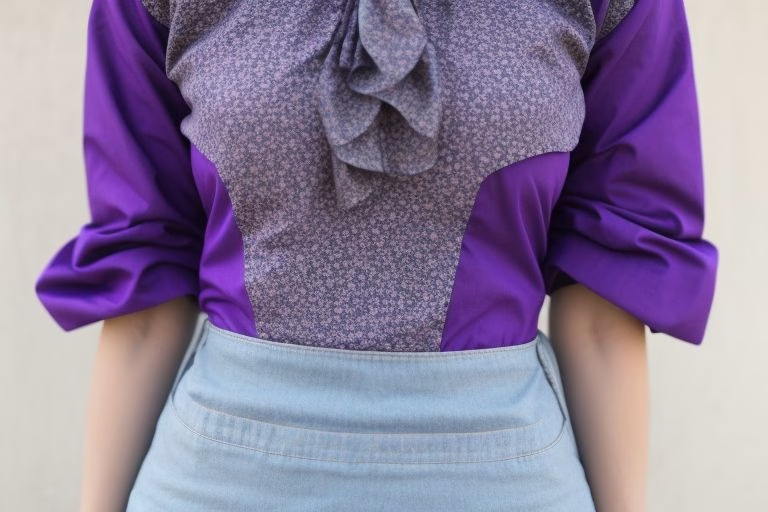
- Working Professionals: Blouses are a key component of business attire. They offer a polished and professional look.
- Students: Blouses can be dressed up or down for campus wear. They provide a stylish and comfortable option for classes and social events.
- Fashion Enthusiasts: Blouses offer endless opportunities for creative expression. They can be styled in countless ways to reflect personal style.
- Casual Wearers: Comfortable and relaxed blouses are perfect for everyday wear. They provide a stylish alternative to t-shirts and sweaters.
- Special Occasion Attendees: Elegant blouses are ideal for parties, weddings, and formal events. They add a touch of sophistication and glamour.
Market Trends in the Blouse Industry
The blouse market is influenced by evolving fashion trends and consumer preferences. Key trends include sustainability, inclusivity, and customization.
- Sustainability: Demand for eco-friendly and ethically produced blouses is growing. Consumers are increasingly conscious of the environmental impact of their clothing.
- Inclusivity: Brands are offering a wider range of sizes and styles to cater to diverse body types. Inclusivity is becoming a key consideration in design and marketing.
- Customization: Personalized blouses with unique designs and embellishments are gaining popularity. Consumers seek individuality and self-expression.
- Digitalization: Online shopping and social media influence purchasing decisions. Brands are leveraging digital channels to reach and engage with customers.
- Comfort and Functionality: Blouses that offer both style and comfort are in demand. Features like breathable fabrics and relaxed fits are highly valued.
Future of Blouses
The future of blouses is bright, with ongoing innovations and evolving trends. Expect to see more sustainable materials, advanced technologies, and personalized designs.
- Smart Textiles: Integration of sensors and interactive elements will enhance functionality. Blouses may monitor health metrics or respond to environmental conditions.
- Circular Fashion: Blouses will be designed for longevity and recyclability. Brands will prioritize closed-loop systems and waste reduction.
- Virtual试穿: Augmented reality (AR) and virtual reality (VR) will transform the shopping experience. Customers can virtually try on blouses before purchasing.
- On-Demand Manufacturing: 3D printing and automated production will enable customized blouses. Consumers can design their own blouses and have them made quickly.
- Collaborative Design: Brands will collaborate with artists and influencers to create unique collections. Co-creation will drive innovation and engagement.
Summary
Blouses have come a long way from their humble beginnings. Today, they are a versatile and essential part of any wardrobe. With ongoing innovations in design, materials, and production, the future of blouses promises even more exciting possibilities. From sustainable fabrics to smart textiles, blouses will continue to evolve and adapt to meet the changing needs and preferences of consumers.