Introduction
Lampshades serve an essential purpose. They modify and soften the light emitted from a bulb. Beyond functionality, lampshades enhance the aesthetic appeal of lamps. Consequently, they integrate seamlessly with your interior decor. The right lampshade can transform a room. It can turn a simple light source into a statement piece. Therefore, understanding the different types of lampshades is essential. This understanding allows you to make informed choices. You will be able to select shades that complement both your lighting needs and your personal style.
History of Lampshades
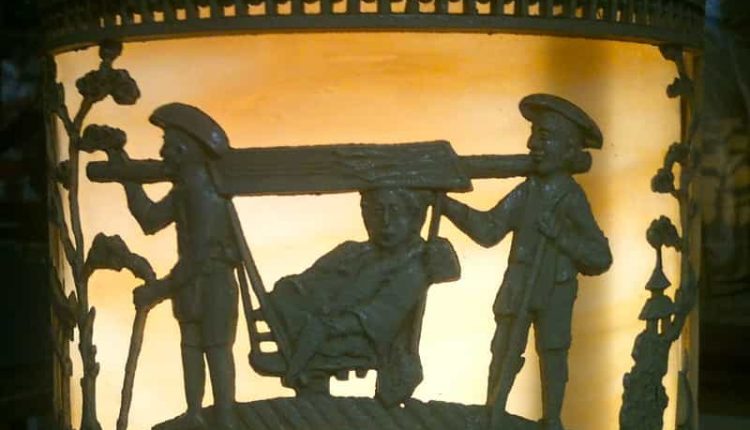
The history of lampshades is closely linked with the evolution of artificial lighting. Early lampshades were simple. They were designed to protect flames from drafts. They also served to diffuse the harsh light of candles and oil lamps.
- Early Materials: Materials like paper, cloth, and animal hides were common. These materials provided basic light diffusion and protection.
- The Victorian Era: As gas and electric lighting became more prevalent, lampshades became more elaborate. The Victorian era saw shades adorned with beads, fringes, and intricate fabrics. These designs reflected the opulence of the time.
- 20th Century and Beyond: The 20th century brought about new materials and designs. The Art Deco movement introduced geometric shapes and luxurious materials like silk and parchment. Later, mid-century modern designs favored simple, clean lines. Today, lampshades come in a vast array of styles and materials. They cater to diverse tastes and interior design trends.
Technological Evolution
The evolution of lampshades has been influenced by technological advancements in lighting and materials.
- Early Innovations: Early lampshades primarily focused on functionality. The invention of the incandescent light bulb necessitated shades that could handle higher temperatures.
- Material Advancements: The development of new materials like plastics, polymers, and treated fabrics has expanded design possibilities. These materials offer enhanced durability, heat resistance, and aesthetic flexibility.
- Smart Lighting: Modern lampshades are often designed to work with smart lighting systems. They can integrate with dimmers, color-changing bulbs, and automated controls. This allows for customized lighting experiences.
Types of Lampshades
The variety of lampshades available today is extensive. Each type offers unique characteristics. These characteristics affect light diffusion and overall aesthetic. Here are some of the most common and popular types:
Drum Lampshades
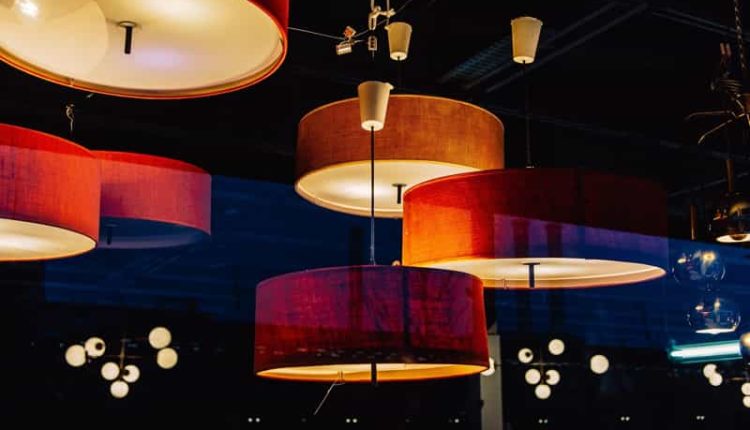
Description: Drum lampshades feature a cylindrical shape. This shape provides a clean, contemporary look. They are versatile. They suit various lamp styles and room decors.
Materials: Common materials include linen, cotton, silk, and synthetic fabrics. These are often laminated onto a rigid backing for structure.
Applications: Ideal for living rooms, bedrooms, and offices. Drum shades provide a balanced, ambient light.
Pros:
- Modern and versatile design
- Even light distribution
- Wide range of sizes and materials
Cons:
- Can appear too simple for very traditional settings
- May not direct light as effectively as other shapes
Empire Lampshades

Description: Empire lampshades are wider at the bottom than at the top. They offer a classic, elegant silhouette. This shape is one of the most traditional and widely used designs.
Materials: Typically made from fabric such as silk, linen, or cotton. They are often paired with a wire frame for support.
Applications: Suitable for traditional and transitional decor styles. Commonly used in living rooms, dining rooms, and bedrooms.
Pros:
- Classic and elegant appearance
- Directs light downward, ideal for reading
- Versatile for various lamp styles
Cons:
- May appear outdated in very modern settings
- Can create a concentrated pool of light
Coolie Lampshades
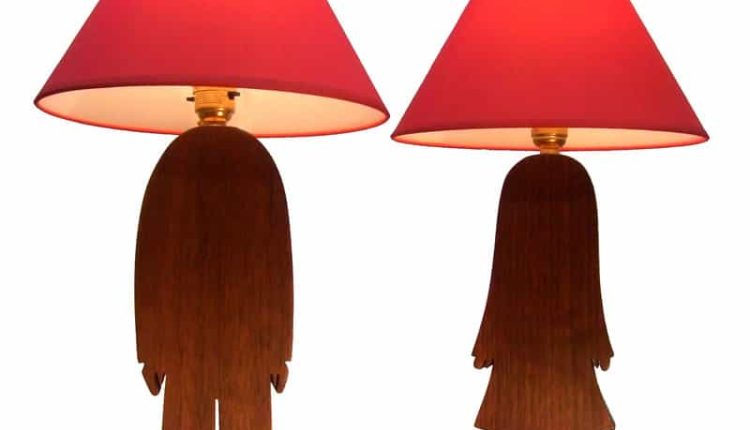
Description: Coolie lampshades are shaped like a cone. They feature a wide, sloping shade. This design is reminiscent of traditional Asian hats.
Materials: Materials range from paper and fabric to metal and plastic.
Applications: Often used in reading nooks, studies, and bedrooms. They provide focused downward lighting.
Pros:
- Directs light effectively for task lighting
- Unique and stylish design
- Available in various materials
Cons:
- May not provide sufficient ambient light for larger rooms
- Can create harsh shadows if the bulb is too bright
Bell Lampshades
Description: Bell lampshades curve outward. They resemble the shape of a bell. They add a soft, feminine touch to any room.
Materials: Commonly made from fabric. Options include silk, linen, and velvet. Often trimmed with decorative elements like beads or fringe.
Applications: Perfect for bedrooms, living rooms, and nurseries. They create a warm, inviting atmosphere.
Pros:
- Soft and elegant appearance
- Diffuses light gently
- Adds a touch of sophistication
Cons:
- May not suit modern or minimalist decor
- Can be challenging to clean due to intricate details
Square Lampshades
Description: Square lampshades feature a geometric, contemporary shape. They offer a modern alternative to traditional round shades.
Materials: Available in a variety of materials, including fabric, paper, and synthetic materials.
Applications: Ideal for modern and contemporary interiors. They work well in living rooms, bedrooms, and offices.
Pros:
- Modern and geometric design
- Provides a unique aesthetic
- Suitable for various lamp styles
Cons:
- May not complement traditional decor
- Can create uneven light distribution if not designed well
Rectangle Lampshades
Description: Rectangle lampshades offer a sleek, linear design. They are perfect for adding a structured element to a room.
Materials: Common materials include fabric, paper, and synthetic blends.
Applications: Well-suited for modern and minimalist spaces. They work well in living rooms, bedrooms, and studies.
Pros:
- Clean and linear design
- Adds a structured element to the room
- Suitable for contemporary interiors
Cons:
- May not blend well with traditional styles
- Can appear too formal for casual spaces
Novelty Lampshades
Description: Novelty lampshades come in various fun, unique shapes and designs. They add a whimsical touch to any space.
Materials: Materials vary widely. Options include fabric, paper, plastic, and metal.
Applications: Perfect for children’s rooms, game rooms, and themed spaces.
Pros:
- Adds a fun, unique touch
- Great for personalizing a space
- Available in countless designs
Cons:
- May not suit formal or sophisticated decor
- Can become outdated quickly
Torchiere Lampshades
Description: Torchiere lampshades are designed for floor lamps that direct light upwards. They create ambient uplighting.
Materials: Typically made from glass, metal, or fabric.
Applications: Ideal for living rooms, dining rooms, and entryways. They provide soft, indirect lighting.
Pros:
- Provides ambient uplighting
- Adds a sense of height to the room
- Suitable for various decor styles
Cons:
- May not provide sufficient task lighting
- Can be less energy-efficient
Pleated Lampshades
Description: Pleated lampshades feature fabric that is folded into regular pleats. This design adds texture and visual interest.
Materials: Commonly made from fabric like silk, cotton, or linen.
Applications: Suitable for traditional and vintage-inspired interiors. They work well in living rooms, bedrooms, and dining rooms.
Pros:
- Adds texture and visual interest
- Diffuses light softly
- Suitable for traditional decor
Cons:
- Can be challenging to clean
- May appear outdated in modern settings
Silk Lampshades
Description: Silk lampshades offer a luxurious, elegant look. They provide a soft, warm glow.
Materials: Made from silk or silk blends.
Applications: Ideal for bedrooms, living rooms, and formal spaces.
Pros:
- Luxurious and elegant appearance
- Provides a soft, warm glow
- Adds a touch of sophistication
Cons:
- Can be expensive
- Requires delicate cleaning
Linen Lampshades
Description: Linen lampshades offer a natural, textured look. They provide a soft, diffused light.
Materials: Made from linen or linen blends.
Applications: Suitable for various decor styles. They work well in living rooms, bedrooms, and studies.
Pros:
- Natural and textured appearance
- Provides a soft, diffused light
- Versatile for various decor styles
Cons:
- Can wrinkle easily
- May not be as durable as other materials
Paper Lampshades
Description: Paper lampshades are lightweight. They offer a simple, clean aesthetic.
Materials: Made from various types of paper, including rice paper and parchment paper.
Applications: Ideal for minimalist and contemporary spaces. They work well in bedrooms, living rooms, and studies.
Pros:
- Lightweight and affordable
- Simple, clean aesthetic
- Provides a soft, diffused light
Cons:
- Can be fragile
- May not be as durable as other materials
Metal Lampshades
Description: Metal lampshades offer a modern, industrial look. They provide focused lighting.
Materials: Made from various metals, including steel, aluminum, and brass.
Applications: Ideal for industrial, modern, and minimalist spaces. They work well in living rooms, kitchens, and studies.
Pros:
- Durable and long-lasting
- Modern, industrial aesthetic
- Provides focused lighting
Cons:
- Can get hot
- May not provide ambient lighting
Glass Lampshades
Description: Glass lampshades offer a classic, elegant look. They provide a bright, clear light.
Materials: Made from various types of glass. Options include clear, frosted, and colored glass.
Applications: Ideal for living rooms, dining rooms, and bedrooms.
Pros:
- Classic and elegant appearance
- Provides a bright, clear light
- Available in various styles
Cons:
- Can be fragile
- May require frequent cleaning
Fabric Lampshades
Description: Fabric lampshades are versatile. They come in various colors, patterns, and textures. They offer a soft, diffused light.
Materials: Made from various fabrics. Options include cotton, linen, silk, and synthetics.
Applications: Suitable for various decor styles. They work well in living rooms, bedrooms, and nurseries.
Pros:
- Versatile and customizable
- Provides a soft, diffused light
- Available in various colors and patterns
Cons:
- Can be challenging to clean
- May fade over time
Source and Availability
Lampshades are widely available from various sources.
- Retail Stores: Major retailers offer a broad selection of lampshades.
- Online Marketplaces: E-commerce platforms provide a vast array of options. You can compare styles and prices.
- Specialty Lighting Stores: These stores offer unique, high-end lampshades.
- Custom Shops: Custom lampshade makers can create bespoke designs. They perfectly match your specific needs.
Innovations in Lampshade Design
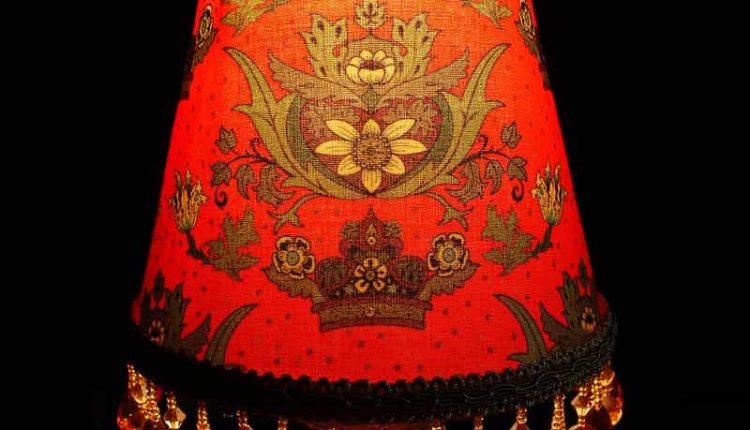
Recent innovations in lampshade design focus on sustainability, technology, and aesthetics.
- Sustainable Materials: Manufacturers are increasingly using recycled and sustainable materials. These materials include bamboo, recycled paper, and organic cotton.
- Smart Technology Integration: Lampshades are being designed with built-in LED lighting. They are also compatible with smart home systems. This allows for automated lighting control and energy efficiency.
- 3D Printing: 3D printing technology enables the creation of complex, custom lampshade designs. This opens up new possibilities for unique and personalized lighting solutions.
Production Process
The production process of lampshades varies depending on the material and design. However, some general steps are involved.
- Frame Construction: A wire or metal frame is constructed to provide the shade’s shape.
- Material Cutting: The chosen material is cut to the required size and shape.
- Lamination (if applicable): Fabric or paper is laminated onto a rigid backing for added structure and durability.
- Assembly: The material is attached to the frame. It is either glued, sewn, or clipped into place.
- Finishing: Trims, edges, and other decorative elements are added to complete the design.
Challenges in Lampshade Production
The lampshade industry faces several challenges.
- Material Costs: Fluctuations in the cost of raw materials. These affect production costs and pricing.
- Labor Costs: Labor-intensive production. This can be a challenge in regions with high labor costs.
- Sustainability: Pressure to use sustainable materials and production methods. This requires investment in new technologies and processes.
- Competition: Intense competition from low-cost manufacturers. This necessitates a focus on innovation and quality.
Real-World Applications
Lampshades are used in a wide range of settings.
- Residential: Homes use lampshades for general lighting, task lighting, and decorative purposes.
- Commercial: Offices, hotels, and restaurants use lampshades to create specific ambiances.
- Hospitality: Hotels and resorts rely on lampshades to enhance guest experience.
- Retail: Retail stores use lampshades to highlight merchandise and create inviting shopping environments.
End-Users
The end-users of lampshades are diverse.
- Homeowners: They are looking to enhance their interior decor.
- Interior Designers: They are seeking to create specific lighting schemes.
- Commercial Businesses: They aim to improve ambiance and functionality.
- Hospitality Industry: They want to enhance guest experience.
Market Trends
The lampshade market is influenced by several trends.
- Customization: Growing demand for custom lampshades. This allows consumers to create personalized lighting solutions.
- Sustainability: Increased focus on eco-friendly materials and production methods.
- Smart Lighting: Integration of smart technology into lampshade design.
- Minimalism: Popularity of simple, minimalist designs.
Future of Lampshades
The future of lampshades is likely to be shaped by technological advancements and changing consumer preferences.
- Smart Integration: More seamless integration with smart home systems.
- Advanced Materials: Use of advanced materials. These include self-cleaning fabrics and light-emitting polymers.
- Personalization: Increased focus on personalized and customizable designs.
- Sustainability: Greater emphasis on sustainable and eco-friendly materials.
Formulas and Calculations
While lampshade design doesn’t involve complex formulas, understanding basic lighting calculations can help in selecting the right shade.
- Lumen Output: Lumens measure the total amount of visible light emitted by a light source.
Lumens = Light Intensity (candelas) × Solid Angle (steradians)
- Foot-Candles: Foot-candles measure the illuminance on a surface.
Foot-Candles = Lumens / Area (square feet)
- Color Temperature: Measured in Kelvin (K), color temperature affects the ambiance.
- Warm light: 2700K – 3000K (creates a cozy atmosphere)
- Cool light: 4000K – 5000K (provides brighter, more focused light)
Diagrams and Charts
A visual representation of different lampshade shapes can be helpful.
| Shape | Description | Applications |
|---|---|---|
| Drum | Cylindrical shape, providing a clean, contemporary look. | Living rooms, bedrooms, offices |
| Empire | Wider at the bottom than at the top, offering a classic, elegant silhouette. | Traditional and transitional decor styles, living rooms, dining rooms, bedrooms |
| Coolie | Cone-shaped with a wide, sloping shade, reminiscent of traditional Asian hats. | Reading nooks, studies, bedrooms |
| Bell | Curved outward, resembling the shape of a bell, adding a soft, feminine touch. | Bedrooms, living rooms, nurseries |
| Square | Geometric, contemporary shape, offering a modern alternative to traditional round shades. | Modern and contemporary interiors, living rooms, bedrooms, offices |
| Rectangle | Sleek, linear design, perfect for adding a structured element to a room. | Modern and minimalist spaces, living rooms, bedrooms, studies |
| Torchiere | Designed for floor lamps that direct light upwards, creating ambient uplighting. | Living rooms, dining rooms, entryways |
| Pleated | Fabric folded into regular pleats, adding texture and visual interest. | Traditional and vintage-inspired interiors, living rooms, bedrooms, dining rooms |
| Silk | Luxurious, elegant look, providing a soft, warm glow. | Bedrooms, living rooms, formal spaces |
| Linen | Natural, textured look, providing a soft, diffused light. | Various decor styles, living rooms, bedrooms, studies |
| Paper | Lightweight, simple, clean aesthetic, providing a soft, diffused light. | Minimalist and contemporary spaces, bedrooms, living rooms, studies |
| Metal | Modern, industrial look, providing focused lighting. | Industrial, modern, and minimalist spaces, living rooms, kitchens, studies |
| Glass | Classic, elegant look, providing a bright, clear light. | Living rooms, dining rooms, bedrooms |
| Fabric | Versatile, available in various colors, patterns, and textures, offering a soft, diffused light. | Various decor styles, living rooms, bedrooms, nurseries |
Best Practices for Choosing Lampshades
Selecting the right lampshade involves several considerations.
- Size and Proportion: Ensure the lampshade is proportional to the lamp base. A general rule is that the lampshade should be about two-thirds the height of the base.
- Shape: Choose a shape that complements the lamp base and the room’s decor.
- Material: Consider the material’s effect on light diffusion and the overall aesthetic.
- Color: Select a color that harmonizes with the room’s color scheme.
- Light Output: Determine the desired level of light. Consider the shade’s opacity and the bulb’s wattage.
Conclusion
Selecting the perfect lampshade involves balancing functionality with aesthetics. By understanding the various types, materials, and design innovations, you can choose lampshades that enhance your lighting and complement your interior decor. Whether you prefer a classic empire shade, a modern drum shade, or a unique novelty design, the right lampshade can transform any room into a well-lit, stylish space.