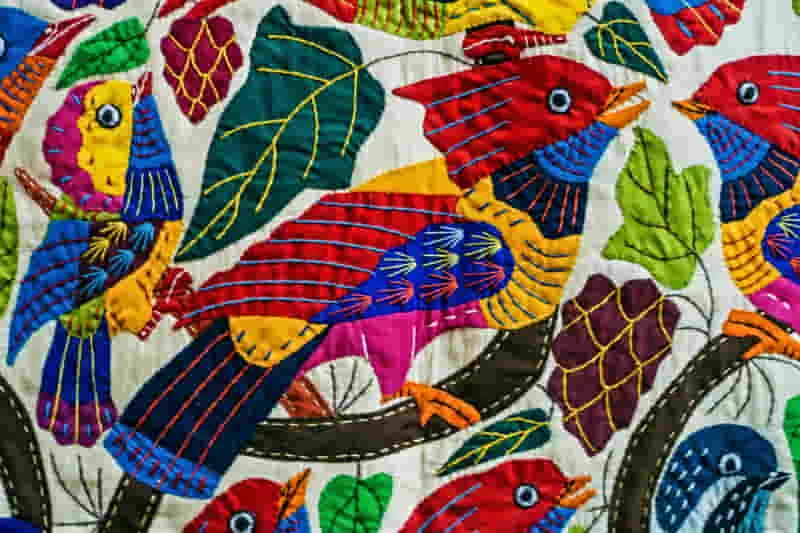
This in-depth article explores the role of textile art in activism, highlighting global traditions, techniques, artists, and innovations that make cloth a powerful medium for social justice storytelling.
Introduction
Textiles have long served as more than mere coverings or commodities. Across centuries and continents, fabrics have communicated identity, preserved cultural memory, and offered resistance in times of turmoil. Today, textile art as activism is a powerful movement that harnesses the tactile, intimate nature of cloth to speak truth to power. Whether through quilted protest banners, embroidered portraits, or upcycled installation pieces, artists and communities are using textiles to weave narratives of justice, equity, and resistance.
This article explores how textile artists and designers are telling social justice stories through fabric, with a deep look at historical contexts, material techniques, global movements, and future possibilities for integrating activism into the art of cloth.
Historical Roots of Textile-Based Activism
Textile activism is not a new phenomenon. Historically, cloth has carried political and social weight:
- In 18th-century France, woven jacquard looms were used to encode secret messages of resistance.
- The Abolitionist movement in the U.S. used quilts with coded symbols (e.g., the Underground Railroad) to guide enslaved people toward freedom.
- In India, khadi (handspun cotton) became a symbol of self-reliance and defiance against British colonial rule.
- Suffragettes embroidered handkerchiefs during imprisonment, preserving solidarity and protest.
These examples demonstrate how textiles have always been tools of subversion, communication, and cultural preservation.
Why Textiles? The Medium as Message
Fabrics offer unique affordances for activism:
- Accessibility: Textile practices like sewing, knitting, and quilting are widely practiced and easily shared.
- Domestic Power: By emerging from traditionally feminine and domestic spheres, textile activism challenges patriarchal norms.
- Physicality and Memory: Cloth is intimate, tactile, and often tied to personal and collective memory.
- Portability and Visibility: Textile banners, garments, and wearable statements are mobile tools of protest.
In combining these qualities, textile art turns the personal into political, bridging gaps between lived experience and public discourse.
Forms and Techniques of Textile Activism
Textile activism manifests in various forms, from traditional crafts to avant-garde installations. Common techniques include:
| Technique | Description | Common Uses |
|---|---|---|
| Quilting | Layered fabric stitched in patterns | Memorial projects, story mapping |
| Embroidery | Thread stitched onto fabric | Portraiture, slogans, symbolic motifs |
| Weaving | Interlacing threads on a loom | Flags, coded language, symbolic design |
| Screen printing | Ink pressed through stencils | Protest banners, graphic t-shirts |
| Appliqué | Fabric patches sewn on base fabric | Visual storytelling |
| Dyeing & Batik | Color applied using natural or resist techniques | Cultural symbolism |
Many artists also incorporate found objects, upcycled garments, and personal mementos into their pieces, enhancing the emotional and material narrative.
Global Perspectives: Textile Activism Around the World
A. Latin America: Chile’s Arpilleras
During Pinochet’s dictatorship (1973–1990), Chilean women created arpilleras—hand-sewn appliqué tapestries depicting scenes of violence and resistance. These were smuggled abroad to raise global awareness of human rights abuses.
B. South Africa: Keiskamma Art Project
This collective uses embroidery to document HIV/AIDS, apartheid legacy, and land displacement. Their monumental tapestries echo the Bayeux style but center on contemporary social struggles.
C. Palestine: Tatreez Embroidery
Tatreez preserves cultural identity under occupation, with each stitch reflecting village origins, resistance narratives, and generational memory.
D. United States: The AIDS Memorial Quilt
The largest community art project in history, it memorializes those lost to HIV/AIDS and challenges stigma. Each panel represents a life, often crafted by friends and loved ones.
E. India: Kantha and Block Print Protest
Contemporary Indian textile artists are reviving traditional kantha stitching and Ajrakh block printing to critique caste violence, gender inequality, and environmental degradation.
Notable Artists and Collectives Using Textile Activism
Faith Ringgold (USA)
Her story quilts address race, gender, and class in American life. Famous works like “Tar Beach” combine painting and quilting with narrative text.
Bisa Butler (USA)
Creates vibrant quilted portraits using African wax prints to honor Black lives and histories.
Tania Bruguera (Cuba)
Known for using textiles in performative installations that question state control and repression.
Craftivist Collective (UK)
Founded by Sarah Corbett, this group uses “gentle protest” in the form of cross-stitch mini-banners placed in public spaces to provoke thoughtful change.
Diedrick Brackens (USA)
Weaves large-scale tapestries combining African-American and queer narratives, often using fishing line and cotton to symbolize strength and fragility.
Textile Installations as Immersive Activism
Larger-than-life textile works often create immersive environments that invite reflection, participation, and dialogue:
- Wall-sized quilts in museum galleries
- Fabric labyrinths representing migrant journeys
- Flags stitched with survivor testimonials
- Rooms filled with hanging cloth, each bearing a protest message
These installations break the boundary between art and audience, asking viewers to walk through the story.
Digital Platforms and Community Engagement
Digital tools now allow textile activism to reach broader audiences:
- Instagram as a virtual gallery for embroidery activism
- Crowdsourced quilt projects coordinated through websites
- TikTok tutorials sharing protest stitching techniques
- NFTs of textile art used to fund social justice causes
Technology enhances reach while maintaining the tactile, handmade ethos of textile work.
Key Issues Explored Through Textile Activism
- Racial justice: Quilts memorializing victims of police violence
- Gender and LGBTQ+ rights: Pride flag reinterpretations, embroidered testimonies
- Climate justice: Natural-dye textile works addressing pollution and Indigenous land defense
- Disability justice: Tactile quilts for inclusive storytelling
- Migration and refugee crises: Fabric passports, stitched narratives of displacement
| Issue | Textile Medium | Artist/Collective Example |
|---|---|---|
| Climate change | Natural dye + patchwork | Social Fabric Collective (USA) |
| Feminist justice | Cross-stitch banners | Craftivist Collective (UK) |
| Migration | Embroidered maps | Refugee Threads (EU) |
Techniques for Aspiring Textile Activists
- Begin with accessible methods: hand embroidery, visible mending, patchwork
- Incorporate symbolic color palettes and motifs
- Use upcycled or found textiles to reflect sustainability
- Combine text and texture for maximum impact
- Collaborate with marginalized communities directly
Challenges and Ethical Considerations
- Appropriation vs. Appreciation: Respecting traditional motifs and Indigenous craft protocols
- Commodification Risk: Balancing message with marketability
- Emotional Toll: Artists dealing with traumatic themes need mental health support
- Access and Inclusivity: Ensuring materials, venues, and participation are available to all
Ethical textile activism must be as collaborative and transparent as the values it promotes.
Textile Education and Activist Curriculum
Design schools and community programs are incorporating activist fiber arts into their offerings:
- Courses on material storytelling, social practice, and decolonial design
- Workshops pairing artists with activists or historians
- Exhibitions co-curated with impacted communities
This creates pipelines for emerging artists to use textiles as tools for both artistic growth and social impact.
Future Outlook: Where Is Textile Activism Going?
- AR-enabled quilts: Allow viewers to scan with phones and access hidden stories
- Wearable protest tech: E-textiles that light up or change message in real time
- Decentralized craft networks: Online collectives using fiber art to organize movements
- Regenerative dyeing: Linking climate action with craft by using carbon-negative dyes
- Textile archiving: Creating databases of historic and modern protest textiles for education
Textile activism is becoming more immersive, digital, and globally interconnected, but remains rooted in the act of making as resistance.
Summary
From freedom quilts to fiber-based installations, textile art as activism honors the long tradition of fabric as a vessel for resistance, remembrance, and revolution. Artists today use thread and cloth to amplify marginalized voices, critique injustice, and inspire change—transforming looms and needles into instruments of social transformation.
In a world overwhelmed with noise, textile activism speaks with texture, patience, and clarity. Its tactile power draws us closer to the stories that must be heard—and stitched into collective memory.
Citations:
- Smithsonian Center for Folklife and Cultural Heritage – Textile Activism Projects: https://folklife.si.edu
- The Craftivist Collective – https://craftivist-collective.com
- International Quilt Museum – https://www.internationalquiltmuseum.org
- Textile Society of America – https://textilesocietyofamerica.org