

Introduction
Dresses have been a staple in wardrobes across the globe for centuries. They embody versatility, adapting to various occasions, body types, and personal styles. Understanding the nuances of different dress types is essential for anyone looking to enhance their fashion sense or work within the textile and apparel industry. This guide provides an in-depth look at the myriad of dress styles, their origins, and their impact on contemporary fashion.
History of Dresses
The history of dresses is as rich and varied as the cultures that have embraced them. Early forms of dresses can be traced back to ancient civilizations, where simple, draped fabrics were used for both practical and symbolic purposes.
- Ancient Civilizations: In ancient Egypt, both men and women wore the kalasiris, a linen garment that varied in length and style according to social status. Similarly, in ancient Greece, the peplos and chiton were common, draped garments made from wool or linen. These early dresses were not tailored but relied on the natural fall of the fabric to create shape and form.
- Medieval Period: During the medieval period, dresses evolved to become more structured. The cotte was a basic, close-fitting garment, often worn with a surcote, an outer layer that could be more decorative. As time progressed, dresses became more elaborate, with features like fitted bodices, wide skirts, and long, flowing sleeves.
- Renaissance Era: The Renaissance brought about significant changes in dress design. Corsets became popular, creating a defined waist and an elongated torso. Dresses were often made from luxurious fabrics like silk and velvet, adorned with intricate embroidery and jewels. The farthingale, a hooped petticoat, was introduced to create the iconic wide skirt silhouette of the era.
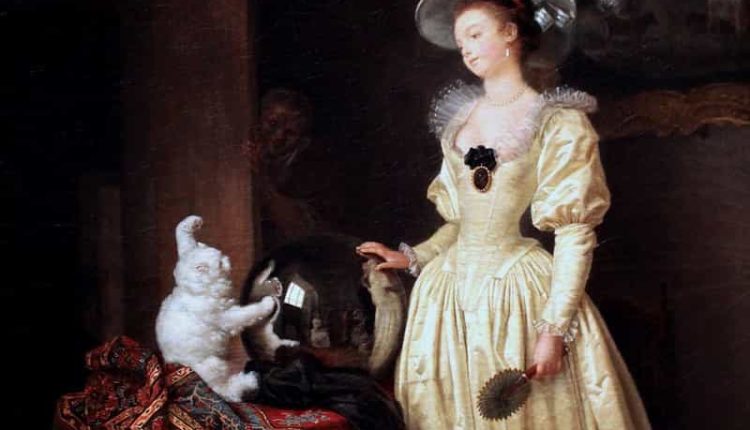
- 18th Century: The 18th century saw the rise of the Robe à la Française, a wide, panniered gown that epitomized the opulence of the French court. These dresses were incredibly elaborate, featuring layers of fabric, intricate embellishments, and towering hairstyles.
- 19th Century: The 19th century brought about significant changes in dress styles, influenced by the Industrial Revolution and evolving social norms. The Empire silhouette, with its high waistline just below the bust, became popular in the early 1800s. As the century progressed, waistlines lowered, and skirts became fuller, supported by crinolines and bustles.
- 20th Century: The 20th century witnessed a radical transformation in dress styles, reflecting the changing roles of women in society. The flapper dress of the 1920s, with its loose, unstructured silhouette, symbolized the newfound freedom and independence of women. The 1950s saw the return of the hourglass figure, with dresses featuring fitted bodices and full skirts. The mini-skirt of the 1960s challenged traditional notions of femininity and ushered in an era of bold, youthful fashion.
Technological Evolution in Dressmaking
The evolution of dressmaking has been closely tied to technological advancements in the textile industry. From the invention of the sewing machine to the development of synthetic fabrics, technology has played a crucial role in shaping the styles and construction of dresses.
- The Sewing Machine: The invention of the sewing machine in the 19th century revolutionized the garment industry. It allowed for faster and more efficient production of dresses, making them more accessible to the masses. Elias Howe and Isaac Singer were key figures in the development and popularization of the sewing machine.
- Synthetic Fabrics: The development of synthetic fabrics like rayon, nylon, and polyester in the 20th century expanded the possibilities for dress design. These fabrics offered new properties like wrinkle resistance, durability, and ease of care, making them ideal for mass production.
- Computer-Aided Design (CAD): CAD software has transformed the design process, allowing designers to create and visualize dress designs in a virtual environment. This technology enables greater precision, efficiency, and creativity in dressmaking.
- 3D Printing: 3D printing technology is beginning to make inroads into the fashion industry, offering the potential to create custom-fitted dresses with intricate designs. While still in its early stages, 3D-printed dresses represent a cutting-edge innovation in dressmaking.
Types of Dresses
The world of dresses is incredibly diverse, with styles ranging from casual to formal, simple to elaborate. Here’s a comprehensive overview of some of the most popular dress types:
A-Line Dress
The A-line dress is fitted at the shoulders and gradually widens towards the hem, resembling the shape of an “A.” It is a versatile style that flatters many body types.
- Description: Characterized by its fitted bodice and gently flared skirt.
- Best For: Various body types, especially those with wider hips or a less defined waist.
- Occasion: Casual to semi-formal events.
Sheath Dress
The sheath dress is a close-fitting, tailored dress that typically falls to the knee. It is a classic style that exudes sophistication and elegance.
- Description: A streamlined, form-fitting dress that follows the body’s natural curves.
- Best For: Those with an hourglass or rectangular body shape.
- Occasion: Business, cocktail parties, and formal events.
Maxi Dress
The maxi dress is a long, flowing dress that typically reaches the ankles or floor. It is a comfortable and stylish option for warm weather.
- Description: A long, flowing dress, often made from lightweight fabrics.
- Best For: All body types, especially those who want a comfortable and stylish option.
- Occasion: Casual outings, beach trips, and summer parties.
Mini Dress
The mini dress is a short dress that typically falls above the knee. It is a bold and youthful style that is perfect for parties and nights out.
- Description: A short dress that typically falls above the knee.
- Best For: Those with toned legs and a youthful sense of style.
- Occasion: Parties, clubs, and casual outings.
Wrap Dress
The wrap dress is a dress that wraps around the body and ties at the waist. It is a flattering style that accentuates the waistline and creates a feminine silhouette.
- Description: A dress that wraps around the body and ties at the waist, creating a flattering V-neckline.
- Best For: All body types, especially those who want to accentuate their waistline.
- Occasion: Casual to semi-formal events.
Shift Dress
The shift dress is a simple, unstructured dress that hangs straight down from the shoulders. It is a comfortable and easy-to-wear style that is perfect for casual occasions.
- Description: A simple, unstructured dress that hangs straight down from the shoulders.
- Best For: Those with a rectangular or apple-shaped body.
- Occasion: Casual outings and everyday wear.
Bodycon Dress
The bodycon dress is a tight-fitting dress that hugs the body’s curves. It is a bold and sexy style that is perfect for parties and nights out.
- Description: A tight-fitting dress that accentuates the body’s curves.
- Best For: Those with an hourglass or athletic body shape.
- Occasion: Parties, clubs, and special events.
Sundress
The sundress is a lightweight, casual dress that is typically made from cotton or linen. It is a comfortable and breezy option for warm weather.
- Description: A lightweight, casual dress, often made from breathable fabrics like cotton or linen.
- Best For: All body types, especially those who want a comfortable and casual option.
- Occasion: Casual outings, beach trips, and summer parties.
Cocktail Dress
The cocktail dress is a semi-formal dress that is typically worn to cocktail parties and other special events. It is usually knee-length or slightly shorter and can be made from a variety of fabrics.
- Description: A semi-formal dress, typically knee-length or slightly shorter, suitable for cocktail parties and special events.
- Best For: Various body types, depending on the specific style of the dress.
- Occasion: Cocktail parties, weddings, and semi-formal events.
Evening Gown
The evening gown is a formal dress that is typically worn to black-tie events and other formal occasions. It is usually floor-length and made from luxurious fabrics like silk or velvet.
- Description: A formal, floor-length dress, typically made from luxurious fabrics like silk or velvet.
- Best For: All body types, depending on the specific style of the dress.
- Occasion: Black-tie events, galas, and formal weddings.
Ball Gown
The ball gown is a formal dress with a fitted bodice and a full, voluminous skirt. It is typically worn to balls and other formal events.
- Description: A formal dress with a fitted bodice and a full, voluminous skirt, often supported by petticoats or crinolines.
- Best For: Those who want to make a statement at a formal event.
- Occasion: Balls, formal weddings, and galas.
Slip Dress
The slip dress is a simple, minimalist dress that resembles a lingerie slip. It is a versatile style that can be dressed up or down.
- Description: A simple, minimalist dress that resembles a lingerie slip, often made from silk or satin.
- Best For: Those with a slender or athletic body shape.
- Occasion: Casual outings, parties, and special events.
Shirt Dress
The shirt dress is a dress that resembles a long shirt. It is a casual and comfortable style that is perfect for everyday wear.
- Description: A dress that resembles a long shirt, often with a button-down front and a collar.
- Best For: All body types, especially those who want a comfortable and casual option.
- Occasion: Casual outings, work, and everyday wear.
Peasant Dress
The peasant dress is a loose-fitting dress with a gathered neckline and sleeves. It is a bohemian-inspired style that is perfect for summer.
- Description: A loose-fitting dress with a gathered neckline and sleeves, often made from lightweight fabrics like cotton or linen.
- Best For: All body types, especially those who want a comfortable and bohemian-inspired option.
- Occasion: Casual outings, festivals, and summer parties.
Tunic Dress
The tunic dress is a simple, loose-fitting dress that is typically worn over leggings or pants. It is a comfortable and versatile style that is perfect for layering.
- Description: A simple, loose-fitting dress that is typically worn over leggings or pants.
- Best For: All body types, especially those who want a comfortable and versatile option.
- Occasion: Casual outings, travel, and everyday wear.
Sweater Dress
The sweater dress is a dress made from knitted fabric, typically wool or cotton. It is a warm and cozy option for cold weather.
- Description: A dress made from knitted fabric, typically wool or cotton, providing warmth and comfort.
- Best For: All body types, especially those who want a warm and cozy option for cold weather.
- Occasion: Casual outings, work, and everyday wear in the fall and winter.
Asymmetrical Dress
The asymmetrical dress features a hemline or design that is not symmetrical. This can include one shoulder dresses, or hemlines that are longer in the back than the front.
- Description: A dress with a hemline or design that is not symmetrical, creating a unique and modern look.
- Best For: Those who want to make a fashion statement and showcase their individual style.
- Occasion: Parties, special events, and fashion-forward gatherings.
High-Low Dress
The high-low dress is a type of asymmetrical dress where the hemline is shorter in the front and longer in the back.
- Description: A dress with a hemline that is shorter in the front and longer in the back, creating a dramatic and stylish effect.
- Best For: Various body types, as it can elongate the legs and create a flattering silhouette.
- Occasion: Parties, weddings, and semi-formal events.
Off-the-Shoulder Dress
The off-the-shoulder dress features a neckline that sits below the shoulders, exposing the collarbone and shoulders.
- Description: A dress with a neckline that sits below the shoulders, exposing the collarbone and shoulders, creating a romantic and feminine look.
- Best For: Those with well-defined shoulders and collarbones.
- Occasion: Parties, weddings, and special events.
One-Shoulder Dress
The one-shoulder dress features a neckline that exposes one shoulder while covering the other.
- Description: A dress with a neckline that exposes one shoulder while covering the other, creating a chic and modern look.
- Best For: Those with well-defined shoulders and collarbones.
- Occasion: Parties, weddings, and special events.
Empire Waist Dress
The empire waist dress features a high waistline that sits just below the bust, creating a long, flowing silhouette.
- Description: A dress with a high waistline that sits just below the bust, creating a long, flowing silhouette that is flattering for many body types.
- Best For: Those with a pear-shaped or apple-shaped body, as it can help to balance proportions.
- Occasion: Casual outings, weddings, and special events.
Fit and Flare Dress
The fit and flare dress is fitted at the bodice and flares out at the waist, creating a flattering and feminine silhouette.
- Description: A dress that is fitted at the bodice and flares out at the waist, creating a flattering and feminine silhouette that accentuates the waistline.
- Best For: Various body types, as it can create the illusion of an hourglass figure.
- Occasion: Parties, weddings, and semi-formal events.
Halter Dress
The halter dress features a neckline that ties or fastens behind the neck, leaving the shoulders and back exposed.
- Description: A dress with a neckline that ties or fastens behind the neck, leaving the shoulders and back exposed, creating a summery and stylish look.
- Best For: Those with well-defined shoulders and backs.
- Occasion: Parties, beach trips, and summer events.
Tent Dress
The tent dress is a loose-fitting, A-line dress that resembles the shape of a tent.
- Description: A loose-fitting, A-line dress that resembles the shape of a tent, providing comfort and ease of movement.
- Best For: Those who want a comfortable and casual option.
- Occasion: Casual outings, beach trips, and summer events.
Tiered Dress
The tiered dress features multiple layers of fabric that are gathered or pleated to create a cascading effect.
- Description: A dress with multiple layers of fabric that are gathered or pleated to create a cascading effect, adding volume and visual interest.
- Best For: Those who want to add volume and dimension to their look.
- Occasion: Parties, weddings, and special events.
Column Dress
The column dress is a straight, narrow dress that fits close to the body.
- Description: A straight, narrow dress that fits close to the body, creating a sleek and elegant silhouette.
- Best For: Those with a slender or athletic body shape.
- Occasion: Parties, cocktail events, and formal gatherings.
Trumpet Dress
The trumpet dress is fitted through the bodice and hips, then flares out from the knee to the hem, resembling the shape of a trumpet.
- Description: A dress that is fitted through the bodice and hips, then flares out from the knee to the hem, resembling the shape of a trumpet, creating a dramatic and elegant look.
- Best For: Those with an hourglass or pear-shaped body.
- Occasion: Weddings, galas, and formal events.
Tea-Length Dress
The tea-length dress falls between the knee and the ankle, typically around mid-calf.
- Description: A dress that falls between the knee and the ankle, typically around mid-calf, creating a vintage-inspired and elegant look.
- Best For: Various body types, as it can be a flattering and versatile option.
- Occasion: Weddings, parties, and semi-formal events.
Pinafore Dress
The pinafore dress is a sleeveless dress that is typically worn over a blouse or sweater.
- Description: A sleeveless dress that is typically worn over a blouse or sweater, creating a layered and playful look.
- Best For: Those who want a versatile and casual option.
- Occasion: Casual outings, school, and everyday wear.
Smock Dress
The smock dress is a loose-fitting dress with a gathered or pleated bodice.
- Description: A loose-fitting dress with a gathered or pleated bodice, providing comfort and ease of movement.
- Best For: All body types, especially those who want a comfortable and casual option.
- Occasion: Casual outings, beach trips, and summer events.
Bouffant Dress
The bouffant dress is a dress with a full, voluminous skirt that is often supported by petticoats or crinolines.
- Description: A dress with a full, voluminous skirt that is often supported by petticoats or crinolines, creating a dramatic and glamorous look.
- Best For: Those who want to make a statement at a formal event.
- Occasion: Balls, formal weddings, and galas.
Mermaid Dress
The mermaid dress is fitted through the bodice and hips, then flares out dramatically from the knee to the hem, resembling the shape of a mermaid’s tail.
- Description: A dress that is fitted through the bodice and hips, then flares out dramatically from the knee to the hem, resembling the shape of a mermaid’s tail, creating a glamorous and elegant look.
- Best For: Those with an hourglass or pear-shaped body.
- Occasion: Weddings, galas, and formal events.
Jumper Dress
The jumper dress is a sleeveless dress that is typically worn over a blouse or sweater, similar to a pinafore dress.
- Description: A sleeveless dress that is typically worn over a blouse or sweater, similar to a pinafore dress, creating a layered and versatile look.
- Best For: Those who want a versatile and casual option.
- Occasion: Casual outings, school, and everyday wear.
Innovations in Dress Design
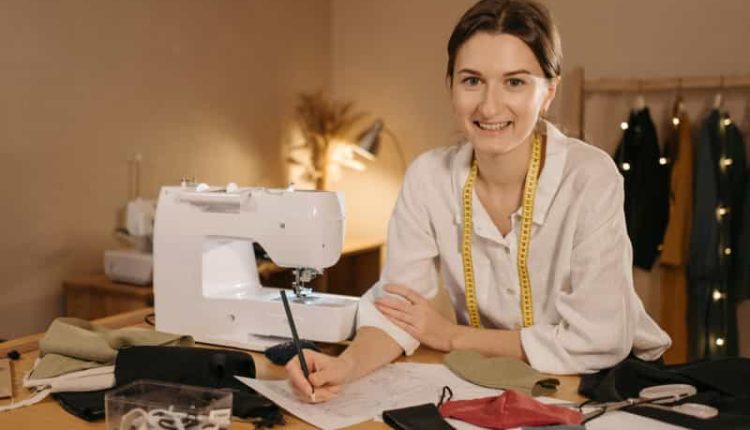
Dress design continues to evolve, driven by technological advancements, changing social norms, and a desire for greater sustainability.
- Sustainable Fabrics: Designers are increasingly using sustainable fabrics like organic cotton, bamboo, and recycled polyester to create eco-friendly dresses. This reflects a growing awareness of the environmental impact of the fashion industry.
- Customization: Technology is enabling greater customization in dress design. Online platforms allow customers to design their own dresses, choosing fabrics, colors, and styles to create a unique garment.
- Smart Dresses: Smart dresses incorporate technology like sensors, LEDs, and microcontrollers to enhance functionality and aesthetics. These dresses can change color, monitor vital signs, or even respond to environmental conditions.
- Inclusive Design: Designers are creating dresses that cater to a wider range of body types and abilities. This includes adaptive clothing with features like magnetic closures and easy-access openings.
Production Process of Dresses
The production process of dresses involves several key steps, from design and pattern making to cutting, sewing, and finishing.
- Design: The design process begins with a sketch or digital rendering of the dress. Designers consider factors like silhouette, fabric, and embellishments.
- Pattern Making: Once the design is finalized, a pattern maker creates a template for each piece of the dress. This can be done manually or using CAD software.
- Fabric Selection: The choice of fabric is crucial to the look and feel of the dress. Factors like weight, texture, and drape are considered.
- Cutting: The fabric is laid out and cut according to the pattern pieces. This step requires precision to ensure accurate sizing and fit.
- Sewing: The cut pieces are sewn together using sewing machines. This step involves assembling the bodice, skirt, sleeves, and other components of the dress.
- Finishing: The final step involves adding details like buttons, zippers, and embellishments. The dress is then pressed and inspected for quality.
Challenges in Dress Production
Dress production faces several challenges, including:
- Labor Costs: Garment production is labor-intensive, and rising labor costs in some countries can impact profitability.
- Supply Chain Disruptions: Disruptions to the supply chain, such as natural disasters or political instability, can delay production and increase costs.
- Sustainability: The fashion industry is under increasing pressure to adopt more sustainable practices. This includes reducing waste, using eco-friendly materials, and ensuring fair labor practices.
- Fast Fashion: The fast fashion model, with its emphasis on low prices and rapid turnover, can lead to overproduction and environmental degradation.
Real-World Applications of Dresses
Dresses are worn in a wide range of settings, from casual outings to formal events. They play a significant role in personal expression, cultural identity, and social interactions.
- Fashion Industry: Dresses are a key component of the fashion industry, driving trends and influencing consumer behavior.
- Retail: Dresses are sold in a variety of retail outlets, from department stores to boutiques to online retailers.
- Entertainment: Dresses are used in film, television, and theater to create characters and tell stories.
- Special Occasions: Dresses are worn to weddings, parties, and other special occasions to celebrate and commemorate important events.
End-Users of Dresses
The end-users of dresses are diverse, ranging from individuals seeking everyday wear to those looking for special occasion attire.
- Women: Women are the primary consumers of dresses, wearing them for a variety of occasions and purposes.
- Children: Children’s dresses are designed for comfort, durability, and playfulness.
- Designers: Designers create dresses for fashion shows, retail collections, and custom orders.
- Stylists: Stylists use dresses to create looks for photo shoots, films, and personal clients.
Market Trends in Dresses
The dress market is influenced by a variety of factors, including fashion trends, economic conditions, and consumer preferences.
- Sustainability: Consumers are increasingly seeking sustainable and ethically produced dresses.
- Comfort: Comfortable and easy-to-wear dresses are gaining popularity, reflecting a desire for practicality and versatility.
- Customization: Customized and personalized dresses are becoming more accessible, allowing consumers to express their individual style.
- Inclusivity: Dresses that cater to a wider range of body types and abilities are gaining traction, reflecting a growing emphasis on inclusivity and body positivity.
Future of Dresses
The future of dresses is likely to be shaped by technological advancements, sustainability concerns, and evolving consumer preferences.
- 3D-Printed Dresses: 3D printing technology could revolutionize dressmaking, allowing for the creation of custom-fitted dresses with intricate designs.
- Smart Dresses: Smart dresses with integrated technology could offer new functionalities and enhance the wearer’s experience.
- Sustainable Practices: The fashion industry will continue to adopt more sustainable practices, reducing waste, using eco-friendly materials, and ensuring fair labor practices.
- Virtual Dressing Rooms: Virtual dressing rooms could allow consumers to try on dresses virtually, improving the online shopping experience.
Summary
Dresses are a timeless and versatile garment that has evolved significantly throughout history. From the simple, draped fabrics of ancient civilizations to the high-tech, sustainable designs of today, dresses continue to play a vital role in fashion, culture, and personal expression. Understanding the different types of dresses, their production processes, and the challenges facing the industry is essential for anyone looking to succeed in the textile and apparel world. As technology advances and consumer preferences evolve, the future of dresses promises to be even more innovative and exciting.



“Great to see NSDA aligning education with industry needs. Your efforts in quality training and nationwide outreach are making a real difference.”